
Most homeowners find that a 1/2 hp motor is sufficient for standard residential garage doors, but a 3/4 hp model is the better choice for heavy or oversized doors. Choosing between a garage door opener 1/2 hp vs 3/4 hp depends primarily on the weight of your door and the frequency of use. If you have a standard sectional door, the smaller motor works fine; if your door is made of solid wood or carriage-style steel, the larger motor is necessary to prevent premature wear.
Comparing 1/2 hp vs 3/4 hp garage door opener power
Selecting the right motor strength ensures your system operates smoothly without straining the internal gears. While horsepower ratings are common, modern DC-powered openers often use force-based measurements instead. The table below outlines the general differences you should consider when selecting a unit.
| Method | How long | Effort | Cost | Best for |
|---|---|---|---|---|
| 1/2 HP AC | 10-15 years | Low | Low | Standard aluminum doors |
| 3/4 HP AC | 10-15 years | Low | Medium | Heavy wood/insulated doors |
| DC Motor | 12-18 years | Very Low | High | Frequent daily use |
If your door is heavy, the 1/2 hp motor will struggle, leading to increased wear on the drive belt or chain. Conversely, installing a 3/4 hp unit on a lightweight, balanced door is unnecessary, as it provides no extra speed or safety benefit. Always check your garage door’s balance by disconnecting the opener and lifting it by hand; it should stay in place at the halfway point. If it falls or rises quickly, the springs need adjustment by a professional.
The 1/2 hp motor for standard doors
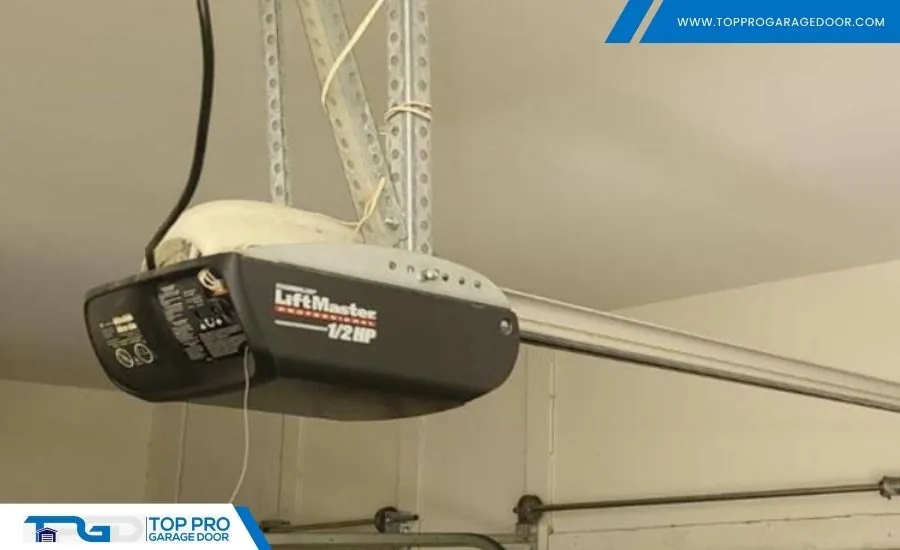
The 1/2 hp motor remains the industry standard for lightweight, single-car, or standard double-car garage doors. These units are affordable and widely available, making them the default choice for most residential replacements. They’re reliable when the door is properly balanced and the tracks are kept clean of debris.
Inspect the door tracks for obstructions or bent metal that could cause friction. Lubricate all rollers and hinges with a silicone-based spray to reduce the load on the motor. Set the force adjustment screws on the unit to the manufacturer’s recommended level, ensuring the door reverses when it hits a soft object.
If your door weighs more than 300 pounds, a 1/2 hp motor will fail prematurely. You can test this by disconnecting the emergency release and lifting the door manually. If it feels heavy or drops on its own, the door is unbalanced and will burn out the motor’s internal gears within months.
This motor type is ideal for standard-weight steel doors that don’t feature heavy insulation. It isn’t suitable for oversized doors or those with high-lift tracks, as the extra weight will cause the thermal protection to trip frequently. If you notice the motor buzzing without moving the door, check the drive gear for signs of stripping. Replace the gear immediately if you see plastic shavings inside the housing.
The 3/4 hp motor for heavy doors
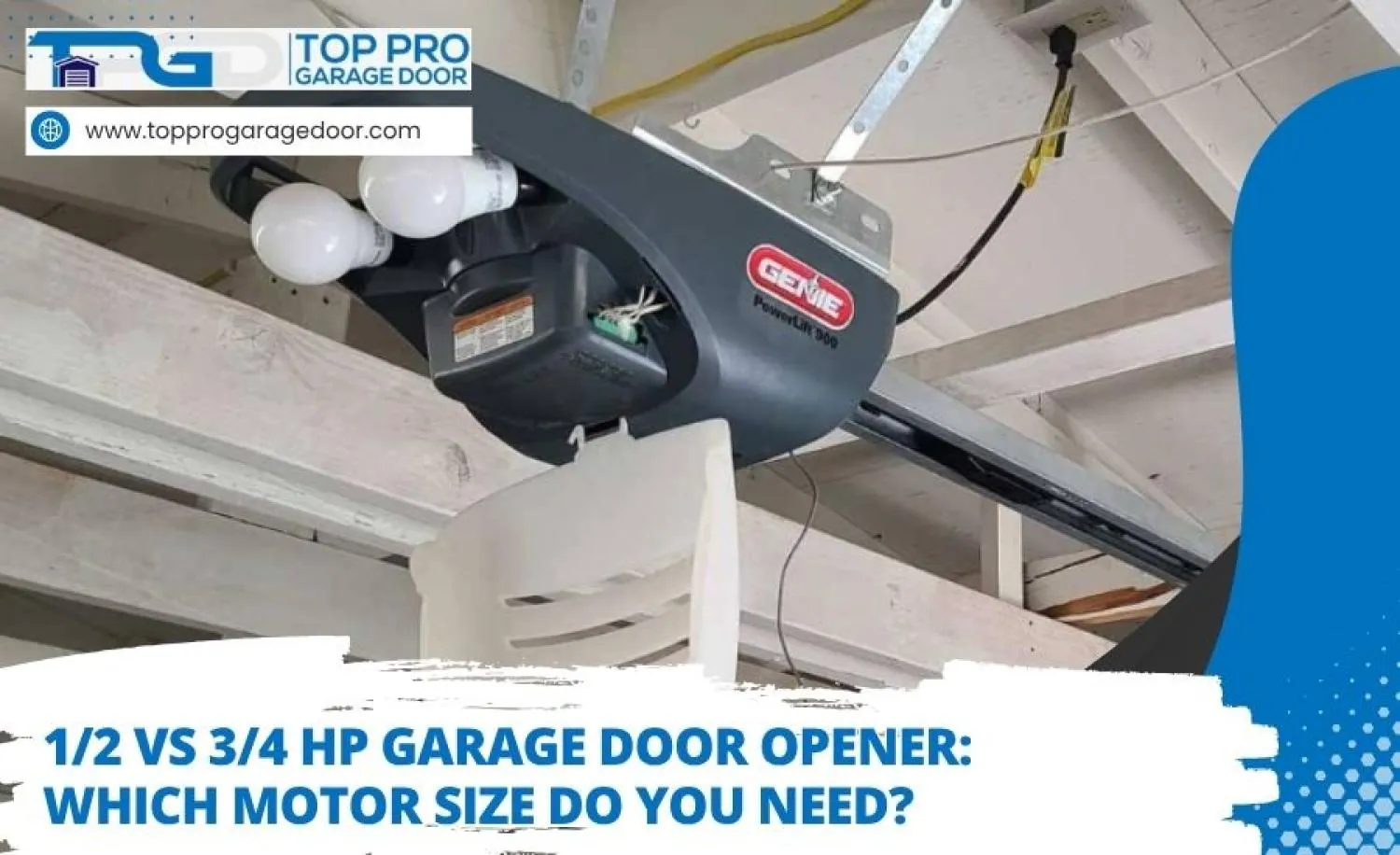
A 3/4 hp motor offers the extra torque required to lift heavier materials like solid wood or high-density insulated steel. These motors run cooler because they don’t operate at their maximum capacity during every cycle. This reduced stress often results in a longer lifespan for the internal gears and the drive mechanism.
- Ensure your door springs are correctly tensioned, as the motor is designed to assist the springs, not replace them.
- Mount the power head securely to the ceiling joists using the provided vibration-dampening brackets.
- Program the travel limits according to the specific model’s manual to prevent the door from hitting the floor with too much force.
These units are excellent for high-traffic garages where the door opens and closes many times per day. The main downside is the higher initial cost compared to the 1/2 hp versions.
DC motors for smooth operation
Modern DC motors provide a different experience by using a soft-start and soft-stop feature that reduces mechanical shock. These motors are often rated by torque rather than horsepower, but they generally match or exceed the lifting power of a 3/4 hp AC unit. They’re the quietest option available for homes with bedrooms located above the garage.
Calibrate the electronic force sensing through the control panel to match your door’s exact weight. If the door reverses before hitting the floor, your force setting is too low; if it hits the ground with a loud thud, it’s too high.
Connect the unit to a battery backup system if your local area experiences frequent power outages. Without this, a standard DC motor remains locked during a blackout, forcing you to manually disengage the emergency release cord.
Test the wall-mounted button and remote controls to ensure the signal range is sufficient. If you experience intermittent connectivity, check for LED light bulbs in the opener, as their internal interference often kills the remote signal.
DC models are best for homeowners who prioritize quiet operation and smart-home connectivity. Avoid these if you’re on a strict budget, as the advanced electronics increase the initial cost by roughly thirty percent. If the motor stops mid-cycle, the onboard diagnostic LED will flash a code indicating a specific sensor error.
Which garage door opener should you use?
Choosing the right opener depends on your specific needs regarding speed, noise, and door weight. If you’re in a hurry to get a replacement installed, a standard 1/2 hp AC motor is usually in stock at local retailers and is the fastest path to a working door.
Most homeowners make the mistake of buying based on horsepower alone. If your door is made of solid wood or carriage-style steel, you must choose a unit with a belt drive and at least 3/4 hp to prevent premature gear stripping. Lightweight aluminum doors, by contrast, function perfectly with a cheaper chain drive.
When you want the best possible result regardless of the cost, a DC-powered unit is the clear winner. It offers the longest lifespan and the most advanced safety features, such as integrated battery backups and smartphone integration.
The main trade-off is between the simplicity of an AC motor and the longevity of a DC system. While AC motors are cheaper and simpler to fix, DC motors offer a smoother, quieter, and more reliable experience over the long term. If your garage sits directly beneath a bedroom, the extra cost for a DC belt drive is always worth the investment.
The rules that apply regardless of motor size
Regardless of the power rating you choose, the safety and installation protocols remain consistent for all residential systems. The Consumer Product Safety Commission mandates that all residential garage door openers must have an automatic reversal system to prevent injury. You must install the infrared safety sensors at the base of the door tracks, no higher than 6 inches above the garage floor.
Before installing a new unit, verify that your existing garage door springs are in good condition. If the springs are old or rusted, the opener will fail prematurely, regardless of whether it is 1/2 hp or 3/4 hp. A common mistake is ignoring the balance of the door itself. Disconnect the opener and lift the door manually; if it doesn’t stay in place halfway up, the springs are imbalanced and will burn out any motor you install.
Test the safety reversal monthly by placing a 2×4 piece of wood on the floor in the path of the door. The door must reverse immediately upon contact with the wood. If it does not, adjust the force settings immediately or call a professional technician to perform a safety inspection. If the door reverses but hits the wood with significant force before doing so, your downward travel limit is set too deep.
Related guides
- Garage Door Cable Came Off Drum: How to Fix It Safely
- Chamberlain Garage Door Opener Troubleshooting: Easy Fixes
Frequently asked questions
Can I replace a 1/2 hp opener with a 3/4 hp model?
Yes, you can replace a 1/2 hp opener with a 3/4 hp model without making any changes to your existing door hardware. The mounting points for the rail and the power head are generally universal across most brands. Ensure the new unit is compatible with your existing track, or use the rail provided with the new opener to guarantee the best fit and performance for your door.
How long does a 3/4 hp opener last?
A 3/4 hp opener typically lasts for a significant duration with regular maintenance, such as lubricating the rollers and checking the spring tension. The lifespan is largely determined by the number of daily cycles and the weight of the door. If you use the garage door as your primary entrance, you may need to replace the drive gears or the belt sooner than someone who rarely opens it.
Is it safe to install a garage door opener myself?
Yes, it’s safe to install an opener yourself if you’re comfortable with basic power tools and electrical wiring. However, never attempt to adjust, remove, or replace the torsion springs yourself, as they’re under extreme tension and can cause severe injury. If the springs need service, always hire a qualified garage door technician to handle that specific part of the job.
What happens if the motor is too weak for the door?
If the motor is too weak, it will struggle to lift the door, leading to stripped drive gears and potential motor burnout. You might hear the motor humming or struggling to start the movement. If the door is too heavy, the safety sensors may also trigger a reversal because the system detects an “obstruction” caused by the excessive weight, even if the path is clear.
How often should I test the safety sensors?
You should test the safety sensors at least once a month to ensure they’re working properly. Simply wave an object in front of the sensors while the door is closing; the door should stop and reverse immediately. If the door continues to close, the sensors are misaligned or faulty and must be fixed before the system is used again to prevent potential accidents.
Does a 3/4 hp motor open the door faster?
No, a 3/4 hp motor doesn’t necessarily open the door faster than a 1/2 hp model. The speed is determined by the design of the drive mechanism and the motor’s internal gearing, not the horsepower rating. Most residential openers are designed to move at a similar speed to ensure safety, although some high-end DC models offer adjustable speeds for a faster opening and closing cycle.
Conclusion
Before you make your final purchase, take a moment to check your door’s material and insulation type. If you’re still unsure, it’s a good idea to consult a local professional who can inspect your setup. They’ll help you ensure your new system runs smoothly for years to come.
