
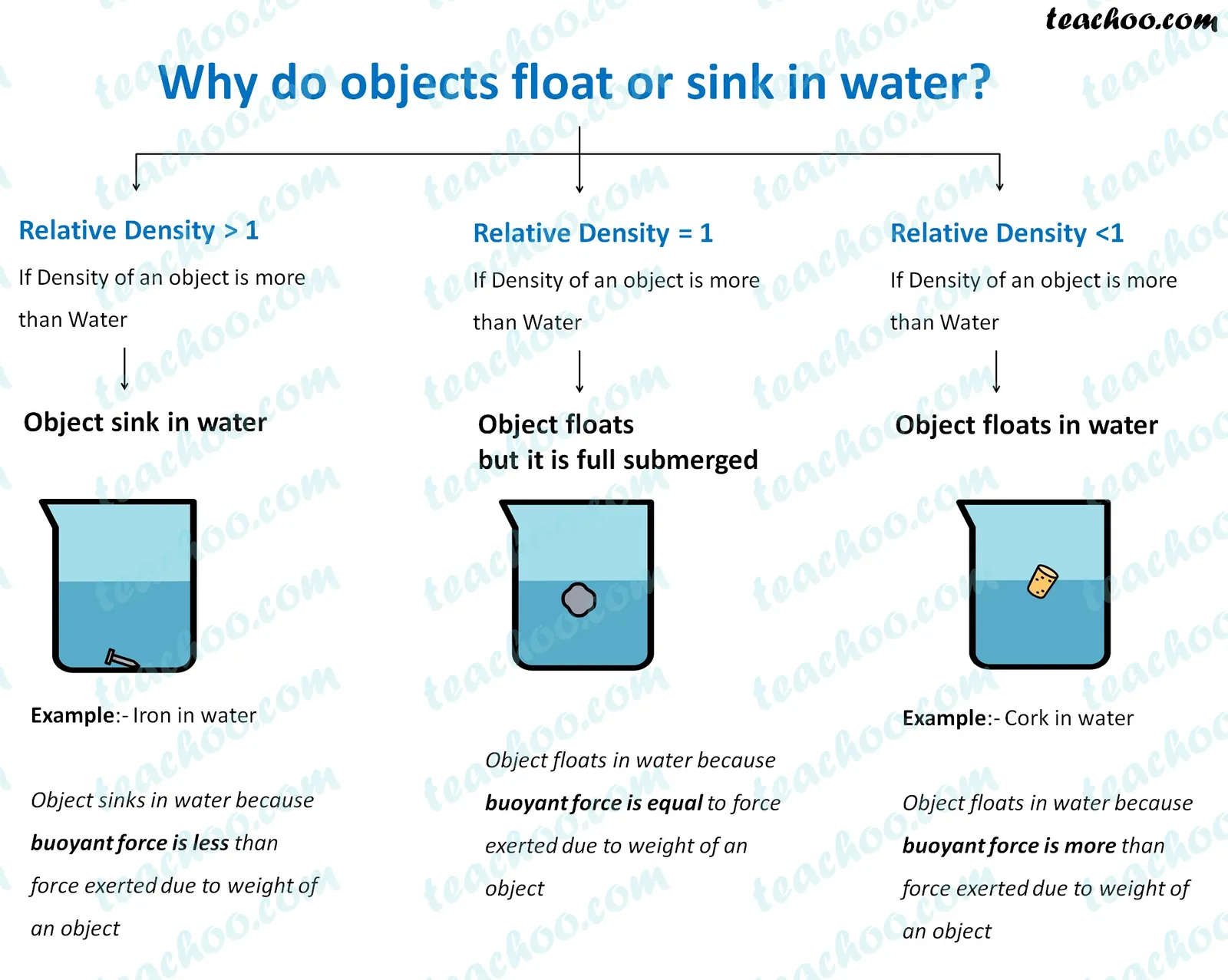
A solid block of iron sinks because its density is about 7.87 grams per cubic centimeter, while water’s is only 1 gram per cubic centimeter. Iron doesn’t float in water as a solid piece. The metal is nearly eight times heavier than the liquid it pushes aside, and gravity pulls it straight down.
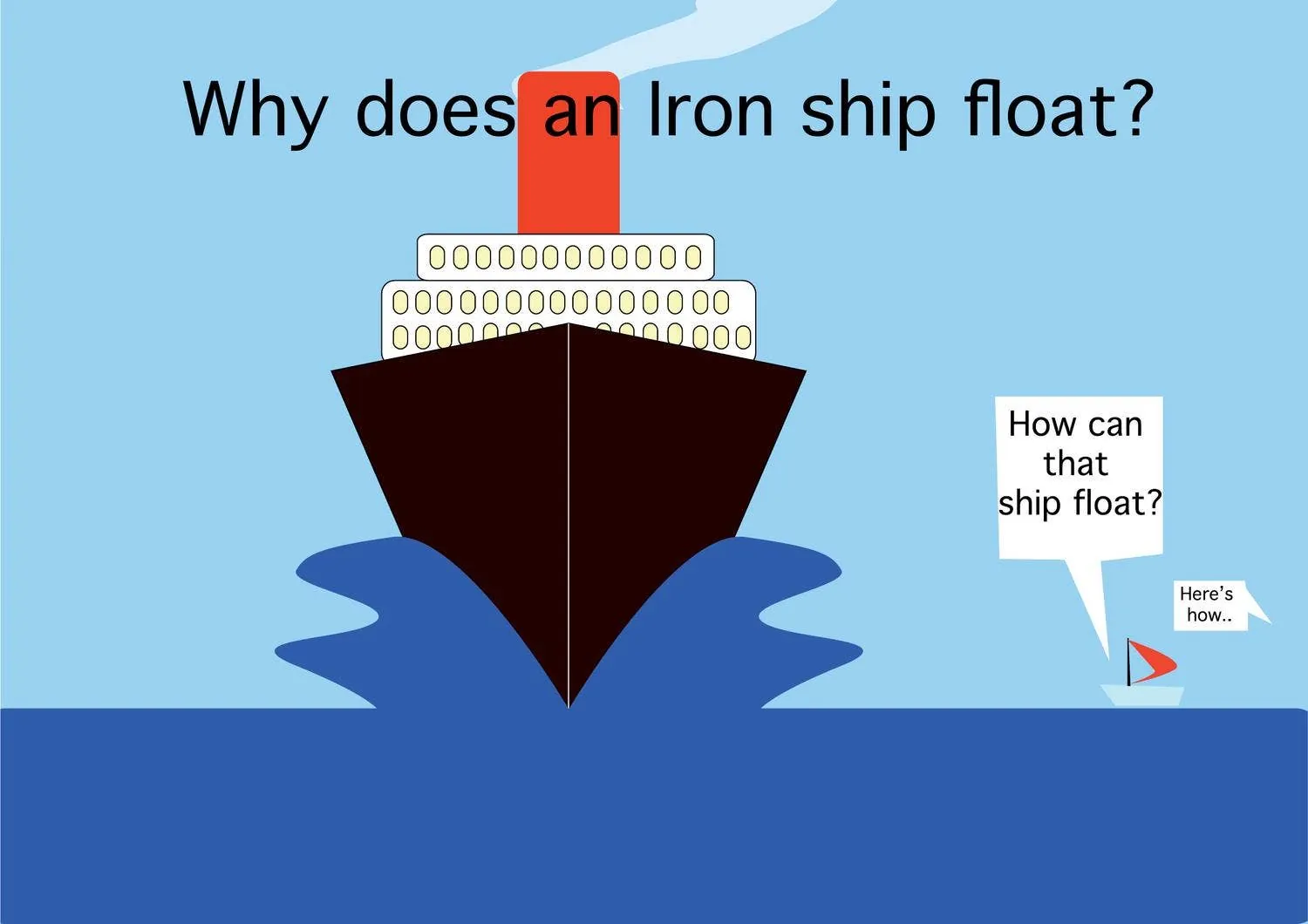
But an iron ship floats easily on the ocean. The shape matters more than the material itself. A hollow hull pushes aside enough water to create an upward force that matches the vessel’s total weight. Whether your piece of iron sinks or stays up depends on its shape, how much air it traps inside, and if you’re dropping it into fresh water or saltwater.
Who needs to know if iron floats
Someone building a small boat out of steel plates types this question to check if their design will actually stay on the surface. They already have the metal and the welding tools. What they need is the math connecting the hull’s shape to the weight it can carry before water comes over the sides. This page gives them the rules for shaping iron so it displaces enough water to support itself.
A student working on a physics homework problem might search this phrase too. They usually have a textbook chapter on Archimedes’ principle but don’t see how a heavy metal relates to a floating boat. They need the numbers broken down simply. If you just want the homework answer, read the first section and stop.
They aren’t building anything or studying physics. They just want to know if they can find it near the shore or if it went straight to the bottom. This page won’t help retrieve lost gear from deep water.
The rest of this text assumes you’re trying to understand the physical limits of iron in water, either to build something that floats or to pass a test on buoyancy. It doesn’t cover salvage operations or deep-water diving.
Density and shape decide everything
The single biggest factor is the average density of the object you put in the water. Solid iron has a density of roughly 7.87 g/cm³. Water sits at 1 g/cm³. Because the metal is almost eight times denser, a solid chunk drops immediately. You can check this yourself by weighing a piece of iron and dividing that mass by its volume.
Shape changes the average density without changing the material. If you hammer that same iron into a wide, shallow bowl, it traps a large pocket of air. Air weighs almost nothing compared to water. The combined density of the iron shell plus the trapped air falls below 1 g/cm³, and the bowl stays on top. Flatten it back into a solid plate, and it sinks again.
The type of water shifts the limit slightly. Ocean water contains dissolved salts, pushing its density up to about 1.025 g/cm³. That means a boat designed for the sea carries a bit more cargo than the exact same boat in a freshwater lake. If you’re calculating load limits, you must use the right number for the water you’ll actually be in.
Surface tension plays a tiny role for very small, flat items. A thin iron needle laid gently on still water might rest on the surface film for a moment. But this isn’t true floating. The slightest breeze or vibration breaks the tension, and the needle drops. Don’t rely on surface tension to keep anything heavy out of the drink.
People get the shape part wrong most often. They assume heavy things always sink, forgetting that a cruise ship weighs tens of thousands of tons yet rides high. The trick is always the ratio of the object’s total weight to the volume of water it pushes out of the way.
Testing if an iron object floats
You don’t need a lab to check buoyancy. A bathtub or a large bucket works fine for small pieces. Follow these steps to see exactly what happens and why.
- Weigh your iron object on a kitchen scale and write down the mass in grams.
- Fill a container with water until it reaches the brim, placing it inside a larger empty basin to catch spills.
- Lower the iron object into the full container slowly using a string.
- Collect all the water that spills over the edge into the outer basin.
- Pour that spilled water into a measuring cup to find its volume in milliliters.
- Multiply the spilled water’s volume by 1 (for fresh water) to get the upward push in grams.
- Compare that upward push to the iron object’s mass from step one.
- If the object is solid, the spilled water’s weight will be far less than the iron’s weight, proving it sinks.
The real judgement call happens at step nine. If you tilt the hollow box even slightly, water rushes inside. Once the air escapes and water fills the cavity, the average density jumps back up to match solid iron, and the box goes down. Keeping the opening dry is the difference between a floating vessel and a sunken one.
If your object is too large for any container you own, you’ll need to calculate the displaced volume using geometry instead of catching spill water. Measure the outside dimensions, compute the total volume, and compare it to the weight. Naval architects handle massive ships this way, using software to model every curve of the hull.
How different shapes change the result
The same weight of iron behaves completely differently depending on the form you give it. Here is what happens when you change the shape while keeping the material identical.
| Shape of iron | What happens in water | Effort needed to make it | Watch out for |
|---|---|---|---|
| Solid sphere | Sinks straight down | None, it’s raw metal | Drops fast, hard to recover |
| Flat plate | Sinks quickly | Minimal shaping | Cuts through surface instantly |
| Thin needle | Rests briefly, then sinks | Very careful placement | Vibration breaks surface tension |
| Open bowl | Floats if placed gently | Hammering into curve | Waves fill it and sink it |
| Sealed hollow box | Floats reliably | Welding edges shut | Rust holes let water inside |
| Ship hull shape | Floats with heavy loads | Advanced metalwork skills | Overloading lowers the rim |
A sealed hollow box floats because the air inside keeps the overall density low. An open bowl floats too, but only until water splashes over the edge. The ship hull is just a scaled-up version of that box, engineered to hold cargo without dipping below the safe line.
Why iron boats stay on the surface
Displacing enough weight
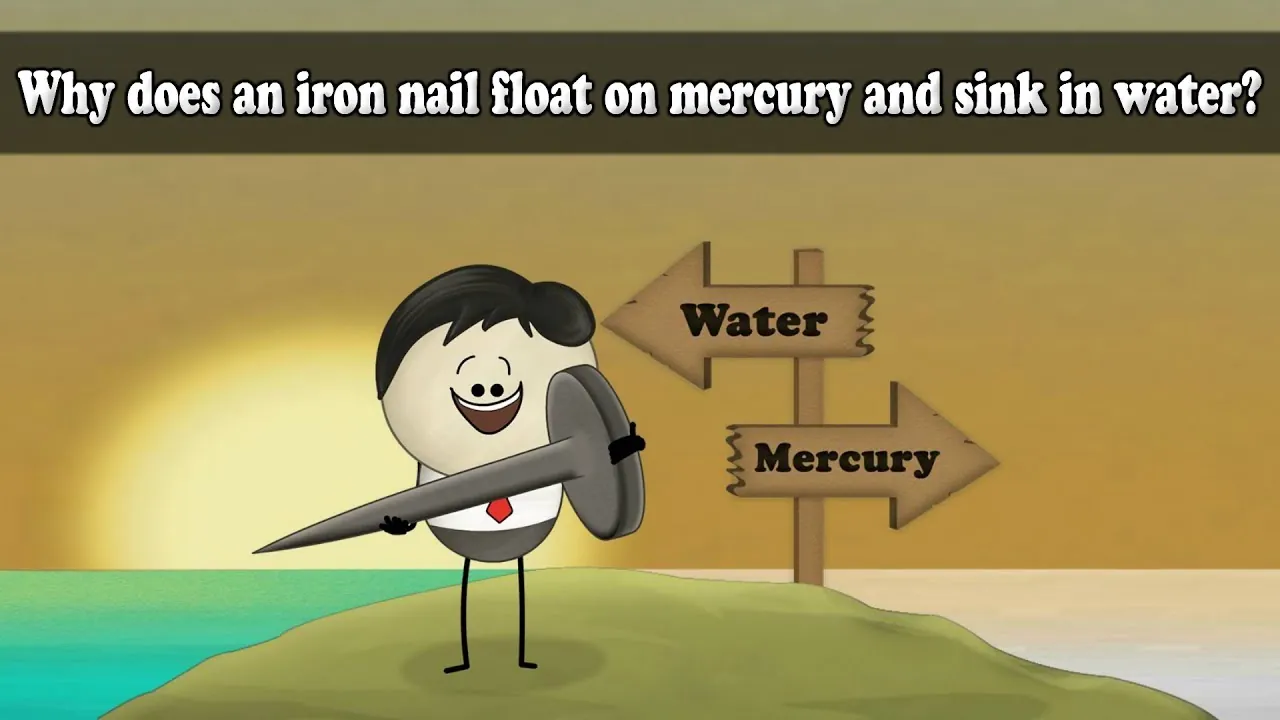
An iron boat floats because its hull pushes aside a volume of water that weighs as much as the entire loaded vessel. This is Archimedes’ principle, documented clearly in NASA’s beginner’s guide to buoyancy. If your boat weighs 500 kilograms, the submerged part of the hull must displace exactly 500 kilograms of water.
Since water weighs 1 kilogram per liter, the hull needs to sit deep enough to push 500 liters out of the way. A solid block of iron weighing 500 kilograms only takes up about 63 liters of space. It can never push enough water aside to balance its own weight. The boat’s wide, hollow shape creates the extra volume required.
Where people miscalculate
The trade-off here is strength versus volume. Thinner iron plates make a lighter hull that sits higher in the water, but they bend easier under wave pressure. Thicker plates survive rough seas but add weight, forcing the boat to sit lower to displace enough water.
Relying on paint alone to protect the hull is where things go wrong. Paint scratches off against docks and rocks. Once bare iron touches water and oxygen together, rust starts eating the metal. A pinhole leak lets water into the hollow spaces. That trapped water replaces the light air, raises the average density, and eventually drags the whole structure down.
Experienced builders leave extra height between the waterline and the top edge of the hull. This gap, called freeboard, gives the boat room to dip when waves hit or cargo shifts. If you load a vessel until the water is just barely below the rim, a single wake from another boat sends it under.
Iron sinking problems and fixes
When iron meets water unexpectedly, the results follow basic physics. Match what you see to the cause below.
| What you notice | What it usually means | What to do first | How to stop it happening again |
|---|---|---|---|
| Hollow box sinks slowly | Small hole letting water in | Lift it out and dry inside | Seal seams with waterproof weld |
| Boat sits lower today | Added weight or absorbed water | Remove extra cargo immediately | Check bilge pumps before loading |
| Needle drops after floating | Surface tension broke | Nothing, it’s expected physics | Don’t rely on tension for support |
| Hull tilts to one side | Uneven weight distribution | Shift heavy items to center | Load symmetrically every time |
| Rust spots appear underwater | Protective coating failed | Sand and repaint when dry | Inspect coating monthly |
A slow leak is the hardest to spot. The iron box seems fine at first, but water seeps through a cracked weld over hours. By the time it sinks, the damage is done. Always inspect seams visually and perform a controlled flood test in a contained area before trusting them on open water.
Physics rules for floating objects
Buoyancy isn’t a suggestion; it’s governed by strict physical laws. Archimedes’ principle states that the upward force on an object equals the weight of the fluid it displaces. This applies everywhere, from a bathtub to the Pacific Ocean. No special permit or license is needed to test small objects at home.
However, building a boat meant to carry passengers on public waterways involves legal rules. In the United States, the Coast Guard sets capacity standards for recreational vessels. You can’t just weld an iron box and invite friends aboard legally. The manufacturer must prove the hull displaces enough water to support the rated passenger weight safely.
If you plan to build a passenger vessel, consult your country’s maritime authority before starting. In the US, that’s the Coast Guard; in the UK, it’s the Maritime and Coastguard Agency. They enforce capacity standards and require manufacturers to prove the hull displaces enough water to support the rated passenger weight safely, often using established naval architecture standards rather than simple public formulas. Ignoring these limits risks capsizing, which carries severe legal and safety consequences.
For simple science experiments with small pieces of iron in a bucket, standard household safety applies. Wear eye protection if you’re hammering or cutting metal, and don’t drop heavy objects near your toes. The physics won’t hurt you, but the falling metal might.
What making iron float costs
The cost depends entirely on what you’re trying to achieve. Dropping a nail into a glass of water costs nothing. Building a functional iron boat costs significant money and time.
Raw steel plate typically sells by weight or sheet size. Prices fluctuate with global commodity markets, so check current rates at local metal suppliers rather than relying on old figures. A small project like a floating planter box might need one or two sheets, costing an amount that’s inexpensive relative to other materials depending on thickness.
Labor dominates the budget if you can’t weld yourself. Professional marine welding charges by the hour, and sealing watertight compartments takes precision. Rushing this step leads to leaks, which means paying twice—once to build it, once to fix it.
Time is the hidden expense. Designing a hull shape that actually displaces enough water requires calculation. Cutting, fitting, and welding thick iron plates moves slowly compared to wood or fiberglass. Expect a small DIY project to take weekends over a month, not a single afternoon.
The trade-off is durability. Iron lasts decades if maintained, whereas cheaper materials degrade faster in sunlight and saltwater. You pay more upfront for metal, but replace it less often. If you only need something to float for a single weekend event, wood or plastic foam makes more financial sense.
Stopping rust after it floats
Iron that touches water will rust unless you actively prevent it. The chemical reaction between iron, oxygen, and moisture creates iron oxide, which flakes away and thins your hull. Maintenance isn’t optional; it’s the price of keeping the thing afloat long-term.
After any use in water, rinse the iron with fresh water if you were in the ocean. Salt accelerates corrosion dramatically. Dry the surface completely before storing it. Leaving wet iron in a closed garage guarantees orange spots by morning.
Apply a marine-grade protective coating designed for metal submerged in water. Standard house paint peels off within weeks. Look for products labeled specifically for boat hulls or underwater steel structures. Reapply according to the manufacturer’s instructions on the can, which usually specify coverage per square foot and drying times.
Check welded seams closely during inspections. Heat from welding changes the metal’s structure, making those lines the first place rust attacks. If you spot bubbling paint or brown streaks, sand that area down to bare shiny metal immediately. Treat it with a rust converter, then prime and repaint before putting it back in the water.
The sign that maintenance has failed is a rising waterline. If your hollow iron object sits deeper than it did last season without added weight, water is likely pooling inside a hidden compartment. Find the leak, drain it, and seal it before the extra weight compromises buoyancy entirely.
When iron is the wrong choice
If you need something lightweight that floats effortlessly, iron is the wrong material. Aluminum weighs about one-third as much as steel for the same volume. Kayaks, small dinghies, and aircraft pontoons use aluminum or composites because carrying less dead weight means better fuel efficiency and easier handling on land.
If you’re working in highly corrosive environments like chemical processing or constant saltwater exposure without maintenance access, stainless steel or specialized plastics perform better. Plain carbon iron demands constant attention. Neglect it for six months in seawater, and structural failure becomes likely. Choose materials that match your willingness to maintain them.
If you need a temporary flotation device for emergency rescue, never rely on fabricated iron. Approved life rafts and personal flotation devices use closed-cell foam or inflatable chambers certified by bodies like Underwriters Laboratories (UL) or the International Organization for Standardization (ISO). These certifications guarantee performance under stress. Homemade metal boxes lack testing and could trap someone underwater if they capsize.
Building a load-bearing floating structure requires engineering calculations beyond guesswork. If your project involves human lives or expensive equipment, hire a naval architect. They use software to simulate wave dynamics and stress points that hand calculations miss. Guessing the hull thickness on a passenger ferry is a risk nobody should take.
Related guides
- 10 Best Drain Cleaner for Kitchen Sink Standing Water Picks in 2026
- 5 Best Water Softeners for Well Water: Our Top Picks in 2026
- 10 Best Pool Floats for Reading a Book: Our Top Picks in 2026
Frequently asked questions
Can solid iron ever float on water?
No, solid iron can’t float in water under normal conditions. Its density of 7.87 g/cm³ is nearly eight times greater than water’s 1 g/cm³. Gravity pulls it down faster than the displaced water can push it up. Only reshaping it into a hollow form changes this outcome.
Why do huge iron ships float easily?
Ships float because their hollow hulls displace a massive volume of water. The combined weight of the iron shell and the trapped air inside averages out to less than the weight of the water pushed aside. As long as the total displaced water weighs more than the ship, it stays up.
How much weight can an iron boat carry?
The limit equals the weight of water the hull can displace before the rim goes underwater. Calculate the total internal volume of the hull below the safe waterline in liters. That number is your maximum load in kilograms for fresh water. Subtract the boat’s own empty weight first.
Does saltwater make iron float better?
Yes, slightly. Saltwater has a density around 1.025 g/cm³ compared to fresh water’s 1.0 g/cm³. This extra density provides about 2.5% more upward push for the same submerged volume. A boat sitting at its maximum safe load in a lake will ride noticeably higher once it reaches the ocean.
Is it safe to swim near floating iron?
Swimming near any boat requires caution, but iron edges pose specific risks. Welded seams and cut plates can be razor-sharp underwater where you can’t see them. Rust creates rough surfaces that scrape skin easily. Keep a safe distance from metal hulls, especially when waves push you toward them unpredictably.
What happens if water gets inside a hollow iron box?
The box sinks progressively lower as water replaces the trapped air. Each liter of water entering adds a kilogram of downward force without increasing displacement. Once the total weight exceeds the maximum displaced water weight, the box goes completely under. Pump it out immediately if you notice the waterline rising.
How long does unprotected iron last in water?
Unprotected carbon steel exposed to constant fresh water shows visible rust within days and structural thinning within months. In saltwater, corrosion happens significantly faster. Without coatings or cathodic protection, a thin iron hull might fail entirely within a year or two. Consult general engineering handbooks or material safety data sheets for typical corrosion rates of carbon steel in your specific environment.
Does temperature change if iron floats?
Temperature affects water density slightly. Warm water is marginally less dense than cold water, meaning buoyancy decreases a tiny amount as temperature rises. However, this change is negligible for everyday purposes. The difference between freezing and boiling water alters density by roughly 4%, which won’t flip a sinking object into a floating one.
Start testing your iron shape
Weigh your iron piece and measure its volume before putting it anywhere near water. If the calculated average density stays below 1 g/cm³, expect it to sit on the surface steadily. If water starts creeping over the lowest edge or the object lists heavily to one side, pull it out immediately and rethink the design.