
You can improve your foosball game by practicing focused drills for 15-20 minutes three times a week. Start with static ball control, then move to passing accuracy, and finish with shooting practice against the wall or a partner. This method suits beginners who want to build muscle memory without needing a full table setup immediately. Consistent, short sessions that target specific skills like rotation speed and shot placement are more effective than just playing random games.
Foosball practice equipment
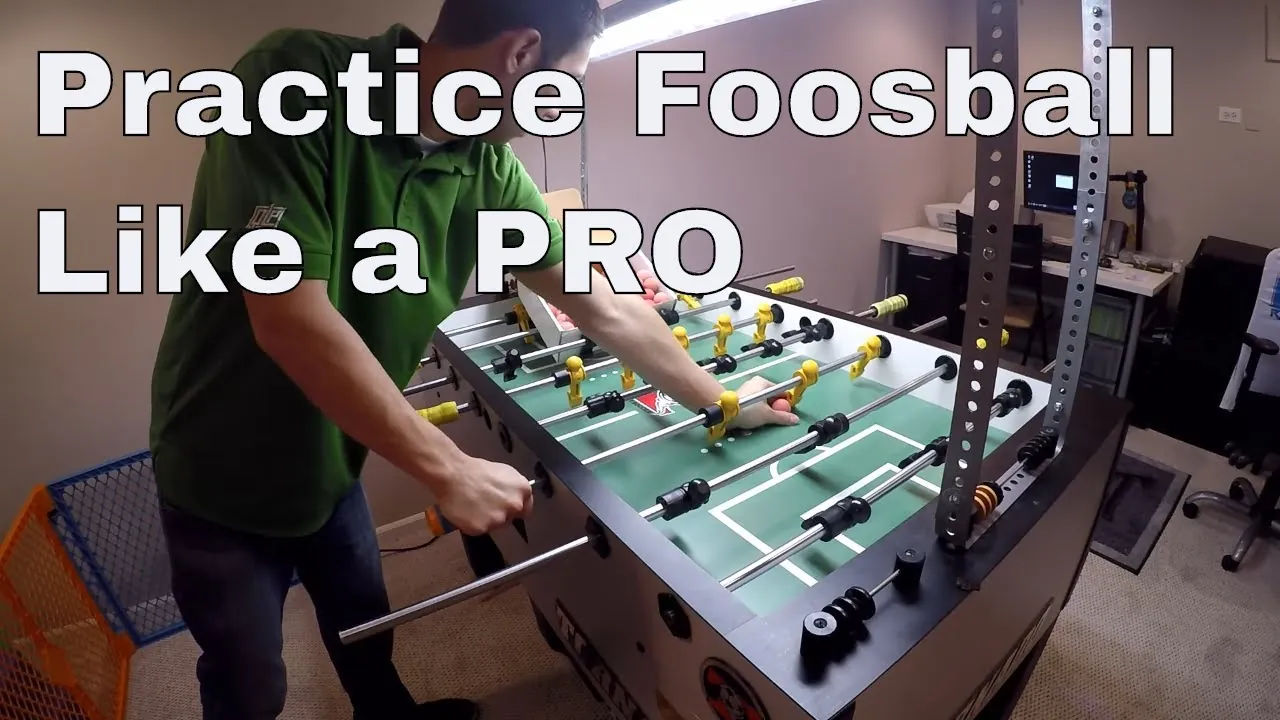
To get started, you don’t need a professional-grade table or expensive gear. A standard home foosball table works perfectly fine for most drills. You’ll also need a few foam balls or soft rubber balls if you’re practicing against a wall, as these reduce noise and prevent damage to your walls or furniture.
If you have access to a table, ensure the rods are spinning freely. Tight bearings make it hard to learn proper technique because you’ll rely on strength instead of finesse.
Here is what you should have ready:
- A foosball table with smooth-spinning rods.
- Standard plastic foosball balls (keep one aside for wall drills).
- Soft foam balls for indoor wall practice.
- A timer or stopwatch on your phone.
- A clear space around the table for movement.
- Comfortable shoes with good grip to avoid slipping.
One substitution that works is using a tennis ball in a pillowcase for wall drills if you lose your foam balls. However, swapping out the actual table rods for different ones during practice doesn’t work; stick to the standard configuration until you master basic control. If your table has loose bolts, tighten them first, as wobbly bases ruin any drill’s effectiveness.
Step-by-step guide
- Warm up the rods. Spend two minutes gently spinning all rods back and forth. This gets the feel of the tension right. Don’t force it; let the bearings settle into their natural rhythm.
- Static ball control. Place the ball at midfield. Use only your defensive rod (the 3-player bar) to keep the ball from crossing the line. Try to touch it every second. This builds touch sensitivity.
- Tip: Keep your wrists loose. Tight grips kill your ability to react quickly.
- Passing drills. Move to the midfield rod (4-player bar). Pass the ball between your left and right sides ten times without letting it drop. Focus on clean strikes, not power. Accuracy matters more here.
- Shooting form. Position yourself near the goal. Practice striking the ball toward the corners of the net. Aim for the top and bottom edges where goalies struggle. Do this twenty times per side.
- Careful: Watch your finger placement. Pinching the rod too hard causes fatigue and slows your reaction time.
- Rotation speed. Increase the speed of your shots. Snap your wrist faster while keeping the same contact point. This mimics game pressure. Repeat the shooting drill at double speed for one minute.
- Defensive blocking. Have a friend shoot at you, or use a rebound board. Block shots with your defensive rod. Learn to angle the players to deflect, not just hit. Angle is key to stopping fast shots.
- Full game simulation. Play a half-game focusing only on one skill, like passing. Ignore the score. This helps you apply the new movements under mild pressure without getting distracted by winning.
- Cool down. Spin the rods slowly five times each direction. This helps the bearings return to neutral. Stretch your wrists and forearms to prevent strain after intense practice.
How it changes with the situation
Your practice routine shifts based on your access to equipment and your current skill level. Beginners need more repetition on basics, while advanced players focus on nuance. Time availability also dictates intensity. Short sessions require high focus, while long sessions allow for varied drills.
| Situation | Time/Cost Effort | Key Difference | What to Watch For |
|---|---|---|---|
| Beginner with no table | Low ($0) | Uses wall drills only | Ball bounce consistency |
| Intermediate with table | Medium (Time) | Full rod usage needed | Rod friction and spin |
| Advanced competitive | High (Focus) | Tactical positioning | Opponent reaction speed |
| Limited space (apartment) | Low (Noise) | Foam balls essential | Wall damage prevention |
| Group practice (friends) | Variable (Social) | Competitive pressure | Maintaining form under stress |
It’s safer to start small and add more than to overshoot on the first try. Overloading your muscles with complex drills too soon leads to bad habits that are harder to unlearn later.
How to tell you did it right
A good result looks like smooth, effortless rod movement. Your ball stays in play longer during drills, and your shots land where you aim them consistently. Poor results show jerky motions, missed passes, and frustrated sighs. The common quality problem here is “arm dragging,” where you pull the whole arm instead of snapping the wrist. This happens because you’re trying to generate power through large muscles rather than quick joints.
To prevent it, keep your elbows close to your body and isolate the wrist snap. Another sign of success is reduced fatigue after thirty minutes of practice. If your shoulders ache, you’re using too much upper body strength. Focus on relaxation, and the power will come naturally from speed, not force.
Watch the tip of the rod during the cast. It should trace a clean loop without dipping or flaring. A dip means you stopped accelerating too early. A flare means you accelerated too late. Most amateurs fix this by adjusting their timing, but the real issue is often grip pressure. Hold the rod lightly. Squeeze only when the rod loads against the target. Release that tension as the line unrolls. This simple shift reduces drag significantly.
Check your landing spot accuracy over ten consecutive throws. If seven or more land within a two-foot radius, your mechanics are sound. Fewer than five indicates inconsistency in your release point. Don’t change your stance yet. First, verify your eye alignment. Look at the target, not the rod tip. Your brain compensates for visual errors by adjusting muscle memory unpredictably. Fixing your gaze stabilizes your output immediately.
Notice how your breathing changes mid-drill. Shallow breaths signal tension. Deep, rhythmic exhales correlate with smoother casts. Try exhaling sharply as you start the forward stroke. This forces your core to engage properly. You’ll feel less strain in your neck and back. The technique feels unnatural at first. Give it three full sessions before judging its effectiveness.
The rules, and what to do afterwards
The official rules of foosball, governed by organizations like the International Foosball Federation, emphasize fair play and sportsmanship. These guidelines aren’t just suggestions; they define how a match is legally won or lost. Understanding fouls prevents disqualification during competitive play.
After your practice, always wipe down the rods and balls with a dry cloth to remove dust and oils from your hands. This keeps the surface clean for better ball traction. Moisture accelerates rust on metal components, so immediate drying is critical.
Store the table cover on if possible to protect it from sunlight and dust. UV rays fade the playing field and weaken plastic bearings over time. A simple cover extends the life of the table significantly.
Check the table level occasionally; an uneven floor affects ball roll significantly. Use a small spirit level on the playing surface. If the bubble sits off-center, adjust the feet until it’s perfectly flat. This ensures consistent gameplay.
Most importantly, log your progress. Note which drills felt hardest and which improved fastest. Track specific metrics like successful passes per minute. This data helps you adjust future sessions. Without records, improvement remains guesswork.
If you notice persistent jamming in the rods, consult a professional technician rather than forcing parts, as DIY repairs often void warranties. Forcing a stuck rod can snap internal gears. Professional service preserves the warranty and fixes the root cause. Regular maintenance ensures your table lasts for years.
Other ways to do it
Wall Rebound Training
Stand three feet from a smooth, uncluttered wall. Use a standard tennis ball to practice forehand drives and backhand blocks. This drill builds hand-eye coordination and reaction speed without requiring a table or partner. You won’t get the tactile feedback of rods hitting rubber pads.
Combine this with table sessions to bridge the gap. Clear at least four feet of width on either side. A solid concrete or brick surface works best; drywall may crack under repeated impact. Start with slow, controlled rallies to establish rhythm before increasing velocity.
Video Analysis
Record your matches using a smartphone mounted on a tripod. Watch the footage immediately after play to identify mechanical flaws. Look specifically for excessive leaning forward or poor foot placement during serves. This method costs only storage space but delivers objective insights that feel subjective in the moment.
It helps advanced players refine subtle technique adjustments. Review one specific aspect per session rather than trying to fix everything at once. Pause frequently to analyze body positioning relative to the ball’s trajectory.
Casual League Play
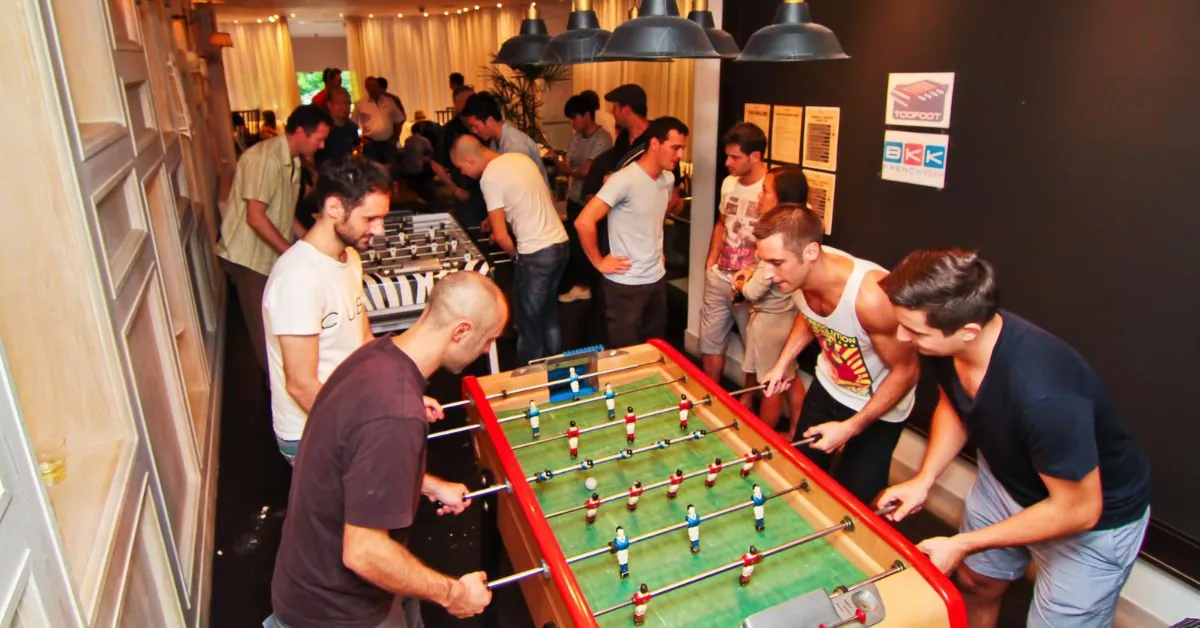
Join a local recreational league to experience competitive pressure. This environment adds social interaction absent in solitary drills. Entry fees vary by city but are generally inexpensive relative to other sports options. You gain exposure to diverse playing styles, accelerating learning beyond isolated practice. Seek out opponents who challenge your current skill level slightly. Consistent participation builds mental resilience and adaptability under stress.
Related guides
- Best Foosball Tables Under 500: Top 5 Picks in 2026
- 10 Best Dimmer Switches for Precise Light Control in 2026
- Foosball Resources: Where to Find Tactics and Gear in 2026
Frequently asked questions
How long should i practice foosball daily?
Practice for 15-20 minutes per session, three to four times a week. This duration balances skill building with physical recovery. Longer sessions lead to diminishing returns due to mental fatigue. Consistency beats intensity for muscle memory development.
Is it safe to practice foosball alone?
Yes, it’s safe to practice alone, especially with wall drills or static ball control. Just ensure your space is clear of obstacles. Avoid aggressive slamming of rods, which can cause repetitive strain injuries over time. Listen to your body and stop if you feel pain.
Why does my ball keep getting stuck?
Stuck balls usually result from dirty rods or warped table surfaces. Dust and grease accumulate on the bars, creating friction. Clean the rods weekly with a dry cloth. Also, check if the table is level; an incline can trap balls in corners.
How many balls do i need for practice?
Keep three to five balls handy. One goes bad quickly, and having spares keeps your flow uninterrupted. Standard plastic balls wear out faster than foam ones. Replace any ball that shows cracks or significant flattening to maintain consistent bounce.
Can i improve without a table?
You can improve basic reflexes and hand-eye coordination with wall drills using a tennis ball. However, you can’t practice rod mechanics or specific player positioning without a table. Use wall drills as a supplement, not a replacement, for full table practice.