
You should avoid heating styrofoam in the microwave. Because this foam is a type of plastic, it can melt or release harmful chemicals into your food when exposed to high heat. Check the bottom of your container for a microwave safe label before heating it. If you do not see this mark, transfer your food to a glass or ceramic dish to ensure your meal remains safe to eat.
How to microwave styrofoam safely
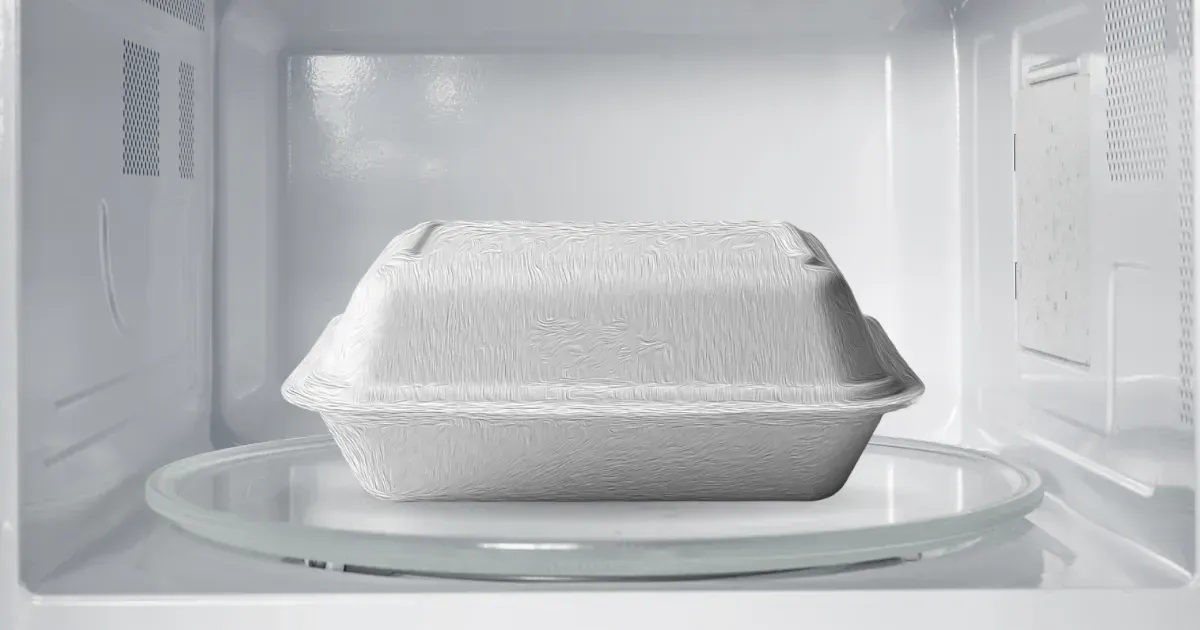
It’s important to know which materials can safely handle the energy output of your kitchen appliances. While some foam products are designed for hot food, most aren’t built to withstand the intense heat generated during a standard microwave cycle.
| Container Material | Safe for Microwave | Why |
|---|---|---|
| Glass | Yes | Doesn’t melt or warp |
| Ceramic | Yes | Heat resistant and stable |
| Foam | No | Melts at low temperatures |
| Paper | Sometimes | Can burn if left too long |
| Metal | No | Causes sparks and fire risk |
Check the bottom of your dish for a microwave-safe symbol, usually represented by three wavy lines. If you see no icon, perform the water test. Place a one-cup glass measure filled with water next to the empty container, then microwave them on high for 60 seconds.
Avoid containers with metallic trim or gold leaf accents, as these will cause arcing even if the base material is ceramic. If you notice any pitting or surface cracks, retire the dish immediately. These fissures can harbor bacteria and may cause the dish to shatter under thermal stress.
Why Foam Is Not Suitable
The primary reason you should avoid this material is its low melting point. Foam is essentially expanded polystyrene, which begins to lose its shape and structure when temperatures exceed about 212°F. When this happens, the plastic can fuse with your food or release styrene, a chemical compound that may migrate into your meal during the heating process.
Most standard foam take-out containers aren’t tested for these high-heat conditions. If the container lacks a clear “microwave safe” symbol from the manufacturer, it isn’t designed to contain hot, steaming liquids or fats that can accelerate the melting of the plastic walls. Fats are particularly dangerous because they can reach temperatures well above the boiling point of water, often exceeding 300°F in seconds.
If the plastic shows any signs of warping or bubbling, the structural integrity is already failing. The heat inside the microwave doesn’t distribute evenly, meaning hot spots can reach temperatures that soften the foam even if the rest of the container feels cool. You should watch for localized thinning or a glossy, wet-looking texture on the interior surface. These visual cues indicate that the polymer chains are breaking down.
If you’re unsure about the safety of a container, the only smart move is to transfer the food to a plate or bowl made of glass or heavy-duty ceramic. This simple swap eliminates the risk of chemical leaching entirely. If the food contains high amounts of oil or sugar, never risk the foam regardless of the labeling. These ingredients absorb microwave energy rapidly and can compromise even high-quality plastics before the microwave timer hits the one-minute mark.
Safely Heating Your Leftovers
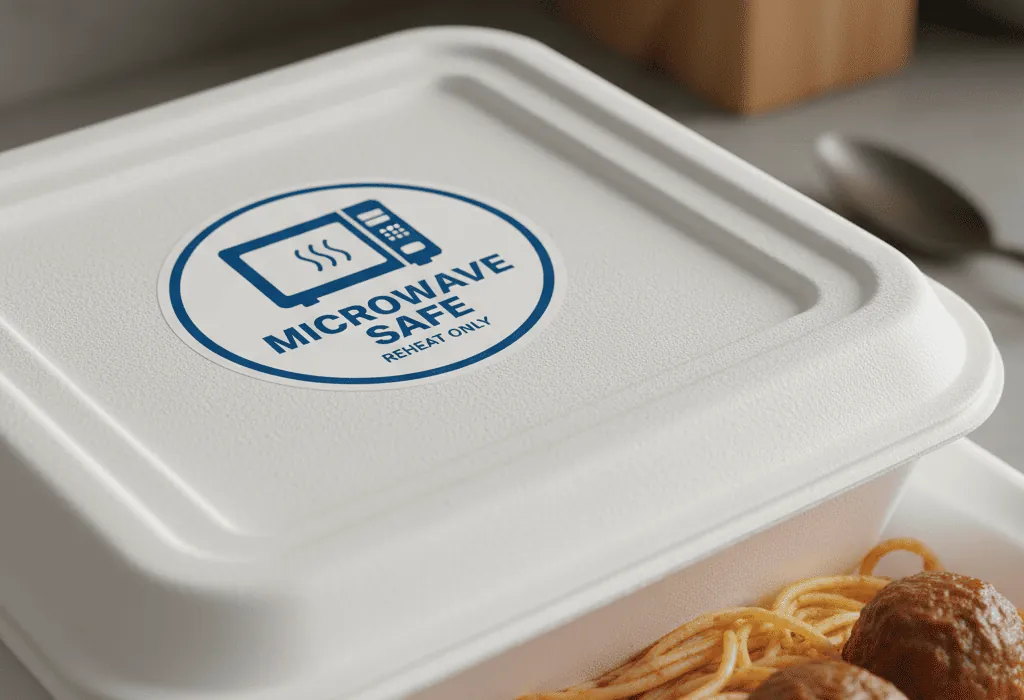
If you need to reheat food that came in a foam container, follow these steps to prevent contamination or damage to your meal.
Transfer the food to a microwave-safe glass or ceramic container before you start the heating process. Never attempt to heat the foam itself, even for a short time. Styrofoam can melt or leach harmful chemicals into your meal when exposed to high temperatures.
Cover the dish with a paper towel or a microwave-safe glass lid to keep moisture inside. This prevents your food from drying out while it heats. If your meal contains sauces, a loose cover prevents messy splatters that can cause uneven heating.
Set the power level to medium if you’re heating items with high fat or sugar content. These ingredients attract microwave energy rapidly and can burn or boil over within seconds. If you’re reheating dense proteins like steak, use medium-low power to avoid turning the edges into rubber.
Heat in short intervals of 60 seconds, stirring the food between each round to ensure even temperatures throughout. Microwaves often create cold spots where bacteria can survive. Stirring redistributes the heat and ensures the entire portion reaches a safe temperature.
Check the temperature of your food to ensure it reaches 165°F for safety. Use a food thermometer inserted into the thickest part of the dish. If the internal temperature is lower, continue heating in 30-second bursts.
Remove the dish carefully using oven mitts. Glass and ceramic retain heat long after the microwave stops, and a dish that feels cool on the outside may be scalding near the center.
The Common Mistake People Make
The most frequent error people make is assuming that because a container held hot food at a restaurant, it can also handle the heat of a microwave. This mistake often leads to melted plastic stuck to the bottom of the food or, worse, unintended chemical leaching. It costs you a ruined meal and the potential health risk of consuming melted plastic particles.
Many people confuse heat resistance with microwave safety. A container might withstand the temperature of freshly cooked takeout without warping, but that doesn’t mean the material is stable under the oscillating electromagnetic waves of a microwave. These waves excite polar molecules within the food, creating localized hot spots that can exceed the plastic’s structural threshold in seconds.
Check the bottom of the container for a microwave-safe symbol, typically a square with wavy lines. If that stamp is missing, move the food to a glass or ceramic dish immediately. If you see the plastic begin to dimple or change texture, stop the cycle. That deformation is your warning that the material is already breaking down.
When to Seek Professional Help
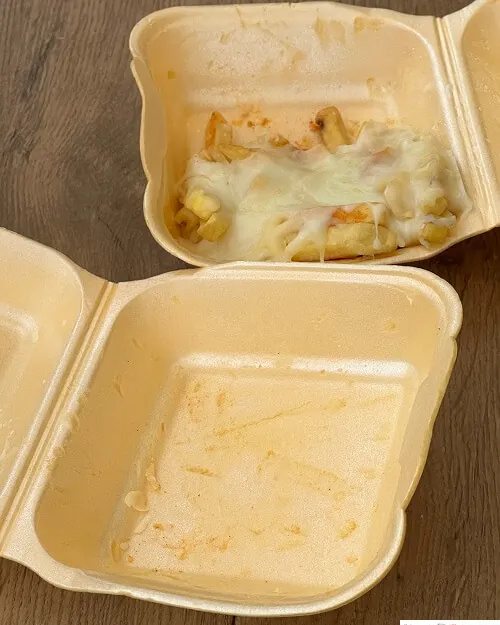
If you have already accidentally microwaved foam and your appliance smells like burning plastic, stop using it immediately. This lingering odor often indicates that melted plastic has coated the interior walls or the waveguide cover.
If the smell persists through three consecutive cleaning cycles with a mixture of white vinegar and water, melted plastic residue may have coated the interior ventilation components. At this point, professional cleaning is required to prevent the residue from igniting during high-heat cycles.
If you see visible melted residue, don’t scrape it with metal tools. Metal blades will scratch the delicate enamel coating, which invites rust and creates hot spots that cause future arcing. Use a plastic scraper or a credit card instead.
If you observe sparking or smoke, the microwave has a damaged waveguide cover or magnetron. These components aren’t user-serviceable. A technician must verify that the internal cavity remains sealed to prevent microwave leakage.
If the plastic has bonded to the floor, don’t attempt to pry it off with solvents. Harsh chemicals can degrade the seals, leading to a fire hazard.
A capacitor inside the unit can hold a lethal electrical charge even when the plug is disconnected. Never attempt to open the outer housing or perform internal repairs yourself. If the unit fails to heat or remains noisy after surface cleaning, the cost of a professional diagnostic is far lower than the risk of an electrical shock or a kitchen fire.
Related guides
Frequently asked questions
Can I microwave foam if I put it on a plate?
No, you shouldn’t microwave the foam even if it’s resting on a plate. The foam itself will still reach its melting point when it touches the hot food or the hot air inside the microwave chamber. Always remove the food from the foam container entirely before placing it into the microwave, as the container material isn’t meant to withstand the high temperatures required to heat your meal.
Is it safe to microwave foam for 30 seconds?
No, it isn’t safe to microwave foam for any length of time. The material can begin to soften or warp in as little as 10 to 20 seconds, especially if it’s in contact with hot grease or oil. Because the heating speed varies based on your microwave’s wattage, it’s impossible to guarantee that the foam will remain stable during even a very short cycle.
How do I know if my container is microwave safe?
You can confirm if a container is safe by looking for a “microwave safe” symbol on the bottom, which usually looks like a square with wavy lines. If you don’t see this specific mark or the manufacturer’s name, you should assume the material isn’t safe for use. Never guess based on the feel or thickness of the plastic, as many types of foam look identical but have different heat tolerances.
Does the microwave wattage change the risk?
Yes, higher wattage microwaves heat food and containers significantly faster, which increases the risk of the foam melting. A 1,200-watt microwave will cause a foam container to fail much faster than a 700-watt model. Regardless of the power setting, the material’s low melting point remains the same, making it unsuitable for use in any microwave oven regardless of its power rating or age.
What happens if I accidentally eat food from microwaved foam?
If you accidentally eat food that was heated in a foam container, you should monitor yourself for any unusual symptoms. While a single exposure is unlikely to cause immediate harm, the risk involves the potential ingestion of chemical additives or plastic particles that migrated into the food. Contact a medical professional if you feel unwell or have concerns about your health following the consumption of food that was heated in improper packaging.
Can I use the foam lid as a cover?
No, you should never use a foam lid inside a microwave. Steam and heat from your food will cause the lid to warp or melt, potentially dripping plastic onto your meal. Always use a paper towel or microwave-safe glass lid to cover your food instead.
Conclusion
It’s always better to be cautious when you’re unsure about your dishes. If you can’t confirm that a container is heat-resistant, don’t take the risk. You’ll feel much better knowing your dinner is free from melted plastic. Next time you’re grabbing leftovers, just reach for a reliable glass bowl instead.
