
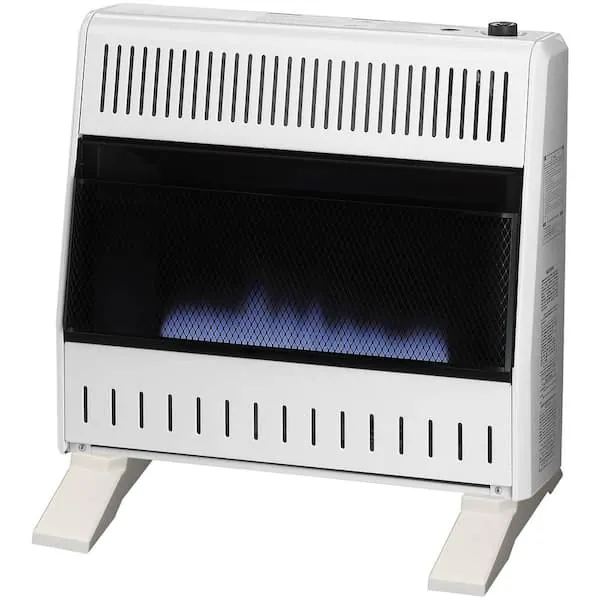
Common procom heater problems usually involve the pilot light failing to ignite, a thermocouple that has stopped sending a signal, or dust blocking the oxygen depletion sensor. These vent-free units rely on precise air-to-fuel ratios to function safely, so any buildup or misalignment in the burner assembly often causes the flame to shut off unexpectedly. If the heater won’t stay lit, you should first check if the gas supply is fully open and the lines are clear of air.
Typical Procom heater problems
| Problem | Best For | Concrete Example |
|---|---|---|
| Pilot won’t stay lit | Troubleshooting igniter | Thermocouple is loose |
| Yellow flame color | Adjusting air supply | Dust in burner |
| Scent of gas | Safety checks | Loose pipe fitting |
| No heat output | Regulator inspection | Blocked gas orifice |
| Odor during use | Proper ventilation | Too much humidity |
If the pilot light flickers out after you release the knob, the thermocouple is likely failing to sense heat. Replace it if the tip is corroded or bent. A yellow flame indicates incomplete combustion, which often stems from a clogged air intake port. Use compressed air to clear debris before the burner develops soot.
If you smell gas, shut off the main supply immediately and brush soapy water over pipe joints. Bubbles confirm a leak that requires professional sealing. When no heat flows, inspect the regulator for a tripped safety mechanism. If the orifice is blocked by spiders or dust, use compressed air to clear the path. Always ensure your room has cross-ventilation, as high humidity can cause incomplete burning and lingering odors.
Pilot Light Ignition Failures
A pilot light that refuses to stay lit is the most frequent issue owners face with these heating units. This usually means the thermocouple isn’t getting hot enough to generate the tiny electrical current needed to keep the gas valve open. If the pilot flame is too small, it can’t reach the sensor, causing the safety system to cut the gas flow immediately to prevent leaks.
- Clean the thermocouple tip using a soft, dry cloth to remove carbon buildup or dust.
- Ensure the pilot flame is blue and surrounds the tip of the thermocouple completely.
- Check that the connection at the gas control valve is tight and free of corrosion.
- Verify the pilot orifice isn’t blocked by spider webs or debris, which often happens when the unit sits idle for months.
If the pilot light still fails after you hold the knob down for 60 seconds, the thermocouple itself may be faulty and require replacement. Always refer to the manual for your specific model to find the correct part number before attempting a swap.
Yellow Flame and Burner Issues
When the flame burns yellow or orange instead of a crisp blue, it indicates the burner isn’t getting enough oxygen. This is often caused by dust or lint clogging the air intake ports or the burner ports themselves. You can often clear this by using compressed air to blow out the burner assembly while the unit is completely cool and turned off.
- Inspect the burner ports for any blockages that might cause uneven or lazy flames.
- Check the air shutter setting to ensure it’s clear of household dust or pet hair.
- Verify that the fuel type matches the heater’s rating plate, as using propane in a natural gas unit causes incomplete combustion.
- Clean the area around the base of the heater where air enters the system.
If the flame remains yellow after cleaning, the burner assembly may be damaged or warped. A damaged burner can lead to higher levels of carbon monoxide, so it’s vital to keep the unit clean and well-ventilated. According to the Consumer Product Safety Commission, vent-free heaters must be used in a room with adequate air exchange to prevent dangerous gas buildup.
Oxygen Depletion Sensor Shutdowns
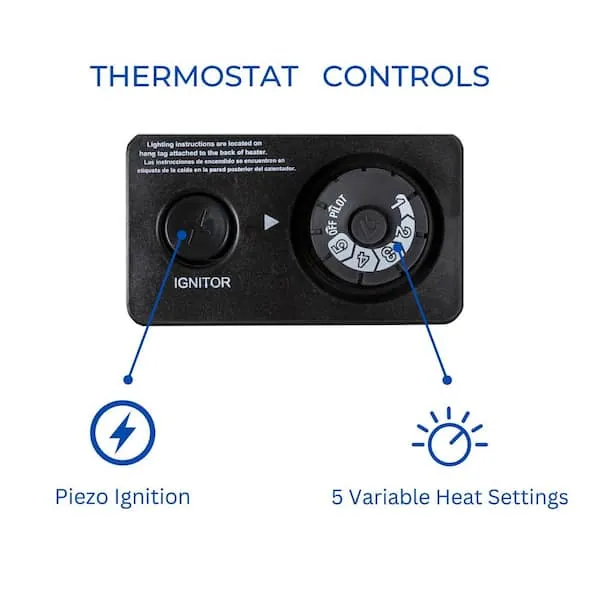
The oxygen depletion sensor, or ODS, is a critical safety feature that shuts the heater down if oxygen levels in the room drop too low. This sensor is incredibly sensitive, and even a small amount of dust can make it think the air is unsafe. If your heater shuts off every 15 to 30 minutes, the ODS is likely triggering a false positive due to dirt.
- Use a vacuum or canned air to gently clean the ODS assembly without touching the ceramic parts.
- Ensure the room has enough fresh air by cracking a nearby window slightly.
- Avoid using the heater in small, airtight spaces like bathrooms or bedrooms unless the model is specifically rated for those areas.
- Keep the unit away from curtains, furniture, or other items that block airflow around the sensor.
Don’t attempt to bypass or disable the ODS under any circumstances, as this removes your primary protection against carbon monoxide. If cleaning doesn’t fix the issue, the ODS component is likely at the end of its life and needs professional replacement by a qualified gas technician.
Gas Odor and Leak Detection
A noticeable smell of gas during operation is a serious concern that requires immediate action. While a faint odor is sometimes normal when a new heater burns off factory oils, a persistent smell usually points to a loose connection or a leak in the internal gas lines. You must turn the gas supply off at the source immediately if you smell gas.
- Perform a leak test by applying a soapy water solution to all joints and fittings.
- Watch for bubbles forming, which indicate a gas leak that needs tightening or sealing.
- Check the regulator for signs of damage or improper pressure settings.
- Ensure all gas piping connections were made using the correct thread sealant for gas applications.
Never search for a gas leak with an open flame or a lighter. If you can’t find the source of the leak, contact your local gas utility provider or a licensed plumber to inspect the entire system before you attempt to use the heater again.
Additional Heater Concerns
- Regulator Noise: A humming or whistling sound from the regulator often means the gas pressure is too high. Check your incoming gas pressure against the manufacturer’s requirements to ensure it’s within the allowed range for your specific model.
- Soot Accumulation: Black soot on the walls or glass indicates the heater is burning inefficiently. This is usually caused by restricted airflow or using the wrong gas type, and you should stop using the unit until you clean the burner.
- Control Knob Stiffness: If the knob is hard to turn, don’t force it, as you may break the internal valve stem. A little graphite lubricant can sometimes help, but a stiff valve usually indicates internal wear that requires a full control valve replacement.
Choosing the Right Fix
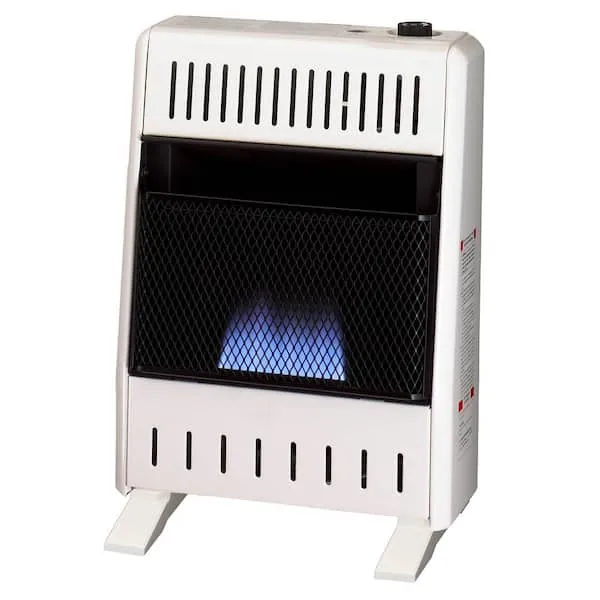
Deciding how to fix your heater depends on whether the problem is related to the pilot system, the air supply, or the gas pressure. If the pilot won’t light, focus on the thermocouple and the igniter. If the flame is the wrong color or you smell gas, focus on the burner ports and the integrity of your gas connections.
If you’re comfortable with basic tools, cleaning the thermocouple or the burner ports is a task you can handle. However, if the issue involves the gas regulator, the control valve, or finding a gas leak, you should stop and call a professional. These components are critical for safe operation, and mistakes here can lead to fire or gas leaks.
Choosing to repair a faulty gas valve yourself isn’t recommended unless you have specific training, as the risk of a leak is too high. These repairs can be combined if the unit is old, but often replacing a single sensor is enough to return the unit to service.
Frequently asked questions
Can I replace the thermocouple myself?
Yes, you can replace the thermocouple yourself if you have basic hand tools and the correct replacement part for your model. Locate the thermocouple at the pilot assembly and use a small wrench to loosen the nut at the control valve. Be careful not to bend the copper tubing too sharply, as it can crack and leak. Always follow the manufacturer’s instructions for your specific unit.
Why does my heater smell like oil?
Your heater may smell like oil because of dust or factory residue burning off the heating elements. This is common in new units or after a long period of inactivity. Run the heater on the highest setting for 30 minutes in a well-ventilated room to burn off the debris. If the smell persists after an hour of use, check for gas leaks or blocked burner ports.
How do I know if my heater is the right size?
Your heater is the right size if it can heat your room without running constantly or causing the room to become uncomfortably hot. A unit that’s too large will cycle on and off too frequently, while one that’s too small will never reach the desired temperature. Check the BTU rating on the back of the unit against your room’s total square footage.
Is it safe to leave the heater on all night?
It’s generally not recommended to leave a vent-free heater on while you sleep, even if it has an ODS. These heaters consume oxygen and produce moisture, which can affect air quality over long periods in an enclosed bedroom. Always prioritize safety by turning the unit off when you aren’t awake to monitor it or if you plan to leave the room.
What happens if the ODS sensor fails?
The heater will automatically shut down and refuse to relight if the ODS sensor fails or becomes too dirty to function. This is a failsafe mechanism designed to prevent the unit from operating in low-oxygen conditions. If your heater keeps shutting off, don’t try to bypass the sensor; instead, clean the assembly or replace the ODS component to restore safe operation.
How long should a propane heater last?
A propane heater typically lasts for a long period with regular annual maintenance and cleaning. The lifespan depends on how often you use the unit and whether you keep the burner ports free of dust. If you notice signs of heavy rust on the internal frame or the burner no longer produces a steady blue flame, it may be time to replace the unit.
Conclusion
You should first inspect the pilot assembly for dust or debris using a soft brush or compressed air. If the heater fails to stay lit after cleaning, ensure the thermocouple is positioned correctly in the pilot flame. If the unit still doesn’t stay on or if you detect a smell of gas, stop all use immediately and contact a licensed gas technician to perform a professional inspection and repair.
