
Manual hand augers, drum augers, toilet augers, and sink plungers are the best drain snakes for removing household clogs. These devices clear blockages through physical force or mechanical rotation, but they differ in reach and flexibility. Selecting the right tool depends on the clog’s location and depth, as using the wrong equipment can damage your pipes.
Comparison of drain clearing tools
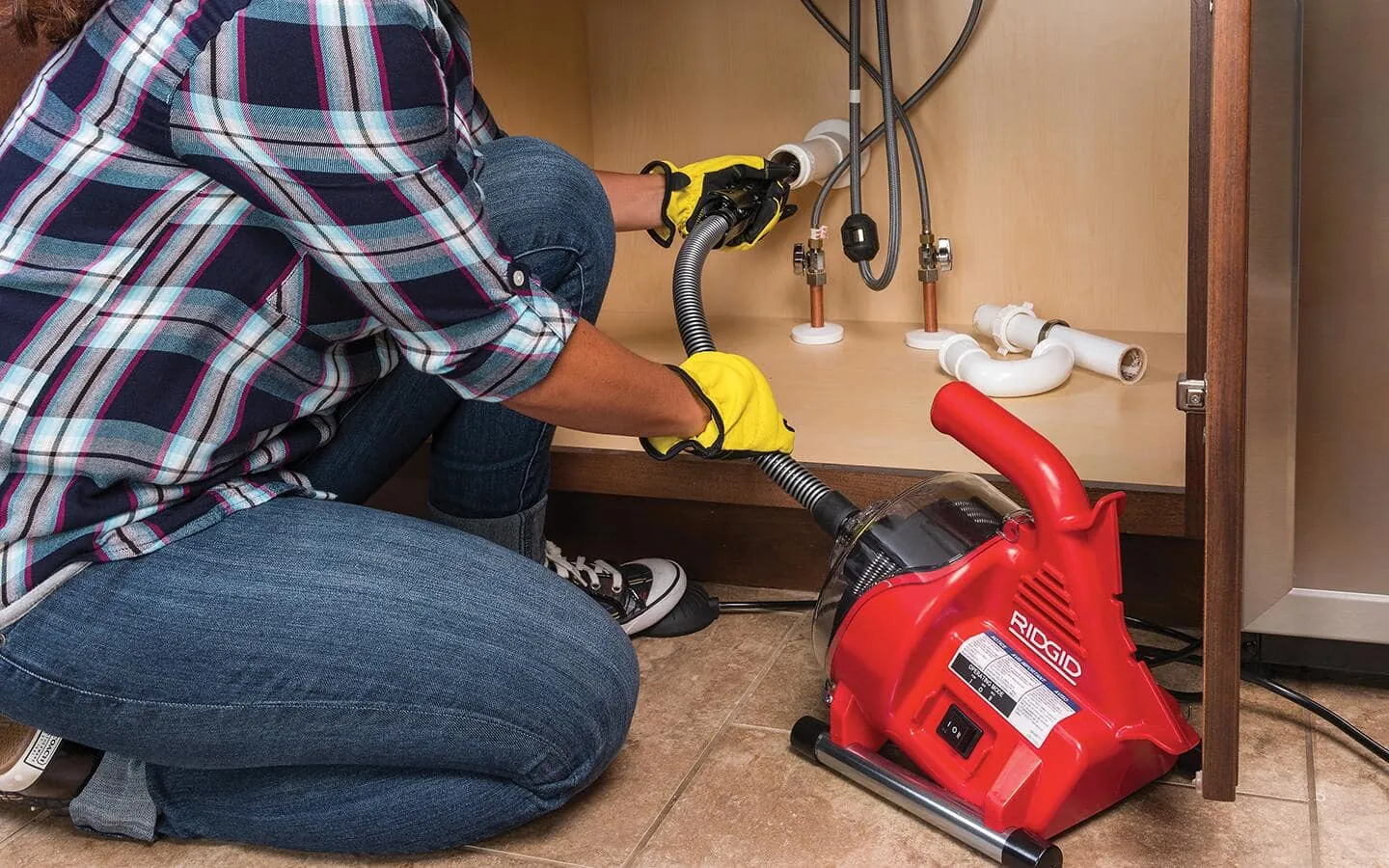
Many homeowners keep a variety of tools on hand to address different types of plumbing issues. The following table outlines the most common options for clearing pipes and which situations they handle best.
| Tool Name | Best For | Concrete Example |
|---|---|---|
| Sink Plunger | Minor surface clogs | Bathroom sink drain |
| Toilet Auger | Deep toilet blockages | Porcelain bowl trap |
| Hand Auger | Small pipe clogs | Kitchen sink drain |
| Drum Auger | Deep, tough clogs | Main house line |
Use a flat-bottomed sink plunger for drains, but switch to a flanged plunger for toilets. The flange creates a tight seal inside the trapway that a flat cup can’t achieve. If you force a flat cup into a toilet, you lose the suction required to dislodge the obstruction.
Choose a hand auger only for lines under two inches in diameter. These manual tools lack the torque to clear grease or tree roots from larger pipes. If you encounter significant resistance within the first three feet, stop immediately. Pushing harder often kinks the cable, which can permanently damage your plumbing fixtures.
Select a drum auger for clogs located more than ten feet from the drain opening. These tools house the cable in a protective casing, preventing dirty water from spraying onto your floors during retraction. Always wear heavy-duty gloves when operating a drum auger to protect your hands from sharp metal burrs.
Distinguish between soft and hard blockages before you begin. If the water drains slowly but eventually clears, you likely face a soft buildup of hair or soap scum. Use a plastic drain snake or enzyme cleaner for these cases.
If the water stops completely or backs up into another fixture, you have a hard blockage. In this scenario, skip the chemicals and go straight to the drum auger. Applying caustic drain cleaners to a total blockage often creates a dangerous pool of chemicals that will burn your skin when you eventually open the pipe.
Sink Plunger
A sink plunger is a small, flat-bottomed tool designed to create a vacuum seal over standard drain openings. It suits homeowners dealing with slow-draining sinks or minor surface blockages caused by hair or soap buildup.
The cup diameter is the critical factor. A standard sink plunger cup measures roughly four inches across. If your drain opening is wider than the cup, you can’t maintain the necessary seal to generate force. In that case, you must switch to a larger toilet plunger or a professional-grade drain snake.
Always block the overflow hole before you begin. Most bathroom sinks feature a small secondary opening near the rim. If you leave this open, the air you push will simply escape through the overflow rather than hitting the clog. Stuff a wet rag into the opening to ensure the pressure travels downward into the pipe.
Fill the basin with enough water to cover the rubber cup by at least two inches. Air is compressible, but water is not. If you try to plunge with only air in the cup, the pressure will be too soft to move a stubborn obstruction.
Place the rubber cup over the drain and pump it up and down 10 to 15 times. You’re looking for a sharp, rhythmic pulse rather than a frantic motion. If the water doesn’t begin to flow freely after three distinct sets of pumps, the clog is likely lodged deep in the P-trap or further down the main line.
Stop immediately if you have used harsh chemical drain cleaners within the last hour. Plunging a sink filled with caustic acid or lye can cause the liquid to splash back onto your skin or eyes. If you have already poured chemicals, wait until the water has fully drained or neutralize the mixture before attempting mechanical intervention.
If the water level rises instead of dropping after your first few pumps, you have likely compressed the clog further into the pipe. Pull the plunger away and let the water settle. If the blockage persists after two attempts, stop. Continuing to force pressure into a sealed pipe can cause older PVC joints to leak or burst under the sudden, concentrated strain.
Toilet Auger
A toilet auger features a protective sleeve to prevent scratching the delicate porcelain surface of your toilet bowl. It suits those with clogs located specifically within the “S-trap” of the toilet, which is the curved pipe built into the fixture itself.
- Guides a flexible steel cable directly into the trap.
- Protects the bowl finish from damage during the process.
- Reaches deep enough to break up obstructions caused by excess paper.
- Removes items that are stuck in the tightest part of the curve.
To use this, insert the cable into the bowl, turn the handle clockwise until you feel resistance, and then pull back to retrieve the blockage. If you can’t pull the obstruction out, the issue might be in the main sewer line instead.
Hand Auger
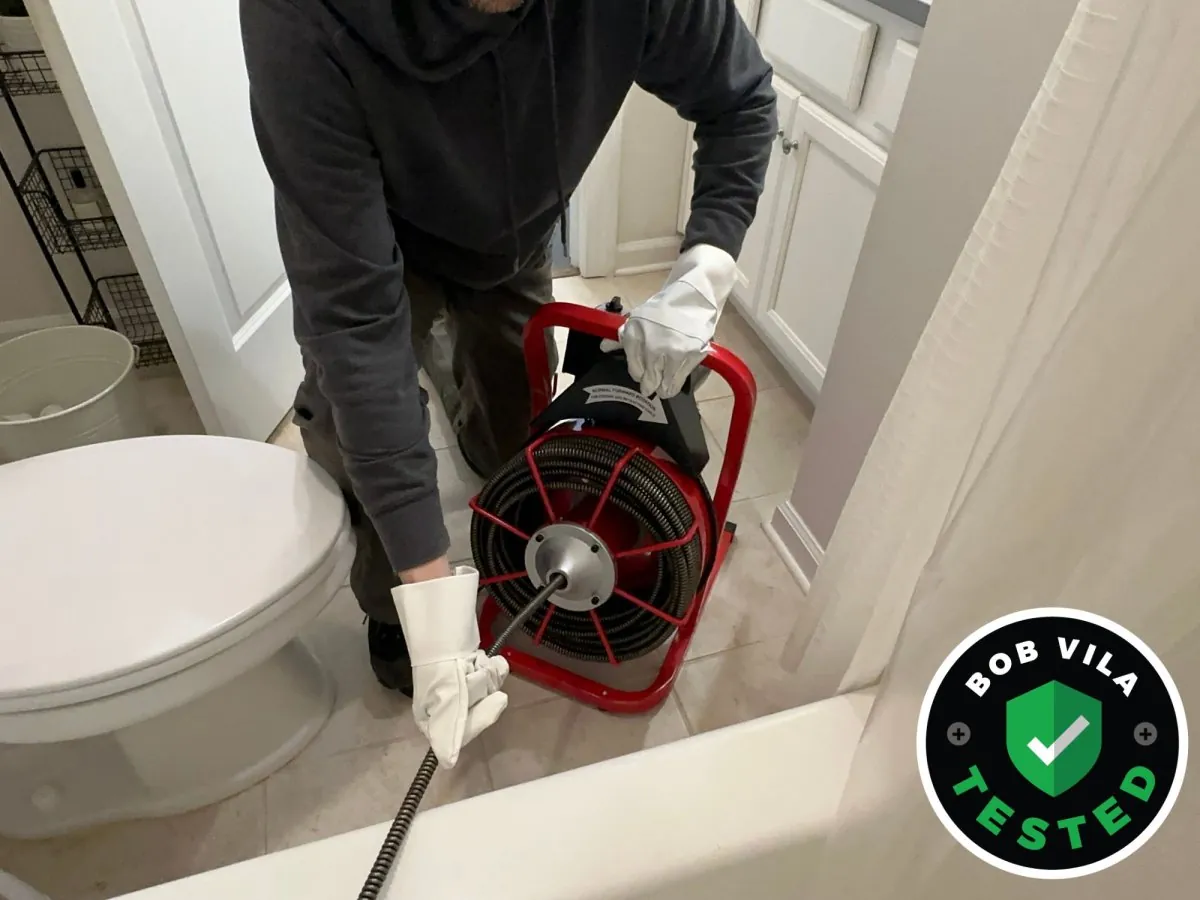
A hand auger uses a simple crank mechanism to rotate a long, flexible spring-like cable into a drain. It suits users who have clogs in sink, tub, or laundry drains that are beyond the reach of a plunger.
Navigates through P-traps and bends in the pipe.
Allows for manual control of the cable rotation speed.
Provides enough length to reach clogs located 5 to 15 feet away.
Breaks apart solid debris that standard tools can’t move.
This tool requires patience, as you must feed the cable slowly while turning the handle. If you encounter a hard stop, don’t force the handle, as this can twist the cable and kink it inside the pipe.
If the cable hits a blockage, pull it back six inches and rotate it firmly to catch the debris before pushing forward again. Most novices make the mistake of pushing the entire length of the cable into the pipe at once. This creates a loop or “bird’s nest” inside the drain, which makes the tool impossible to retrieve without professional help.
Use this tool only for soft clogs like hair or soap buildup. If you’re dealing with a main sewer line blockage or tree roots, a hand auger will fail. You can tell the difference by checking your other drains. If the toilet flushes slowly when the sink is running, the clog is deep in the main line. In that case, stop immediately and call a plumber.
For sink clogs, always remove the P-trap first if possible. Feeding the auger directly through the trap increases the chance of scratching the finish or getting the cable stuck in the tight U-bend. If the water level in the sink remains high, use a bucket to bail out the excess before you begin. Working through standing water makes it difficult to feel when the cable has successfully engaged the obstruction.
Drum Auger
A drum auger stores a long, coiled cable inside a plastic housing, which keeps your workspace clean while you work. It suits those who need to tackle deep, stubborn clogs in main drain lines or secondary pipes that are located far from the opening.
Because the cable retracts directly into the canister, you avoid the common headache of dragging a slime-covered snake across your bathroom floor or carpet. This design allows for 25 to 50 feet of reach, far exceeding the 5-foot limit of standard hand tools.
If your clog is within the first three feet of a sink trap, use a simple plastic zip-tool instead. The drum auger is overkill here and often lacks the flexibility to navigate tight P-traps without scratching the pipe walls. Reserve the drum for blockages located deep within the secondary lines or the main stack.
People often make the mistake of using a drum auger at high speeds, which can cause the cable to whip around and damage the interior of the pipe. Always use a slow, steady rotation. If you feel the cable hit a hard obstruction, stop immediately. Applying more force at high speed will only kink the cable, turning a simple clog into a permanent, pipe-destroying knot.
To determine if you’re dealing with a soft or hard clog, watch the tension on the drum handle. If the cable feeds smoothly but hits a soft, spongy resistance, you’re likely dealing with hair or organic buildup. If the cable stops abruptly with a metallic clink, you have likely hit a tree root or a collapsed pipe section.
In the case of a hard stop, don’t force the rotation. Back the cable out two feet, then advance it again with a gentle, oscillating motion. If the cable fails to pass after three attempts, stop. Continuing to force the auger risks snapping the cable inside the line, which requires a professional plumber to extract.
When you finish, pull the cable out fully and wipe it down with a clean rag and a light coat of machine oil. Never retract a wet, debris-covered cable into the drum. The trapped moisture will cause the internal spring to rust, leading to a brittle, broken tool the next time you need it. Store the unit in a dry, climate-controlled area to maintain the integrity of the steel.
Other drain maintenance options
Drain bladders rely on a simple rubber sleeve that inflates to create a watertight seal. Once seated, the device forces a concentrated jet of water directly into the blockage. Use this tool only at exterior clean-out ports. If you attempt to use one inside your home, the backpressure can easily rupture aged P-traps or force sewage back through secondary fixtures like sinks or toilets.
Chemical cleaners offer a tempting shortcut, but they carry hidden risks for your plumbing infrastructure. Caustic soda or sulfuric acid products generate intense heat during the chemical reaction. If your pipes are made of PVC, this heat can soften the joints and cause permanent leaks. For older homes with cast-iron pipes, these chemicals often accelerate internal pitting and corrosion.
If your drain is completely stopped, skip the chemicals entirely. They will simply sit on top of the clog, increasing the risk of chemical burns when you eventually have to remove the trap by hand. Reserve these cleaners for monthly maintenance on slow-draining sinks, and never use them in a toilet.
If you have a septic system, avoid any product labeled as a heavy-duty drain opener. These chemicals kill the essential bacteria required to break down solid waste in your tank. This leads to rapid sludge buildup and expensive leach field failure. Instead, look for enzymatic cleaners.
These use live cultures to digest grease and organic waste over a period of 24 hours. They work slower than acids, but they protect your pipes and your septic health. If the water hasn’t moved after two enzymatic treatments, the blockage is likely a physical object that no chemical can dissolve.
Selecting the best drain snakes for your clog
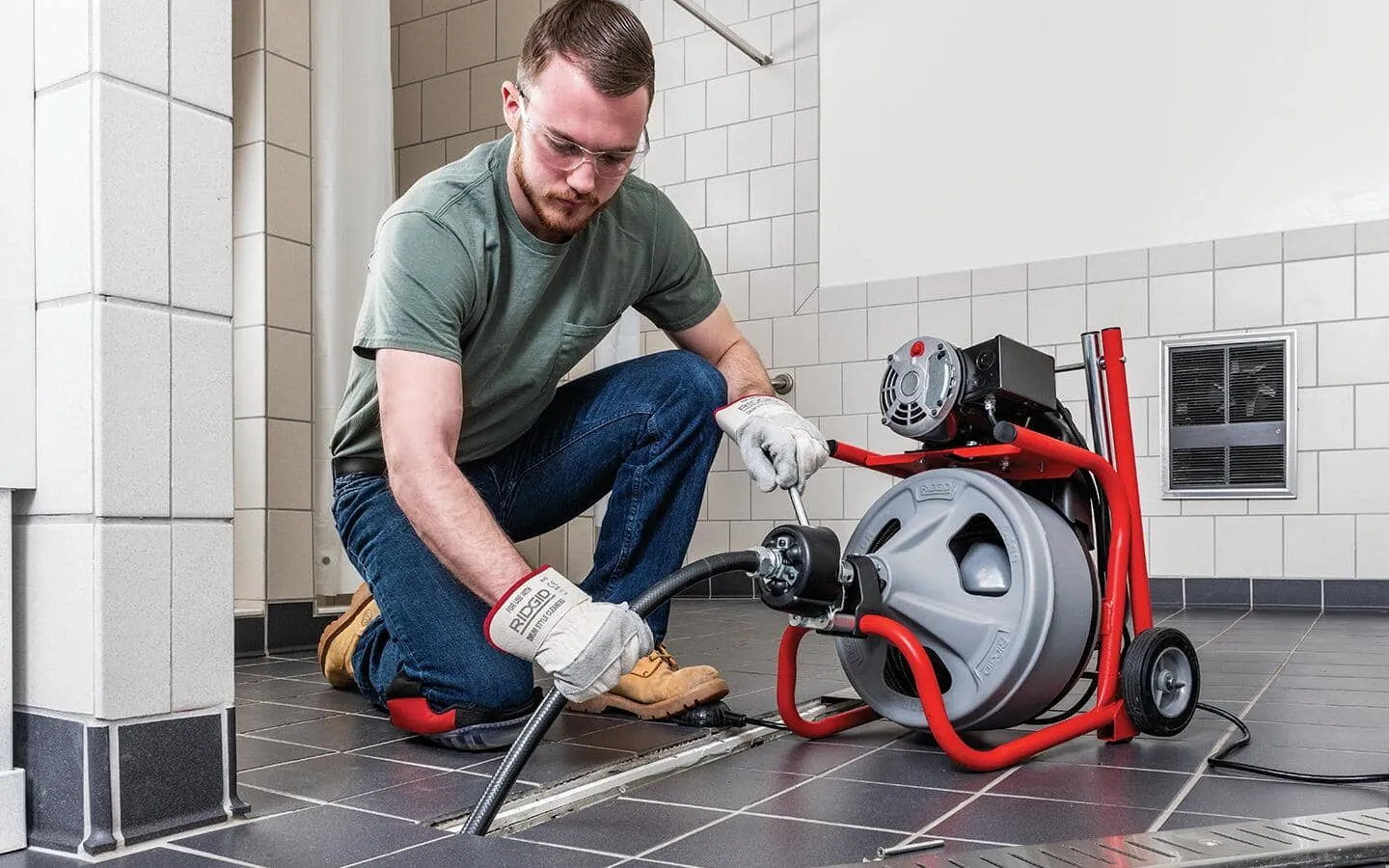
You can decide which tool to use by looking at the location and severity of the blockage. If the clog is in a toilet bowl, a toilet auger is the only safe choice to protect the porcelain. For a sink that’s slow but not completely stopped, start with a sink plunger. If you have already tried a plunger and the water remains stagnant, a hand auger is the next logical step to reach further into the pipe.
If the clog is in a main line or you have tried an auger without success, a drum auger provides the extra reach needed for deeper pipes. These tools generally can’t be combined; you must select one based on the specific drain type. Picking the right tool means you avoid unnecessary labor and keep your plumbing pipes in good working order for years.
Frequently asked questions
Can I use a metal coat hanger instead of a drain snake?
Coat hangers aren’t recommended because they lack the flexibility and reach to navigate pipe curves effectively. Using them often scratches the pipe interior, creating rough spots where future clogs easily build up. It’s safer to use a plunger or contact a professional plumber.
How long should a drain snake be for a home?
A 15-foot to 25-foot cable is usually sufficient for most residential sink and tub clogs. Longer cables are often required for main sewer lines, which are best handled by professionals with industrial-grade equipment. Always check your pipe run length before purchasing a cable.
Is it safe to use a drain snake on PVC pipes?
It’s safe to use a hand or drum auger on PVC pipes if you feed the cable slowly. Forcing the cable can scratch the interior walls, creating sites for future debris to collect. Rotate the handle gently to ensure the cable follows the pipe path.
What happens if the snake gets stuck in the pipe?
If your snake gets stuck, stop rotating the handle and gently pull the cable back while turning it in the opposite direction. Never pull with extreme force, as this can cause the cable to snap or knot inside the pipe. Call a professional if the cable doesn’t release.
How often should I snake my drains?
You should only snake your drains when you notice a significant decrease in water flow or a complete blockage. Snaking is a reactive task, and doing it too often increases the risk of pipe wall wear. Frequent clogs may indicate deeper issues requiring professional inspection.
Does it matter if I use a manual or motorized snake?
Motorized snakes provide high torque that can easily crack older or weaker pipes if used incorrectly. Manual snakes allow you to feel resistance, making them a safer choice for beginners. Only consider motorized options if you have confirmed your pipes can handle the extra force.
Conclusion
Start by identifying the exact fixture and location of your clog to choose the correct tool. You can expect the water to begin draining normally once the obstruction is physically removed or broken into smaller pieces that pass through the line. If you feel extreme resistance while turning the handle or if the water level doesn’t drop after three attempts, stop immediately to avoid breaking the pipe and call a professional plumber for help.