
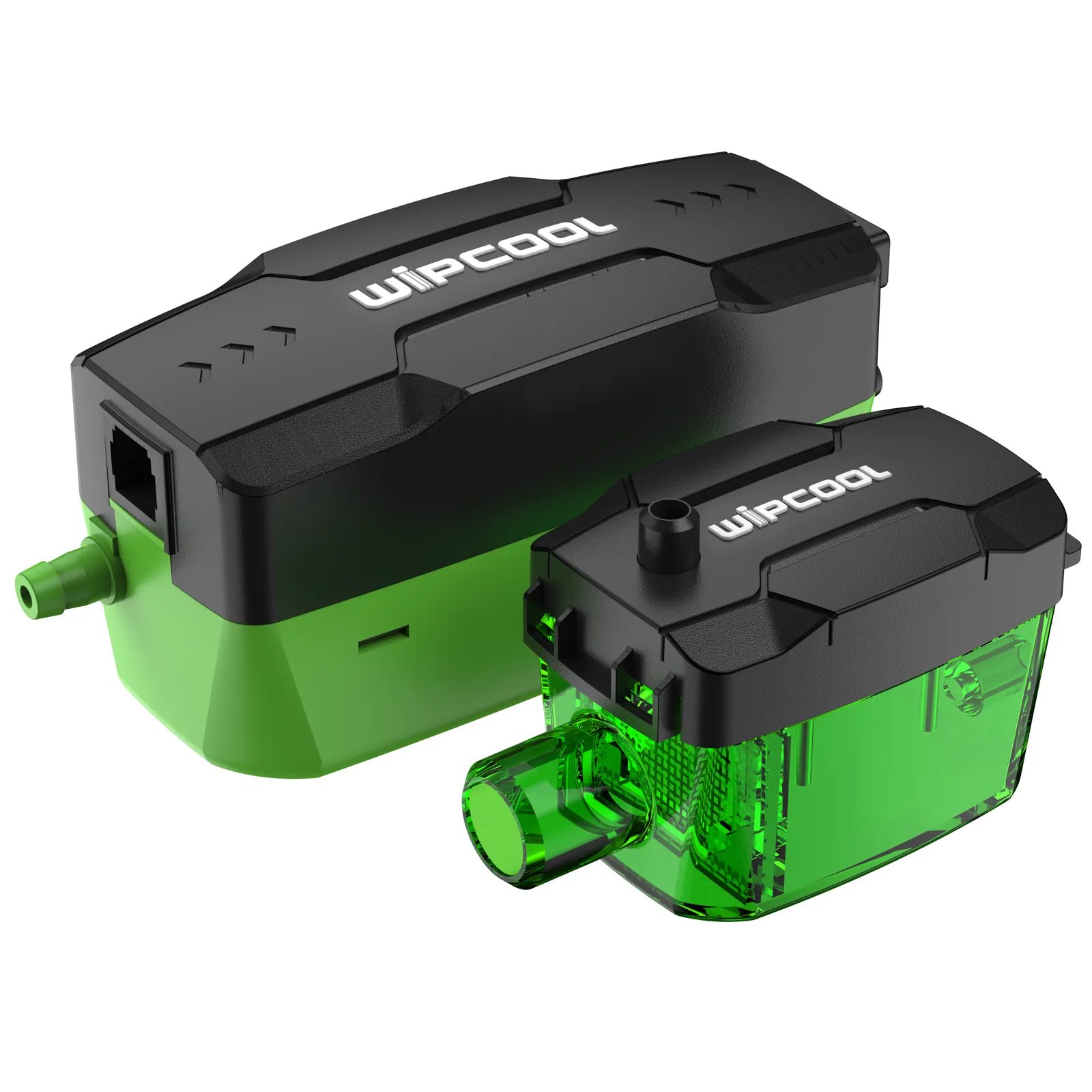
Tank-style units, low-profile models, and high-lift pumps are the best condensate pumps for removing water buildup from HVAC systems and dehumidifiers. These devices automatically sense water levels and push liquid through tubing to a drain, preventing overflow damage in your home or basement. The primary difference between these options is their vertical lift capacity and the physical space they occupy, which dictates whether they fit inside a furnace cabinet or require floor space nearby.
Comparing common condensate pump types
| Pump Type | Best For | Concrete Example |
|---|---|---|
| Tank-style | High-volume drainage | Little Giant VCL-24 |
| Low-profile | Tight crawl spaces | DiversiTech CP-22 |
| High-lift | Long distance pumping | Sauermann Si-83 |
| Wall-mount | Surface installations | Aspen Mini Orange |
Tank-style pumps excel when you need to handle massive volumes of water from multiple units or heavy-duty commercial equipment. Because they feature a large reservoir, they cycle less frequently, which significantly extends the lifespan of the motor. Avoid these if your installation area lacks floor space, as their footprint is substantial.
Low-profile units are the standard for tight crawl spaces or areas beneath low-hanging ductwork where vertical clearance is limited to under five inches. Many installers make the mistake of using these in high-dust environments, which clogs the intake float. If your unit sits near an unfinished basement floor, opt for a model with an external debris filter.
High-lift pumps are necessary when the condensate line must travel vertically more than 15 feet to reach a drain stack. Always verify the “shut-off head” rating on the box to ensure it exceeds your total vertical rise by at least 20 percent.
Wall-mount pumps are designed for high-end residential aesthetics where you can’t hide the pump inside the unit casing. These are silent but sensitive to vibration. Use rubber isolation pads during mounting to prevent the humming noise from transferring through the drywall. If you hear a rattling sound during operation, check that the mounting bracket is level, as these pumps rely on gravity to trigger the internal float switch correctly.
Tank-style condensate pumps
Tank-style units are the industry standard for high-volume drainage in residential basements where floor space isn’t limited. These pumps feature a large reservoir that collects water before triggering the motor, which reduces the number of start-stop cycles and extends the life of the internal components. They’re ideal for homeowners with large dehumidifiers or central air conditioning systems that produce significant amounts of water during humid weather.
Choose a tank-style unit if your system produces more than two gallons of condensate per hour. If you have a high-efficiency furnace, the acidic nature of the condensate can corrode smaller pumps within two seasons. In these cases, look for a model with a neutralizer cartridge attachment to prevent premature housing failure.
Large reservoirs hold more water, meaning the motor runs less often. They handle sediment buildup better than smaller, narrow-tube designs. The float switch mechanism is easy to access for cleaning or replacement. They provide a steady flow rate, typically measured in gallons per hour.
Most homeowners make the mistake of installing these pumps on uneven concrete. This causes the internal float to stick against the side wall, leading to an overflow that ruins basement flooring. Always use a level to ensure the reservoir sits perfectly flat. If you notice the pump running constantly without moving water, check the check valve first. A stuck check valve prevents the pump from priming, forcing the motor to burn out while the reservoir remains full.
A standard tank-style pump should be checked periodically to ensure the float switch moves freely and the intake screen remains clear of debris. The frequency of these checks depends on your specific usage, so refer to your owner’s manual for the recommended maintenance schedule.
Low-profile condensate pumps
Low-profile pumps are designed for installations where height is severely restricted, such as under a low-hanging evaporator coil or inside a tight mechanical closet. These units sacrifice reservoir capacity for a slim form factor, allowing them to slide into spaces where a standard tank would never fit. They suit homeowners who have limited clearance between their equipment and the floor.
They fit in tight gaps as low as 4 inches tall. The compact design allows for discrete placement behind or beneath equipment. Installation is often simpler because they require less vertical clearance for the drain hose. They often include integrated check valves to prevent backflow into the pump.
If you have a space that’s only 5 inches high, you must use a low-profile model. For instance, placing a slim pump under a mini-split air handler usually requires checking that the intake tube is positioned perfectly level to avoid airlocks.
Most low-profile models handle between 1 to 2 gallons per hour. Check your unit’s BTU rating against the manufacturer’s drainage chart before purchasing.
A common mistake is mounting the pump on a surface that vibrates. Because these units lack the heavy, liquid-filled base of a standard tank, they transmit motor hum directly into the floor joists. Place a half-inch rubber isolation pad under the pump to silence the noise.
You can tell if you need this specialized hardware by measuring the distance from the drain pan outlet to the floor. If that distance is under 6 inches, a standard pump won’t allow for the necessary gravity-fed slope of the drain line. In these tight spots, the low-profile unit is your only viable path.
If your drain line runs horizontally for more than 10 feet before reaching a vertical lift, choose a model with a higher head pressure rating. Even if the pump fits the space, it may fail to push the water through a long, flat run. If the line is long, prioritize head pressure over the slimmest possible profile.
High-lift condensate pumps
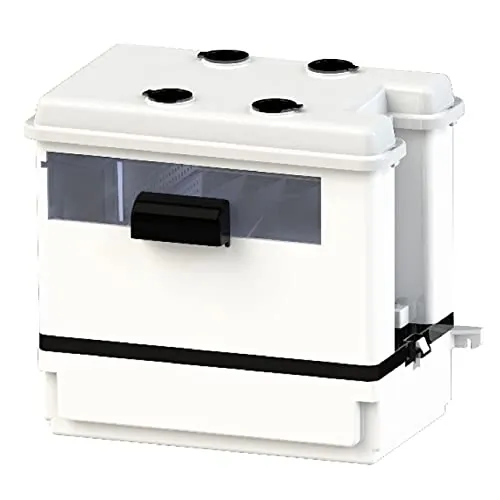
High-lift pumps provide the power necessary to move water vertically over long distances, such as from a basement up to a main-level drain line. These pumps use more robust motors to overcome gravity, which is essential if your drainage point is located 15 to 20 feet above the pump location. They’re for homeowners who lack a nearby floor drain and must pump water up into a ceiling or wall drain.
- They feature high-pressure impellers capable of pushing water through long stretches of tubing.
- Thermal overload protection prevents the motor from burning out during heavy duty cycles.
- They’re built with heavy-duty seals to handle the increased internal pressure.
- The Energy Star requirements for HVAC equipment note that efficiency in moisture removal is vital for total system health.
A high-lift pump isn’t for someone with a standard, ground-level drain, as the extra power is unnecessary and creates more noise. If you need to pump water 20 feet up, ensure your discharge tubing is rated for the pump’s pressure; using thin-walled plastic can lead to leaks or bursting under the strain.
Wall-mount condensate pumps
Wall-mount pumps are designed to be attached directly to the side of an air conditioning unit or a wall, keeping the floor clear. These are specifically for mini-split systems or wall-mounted indoor units where a floor-based pump isn’t feasible. They use a small sensor unit that sits inside the drain pan to detect water levels and trigger the remote pump.
- They keep the floor clear, which is helpful in finished basements or living areas.
- The pump unit can be hidden inside a wall cavity or a plastic line-set cover.
- They’re very quiet because the pump motor is often isolated from the wall.
- Installation requires precise leveling to ensure the sensor detects water accurately.
For example, a wall-mount pump installed on a ductless mini-split system should be tested by slowly pouring 4 ounces of water into the drain pan to confirm the sensor triggers the pump before the pan overflows.
Other condensate pump options
Peristaltic pumps use a rotating roller to squeeze a tube, which is perfect for pumping water that contains small amounts of debris or sludge. These are for environments where the pump might sit idle for long periods and you want to prevent the internal seals from sticking.
Unlike centrifugal models, peristaltic units don’t rely on a spinning impeller, meaning they can run dry without burning out the motor. If your condensate line is prone to algae growth or mineral buildup, this design is the most reliable way to avoid a service call.
Safety switch pumps include a secondary circuit that shuts off the HVAC unit if the pump fails. This is for any system located in a finished room, as it prevents water damage if the pump stops working or the tubing becomes blocked. You should prioritize this safety feature whenever the unit is installed above a finished ceiling or near hardwood flooring. The cost of a new pump is negligible compared to the expense of replacing water-damaged drywall or flooring.
If you’re installing a pump in a basement or utility room with a concrete floor and a nearby floor drain, a standard centrifugal pump is usually sufficient. However, if the unit is tucked inside a closet or attic, the safety switch is a mandatory investment.
Always verify that the secondary circuit is wired to the thermostat’s low-voltage wire rather than the main power line. This ensures the HVAC system cuts out immediately when the reservoir overflows, saving your home from a costly flood.
Choosing the right condensate pump
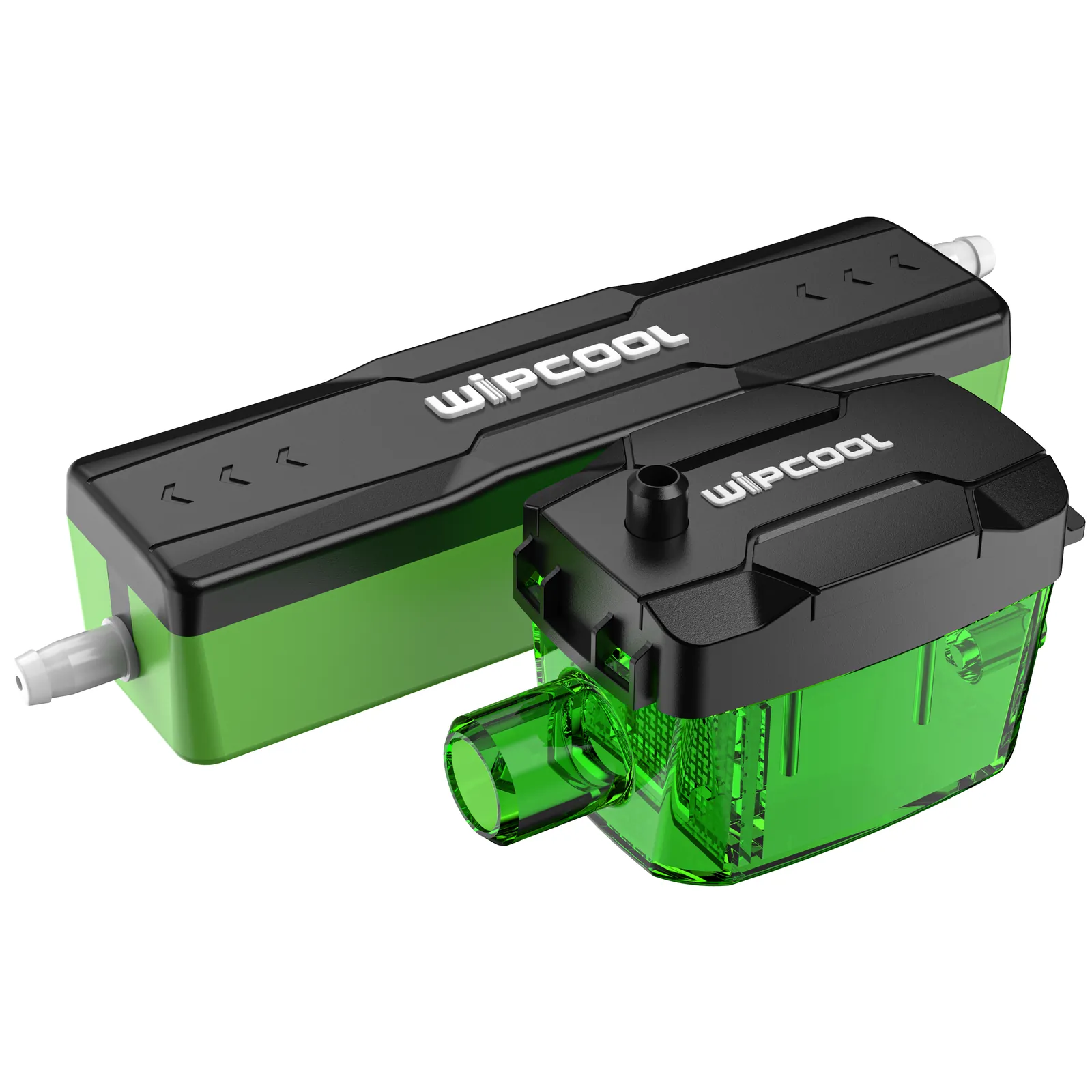
Deciding which pump is yours depends on your vertical lift requirement and the available space. If your drainage point is more than 15 feet above the equipment, you must choose a high-lift pump to ensure the water reaches the destination. If the pump must fit inside a furnace cabinet, you’re limited to low-profile or wall-mount options.
Measure the vertical rise from the pump outlet to the highest point of the discharge line.
If you have a basement drain nearby, a standard tank-style pump is the most reliable and cost-effective choice. These units hold a larger volume of water, which reduces the frequency of motor starts. Frequent cycling is the primary cause of premature pump failure.
If you’re installing in a finished living space, prioritize a quiet, wall-mount unit to keep the installation hidden. These units often use solid-state sensors rather than mechanical floats. Mechanical floats are prone to sticking due to algae growth in the reservoir. If you notice a damp smell near the unit, the float is likely stuck and the reservoir is overflowing.
These choices are generally mutually exclusive. You can’t combine a low-profile pump with a high-lift motor without significantly increasing the risk of premature motor failure. If you’re unsure, check the nameplate for the maximum head pressure. If your total pipe length exceeds 50 feet, add five feet to your vertical lift calculation to account for friction loss. This simple adjustment prevents the pump from running dry against the backpressure of the line.
Frequently asked questions
How long do condensate pumps usually last?
Most condensate pumps last three to five years, depending on usage and water quality. You can extend this lifespan by inspecting the pump annually for slime buildup. Consult your manufacturer’s documentation for specific duty cycle ratings to get a more precise estimate for your model.
Is it safe to install a condensate pump myself?
Homeowners can install a pump if comfortable with basic plumbing, but you must consult a professional if the pump includes a safety shut-off switch. Improper wiring of this switch can void your HVAC warranty. If you lack electrical experience, hire a licensed technician to ensure the circuit is wired correctly.
What happens if a condensate pump fails?
When a pump fails, water will overflow from the drain pan and potentially damage your home. If your pump has a safety switch, the HVAC system will turn off automatically to prevent damage. Without a switch, look for water pooling around the unit or listen for unusual buzzing noises.
How often should I clean my condensate pump?
You should clean your pump periodically to prevent algae and slime from clogging the float switch. The frequency of this maintenance depends on your specific usage, so consult your owner’s manual for the recommended schedule to keep the unit running smoothly.
Can I use a regular hose for the discharge line?
You should only use the specific size and type of tubing recommended by the manufacturer, typically 3/8-inch vinyl, because a standard garden hose is too heavy and creates too much back-pressure. Always check the manual for the required tubing diameter to ensure the pump can move the water efficiently.
Does it matter if the pump isn’t level?
Yes, it matters because most pumps rely on an internal float switch that must be level to trigger correctly. If the pump is tilted, the float may catch or fail to rise, preventing the pump from activating. Use a spirit level during installation to ensure the base is flat and stable.
Why is my condensate pump making a loud noise?
A loud noise usually indicates that the pump is airlocked or the internal impeller is blocked by debris. Try disconnecting the discharge tubing to let trapped air escape. If the noise persists, the motor bearings may be worn out, signaling that the pump is nearing the end of its life.
Conclusion
Begin by measuring the vertical distance between your equipment’s drain outlet and the destination of the water to determine the required lift. Once you have the correct type, install the pump on a level surface and verify the discharge tubing has no kinks or sharp bends.