
Finding the best bathroom trash cans requires balancing aesthetic appeal with practical functionality in a space that’s often small, damp, and prone to high traffic. A quality bin should be compact enough to fit beside a pedestal sink or under a vanity, yet durable enough to withstand the moisture inherent in a bathroom environment. Prices for these household essentials typically range from $15 to $120, depending on the material, capacity, and the inclusion of advanced features like soft-close lids or touchless motion sensors. Whether you’re looking for a minimalist aesthetic or a high-tech solution to keep your space hygienic, understanding the trade-offs between open-top designs, step-cans, and automated models will help you make an informed decision for your home.
Key Takeaways
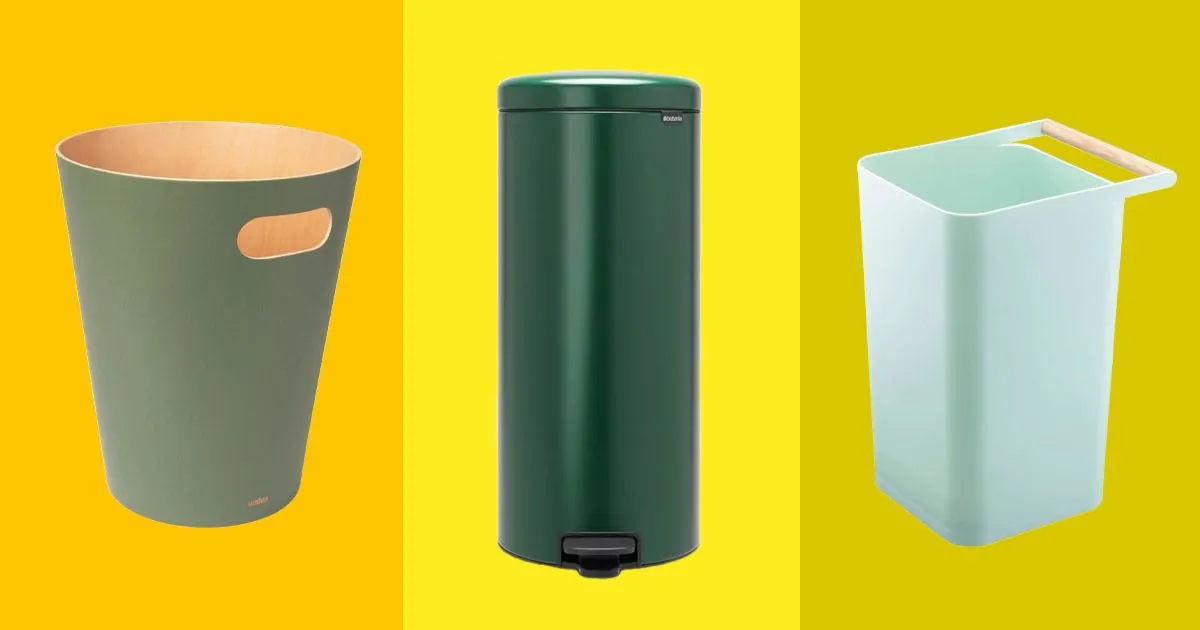
- Measure your available floor space and clearance height before purchasing to ensure the lid opens fully without hitting your vanity or plumbing.
- Prioritize materials like brushed stainless steel or high-quality polypropylene, which resist rust and are easy to sanitize in humid conditions.
- Choose a step-pedal mechanism for hands-free operation to minimize contact with germs when disposing of personal hygiene products.
- Select a model with a removable inner bucket to make cleaning, disinfecting, and bag replacement a seamless, mess-free process.
- Consider the size of your bathroom; a 3- to 6-liter bin is usually sufficient for a powder room, while larger bathrooms may require 10 to 12 liters.
Understanding Trash Can Material Options
The material of your bathroom trash bin dictates how well it will withstand the environment. Bathrooms are high-humidity zones where metal can corrode and cheap plastic can become brittle or stained. Choosing the right material ensures your investment lasts for years.
- Brushed Stainless Steel: This is the gold standard for durability and style. It resists fingerprints and, if treated with a protective coating, prevents rust. It offers a sleek, modern look that matches most bathroom fixtures.
- High-Density Polypropylene: A budget-friendly, lightweight option. High-quality plastic is surprisingly durable, easy to wipe down, and comes in various colors. It’s the best choice if you prefer a non-metallic aesthetic or have young children.
- Powder-Coated Steel: These cans provide a pop of color while offering the robustness of metal. They’re generally resistant to moisture but can chip if dropped, which may eventually lead to rust spots.
- Bamboo or Wicker: These materials add a spa-like, organic feel to a bathroom. However, they’re porous and difficult to sanitize, making them better suited for dry waste like cotton balls or tissues rather than anything damp.
Warning: Avoid placing unlined metal bins directly on stone or marble tile floors, as moisture trapped beneath the base can lead to oxidation marks or rust rings that are difficult to remove from porous surfaces.
Selecting the Right Size and Shape
Space constraints are the primary challenge in bathroom design. A bin that’s too large will feel intrusive, while one that’s too small will require constant emptying. Start by assessing your daily waste volume. If you frequently discard makeup wipes, cotton pads, or bulky personal care packaging, you need a larger capacity.
Ideal Dimensions for Common Layouts
| Bathroom Type | Recommended Capacity | Shape Suggestion |
|---|---|---|
| Powder Room | 3–5 Liters | Slim, rectangular |
| Guest Bathroom | 5–8 Liters | Cylindrical or oval |
| Primary Bathroom | 10–12+ Liters | Rectangular or corner |
Pro Tip: Look for “slim-profile” or “narrow” designs if your trash can needs to sit in the tight gap between your toilet and the vanity cabinet. These models often feature a vertical orientation to maximize volume without sacrificing floor space.
Evaluating Opening Mechanisms
How you interact with your trash can matters, especially in a shared bathroom. The opening mechanism impacts both convenience and hygiene. A hands-free design is generally preferred to reduce the spread of bacteria.
- Step-Pedal Lids: These are the most reliable option. A mechanical lever opens the lid when you press the pedal with your foot. Because there are no batteries required, they’re highly dependable and long-lasting.
- Soft-Close Lids: A subset of pedal bins, these feature a hydraulic damper that prevents the lid from slamming shut. This is a quiet, premium feature that adds a sense of luxury to the bathroom experience.
- Touchless Motion Sensors: These use infrared technology to open the lid when you wave your hand over the sensor. They’re the most hygienic choice but require battery maintenance and have more electronic components that could eventually fail.
- Open-Top or Swing-Top: These are the simplest designs. While they offer the easiest access, they don’t hide the trash from view or contain odors, which might be a concern for some users.
Comparing Popular Brands and Models
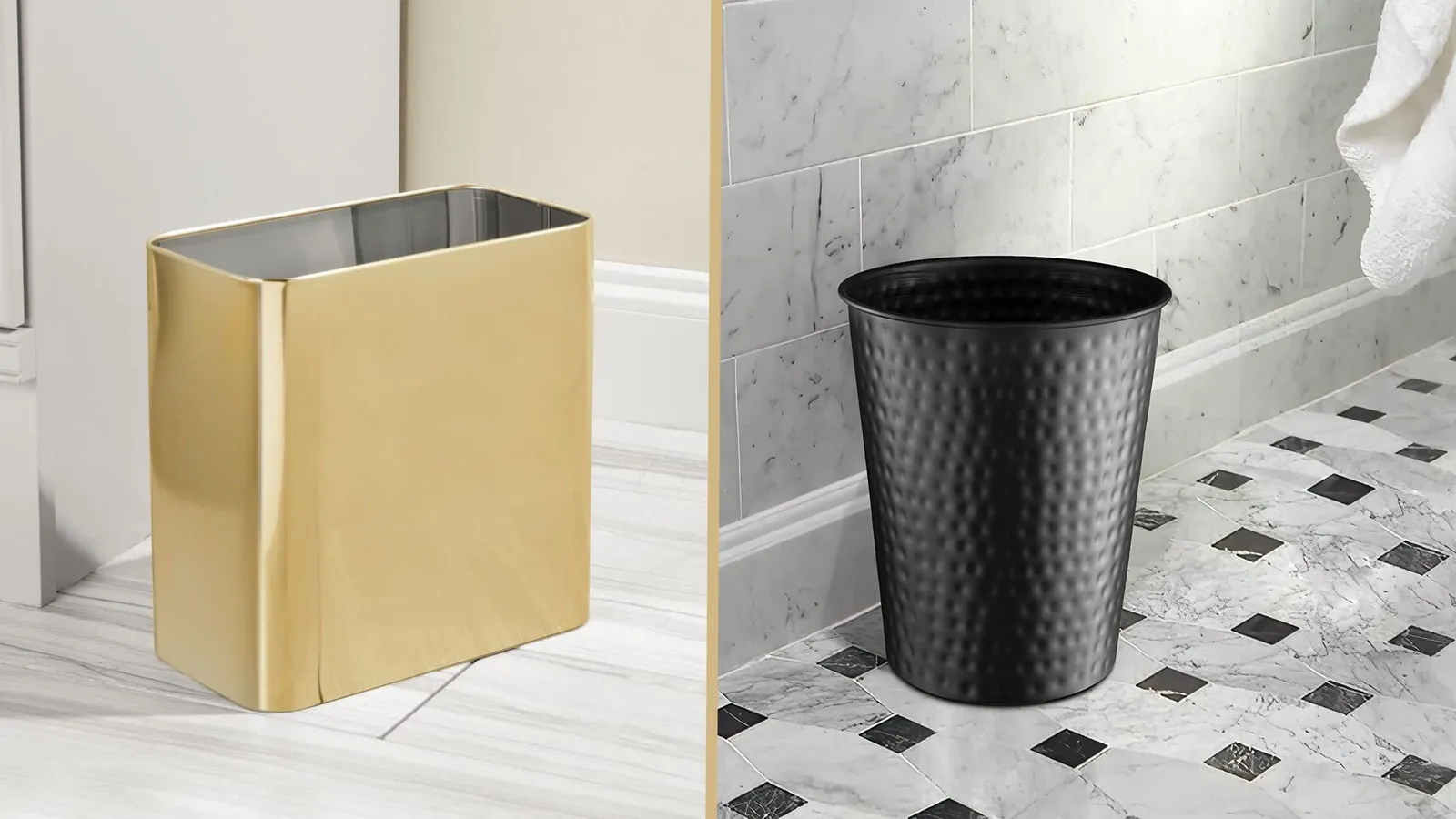
When shopping, you’ll encounter several industry leaders known for their engineering and design standards. These brands offer consistent performance and reliable hardware.
- Simplehuman: Famous for their stainless steel step-cans with patented soft-close technology. They offer a wide range of sizes specifically designed for tight spaces.
- Brabantia: Known for their Dutch design, these cans are durable, often featuring a unique “motion control” lid that closes silently and smoothly.
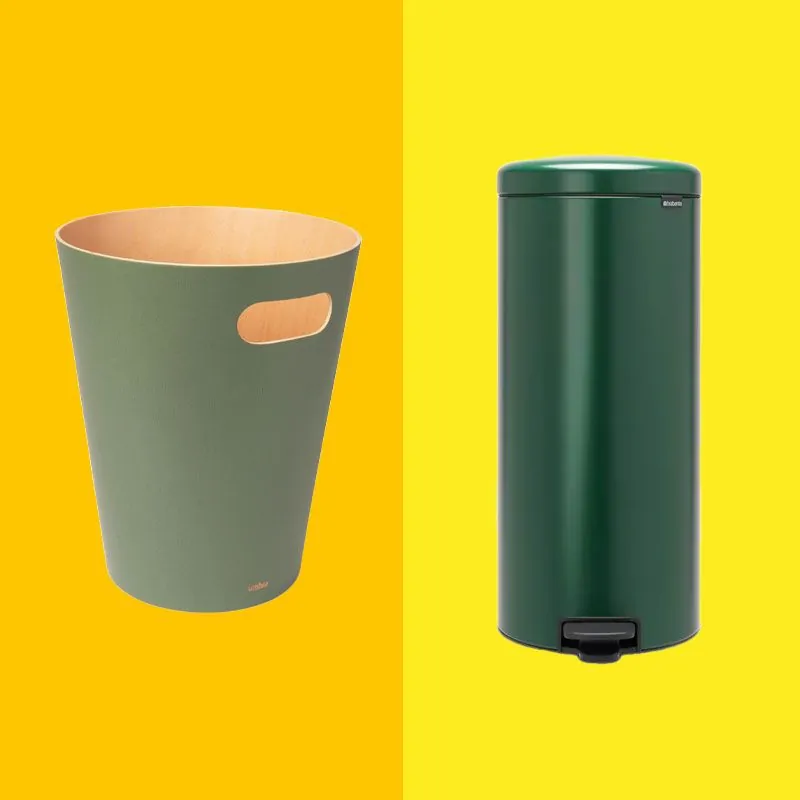
- Umbra: A fantastic choice for those looking for modern, minimalist aesthetics. They offer a variety of plastic and metal options that are both stylish and functional.
- Rubbermaid: The go-to for heavy-duty, utilitarian needs. Their products are built to last and are very easy to clean, often featuring a classic, unobtrusive design.
How Much Do They Cost?
The price of a bathroom trash can depends heavily on the brand, the technology, and the materials used. You can find basic plastic bins for as little as $10, while high-end automated stainless steel models can reach $150 or more.
Price Tier Breakdown
| Tier | Price Range | Expected Features |
|---|---|---|
| Budget | $12–$25 | Plastic, open-top or basic swing-top |
| Mid-Range | $30–$65 | Stainless steel, step-pedal, soft-close |
| Premium | $70–$130 | Motion sensors, fingerprint-proof coating |
Maintaining Hygiene and Longevity
Regular maintenance is essential for bathroom trash cans because they live in a high-moisture environment. Even the most expensive bin will collect residue and odors if it isn’t cleaned periodically. According to the United States Environmental Protection Agency, keeping surfaces clean is a vital component of maintaining a healthy indoor environment and managing potential allergens or mold growth.
- Use Liners: Always use a bag that fits the bin properly. A bag that’s too small will fall into the bin, while one that’s too large will look messy.
- Wash the Bucket: If your bin has an inner plastic bucket, remove it once a month to wash it with warm, soapy water. This removes any bacteria or liquids that might have leaked from the trash.
- Sanitize the Exterior: For stainless steel bins, use a microfiber cloth and a mild stainless steel cleaner to keep the surface free of fingerprints and water spots.
- Deodorize: If the bin starts to smell, place a small baking soda pack or a specialized odor-neutralizing disk at the bottom of the inner bucket.
Are Motion-Sensor Bins Worth It?
Motion-sensor trash cans provide a touchless experience that’s undeniably convenient. They’re particularly useful if your hands are full or if you’re trying to minimize contact with surfaces after handling personal care products. However, they do come with trade-offs.
- Pros: High hygiene level, “cool” factor, prevents the lid from being left open accidentally.
- Cons: Requires batteries or recharging, sensors can be triggered accidentally, more expensive than manual models, and the electronic components are susceptible to water damage if the bin is placed too close to a shower.
If you have a large family or a high-traffic bathroom, the touchless feature is a significant benefit. If you’re outfitting a guest bathroom or a small powder room, a simple pedal bin is likely more than sufficient and will last longer without maintenance.
Essential Features for Small Bathrooms
When you have limited square footage, every inch counts. Look for features that help the bin “disappear” into the room’s design while still being accessible.
- Wall-Mounted Bins: Some models are designed to be mounted to the inside of a vanity door or directly onto the wall. This keeps the floor clear and makes cleaning the floor underneath much easier.
- Slim Rectangular Footprint: A rectangular bin will sit flush against a wall or cabinet much better than a round bin, which leaves wasted space behind it.
- Color Matching: If you can’t hide the bin, choose one that matches your wall color or vanity finish. This makes the item visually recede rather than acting as a focal point.
- Lid Lock: If you have curious pets or small children, a lid lock or a secure-closing mechanism is essential to prevent them from getting into the trash.
Related guides
Frequently Asked Questions
What is the ideal size for a bathroom trash can?
Most standard bathrooms do well with a bin between 3 and 6 liters. This size is large enough to hold daily waste like cotton swabs and tissues without being so large that it takes up too much floor space. If you have a large primary bathroom or a family of four, you might prefer a 10- to 12-liter bin to avoid frequent trips to the main kitchen trash.
Should I choose a plastic or metal bin?
Plastic bins are lighter, cheaper, and won’t rust, making them ideal for high-humidity areas near showers. Metal bins, particularly stainless steel, are more durable and provide a more polished, upscale appearance. If you choose metal, ensure it has a fingerprint-resistant finish to keep it looking clean. If you choose plastic, look for high-quality, thick-walled materials that won’t crack under pressure.
How do I stop my bathroom bin from smelling?
The most effective way to prevent odors is to use a bin with a tight-fitting lid. Additionally, ensure you’re using the correct size trash liner to prevent leaks. Periodically cleaning the inner bucket with disinfectant spray or soapy water is crucial. For persistent odors, place a small, replaceable odor-absorbing charcoal pouch or a baking soda packet inside the bottom of the bin.
Are step-pedal bins better than motion-sensor ones?
Step-pedal bins are generally more reliable because they use mechanical parts that don’t require batteries or complex electronics. They’re excellent for long-term use and are less likely to break. Motion-sensor bins offer superior hygiene by allowing for a completely hands-free experience, which is a major advantage in a bathroom, but they do require more maintenance and have a higher initial cost.
Can I put a trash can inside a vanity cabinet?
Yes, and it’s an excellent way to save space and keep the room looking tidy. You can buy specialized under-sink trash cans that mount to the cabinet door, swinging out when you open it. This keeps your waste hidden from view entirely. Ensure you measure the interior dimensions of your vanity and the clearance around your plumbing before purchasing a mounting kit.
Conclusion
Choosing the right bathroom trash can is a simple way to improve the organization and cleanliness of your daily routine. Start by evaluating the specific space constraints of your bathroom and your personal preference for hygiene versus maintenance. Once you identify the size and style that fits your layout, look for a model with a removable inner bucket to ensure that your new bin remains as easy to clean as it’s to use.