
Selecting the right bathroom accessories can transform a functional space into a cohesive, organized sanctuary, and finding the best toilet paper holders is the first step in that process. While the market offers endless designs, the ideal choice depends on your installation preference, the available wall space, and your desired aesthetic. Prices for these fixtures typically range from $12.00 to $185.00 depending on the material quality, brand reputation, and whether you opt for a basic spring-loaded spindle or a high-end luxury finish.
Key Takeaways
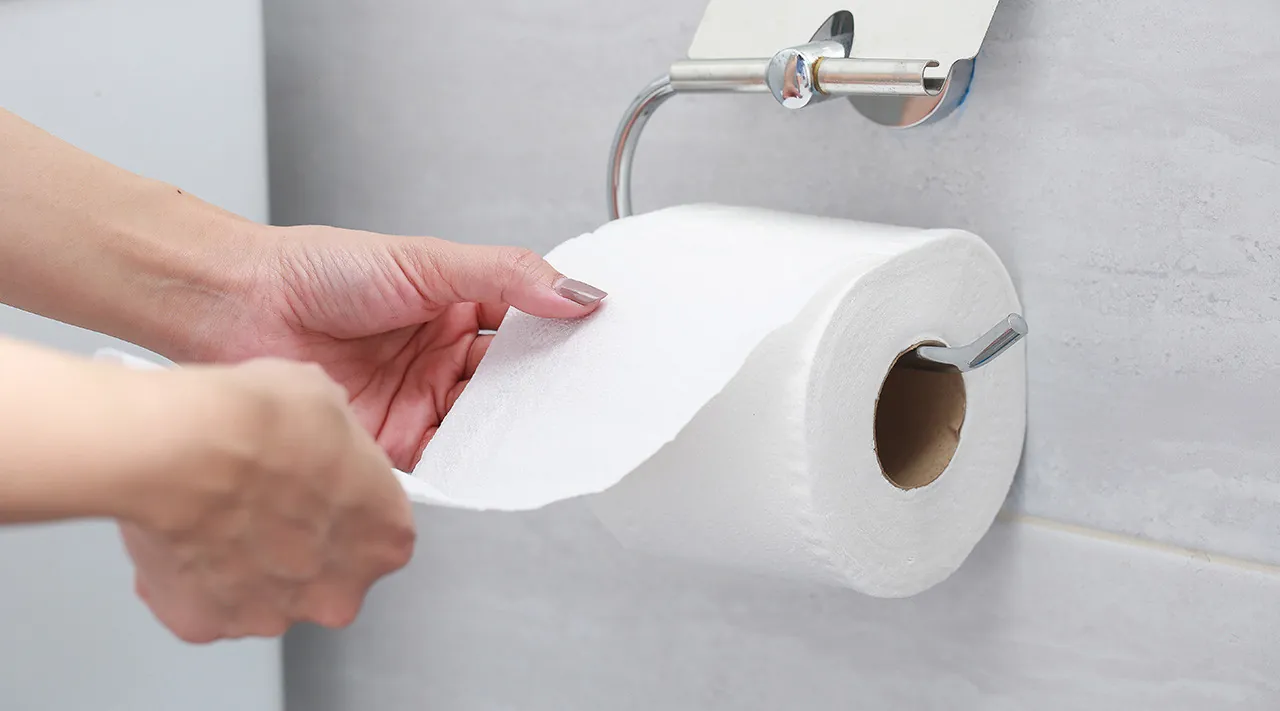
- Measure your wall space before purchasing to ensure the fixture fits comfortably without hitting cabinets or baseboards.
- Spring-loaded rollers offer secure roll retention, while open-arm designs allow for the fastest, most convenient roll changes.
- Always use appropriate wall anchors for drywall installations to prevent the hardware from pulling out over time.
- Match the finish of your holder to your existing faucet and shower fixtures for a professional, cohesive look.
- Consider freestanding units if you have a small bathroom or if you want to avoid drilling holes into your tile.
What Types of Holders Exist?
There are several distinct categories of paper management systems available today. The primary difference lies in how the roll is mounted and how much floor or wall real estate the unit occupies. Understanding these mechanical differences will dictate the long-term utility of your chosen fixture.
Wall-Mounted Spring-Loaded Holders
These are the traditional models featuring a tension-loaded rod that sits inside two brackets. They provide the most secure grip, ensuring the roll doesn’t accidentally slip off during use. They’re perfect for high-traffic bathrooms where stability is the primary concern.
Open-Arm Single-Post Holders
These designs have become increasingly popular due to their minimalist aesthetic. They feature a single mounting point with a horizontal arm that typically angles upward at the end. This design allows for a “slide-on, slide-off” action, which is significantly faster than dealing with a spring-loaded rod.
Recessed Toilet Paper Holders
Designed to sit flush with the wall, these are ideal for small bathrooms where every inch of clearance matters. They require a cutout in the drywall or tile, making them a more permanent installation that offers a sleek, unobtrusive profile.
Freestanding Floor Stands
Perfect for renters or those who prefer not to drill into their walls, floor stands sit directly on the bathroom floor. Many include an integrated reserve storage column, which is highly practical for keeping extra rolls within arm’s reach.
| Holder Type | Installation Difficulty | Best For | Space Impact |
|---|---|---|---|
| Spring-Loaded | Moderate | Family Bathrooms | Low |
| Open-Arm | Simple | Minimalist Decor | Low |
| Recessed | High | Small Bathrooms | Zero |
| Floor Stand | None | Renters | High |
Which Materials Last the Longest?
The longevity of your bathroom hardware is directly tied to the materials used during the manufacturing process. Bathrooms are high-humidity environments, and inferior metals will succumb to corrosion or pitting within a few years.
- Solid Brass: This is the gold standard for bathroom hardware. It’s naturally resistant to rust and provides a heavy, premium feel. It’s often plated with chrome, nickel, or oil-rubbed bronze.
- Stainless Steel: Known for its exceptional durability and resistance to moisture, stainless steel is an excellent choice for modern, industrial-style bathrooms. It’s less prone to scratching than softer metals.
- Zinc Alloy: Often used in lower-priced fixtures, zinc is lightweight and cost-effective. However, it’s more susceptible to damage if the finish is compromised, which can lead to rapid oxidation in a damp environment.
- Aluminum: Lightweight and corrosion-resistant, aluminum is frequently found in budget-friendly or utility-focused designs. It isn’t as sturdy as brass or steel but performs well in low-impact settings.
Warning: Always confirm that the mounting hardware included in the package is compatible with your specific wall material, as using generic screws on ceramic tile can cause cracking.
How to Choose the Best Style
Selecting a style should be governed by your existing bathroom hardware. If your vanity handles and shower head are matte black, a bright gold toilet paper holder will likely look out of place.
The Modern Aesthetic
If your home features sharp lines, clean geometry, and monochromatic color schemes, look for square-back plates and minimalist, open-arm designs. Brands like Kohler and Moen offer extensive collections that focus on geometric precision and hidden mounting screws.
The Traditional Aesthetic
Traditional designs often incorporate ornate details, rounded edges, and decorative backplates. These look best when finished in polished brass or oil-rubbed bronze to complement classic vanity styles and pedestal sinks.
The Transitional Aesthetic
Transitional styles bridge the gap between modern and traditional. They often feature soft curves and balanced proportions that work in almost any setting. These are the “safest” choices if you plan on updating other parts of your bathroom in the future.
Essential Installation Steps
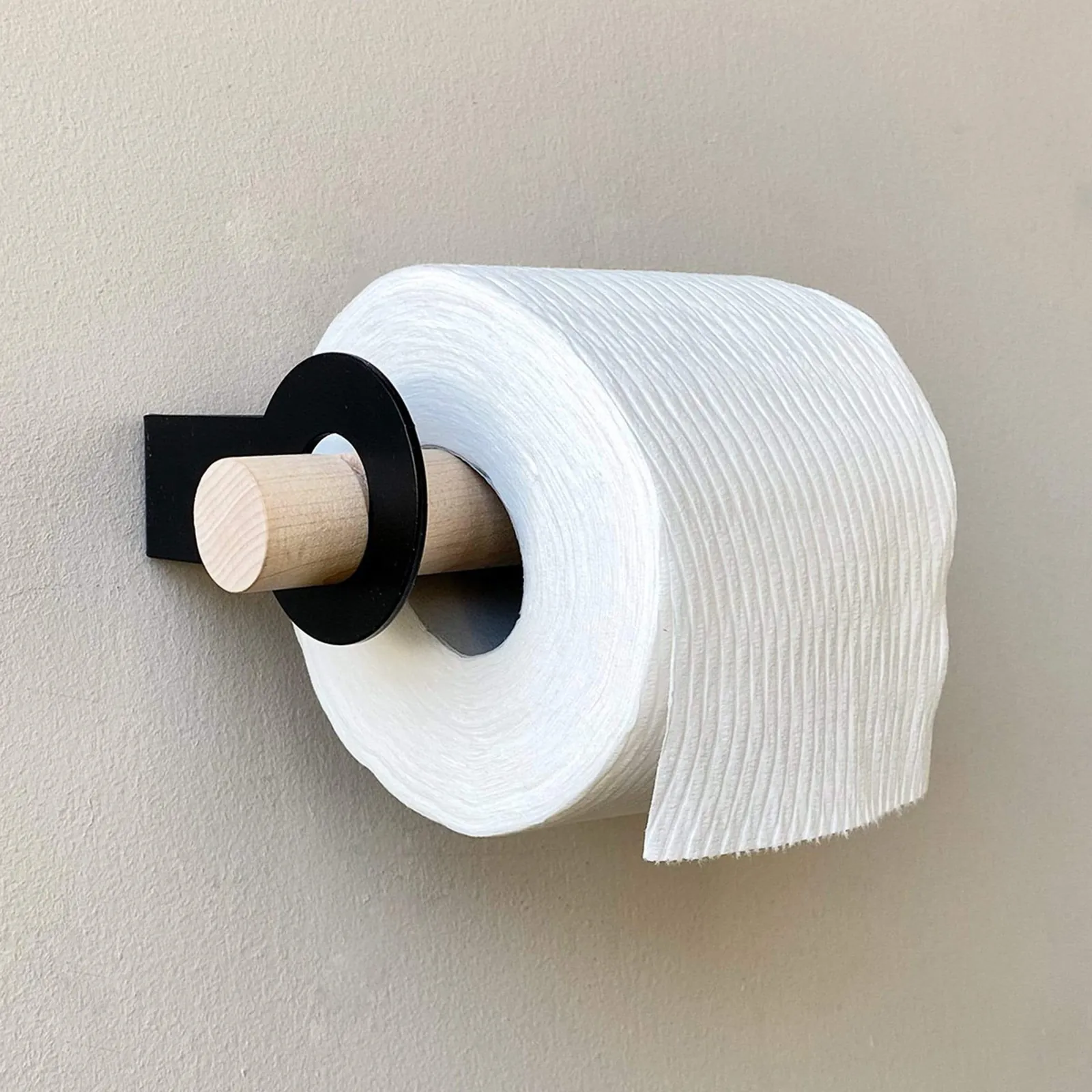
Proper installation ensures that your holder remains secure for years. A loose holder isn’t only an annoyance but can also damage the drywall behind it.
- Locate the Studs: If possible, align your installation with a wall stud. Use a stud finder to identify the vertical wood supports behind the drywall.
- Mark the Template: Use the provided paper template to mark your drill holes. Ensure the level is perfectly horizontal before making your final marks.
- Prepare the Surface: If installing on tile, use a diamond-tipped drill bit and apply masking tape over the spot to prevent the bit from sliding.
- Insert Anchors: If you can’t hit a stud, use high-quality toggle bolts or plastic expansion anchors.
- Secure the Brackets: Fasten the mounting brackets to the wall, then slide the holder base over the brackets and tighten the set screw.
Maintaining Your Bathroom Hardware
To keep your fixtures looking brand new, avoid using abrasive sponges or harsh chemical cleaners. Most manufacturers recommend a simple routine to preserve the finish.
- Daily Wipe-Down: Use a soft, damp microfiber cloth to remove water spots after each use.
- Weekly Cleaning: Use a mild soap solution and water. Rinse thoroughly and dry immediately with a clean towel to prevent mineral buildup.
- Avoid Abrasives: Never use steel wool or scouring pads, as these will permanently scratch the finish and expose the base metal to moisture.
- Check Screws: Every six months, check the set screws on the underside of the mounting plate. They can loosen over time due to the weight of the toilet paper roll and the tension of pulling it.
Pro Tip: If your set screw feels tight but the fixture still wobbles, apply a small amount of thread-locking fluid to the screw threads before tightening to keep it secure against daily vibrations.
Comparing Top Market Brands
When comparing brands, look beyond the initial price tag. Higher-end brands often provide superior mounting hardware and better warranty coverage, which can save you money on replacements in the long run.
| Brand | Price Range | Warranty Type | Best Known For |
|---|---|---|---|
| Kohler | $35 – $160 | Lifetime Limited | Engineering and Finish |
| Moen | $20 – $120 | Lifetime Limited | Ease of Installation |
| Delta | $18 – $95 | Lifetime Limited | Budget-Friendly Variety |
| Gatco | $40 – $140 | 10-Year/Lifetime | Designer Aesthetics |
| Allied Brass | $60 – $185 | Lifetime | Premium Solid Brass |
Troubleshooting Common Holder Issues
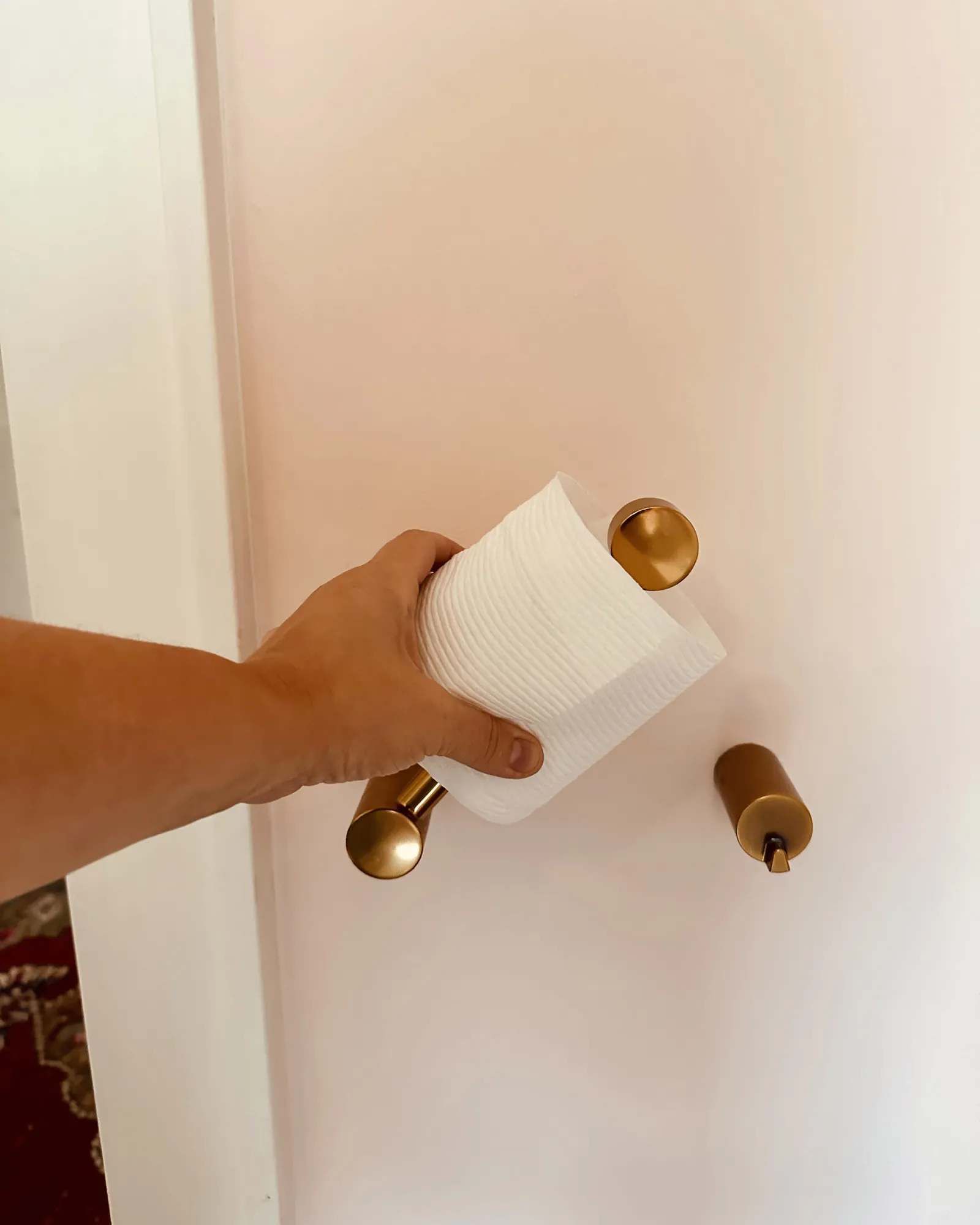
Even the best fixtures encounter problems over time. Most issues are minor and can be resolved with basic household tools.
The “Wobble” Problem
If your holder moves when you pull the paper, the set screw is likely loose. Locate the small hex screw on the bottom or side of the mounting post and tighten it using an Allen key. If the screw is stripped, you may need to replace it with a matching size from a local hardware store.
The “Drifting” Roll
If your roll keeps falling off the spindle, the internal spring mechanism may have lost its tension. If it’s a spring-loaded model, you can often buy a replacement spindle without needing to replace the entire wall-mounted bracket.
The “Stuck” Finish
If your finish has become dull or spotted, you may have a buildup of mineral deposits from hard water. A mixture of white vinegar and water can help dissolve these deposits. Soak a cloth in the mixture, wrap it around the fixture for ten minutes, then rinse and dry.
Related guides
- Bidet vs Toilet Paper Cost Savings: Calculate Your Payback in 2026
- 10 Best Toilet Seat Oak Wood Picks for Style and Durability in 2026
- 10 Best Drain Cleaner for Toilet Paper Picks to Clear Clogs in 2026
Frequently Asked Questions
Should I choose a single or double holder?
A double holder is excellent for busy bathrooms or guest suites where you want to ensure a backup roll is always available. However, they’re wider and require more wall space. If your bathroom layout is cramped, a single holder is usually sufficient and offers a cleaner, less cluttered look.
Can I install a holder on a glass shower wall?
It isn’t recommended to drill into tempered glass, as it can shatter. If you need a holder near a glass panel, look for suction-cup models or freestanding floor stands. If you must mount it on glass, consult a professional glazier who can use specialized industrial adhesives that are safe for glass surfaces.
Do I need a professional to install these?
Most toilet paper holders are designed for easy DIY installation. If you have basic tools like a drill, a level, and a screwdriver, you can install one in under thirty minutes. The only exception is recessed holders, which require cutting into the wall and may involve plumbing or electrical lines behind the drywall.
Is stainless steel better than chrome?
Chrome is a plating over a base metal, while stainless steel is a solid alloy. Chrome provides a high-shine, mirror-like finish that’s easy to clean but can peel if the plating is thin. Stainless steel is more durable and resistant to corrosion, making it better for long-term use in humid environments, though it usually has a slightly brushed appearance.
How high should the holder be placed?
The standard height for a toilet paper holder is approximately twenty-six inches from the floor. You should also position it eight to twelve inches in front of the toilet bowl edge for optimal reach. Always mock up the position with a test roll before drilling to ensure the placement feels natural for your specific sitting position.
Conclusion
Choosing the right fixture is about balancing your design preferences with the practical realities of your bathroom layout. Start by measuring your available wall space and identifying the material that best resists your local water conditions. Once you have selected your preferred style and finish, gather your tools and follow the installation steps above to ensure a secure, long-lasting update to your home.