
This foosball balls guide size weight types covers the three main standards: 28mm/40g, 31mm/50g, and 36mm/70g. Most home tables use the smaller 28mm ball because it fits standard rods. Professional tournaments often switch to larger sizes for better control and speed. The right choice depends on your table’s rod holes and playing style. Picking the wrong size makes the game feel sluggish or too fast.
What foosball balls are
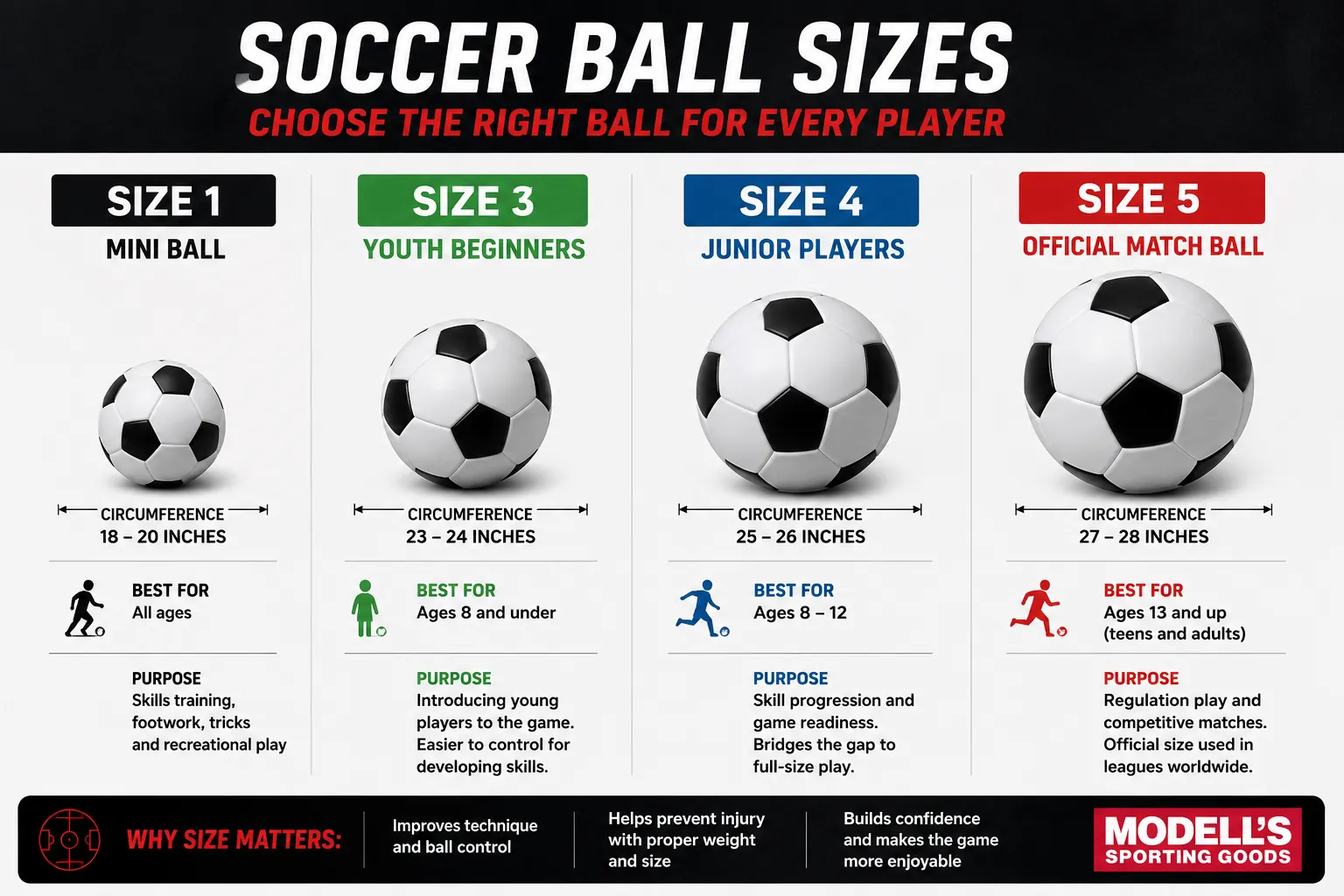
Foosball balls are hard plastic spheres designed to roll smoothly on a polished wood or synthetic surface. They come in specific diameters and weights to match the mechanics of different tables. Using the correct size ensures the ball stays on the rods during kicks and passes. A common misconception is that any round ball works fine. This isn’t true because mismatched sizes cause jamming or poor rebound angles.
The physics here is simple: heavier balls carry more momentum but require more force to move. Lighter balls accelerate faster but lose energy quickly on impact. Table manufacturers design their rod spacing and hole sizes around one specific diameter. If you deviate from that spec, the ball won’t fit through the guides properly. Always check your table manual first before buying new balls.
How to pick the right ball
Choosing the correct ball involves checking your table specs and your play style. Here’s how to do it step by step.
- Check your table’s rod holes. Measure the diameter with calipers if possible. Standard home tables usually have 28mm holes.
- Identify the official tournament size. Many leagues use 31mm or 36mm balls for better visibility and control.
- Match the weight to the size. Heavier balls (50g-70g) offer stability. Lighter ones (40g) are faster but less predictable.
- Test the fit. Drop a ball into a rod hole. It should slide through easily without getting stuck.
- Consider your skill level. Beginners benefit from slightly heavier balls that don’t bounce away as easily.
- Buy in bulk. Balls get lost or cracked often. Keep extras on hand for quick swaps.
- Clean them regularly. Dust affects grip and roll. Wipe them with a dry cloth after each session.
The single biggest judgment call is balancing speed against control. If you want fast-paced action, go lighter. If you prefer precise passing, choose a heavier option.
Key numbers and settings at a glance
Here are the main variations you’ll face when shopping for balls. Use this table to compare options quickly.
| Situation | What to use | How long | What to watch for |
|---|---|---|---|
| Standard home table | 28mm / 40g | 2-3 years | Watch for cracks near impact points |
| Competitive league play | 31mm / 50g | 1-2 years | Check for smoothness loss over time |
| Large commercial table | 36mm / 70g | 1 year | Ensure rods can handle the extra weight |
| Outdoor or travel set | Soft plastic variant | Varies | Avoid hard plastic on rough surfaces |
| Beginner practice | 28mm / 40g | 3+ years | Focus on consistent rolling motion |
These figures assume standard indoor conditions. Extreme heat or cold can affect plastic brittleness. Replace balls that show visible wear to maintain fair play.
What separates good results from bad ones
Experienced players know that ball condition matters as much as size. A worn ball has uneven surfaces that change its trajectory unpredictably. Beginners often ignore this until they start losing matches. They blame their aim instead of checking the equipment.
Preparation starts with storage. Keep balls in a sealed container to prevent dust buildup. Dust acts like sandpaper, wearing down the glossy finish. Once the surface gets rough, the ball skids instead of rolls. This ruins passing accuracy completely.
Order matters too. Don’t mix old and new balls in the same game. Variations in weight and texture create inconsistent behavior. If one ball feels heavier, it will dominate the play. Stick to a matched set from the same batch. Check the seams between games. Any gap means internal damage.
Common problems and quick fixes
Sometimes things go wrong during play. Here’s what to look for and how to fix it.
| What you notice | What it usually means | What to do first |
|---|---|---|
| Ball gets stuck in rod | Wrong size or debris | Remove and clean rod holes |
| Unpredictable bounce | Surface wear or crack | Replace the affected ball |
| Too much noise | Hard plastic on wood | Switch to softer material type |
| Sluggish movement | Dust accumulation | Wipe balls with dry cloth |
| Rolling off table | Excessive speed or tilt | Adjust table level or use heavier ball |
If cleaning doesn’t help, the ball might be warped. Throw it out and try a fresh one. Consistent issues often point to table alignment rather than the ball itself.
The rules that apply
Official foosball rules vary by organization. The International Table Soccer Federation (ITSF) sets standards for competitive play. They specify exact dimensions for tournament balls. Home players don’t need to follow these strictly, but it helps to know the limits.
Most home tables allow any ball that fits through the rods. However, using non-standard sizes can void warranties. Check your manufacturer’s guidelines before switching. Some clubs enforce strict rules to ensure fairness. If you join a league, ask about their preferred ball type.
For safety, avoid glass or metal balls. These can damage table surfaces or injure players. Stick to approved plastic materials. The International Table Soccer Federation provides detailed specifications for serious competitors.
Casual games rarely demand such accuracy. It’s lighter and easier to control for beginners.
Warranty issues often arise from using oversized balls. Manufacturers design rod gaps tightly to prevent jamming. An extra millimeter can cause friction damage over time. Inspect your table’s manual for specific size caps. Ignoring this advice might cost hundreds in repairs.
League play requires strict adherence to material standards. Wooden balls are banned in most professional circuits. They create uneven wear on the playing field. Plastic spheres maintain their shape longer under stress. Always verify the material composition before purchasing bulk supplies.
Safety concerns extend beyond surface damage. Hard materials can shatter upon impact. Shards pose a risk to nearby spectators. Soft rubber alternatives exist but lack bounce. Choose high-density polyethylene for a balance of durability and safety.
Keeping it working afterwards
Maintenance extends the life of your balls significantly. Store them in a cool, dry place away from direct sunlight. UV rays make plastic brittle over time. This leads to cracking during intense games.
Clean them after every few sessions. Use a microfiber cloth to remove dust and oils from hands. Avoid water or chemicals unless the manufacturer approves them. Water can seep into seams and weaken the structure.
Check for wear monthly. Look for flat spots or rough edges. These defects change the ball’s path. Replace damaged balls immediately. Keeping a spare set ready ensures you never run out mid-game. Regular care keeps the game fun and fair.
If the surface feels tacky, wipe it down with a slightly damp cloth followed by immediate drying. Don’t use soap. Soap leaves a residue that attracts more dirt than it removes. This buildup creates friction that alters grip unpredictably.
Store balls in a mesh bag rather than a hard case. Hard cases compress the core unevenly if stacked under heavy gear. Mesh allows air circulation and prevents deformation. Never leave balls in a hot car trunk. Heat accelerates material degradation far faster than sunlight alone.
If the ball wobbles when rolled, discard it. Wobble causes erratic movement that frustrates players and increases injury risk.
When to use a different approach
Not every situation calls for standard balls. If you’re playing on a very small table, stick to the smallest size available. Larger balls won’t fit through the narrow rods. Trying to force them causes damage.
If you want a slower, more strategic game, consider heavier balls. They reduce bounce and give you more time to plan. This works well for casual play with kids or beginners. Fast-paced leagues usually prefer lighter options for excitement.
Avoid soft rubber balls on professional tables. They absorb too much energy and kill momentum. Save those for backyard toss games. For serious competition, always use rigid plastic. Mixing approaches confuses players and ruins the experience. Choose based on your goal, not just convenience.
Check the rod diameter first. Measure it in millimeters. Standard rods are often eight millimeters wide. Smaller home tables might only take six. If the ball is even slightly larger than the rod gap, it will jam. A jammed ball stops the game instantly.
You can’t play if the ball sticks. Test one ball before buying a full set. Push it through the top rod. It should drop freely without touching the sides. If it scrapes, don’t use it. The friction wears down the plastic quickly.
Heavier balls change how the game feels. They don’t fly as far when hit hard. This gives defenders more reaction time. Beginners often struggle with fast balls. Heavier ones stay in play longer. This keeps the fun going. Casual groups enjoy this pace.
Serious players find it boring. They want speed and precision. Lighter balls move faster off the paddle. This creates more dynamic rallies. Watch a competitive match to see the difference. The sound of light balls hitting harder is distinct.
Soft rubber balls feel nice to touch. They’re quiet and safe for pets. However, they deform on impact. This deformation absorbs kinetic energy. The ball loses speed immediately after contact. Professional tables rely on consistent rebound. Soft balls provide unpredictable bounces. Players can’t trust their shots. Use rigid plastic for any real game. It maintains shape and speed. Consistency matters in competition.
Related guides
Frequently asked questions
Can I use golf balls in my foosball table?
No. Golf balls are too heavy and textured. They scratch the playing surface and jam in rods. Always use designated foosball balls. Golf balls lack the smooth finish needed for proper roll.
Why does my ball stop suddenly?
Dust or lint buildup creates friction. Clean the ball and the rod holes thoroughly. If it still stops, the ball might be cracked internally. Replace it with a new one from the same batch.
How long do foosball balls last?
Standard plastic balls have a limited lifespan with regular use. Heavy play accelerates wear. Check for cracks monthly. Replace them when you see visible damage. Proper storage extends their lifespan significantly.
Is it safe to play with hard plastic balls?
Yes, if used correctly. Avoid hitting people or pets with them. Use approved plastic only. Glass or metal balls pose injury risks. Stick to manufacturer-recommended materials for safety.
What happens if I use the wrong size?
The ball may jam in the rods or roll unpredictably. It can also damage the table surface. Always match the ball size to your table’s specifications. Check the manual before switching sizes.
Conclusion
Try swapping your current balls for a different size to see how it changes the game. You might find better control or faster play with a slight adjustment. Experimenting helps you discover what feels right for your table and your friends.