
Choosing between bar soap vs liquid soap dispensers depends mostly on your preference for convenience versus waste reduction. If you want the most hygienic option for a shared bathroom, liquid soap dispensers are the better choice because they prevent the direct contact that happens with a shared bar. However, if you prioritize low environmental impact and lower costs, bar soap is the superior method.
Comparing cleaning methods
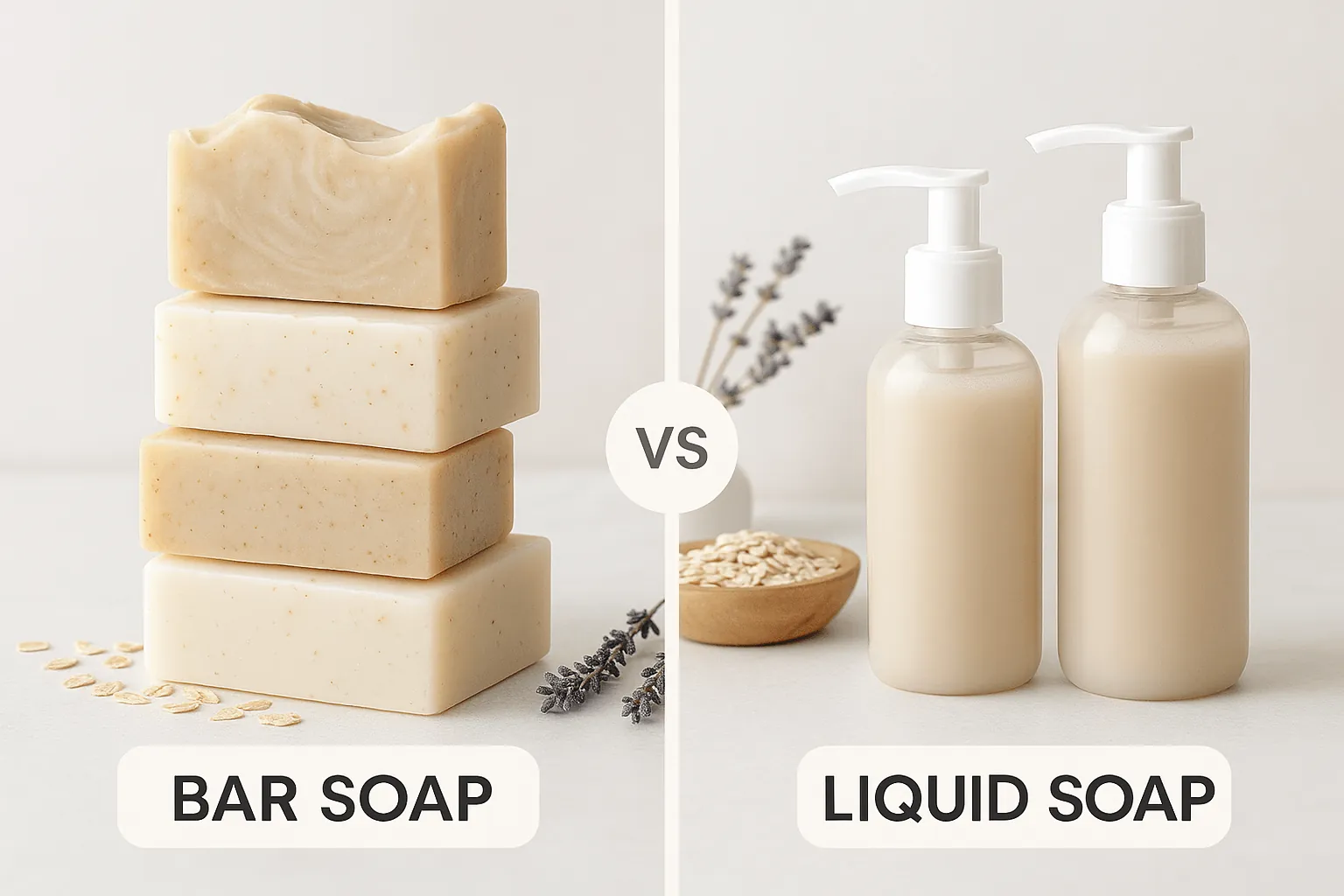
The right choice for your home depends on how you value cost, mess, and hygiene. While liquid soap is often seen as more modern, it carries a higher price per use and creates more plastic waste. Bar soap is a classic, low-cost solution that lasts longer, though it can leave messy residue on surfaces.
| Method | How long | Effort | Cost | Best for |
|---|---|---|---|---|
| Bar Soap | 3-4 weeks | Low | Low | Budget users |
| Manual Dispenser | 2-3 months | Medium | Medium | Shared spaces |
| Sensor Dispenser | 2-3 months | Very low | High | Touchless needs |
This table assumes a standard household of three people using the products for daily hand washing.
When choosing between these methods, look at your sink’s surface material. If you have natural stone counters, avoid bar soap. The fatty acids in traditional bars can leave a soap scum residue on natural stone, which can be cleaned with a stone-safe soap film remover. Use liquid soap in these areas to keep your surfaces pristine.
Many people make the mistake of buying bulk liquid soap to save money without considering the dispenser type. If you use a sensor dispenser, check the viscosity of your soap before filling the reservoir. Thick, gel-based soaps may clog the internal pump mechanism, requiring you to clean or replace the pump. Stick to thin, foaming-compatible soaps for any automated system.
If your primary goal is hygiene, the sensor dispenser is the clear winner. By removing the physical contact point, you prevent the cross-contamination that occurs when multiple hands touch a manual pump or a wet bar. In households with immune-compromised members, this small shift in hardware provides a measurable increase in safety.
Finally, calculate your replacement cycle based on the volume of your dispenser. A standard 12-ounce bottle lasts a family of three about 60 days. If you find yourself replacing it more often, you’re likely using too much soap per wash. Apply the rule of a nickel-sized drop; anything more is wasted down the drain.
Using bar soap effectively
Bar soap is a simple, effective tool for cleaning, but it requires proper storage to stay sanitary. Follow these steps to get the most out of your soap:
Wet your hands with clean, running water before picking up the bar. If the bar sits in a puddle, it will turn into a soft, unmanageable mush that wastes product.
Rub the bar between your palms for 20 seconds to create a thick lather. If you don’t see a rich foam, add a few drops of water directly to the bar rather than holding it under a heavy stream.
Scrub all surfaces of your hands, including between fingers and under nails. Most people neglect the backs of their hands, missing the areas where bacteria collect most easily.
Rinse your hands thoroughly and place the bar on a self-draining dish. A dish with raised ridges or holes keeps the bottom of the bar dry, which can extend its lifespan by up to two weeks.
Bar soap is excellent for cutting down on plastic waste since it often comes in paper packaging. Its main weakness is the residue it leaves behind, which creates a “soap scum” buildup on your sink or shower ledge. If you see a white, chalky film forming, use a squeegee or a damp cloth to wipe the surface after every use.
If you have sensitive skin, check the ingredients list. Avoid bars containing sodium lauryl sulfate, a common foaming agent that strips natural oils and causes tightness. If your skin feels itchy after drying, switch to a bar formulated with glycerin or shea butter. These fats provide a protective barrier that prevents moisture loss throughout the day.
If you live in a hard water area, you’ll find that soap lathers poorly; in this case, use a liquid body wash instead to avoid the heavy, waxy residue that bar soap leaves behind.
Using manual liquid soap dispensers
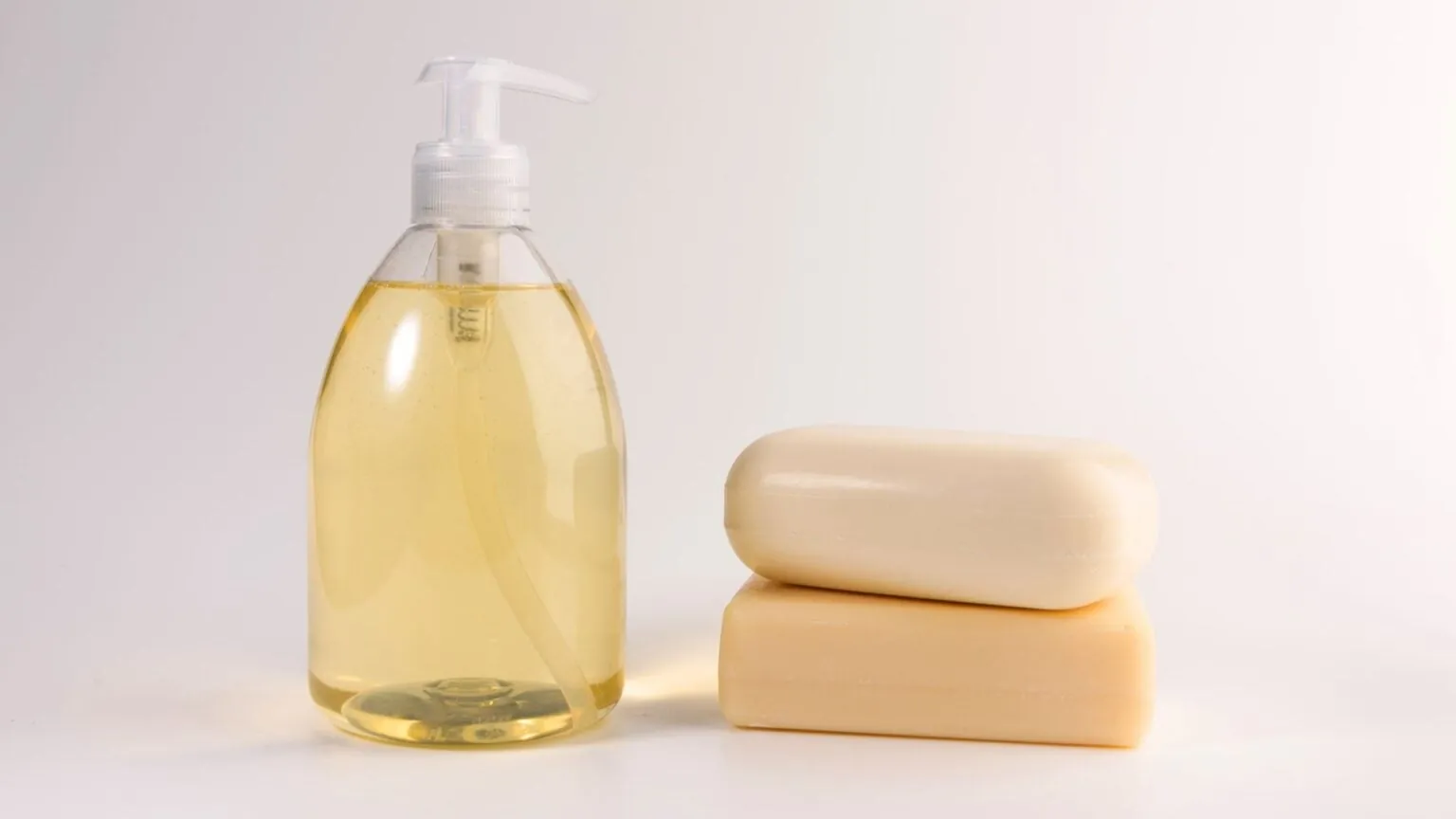
Manual dispensers are a popular choice for bathrooms and kitchens because they keep soap contained and minimize the mess found with bars. These units allow you to control the amount of soap used, which helps prevent waste.
- Fill the container with liquid soap until it reaches the neck, leaving room for the pump.
- Screw the pump head on tightly to ensure a vacuum seal.
- Press down firmly on the pump to release one small dose of soap into your palm.
- Wash your hands under warm water for 20 seconds.
This method is great for keeping your sink area clean since the soap stays inside the bottle. A major weakness is that the pump mechanism can clog over time, especially if you use a soap that’s too thick or contains natural oils that harden. If the pump stops working, you can usually clear it by soaking the nozzle in hot water for 10 minutes.
Using automatic sensor dispensers
Sensor-based dispensers offer a touchless experience that’s highly effective for maintaining hygiene in high-traffic areas. These devices use infrared technology to detect your hands and release a set amount of soap without you touching a surface.
Install fresh batteries into the base of the device according to the manufacturer’s manual. Pour liquid soap into the reservoir, ensuring you don’t overfill the chamber. Turn the power switch to the “on” position. Place your hand under the sensor to trigger the automatic delivery.
Mount these units at least six inches above the countertop. This height prevents splashing from the sink from triggering the sensor accidentally or shorting the internal electronics. If the dispenser activates while you’re simply washing dishes, lower the sensitivity setting if your specific model allows it.
Most users make the mistake of using high-viscosity, heavy-duty soaps. Use only standard, thin liquid soaps to ensure the motor doesn’t burn out under pressure. If you must use a thicker soap, dilute it with one part water to three parts soap.
Test the battery life periodically. If the LED indicator light blinks red or the output volume drops by half, replace the batteries immediately. Weak power causes the pump to stutter, which often leads to soap buildup inside the nozzle. Refer to the owner’s manual for specific maintenance guidance based on your usage.
These dispensers are perfect for preventing the spread of germs in a busy household. The primary weakness is the reliance on battery power and the complex internal electronics, which can fail if water gets inside the battery compartment. The Centers for Disease Control and Prevention emphasizes that the physical act of scrubbing is what removes germs, regardless of whether you use a bar or a dispenser.
Choosing the right method
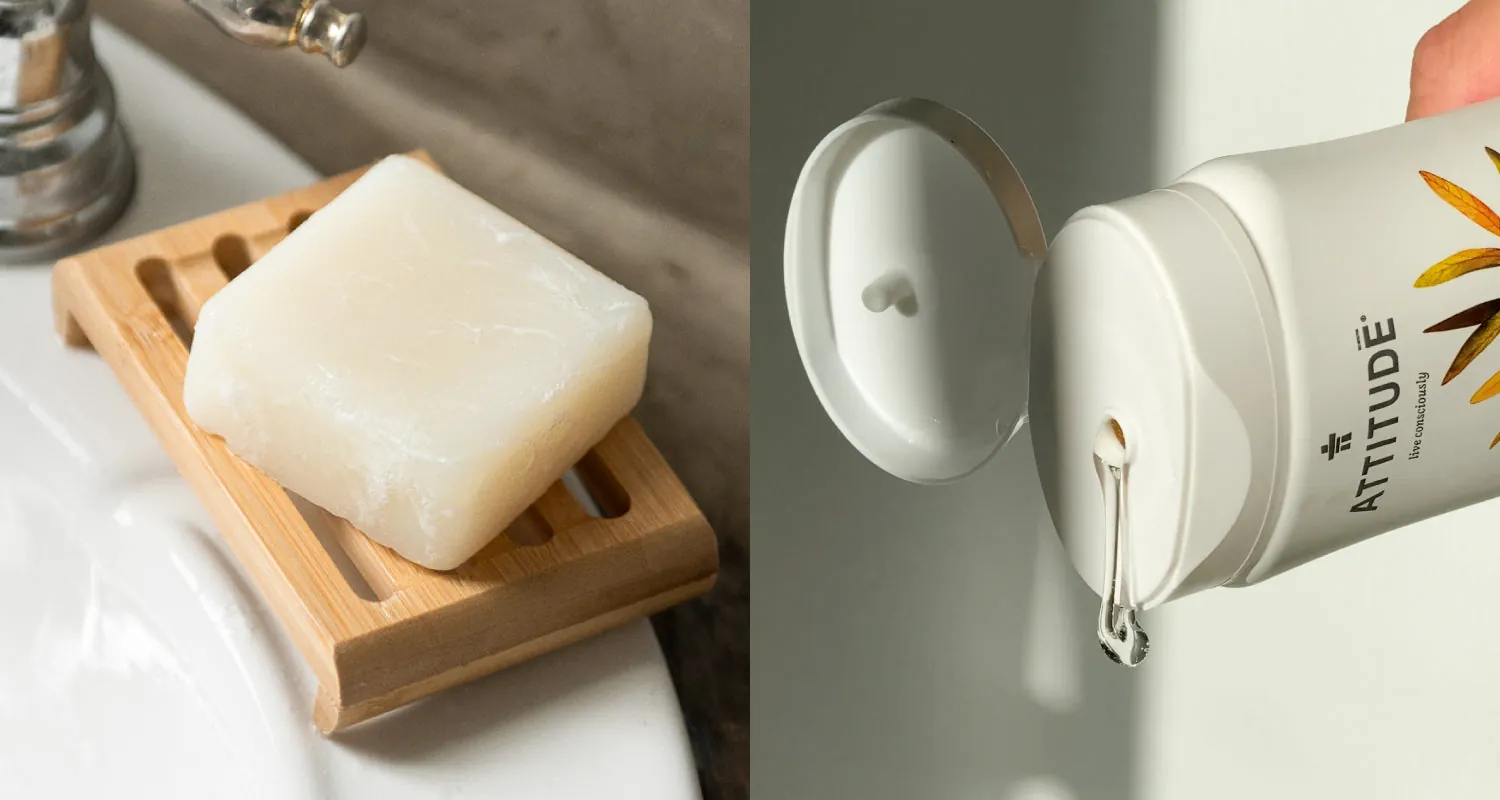
If you’re in a hurry, a manual liquid soap dispenser is the fastest choice because it provides a consistent, ready-to-use dose without the need for lathering time. If you’re doing this for the first time and want to keep things simple, bar soap is the easiest method to start with since it requires no hardware or complex setup. If you want the best possible result for hygiene, a sensor dispenser wins because it eliminates touch points entirely.
The trade-off here is between convenience and maintenance. A sensor dispenser makes washing easy but requires battery changes and occasional cleaning of the sensor window. Bar soap requires almost no maintenance but leaves behind a mess that you must clean up. If you’re worried about the cost of soap, stick with bar soap; if you’re worried about the cleanliness of your sink, choose a dispenser.
Choose bar soap if you have fewer than three people in your household. In high-traffic areas, bar soap creates a gummy residue that requires daily scrubbing to remove. If you see soap scum building up on your basin, switch to a liquid dispenser immediately to save yourself ten minutes of cleaning time each week.
Sensor dispensers fail if your sink area has high humidity or direct sunlight. If your bathroom lacks a ventilation fan, the moisture will trigger false dispensing or corrode the battery contacts. In these damp environments, a manual pump is the more reliable investment.
If you choose a sensor model, check the battery compartment for a rubber gasket seal. If your model lacks a seal, place it at least six inches away from the faucet stream to prevent premature failure.
Rules for keeping your soap clean
Regardless of the method you choose, you must keep your soap area clean to prevent the buildup of bacteria. The most important rule is to keep your soap station dry when it isn’t in use, as standing water encourages microbial growth. You should also wipe down the area around your sink every few days to remove any soap film or splashes.
Check your soap dispenser or dish once a week to ensure no residue is blocking the flow or the sensor. If you use a liquid dispenser, never mix two different types of soap, as this can cause the mixture to thicken and clog the pump mechanism.
If you’re using bar soap, replace the dish if it becomes cracked or porous, as these small spaces can trap moisture and bacteria. If you notice your skin feels irritated, check the product label for common allergens and switch to a fragrance-free version.
Prioritize drainage over aesthetics. A soap dish must have raised ridges or a sloped design that elevates the bar at least a quarter-inch above the surface. If the bar sits flat against the bottom of the dish, it will soften into a sludge that stays wet and promotes bacterial growth. If you see a milky film forming under the bar, your dish is failing to drain.
When cleaning the dispenser, ignore the common mistake of simply refilling the reservoir without rinsing. This creates a biofilm layer that persists through multiple refills. Instead, flush the internal pump with warm water every third refill to clear out congealed soap. If the pump resistance feels stiff during the initial press, don’t force it. Soak the nozzle in vinegar for ten minutes to dissolve mineral deposits that cause internal friction.
If you share a sink, use a wall-mounted dispenser rather than a dish. Shared bar soap often carries more germs because it stays wet longer between uses. If you must use a bar, keep two in rotation so one can dry for twenty-four hours while you use the other.
Related guides