
Choosing between a spa frog and Nature 2 system often leaves hot tub owners confused about which mineral sanitizer truly delivers the best water quality. While prices for these mineral cartridges typically range from $45 to $85 depending on the brand and retailer, the real cost difference lies in how long they last and how much supplemental chlorine or bromine you still need to buy. Both systems aim to reduce chemical usage by releasing silver and copper ions into the water, but their mechanisms and compatibility vary significantly. Understanding these nuances helps you select the right path for your specific hot tub setup without overspending on ineffective products.
Key Takeaways
- Mineral Cartridge Lifespan varies from three to five months depending on bather load and water temperature.
- Supplemental Sanitizer Needs remain essential; neither system replaces the need for chlorine or bromine entirely.
- Compatibility Issues exist where some spas can’t handle high copper levels, risking stained surfaces or equipment damage.
- Cost Efficiency depends on calculating the total price of the cartridge plus remaining chemical requirements over a year.
- Water Clarity often improves with both systems, but Frog brands offer more integrated dosing solutions than standalone units.
- Installation Difficulty is generally low, though Frog systems may require specific holders while Nature 2 fits standard baskets.
What Are Mineral Sanitizers?
Mineral sanitizers function by slowly dissolving silver and copper ions into your hot tub water to kill bacteria and algae. The silver ions disrupt the cell walls of microorganisms, effectively stopping them from reproducing, while copper ions act as an algaecide that prevents green growth. These systems don’t generate ozone or UV light; instead, they rely on electrochemical reactions within the cartridge to release minerals at a controlled rate.
Because they’re passive devices, they work continuously as water flows through the filter basket or holder. This method reduces the reliance on harsh chemicals, leading to softer-feeling water and less eye irritation for users. However, they aren’t standalone solutions and must be paired with a residual oxidizer to ensure complete sanitation safety.
How Does the Frog System Work?
The Frog brand offers a unique approach by combining a mineral cartridge with a slow-release chlorine or bromine puck in a single unit called the Frog Minimizer. This dual-action design simplifies maintenance because you only need to change one device every month or two. The system uses a specialized holder that sits directly in the skimmer or filter compartment, ensuring consistent distribution throughout the spa.
Unlike traditional methods where you might dose chemicals manually, the Frog system automates the release of sanitizers based on water flow and time. The mineral blend inside includes zinc and other trace elements alongside copper and silver to enhance efficacy against different types of pathogens. This integration makes it particularly popular among owners who want a “set it and forget it” experience without managing multiple separate containers.
How Does Nature 2 Differ?
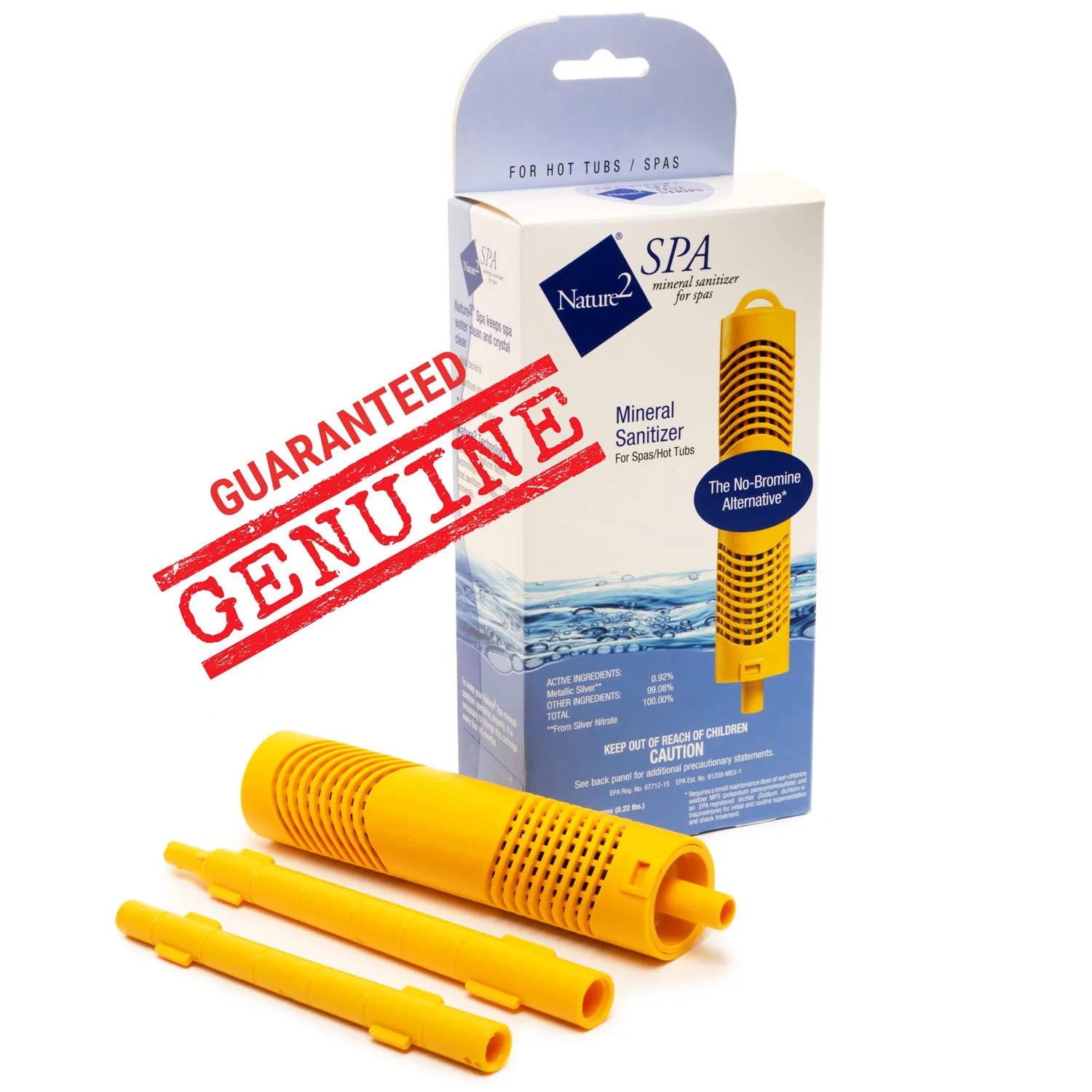
Nature 2 operates as a standalone mineral stick that fits into most standard filter baskets or dedicated holders provided by manufacturers. It relies purely on the natural dissolution of its mineral core without any integrated chlorine or bromine pucks. Users must add their own halogen sanitizer separately, giving them more control over the exact dosage of chlorine or bromine in the water.
The stick is designed to last up to four months, depending on usage, and is compatible with a wide variety of spa brands including Hot Spring, Sundance, and Jacuzzi. Because it lacks the automated chemical feeder of the Frog system, it requires slightly more attention to balance the water chemistry correctly. The pure mineral focus means there’s no risk of overdosing on oxidizers from the cartridge itself, but it demands disciplined testing habits from the owner.
Which System Saves More Money?
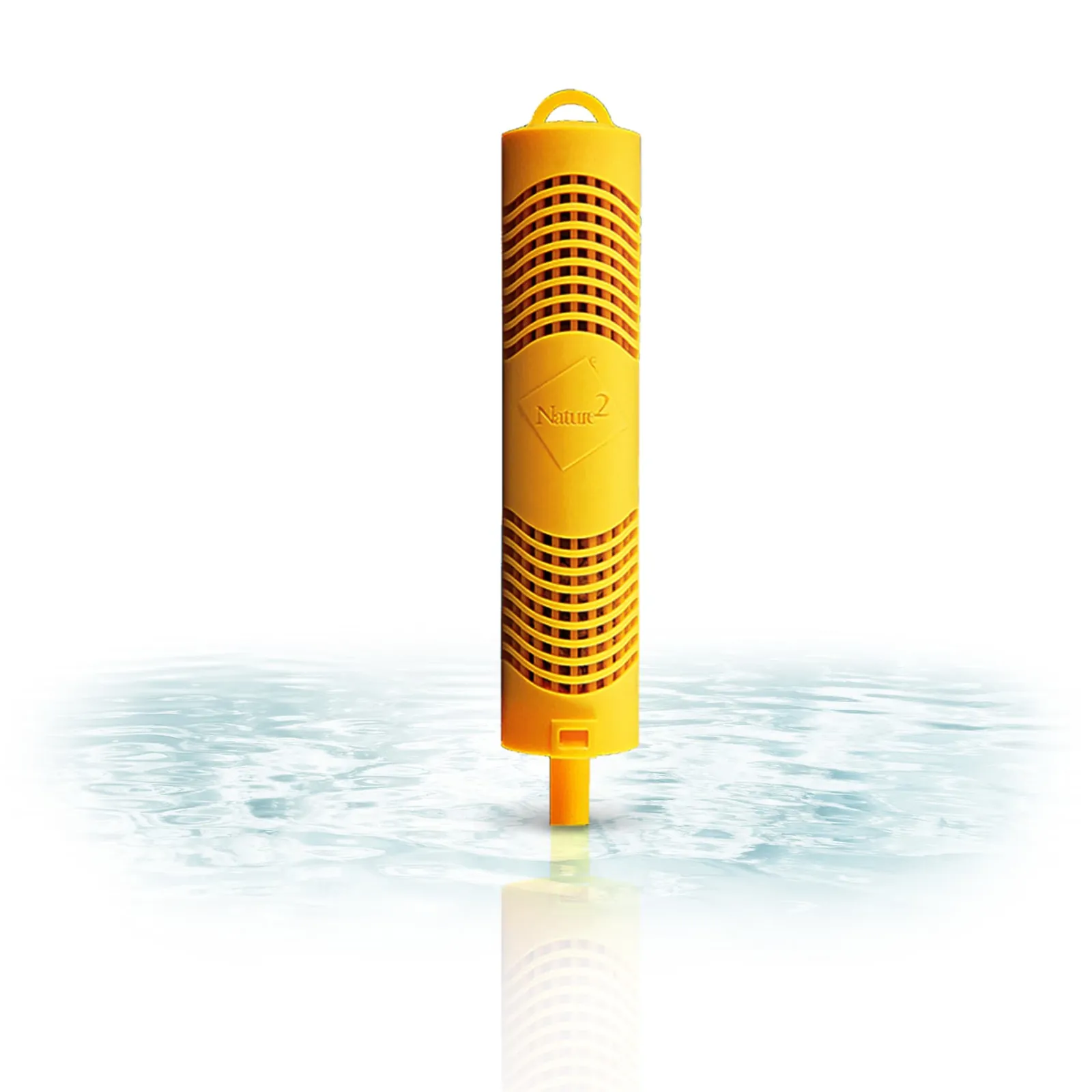
Determining the most economical choice requires looking beyond the initial purchase price of the cartridge. While the Frog cartridge often costs slightly more upfront due to its dual-function design, it can save money if it allows you to use significantly less liquid chlorine or bromine. Conversely, the Nature 2 stick is cheaper initially but requires you to buy separate sanitizer refills, which adds to the monthly expense.
A typical annual cost analysis shows that heavy spa users might find the Frog system more cost-effective due to reduced chemical waste, whereas occasional users might prefer the lower entry cost of Nature 2. Maintenance costs also factor in, as some spas require more frequent water changes when using certain mineral blends that can build up faster.
| Feature | Frog System | Nature 2 |
|---|---|---|
| Primary Mechanism | Minerals + Slow-Release Halogen | Minerals Only |
| Replacement Frequency | Every 30-60 Days | Every 3-4 Months |
| Chemical Control | Automated via Cartridge | Manual via Separate Dosing |
| Initial Cost Range | $50 – $75 per unit | $45 – $65 per unit |
| Annual Chemical Savings | High (Integrated) | Moderate (Requires Manual Balance) |
Can You Use Them With Bromine?
Both systems are generally compatible with bromine, but the interaction differs based on the specific product formulation. The Frog Minimizer comes in versions specifically designed for bromine users, ensuring the minerals don’t interfere with the bromine’s effectiveness. In contrast, the Nature 2 stick works well with bromine but requires careful monitoring to prevent the copper from reacting with high pH levels, which could cause precipitation.
Some spa manufacturers recommend reducing the bromine level by half when using either system to avoid over-sanitizing the water. Always check the label on the specific cartridge to confirm it’s rated for bromine, as chlorine-specific models may degrade differently in brominated water. Proper balancing ensures the minerals remain active without causing skin irritation or equipment corrosion.
Do They Stain Your Spa Surfaces?
Staining is a valid concern when introducing copper ions into a closed water system, especially if the pH isn’t maintained correctly. If the water becomes too acidic, the copper ions can dissolve rapidly and bond with plaster, vinyl, or acrylic surfaces, leaving blue or green stains that are difficult to remove. The pH balance must be kept between 7.2 and 7.6 to prevent this reaction, regardless of which system you choose.
Frog systems sometimes include buffering agents to help stabilize the water, whereas Nature 2 relies entirely on the user to manage the chemistry. Regular shock treatments with non-chlorine oxidizers can help break down organic matter before it binds with the metals. Ignoring these guidelines can lead to permanent discoloration of the spa shell and plumbing components.
Pro Tip: Always test your water weekly for copper levels using a dedicated test strip to ensure concentrations stay below 0.3 ppm, preventing potential staining issues before they become visible.
How Long Do Cartridges Last?
The lifespan of a mineral cartridge depends heavily on the number of bathers and the frequency of spa use. Under normal conditions, a Frog cartridge typically lasts between 30 and 60 days, while a Nature 2 stick can endure for up to 120 days. Heavy usage, such as daily soaking or parties, accelerates the depletion of minerals and requires more frequent replacements.
Water temperature also plays a role, as hotter water increases the rate of dissolution and chemical consumption. Manufacturers usually provide a clear timeline on the packaging, but actual performance varies based on local water hardness and filtration efficiency. Replacing the unit early rather than waiting until it’s exhausted ensures consistent protection against bacteria and algae.
Troubleshooting Common Issues
If you notice cloudy water despite using a mineral system, the issue is likely insufficient oxidation or poor filtration. Cloudy water often indicates that the mineral ions alone aren’t enough to break down body oils and lotions introduced by bathers. Increasing the frequency of shock treatments or checking the filter cleanliness can resolve this problem.
Another common issue is a metallic taste in the water, which suggests the copper concentration is too high. Adjusting the pH downward slightly can help precipitate excess copper, allowing it to be filtered out. If the system stops releasing minerals, check for clogs in the holder or ensure the water flow is strong enough to activate the dissolution process.
Why Is My Water Green?
Green water usually signals an algae bloom that the mineral system failed to prevent. This happens when the copper levels drop too low or the sanitizer residual is insufficient to stop rapid growth.
Shock the water immediately with a non-chlorine oxidizer and run the jets for several hours to circulate the treatment. Check the cartridge expiration date to see if it needs replacement. If the problem persists, you may need to drain and refill the spa to reset the water chemistry completely.
Why Are My Filters Clogged?
Clogged filters can occur if the mineral particles aren’t dissolving properly and settling in the media. This is often caused by low water flow or a cartridge that has disintegrated prematurely. Inspect the holder for debris and clean the filter thoroughly. If the cartridge is old, replace it with a fresh unit to restore proper circulation. Ensuring the pump runs for adequate cycles each day helps keep the water moving and prevents sediment buildup.
Related guides
- Kettle vs Electric Kettle: Which One Should You Choose in 2026
- Which Oven Is Best for Baking: The Professional Choice in 2026
- Convection Oven vs Electric Oven: Which One Do You Need in 2026
Frequently Asked Questions
Which system is better for small spas?
For smaller spas with limited water volume, the Frog system is often preferred because its integrated design prevents over-dosing of minerals. The precise control offered by the combined cartridge helps maintain stable chemistry in tight spaces where fluctuations happen quickly.
Can I switch from chlorine to bromine with these?
Yes, you can switch, but you must flush the system and adjust the mineral type to match the new sanitizer. Ensure the cartridge you install is specifically labeled for bromine use to avoid chemical conflicts.
Do I still need to shock the water?
Absolutely, both systems require regular shocking to oxidize contaminants and keep the water clear. Minerals kill bacteria, but they don’t break down organic waste like sweat or lotions effectively on their own.
How often should I test the water?
You should test your water at least twice a week to monitor pH, alkalinity, and sanitizer levels. Consistent testing ensures the mineral system is functioning correctly and prevents imbalances that lead to staining or cloudy water.
Will these systems work with saltwater spas?
Most mineral systems are compatible with saltwater generators, but verify the manufacturer’s guidelines first. Salt can affect the dissolution rate of minerals, so adjustments to the generator output may be necessary.
Is there a warranty on these cartridges?
Cartridges rarely come with a warranty as they’re considered consumable items subject to usage variables. However, the holders or dispensers often carry a limited warranty against manufacturing defects from the original maker.
Conclusion
The best choice ultimately depends on your willingness to manage chemical balances versus your desire for automation. If you prefer a hands-off approach and don’t mind changing a unit monthly, the Frog system offers convenience and integrated dosing. For those who enjoy fine-tuning their water chemistry and want a longer-lasting mineral source, Nature 2 provides flexibility and cost savings over time. Assess your current routine, budget, and spa size to decide which path aligns with your lifestyle.