
When your Avalon water dispenser cold water not working, it’s usually a sign of a minor mechanical hiccup or a simple setting error rather than a total system failure. These units are designed for reliability, but environmental factors, mineral buildup, or power supply issues can often disrupt the cooling cycle. Whether you’re dealing with a dispenser that’s dispensing room-temperature water or one that has stopped outputting entirely, the issue typically stems from the cooling compressor, the thermostat, or the air ventilation around the unit. By following a structured troubleshooting approach, you can often restore chilled water flow without needing a professional technician or a replacement unit.
Key Takeaways
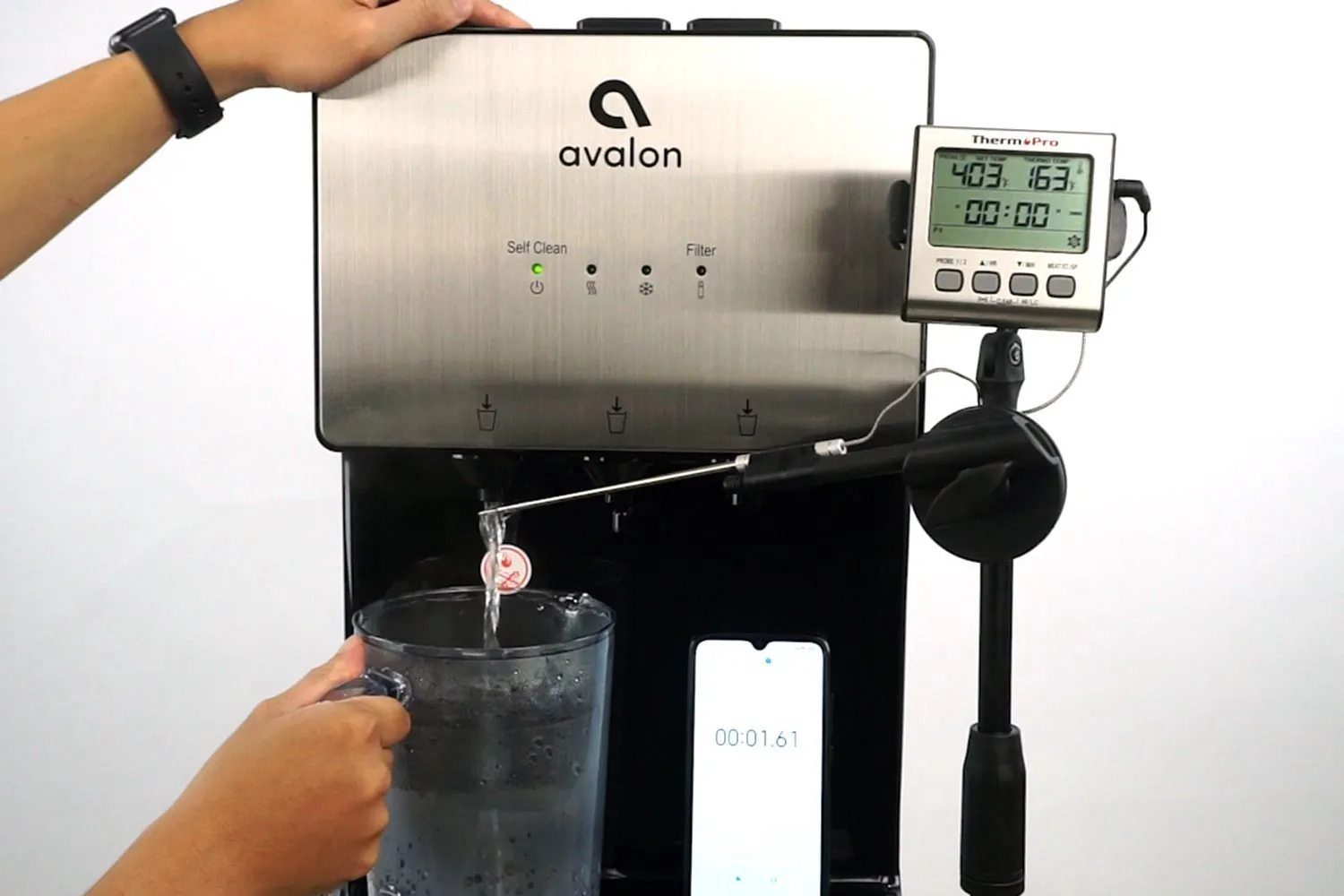
- Ensure the cooling switch on the back of the unit is toggled to the “On” position.
- Verify that your dispenser has at least 4 to 6 inches of clearance from the wall for proper ventilation.
- Check the power supply by testing the outlet with another small appliance to confirm it’s live.
- Wait at least 30 to 60 minutes after plugging in or moving the unit for the compressor to reach operating temperature.
- Inspect the water lines for kinks or blockages that might be preventing cold water from flowing.
Safety: Inside a mains-powered machine, the parts behind the outer cover can hold a dangerous electrical charge even after it has been unplugged — that’s why they sit behind a cover. Opening the housing, or testing or replacing anything behind it, is a job for a qualified technician, never a home repair.
Understanding Your Dispenser Cooling System
The cooling mechanism in an Avalon water cooler relies on a compressor, similar to a standard refrigerator. When you activate the cold water button, the unit draws water through a chilled reservoir. If the water coming out is lukewarm, the cooling compressor may not be cycling correctly. This often happens if the unit was recently moved or if it was unplugged for an extended period.
If the compressor is running but the water is warm, the issue might be related to the thermostat setting or a restriction in the cooling lines. Always ensure the unit is on a level surface, as an unlevel base can interfere with the coolant fluid distribution inside the internal components.
Is the Cooling Switch Activated?
The most common reason for a lack of chilled water is the most overlooked: the physical power switch. Most Avalon models feature two separate switches on the back panel—one for the heating element (usually red) and one for the cooling system (usually green or blue). If the cooling switch is set to the “Off” or “O” position, the compressor won’t engage.
| Switch Indicator | Typical Function | Action Required |
|---|---|---|
| Green/Blue Switch | Cold Water Cooling | Ensure set to “I” (On) |
| Red Switch | Hot Water Heating | Ensure set to “I” (On) |
| Power Cord | Main Unit Power | Check for secure connection |
If the switch is already on, try toggling it off and back on again to reset the internal relay. Sometimes, a loose connection at the switch can prevent the cooling cycle from initiating. If you hear a faint humming sound when you flip the switch to the “On” position, the compressor is likely receiving power. If there’s complete silence, you may be facing a blown fuse or a faulty switch.
Why Ventilation Matters for Cooling
Your Avalon dispenser requires adequate airflow to dissipate the heat generated by the compressor. If the unit is pushed directly against a wall, the heat becomes trapped behind the cooler, which forces the compressor to work harder and eventually causes it to shut down to prevent overheating. According to the U.S. Department of Energy, appliances with compressors require consistent air circulation to maintain efficiency and prevent premature mechanical failure.
Pro Tip: Use a level to ensure your water dispenser is sitting perfectly flat on the floor; if it’s tilted, the internal cooling coils may not function at their peak efficiency.
Checking for Power Supply Issues
Before assuming the unit is broken, verify that the outlet is providing consistent voltage. Sometimes, a GFCI (Ground Fault Circuit Interrupter) outlet will trip due to a minor power surge, cutting electricity to the dispenser while leaving other items in your home unaffected. Plug a lamp or a phone charger into the same wall outlet to ensure it’s live.
If the outlet is working, inspect the dispenser’s power cord for any visible signs of damage, such as fraying or pinches. If the cord is damaged, don’t attempt to repair it yourself; this is a significant electrical safety hazard that requires a professional replacement of the power cable assembly.
Is the Thermostat Set Correctly?
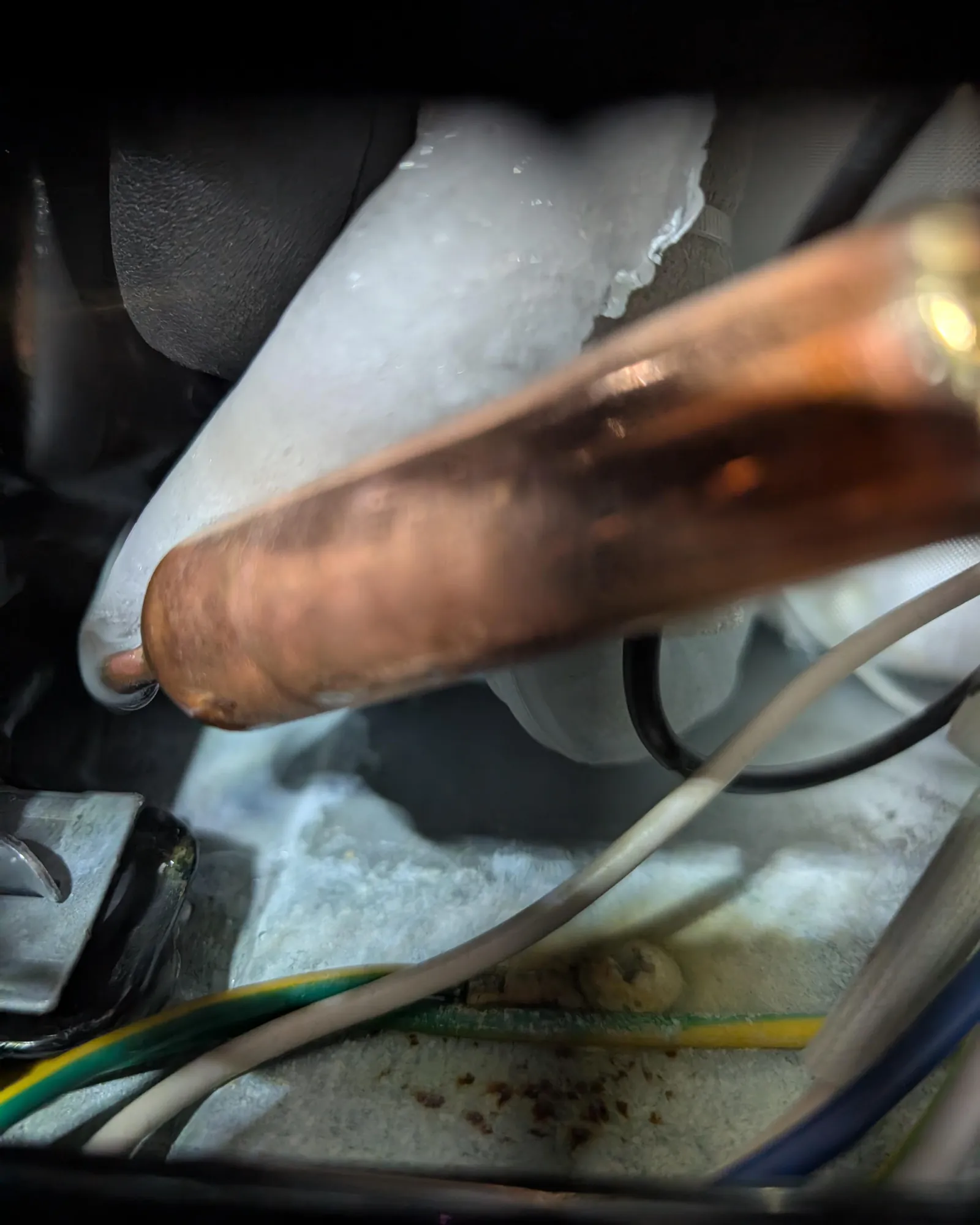
Some Avalon models allow for temperature adjustments via a dial or a digital interface. If your dispenser has a variable thermostat, it might be set to a high temperature, preventing the water from reaching the desired chill level. Check the back of the unit or the internal control panel for a temperature knob.
Turning this knob slightly toward the “Coldest” setting can often resolve the issue. If your model uses an electronic display, ensure it isn’t in “Eco” or “Sleep” mode, as these settings occasionally limit the cooling intensity to save power during off-peak hours.
Dealing With Internal Mineral Buildup
Over time, mineral deposits from your water supply can accumulate in the internal cooling reservoir, acting as an insulator and preventing the water from cooling efficiently. This is especially common if you’re using tap water rather than purified bottled water.
If the water flow is slow or the temperature is inconsistent, a thorough cleaning might be necessary. Use a mixture of white vinegar and water to flush the system according to the manufacturer’s guidelines. This deep cleaning process removes lime scale and bacteria, which can build up on the internal sensors and cooling coils.
| Maintenance Task | Frequency | Expected Result |
|---|---|---|
| Exterior Wipe Down | Weekly | Prevents dust buildup |
| Reservoir Descaling | Every 3-6 Months | Maintains cooling efficiency |
| Air Vent Vacuuming | Monthly | Improves compressor airflow |
| Filter Replacement | Every 6 Months | Ensures water quality |
How to Check for Air Locks
If you recently changed the water bottle, an air lock could be preventing water from entering the cooling reservoir. This occurs when a bubble of air gets trapped in the line, stopping the flow of water. To clear this, press and hold the cold water button for 30 seconds while the unit is unplugged. This can help release trapped air.
Alternatively, try removing the water bottle and reseating it firmly onto the probe. If you hear a bubbling sound, the system is likely venting the air trapped in the feed line, which should allow the cold water to resume flowing normally.
Troubleshooting the Cooling Compressor
If you have performed the previous steps and the water remains warm, the compressor itself may be failing. Listen closely to the back of the unit. A healthy compressor will cycle on and off periodically. If the unit is completely silent, or if it makes a loud grinding or rattling noise, the internal components may be damaged.
In such cases, the compressor motor may have reached the end of its service life. If the unit is still under warranty, contact the manufacturer before attempting any internal repairs, as opening the sealed cooling system will void your coverage.
Environmental Factors Affecting Cold Water
Your water dispenser’s performance is heavily influenced by the temperature of the room it occupies. If the dispenser is placed in a garage, near a furnace, or in direct sunlight, the cooling system will struggle to overcome the ambient heat.
For optimal performance, place the unit in a cool, shaded area with a stable room temperature. If the ambient temperature exceeds 90 degrees Fahrenheit, even a perfectly functional Avalon dispenser will have difficulty delivering ice-cold water. Keep the unit away from heat-producing appliances like stoves, dishwashers, or large refrigerators to ensure the cooling cycle remains effective.
When to Call a Professional
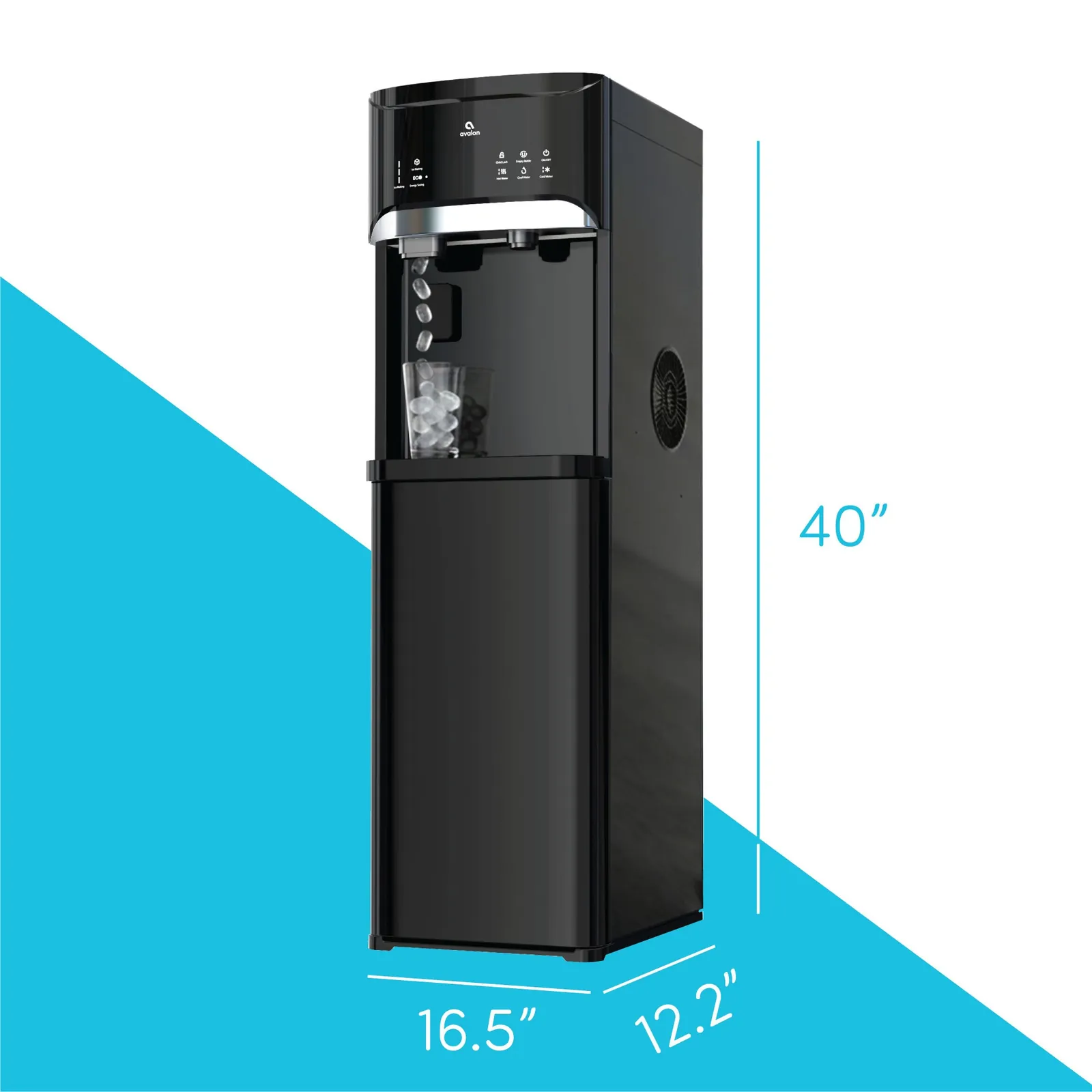
If you have verified the power, checked the cooling switch, ensured proper ventilation, and performed a system flush, yet the water remains warm, you may have a failed component such as a thermostat sensor, a faulty relay, or a refrigerant leak. These issues require specialized tools and technical expertise.
Attempting to repair a sealed refrigerant system is dangerous and often illegal without proper certification. If the unit is out of warranty, weigh the cost of a professional repair against the price of a new unit, which typically ranges from $150 to $450 depending on the features and model tier.
Warning: Never attempt to open the compressor housing or handle the refrigerant lines yourself, as this can lead to severe injury from high-pressure gas or electrical shock.
Related guides
- Best Smart Water Bottles in 2026
- 10 Best Tents for Extreme Cold Weather in 2026
- Are Salt Water Pools Warmer? The Truth Explained in 2026
Frequently Asked Questions
Why does the cold water taste like plastic?
New water dispensers often have a slight plastic taste during the first few days of use. This is typically caused by the new internal tubing and reservoir. You can resolve this by flushing the system with a mixture of water and a small amount of baking soda or vinegar, followed by several cycles of fresh water. This process helps neutralize odors and removes any factory residue from the lines.
How long should the compressor run?
A standard water dispenser compressor will cycle on and off based on the temperature of the water in the reservoir. On average, the compressor will run for 15 to 30 minutes at a time to bring the water to the desired temperature. If you notice the compressor running constantly for hours without stopping, it may indicate a faulty thermostat or a significant refrigerant leak.
Can I leave the cooling switch on all the time?
Yes, you should leave the cooling switch in the “On” position for regular use. The unit is designed to cycle the compressor automatically to maintain a constant temperature. Turning it off and on manually will cause the water temperature to fluctuate significantly and will increase the time it takes to get a cold glass of water when you need it.
What should I do if the unit is leaking?
First, unplug the unit immediately to prevent electrical hazards. Check the water bottle for cracks or pinholes, as these can cause the dispenser to overfill and overflow. If the bottle is intact, inspect the spill tray and the internal connection points. If water is leaking from the internal housing, it may be a cracked reservoir, which usually requires a professional repair or a unit replacement.
How often should I clean the dispenser?
To maintain water quality and cooling efficiency, you should perform a basic cleaning every three to six months. This involves draining the reservoirs, descaling the internal components with a food-safe cleaner or vinegar solution, and wiping down the exterior. Regular maintenance prevents mineral buildup on the cooling coils, which is a common cause of reduced chilling performance over time.
Conclusion
By systematically addressing these potential points of failure, you can identify why your dispenser is failing to chill your water. Start with the simplest solutions, such as checking the power switch and ventilation, before moving on to more complex maintenance tasks like descaling. If these steps don’t restore your cold water, consult your user manual for model-specific diagnostic codes or contact the manufacturer’s customer support line for further assistance with your specific unit.
