
No, it’s never safe to use a propane or butane camping oven inside a tent because the risk of carbon monoxide poisoning and fire is too high. You should always operate these appliances in a well-ventilated outdoor area to allow harmful exhaust gases to escape.
The primary factors that decide this are the ventilation level of your specific shelter, the type of fuel your oven uses, and the proximity of flammable fabrics to the heat source. If your tent has low-level vents, don’t assume they’re enough to clear the fumes produced during a cooking cycle.
Are camping ovens safe to use in tents? Choosing the right one
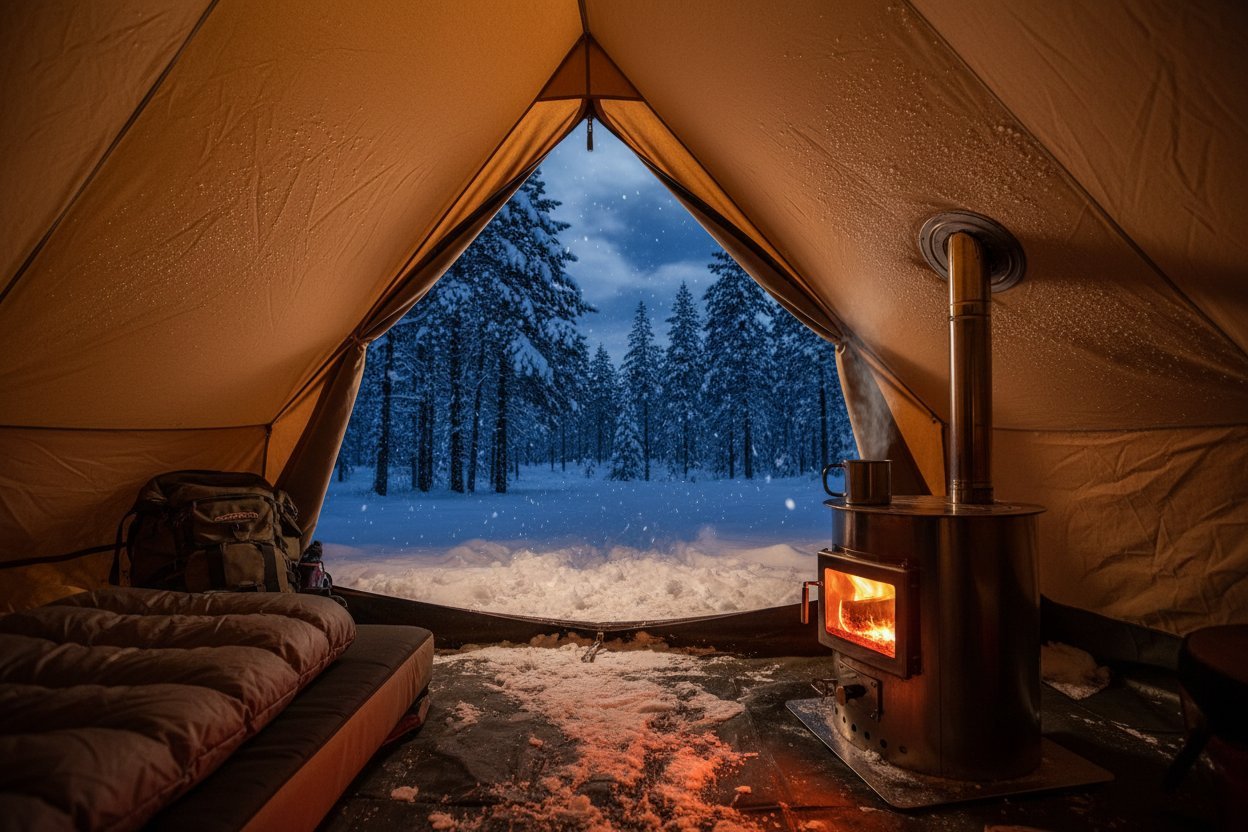
You’re likely reading this because you want to bake or heat food while camping and are worried about the weather. This page serves the camper who uses portable gas-powered ovens and needs to understand the physical dangers of confined cooking. If you’re using an electric oven powered by a high-capacity portable power station, the safety rules change significantly regarding fire, though you must still manage heat dissipation.
This guide assumes you’re using a standard liquid-fuel or gas-cartridge camping oven. If you’re a long-term van-dweller or using a specialized, vented canvas wall tent with a stove jack, you should consult your specific manufacturer’s manual for approved indoor appliance pairings. For the average nylon or polyester backpacking tent, this page is your primary safety reference. We focus on the risks that apply to modern, lightweight camping setups where fabric walls are inches away from heat sources. We don’t cover industrial or commercial kitchen equipment. The core assumption here is that your safety depends on keeping combustion outside of your sleeping and living quarters.
Factors that change the risk
The ventilation quality of your tent is the first variable. Most modern tents are designed to be airtight to retain warmth, which means they trap carbon monoxide—an odorless, colorless gas—quickly. Even a small oven can produce dangerous levels of this gas in under ten minutes if the airflow is restricted.
Fuel type plays a role in how much soot and gas the oven releases. Propane and butane are common, but they both require a steady supply of oxygen to burn cleanly. When oxygen levels drop inside a closed tent, the combustion becomes incomplete, which drastically increases the amount of carbon monoxide produced.
Proximity to tent walls is a fire hazard that people often underestimate. A camping oven reaches external temperatures that can easily melt synthetic tent fabrics like nylon or polyester. If your oven is placed on a uneven surface, a small nudge could cause it to tip against the tent wall.
The quality of the oven’s base matters more than most realize. Many portable ovens lack a wide, heat-resistant footprint. If you set one on a plastic groundsheet, the heat can transfer through the floor and melt it before you notice, creating a tripping hazard or damaging your gear.
Most people make the mistake of thinking a “breathable” tent fabric is enough ventilation. Fabric air permeability isn’t designed to replace the active exhaust ventilation needed for gas combustion. Relying on tent fabric to clear fumes is a dangerous gamble that costs many campers their health every season.
Setting up your equipment
- Choose a flat, non-flammable surface like a metal camp table or a bare patch of dirt at least 15 feet away from your tent.
- Ensure the oven is on a level base so it can’t tip over during use.
- Connect your propane or butane canister, checking the seals for any hissing sounds that indicate a leak.
- Open the oven door before you ignite it to prevent any buildup of gas inside the chamber.
- Light the pilot or burner according to the manufacturer’s specific instructions for your model.
- Keep the oven door closed once the flame is steady to maintain heat efficiency.
- Monitor the flame color; a blue flame is healthy, while a yellow or orange flame suggests poor combustion and requires immediate shutdown.
- Turn off the fuel source at the canister first to clear the remaining gas from the hose before turning off the oven knob.
- Allow the unit to cool for at least 20 minutes before touching it or packing it away.
The difference between a safe meal and a disaster is the distance you keep between the heat and your shelter. Always verify the clearance requirements listed in your owner’s manual. According to the Consumer Product Safety Commission, you must never use portable heaters or ovens inside a tent, camper, or enclosed space to avoid lethal carbon monoxide exposure.
Comparing your options
You have several ways to cook while camping, each with different risks and needs. Use this table to understand the trade-offs of your current setup.
| Cooking Method | Risk Level | Primary Currency | What to watch for |
|---|---|---|---|
| Gas camping oven | High | Fuel and time | Carbon monoxide buildup |
| Portable electric oven | Low | Battery capacity | Battery overheating |
| Open campfire | Moderate | Wood and effort | Spark management |
| Cold food/snacks | None | Preparation time | Food spoilage |
Choose a gas oven if you’re cooking for more than four people, as the weight of the canister is offset by the speed of meal preparation. However, never operate these units inside a tent or vestibule. Even a small, enclosed space will trap carbon monoxide, which is odorless and lethal within minutes.
If you rely on a portable electric oven, check your battery’s discharge rate before you leave. If your oven exceeds the continuous power output rating of your portable power station, the unit will trigger an automatic shutdown to protect the internal inverter. This leaves you with a cold meal and a dead battery.
Campfires offer the best flavor but require strict adherence to local fire bans. If the ground is dry enough to crunch under your boots, the risk of a root fire is extreme. In these conditions, switch to a canister stove immediately.
Finally, cold food is the safest bet for short trips. If your cooler temperature rises above 40 degrees Fahrenheit for more than two hours, discard all meat and dairy products to avoid foodborne illness.
Preventing accidents and mistakes
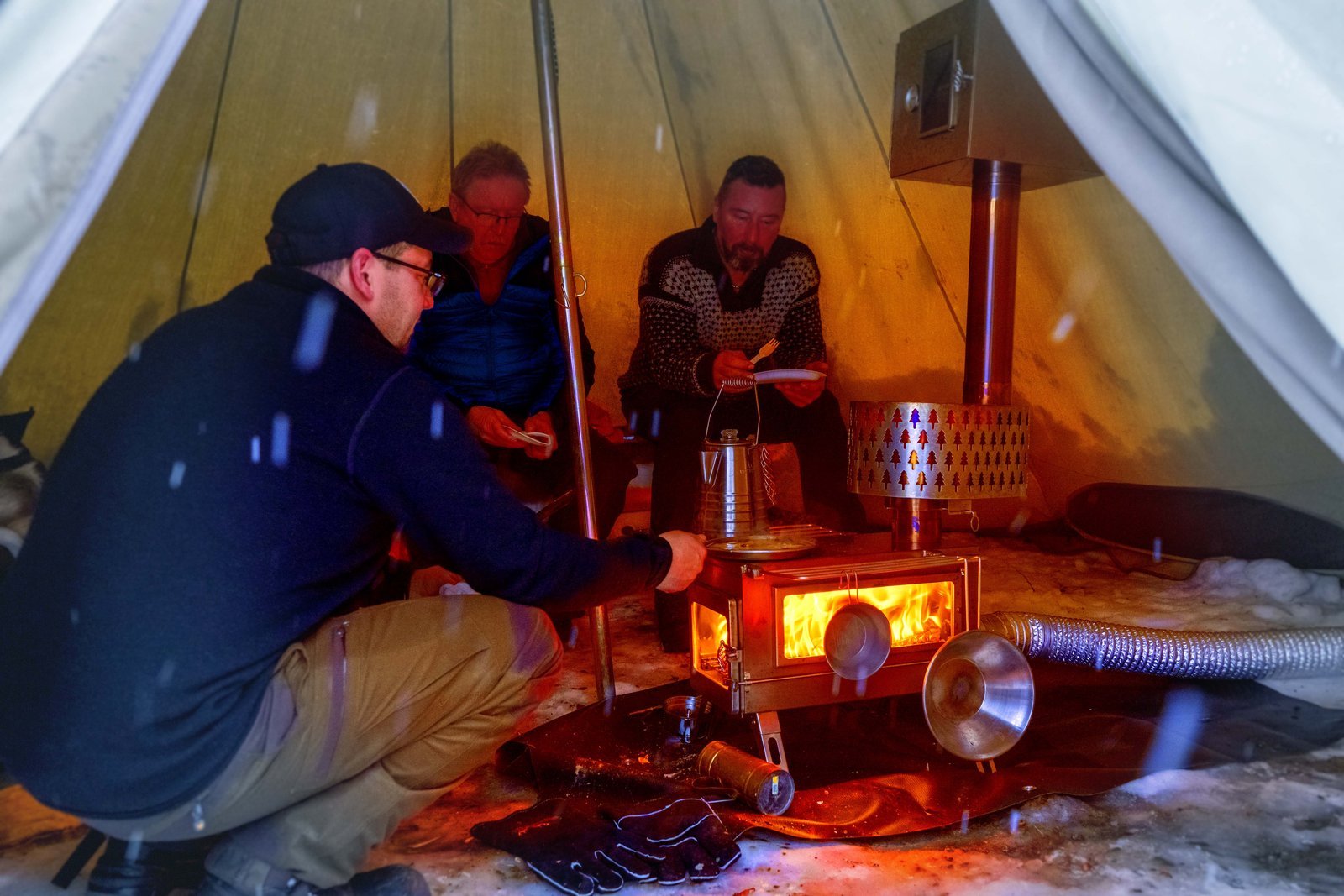
Maintaining proper distance
Experienced campers always place their cooking gear in an “open-air kitchen” zone. Never place an oven inside a vestibule, as the walls are too close and the air movement is often trapped by the rainfly. If you’re worried about rain, use a standalone tarp positioned at least 6 feet above the stove to provide cover without trapping gases.
Monitoring fuel leaks
Check your fuel lines and connections every time you set up. A common mistake is assuming that because the oven worked last time, the hoses are still intact. Small cracks in rubber hoses can leak gas, and in a confined space, a small leak can lead to a flare-up. Always perform a “smell test” before you strike a match or click your igniter.
Common equipment issues
| What you notice | What it usually means | What to do first | How to stop it |
|---|---|---|---|
| Yellow flame | Poor oxygen mix | Turn off immediately | Clean burner ports |
| Hissing sound | Gas line leak | Close canister valve | Replace hose |
| Melted groundsheet | Heat transfer | Move to metal table | Use heat shield |
| Oven won’t light | Clogged nozzle | Check for debris | Clean with wire |
| Unstable base | Uneven ground | Relocate oven | Use leveling blocks |
A yellow flame is the most dangerous sign. It indicates incomplete combustion, which releases carbon monoxide. If the flame flickers orange or yellow instead of crisp blue, stop cooking. This often happens because spider webs or dust clog the air intake vents. Use a compressed air canister to clear the ports before your next trip.
A hissing sound requires immediate action. Don’t wait to finish your meal. If you hear gas escaping, tighten the connection at the regulator first. If the sound persists, the O-ring inside the valve is likely cracked. Never use a lighter to check for leaks; use a soapy water solution instead. Bubbles reveal the exact puncture point.
Melted groundsheets occur when users underestimate radiant heat. Many portable ovens emit heat downward, not just upward. If your setup sits on plastic or nylon, you risk a fire. Always place a heat-resistant mat or a thin piece of plywood under the unit. If the oven feels hot to the touch at the base, it’s already damaging your gear.
Clogged nozzles are the primary cause of ignition failure. If the clicker sparks but the gas won’t catch, a tiny particle of soot is blocking the jet. Use a fine-gauge wire to clear the opening gently. Never force the wire, as widening the jet will ruin the fuel-to-air ratio permanently.
Rules for safe operation
Government and safety bodies, including the National Park Service, strictly prohibit the use of open-flame cooking appliances inside tents. These rules exist because tent materials are highly flammable and the volume of air inside a tent is insufficient to dilute the combustion byproducts of a gas oven.
If you’re camping in a national park, check the specific fire regulations on the park’s website before you arrive. Many regions have “no open flame” policies during dry seasons, which apply to all gas ovens, not just campfires. Violating these bans can result in heavy fines or immediate expulsion from the park.
If you’re using a specialized tent with a stove jack, you must ensure your stove is specifically rated for indoor use and that you have a carbon monoxide detector inside. A common mistake is assuming that a small flame is harmless; even a pilot light consumes oxygen and releases lethal gases in a sealed environment. If your detector chirps, extinguish the flame and open all vents immediately.
Never attempt to modify a standard tent to accommodate an oven. The risk of fabric ignition is too high, as standard nylon and polyester will melt or catch fire within seconds of direct heat contact. If you’re unsure whether your shelter is fire-retardant, treat it as highly flammable and cook only in a designated outdoor clearing.
The real cost of cooking
The cost of using a camping oven is measured in more than just the price of propane. You pay in the weight you carry, the time spent setting up a safe zone, and the risk of damaging your expensive tent. If you bring an oven, you must also carry a heat-resistant table or base, which adds weight to your pack.
If you’re a weight-conscious hiker, the cost of bringing an oven often outweighs the benefit of baking. If you’re looking to save money, compare the cost of pre-cooked meals against the fuel and equipment investment. Remember that the cost of replacing a melted tent is far higher than the cost of choosing a simpler, safer cooking method.
Maintaining your oven
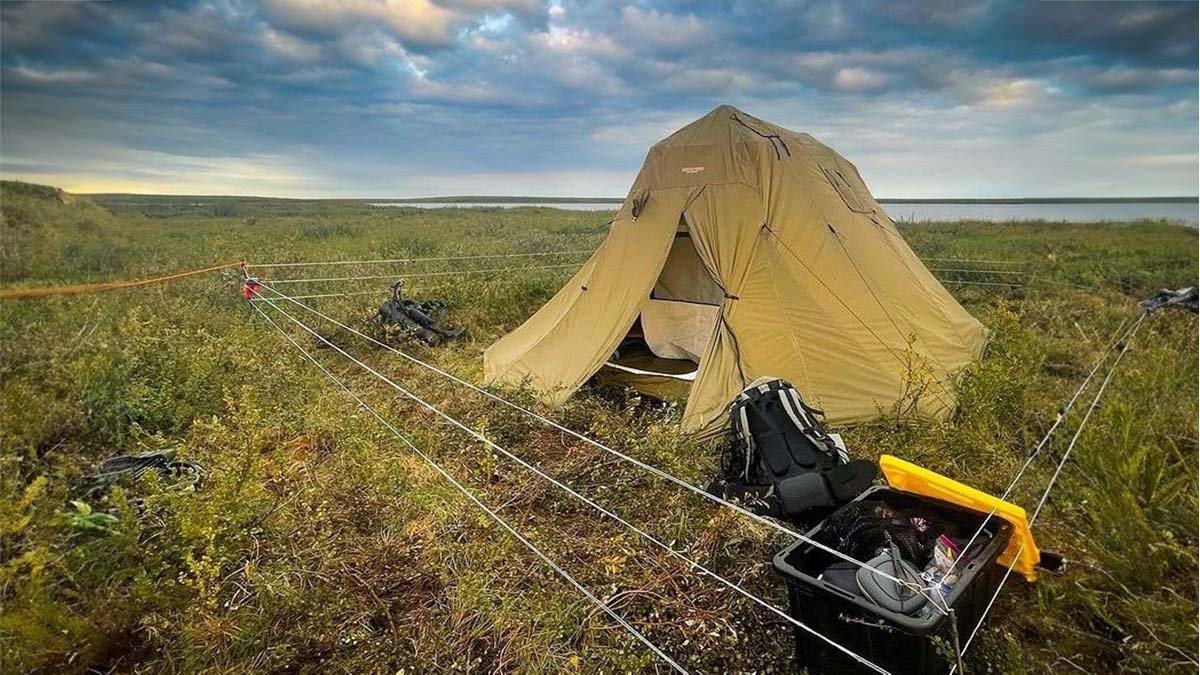
After your trip, clean the oven thoroughly to remove grease and food particles. Grease buildup is a significant fire risk because it can catch fire if it drips onto the burner during your next use. Use a non-abrasive degreaser on the interior walls, but avoid harsh chemicals near the burner ports.
Store your oven in a dry, cool place to prevent rust, which can compromise the integrity of the gas lines. If you live in a humid climate, seal the unit in a plastic bin with a desiccant pack. This simple step prevents the microscopic oxidation that leads to pinhole leaks in brass fittings.
Before every trip, check the burner assembly for cobwebs or dust. These obstructions block airflow and cause the flame to burn yellow rather than blue, which leaves soot on your cookware. If you notice rust on the metal housing, use a wire brush to remove it before it spreads.
If you detect damage to the gas regulator or hose, don’t attempt to repair it with tape. Tape can’t withstand the pressure of propane, and a leak here is a major safety hazard. Replace the entire assembly immediately.
Use this decision rule: if the hose feels brittle or cracks when bent at a 90-degree angle, it has reached the end of its service life. A well-maintained oven lasts for many years of outdoor use, provided you keep it clean and store it properly when you return home.
Choosing a different method
If you’re camping in extreme cold and need to stay warm, don’t use an oven to heat your tent. Instead, invest in a high-quality sleeping bag rated for lower temperatures or use hot water bottles placed inside your bag. These methods provide warmth without the risk of carbon monoxide or fire.
For those who want hot meals, consider a simple canister stove for boiling water. It’s much smaller, lighter, and safer to manage than a full-sized oven. If you absolutely need to bake, look for “baking kits” that fit over a standard camping stove. These are generally safer because they use a smaller flame and are easier to monitor than a dedicated oven unit.
Is it safe to leave a camping oven on while I sleep?
No, never leave a camping oven running while you sleep. It’s a major fire hazard and creates an extreme risk of carbon monoxide poisoning in any enclosed or semi-enclosed space.
How do I know if my oven is leaking gas?
You’ll usually smell a distinct, sulfur-like odor if there’s a leak in your propane or butane system. Perform a visual check of all hoses and connections for cracks, and if you suspect a leak, turn off the canister and move the unit to an open area.
Can I use my oven in a large, open-door tent?
No, even with the door open, a tent doesn’t provide the consistent, high-volume airflow required to safely vent the exhaust from a gas oven. Carbon monoxide can accumulate in pockets, especially near the floor or ceiling, regardless of how wide you open the door.
What is the safest way to bake while camping?
The safest way is to use a Dutch oven over a controlled campfire or a compact baking kit on a portable stove in an open, outdoor area. Always ensure your setup is on a non-flammable surface and kept well away from your tent and other flammable gear.
How long does a standard propane canister last for baking?
This varies by the specific model of your oven and the ambient temperature, so always check your owner’s manual for the estimated burn rate of your specific equipment.
Does it matter if my tent is canvas or nylon?
Yes, it matters for fire safety, but it doesn’t change the carbon monoxide risk. While canvas is more fire-resistant than nylon, both materials can catch fire if exposed to the direct heat of an oven, and neither provides protection against the buildup of toxic combustion gases.
Always set up your cooking area on a level, non-flammable surface well away from your sleeping shelter. If you notice the flame flickering or changing color while you cook, turn the unit off immediately and inspect your fuel connection. If you’re ever unsure about the safety of your setup, stop using the equipment and consult the manufacturer’s guidance for your specific model.