
Painting a glass table top properly means coating the underside with bonding primer and enamel paint, which protects the finish from daily use and takes about three days from setup to full cure. The job costs very little beyond paint supplies, ranks as needs care because smooth glass scratches easily, and requires you to have a dedicated drop cloth large enough to fully isolate the panel.
What you need
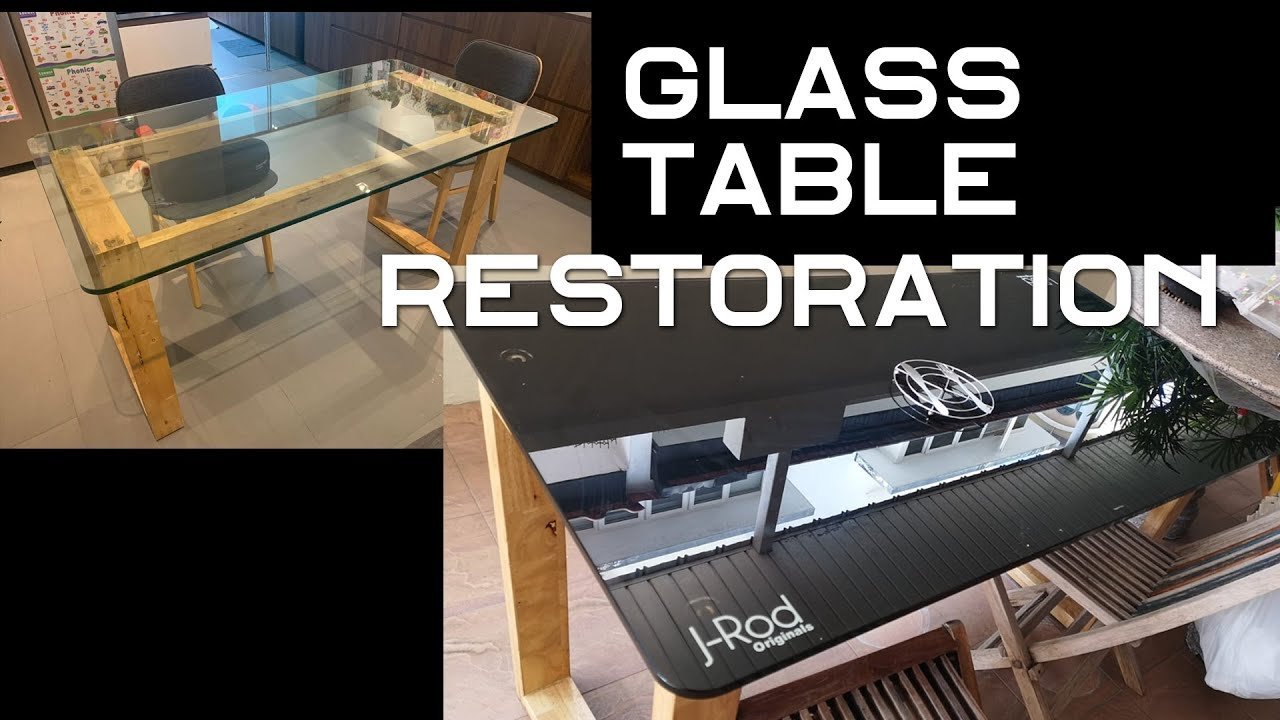 Photo: www.youtube.com on Google
| Item | How much | Why it’s needed | A substitute |
|---|---|---|---|
| Rubbing alcohol 70% | 1 bottle | Cleans body oils from glass | Acetone for unpainted raw glass |
| Painter’s tape | 1 standard roll | Protects edges and top side | none — don’t swap this |
| Bonding primer | 1 spray can | Grips slick, non-porous surfaces | none — don’t swap this |
| Acrylic enamel spray | 2 spray cans | Provides color and durable coat | Acrylic glass paint with roller |
| Microfiber cloth | 2 clean cloths | Wipes dust without lint | Clean lint-free cotton cloth |
| Clear acrylic sealer | 1 spray can | Locks dried paint against moisture | Clear polyurethane spray |
Before you start
- Carry the glass panel with two people and set it on a padded work table.
- Wipe dust away and place a clean drop cloth beneath the working zone.
- Cover the top side entirely with builder paper and secure the margins with tape.
- Check your room airflow; if working inside, follow EPA indoor air quality tips by opening opposite windows.
- Skipping the alcohol cleaning step causes paint peeling later, so degrease every inch.
Step by step
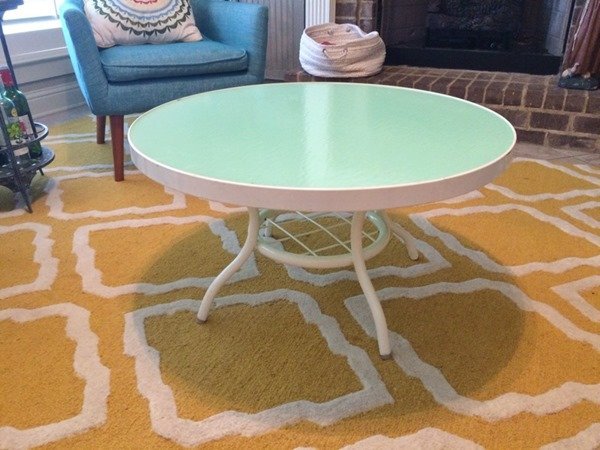 Photo: www.beaninloveblog.com on Google
- Lay the glass upside down on your work table over soft moving blankets so the decorative top stays scratch-free.
- Pour 2 tablespoons of rubbing alcohol onto a microfiber cloth and wipe the glass until the surface looks completely dry and streak-free.
- Stick painter’s tape along the outer side edge of the panel to block overspray from wrapping around to the front.
- Shake your can of bonding primer for 60 seconds until you hear the mixing ball rattle freely inside.
- Spray one thin coat of bonding primer from 10 inches away across the underside, waiting 30 minutes until it turns completely matte.
- Shake the enamel spray paint for 60 seconds and coat the primed glass using light, overlapping sweeps.
- Wait 45 minutes for the first color coat to dry, confirming it feels dry to a light knuckle touch.
- Apply a second solid coat of enamel spray paint, holding the panel up toward a light to ensure zero thin patches remain.
- Spray one even coat of clear acrylic sealer over the painted surface after 2 hours to prevent moisture damage.
How to know it worked
Flip the table over after 24 hours of drying time and examine the glass under bright overhead room light. A successful finish looks completely solid, displays uniform color, and shows no shadows or light beams when you look through from the top. If you see faded spots or thin cloudy areas, wait 4 hours and spray another color coat across the underside. Touch the underside edges after 72 hours; the paint must feel completely hard without rubbery give.
This method gives a glossy, factory-made look through the glass, but the trade-off is losing the transparent quality of the original furniture piece. This process isn’t for dining tables used without heat trivets, because hot pans soften fresh acrylic coats. If the glass has existing deep gouges, paint fills them unevenly; if it’s smooth, the paint bonds flat. Remember, drying times vary by room temperature and humidity, so check the paint can label for exact cure intervals.
If something goes wrong
| What happened | Why | What to do |
|---|---|---|
| Paint peels off | Oil stayed on glass surface | Scrape clean with razor blade |
| Wrinkled paint finish | Second coat applied too fast | Sand flat after full cure |
| Visible thin spots | Spray can passed too quickly | Spray another light color layer |
| Drips on edges | Paint sprayed too thick | Scrape flat once fully dry |
| Blurry spray haze | Spray can held too far | Wipe off with alcohol immediately |
How often to do this
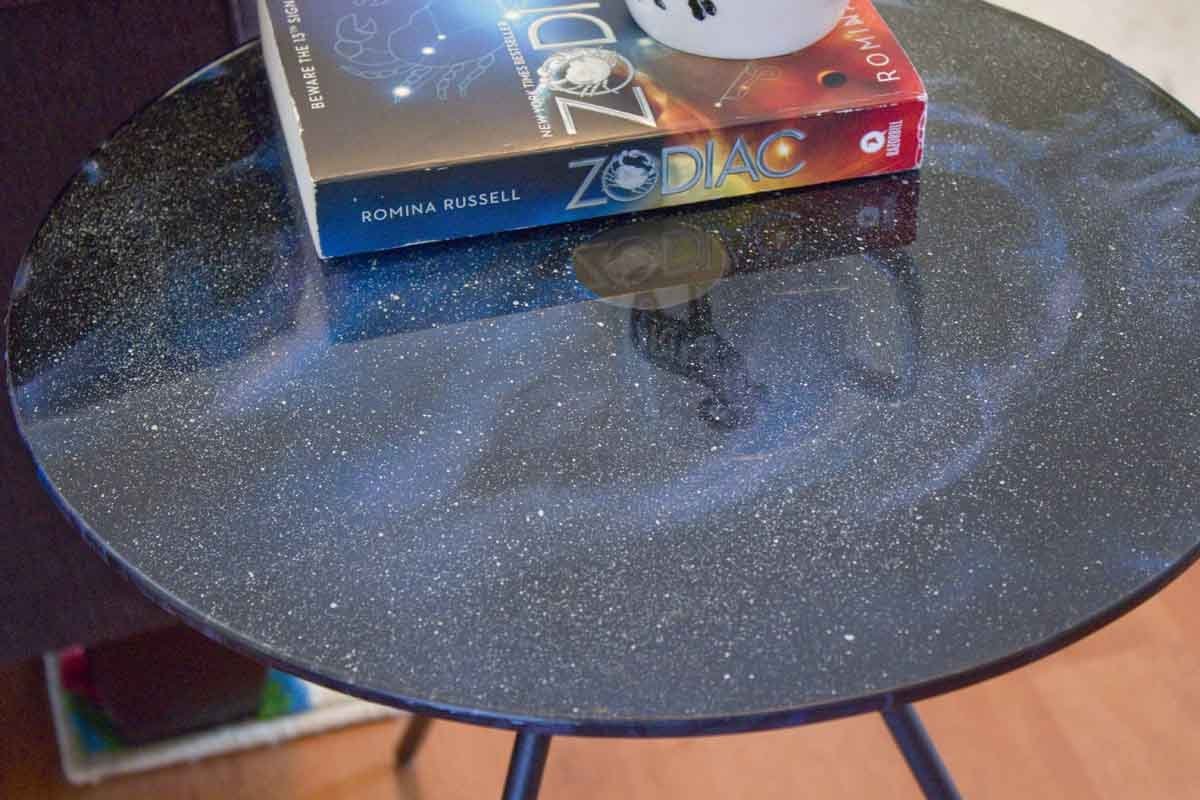 Photo: www.chicaandjo.com on Google
A properly coated underside lasts indefinitely because normal surface cleaning never touches the paint layer. You’ll only need to touch up or repaint this piece if moving the furniture scrapes the bottom, or if extreme indoor humidity softens the backing. Most indoor pieces last ten years without touch-ups. Outdoor tables face sun shifts and require regular inspection for edge lifting. Neglecting to pad the table frame before dropping the glass back in costs you fresh paint chips right away.
Frequently asked questions
Can you paint both sides of a glass table?
No, because painting the top side leaves the surface vulnerable to scratches, spills, and peeling during normal daily use. Applying paint exclusively to the underside uses the glass thickness as a protective barrier, keeping the finished furniture durable, wipeable, and shiny from above.
What happens if you skip primer on glass?
The paint will bubble and peel away in large sheets within weeks. Glass has a non-porous, perfectly smooth surface that regular spray paint can’t grip directly. A dedicated bonding primer creates a chemical bridge that holds the color permanently to the panel.
Is it safe to paint a glass dining table?
Yes, as long as you apply all primers, paints, and sealers to the underside of the panel. The glass top keeps your food and utensils away from the dried chemicals underneath. Never apply paints directly to the upper eating surface.
How long before you can use the painted table?
About 72 hours under normal room conditions. While the paint dries to the touch in a few hours, the resin layers require 3 full days to cure completely before handling heavy objects or resting the glass back onto its base.
Does tempered glass need special paint?
No, tempered glass uses the exact same bonding primers and acrylic enamels as standard float glass. The safety heat-treatment inside tempered glass changes its internal grain structure, but the outer surface remains smooth silica that bonds normally with quality acrylics.
Why is my paint scratching off so easily?
The paint layer hasn’t fully cured yet. Even when paint feels dry, chemical cross-linking takes up to a week in humid rooms. Avoid sliding the panel across rough furniture frames until the bonding cure finishes completely.
Related guides