
Are you wondering if you can use liquid chlorine in your hot tub? Keeping your hot tub clean and safe is important, but choosing the right sanitizer can be confusing.
You want clear water without harsh chemicals that might damage your tub or irritate your skin. You’ll discover whether liquid chlorine is a good choice for your hot tub and what you need to know before adding it. By the end, you’ll feel confident about the best way to keep your hot tub sparkling and ready for relaxation.
Keep reading to find out more!
Choosing The Right Chlorine For Hot Tubs
Keeping your hot tub water clean and safe is important for a good soak. Chlorine is a popular choice to kill germs and keep water clear. But not all chlorine types work the same in hot tubs. Picking the right one helps protect your tub and your skin.
Different chlorine forms offer different benefits and have unique ways to use. Understanding these differences helps you care for your hot tub better. Let’s explore liquid chlorine and how it compares to other sanitizers.
Liquid Chlorine Vs. Other Sanitizers
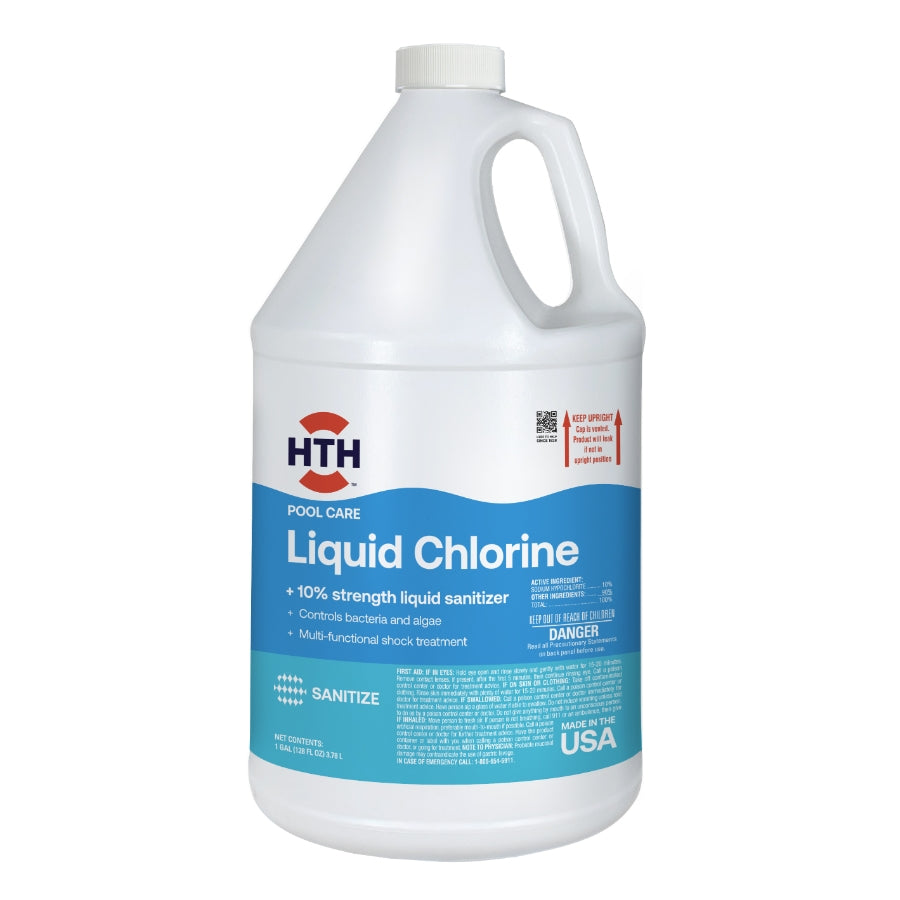
Liquid chlorine is a strong, fast-working sanitizer. It dissolves quickly in water and starts killing bacteria right away. Other sanitizers include chlorine tablets, granules, and bromine.
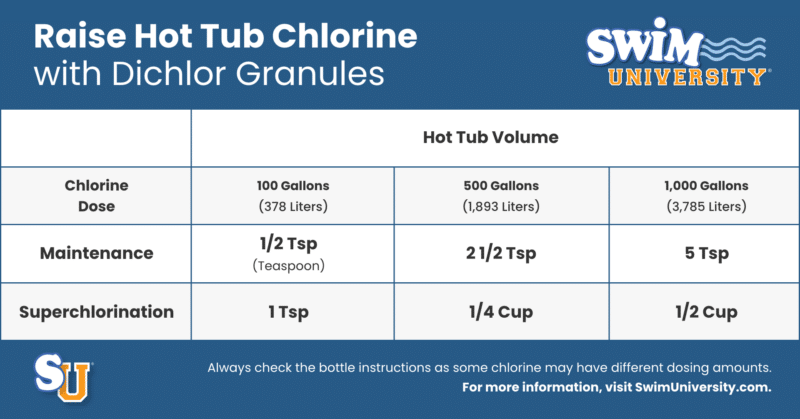
Chlorine tablets last longer but dissolve slowly. Granules need to be mixed before adding. Bromine works well in hot water but costs more. Liquid chlorine is easy to measure and adjust.
Each sanitizer affects water chemistry differently. Liquid chlorine raises pH levels, so you must check and balance water often. Bromine keeps water stable but needs special chemicals. Choose what fits your routine and water needs.
Benefits Of Liquid Chlorine
Liquid chlorine kills bacteria quickly and works instantly. It does not leave residue or stains on hot tub surfaces. It is easy to add and control doses precisely.
Liquid chlorine is cost-effective for frequent use. It helps maintain clear, clean water without strong odors. It also breaks down faster than tablets, reducing buildup in pipes.
This chlorine type works well with regular testing and water balancing. Using liquid chlorine keeps your hot tub safe and enjoyable for every soak.
Credit: hthpools.com
Proper Dosage For Liquid Chlorine
Using liquid chlorine in a hot tub requires the right dosage. Too little won’t clean the water well. Too much can irritate your skin and damage the tub. Knowing how to measure and add the correct amount keeps your hot tub safe and clean.
Calculating The Correct Amount
First, check the size of your hot tub in gallons. This helps you know how much chlorine to add. Most liquid chlorine products suggest adding about 1 to 3 ounces per 100 gallons. Use a measuring cup or a jug with clear markings. Add the chlorine slowly, pouring it around the tub’s edges. Let the water circulate for at least 30 minutes to mix well.
Avoiding Overchlorination
Too much chlorine can cause strong smells and skin irritation. Use a test kit to check chlorine levels before and after adding. The safe range is between 1 and 3 parts per million (ppm). Wait several hours after adding chlorine before using the hot tub. This time allows chlorine to settle and become safe. Keep liquid chlorine stored in a cool, dark place to keep it effective and safe.
Safe Application Techniques
Using liquid chlorine in a hot tub needs careful handling. Safe application protects the tub and keeps water clean. Follow clear steps to avoid damage and ensure safety. Proper technique helps chlorine work well without harming equipment or skin.
How To Add Liquid Chlorine
Pour liquid chlorine slowly around the hot tub edges. Avoid pouring it directly over jets or filters. This stops damage to parts. Use a plastic measuring cup to control the amount. Wear gloves to protect your hands from chemicals.
Timing And Mixing Tips
Add chlorine when the hot tub is off. Turn off jets to let chlorine mix naturally. Wait at least 15 minutes before using the tub. Test water chlorine levels before each use. Do not add chlorine if people are in the tub.
Credit: www.youtube.com
Potential Risks Of Using Liquid Chlorine
Using liquid chlorine in a hot tub carries several risks. It is important to understand these dangers before adding it to your water. This section explains the main problems linked to liquid chlorine use.
Chemical Reactions And Damage
Liquid chlorine can cause harmful chemical reactions in hot tubs. It may react with other chemicals already in the water. These reactions can produce toxic gases that are dangerous to breathe.
Chlorine is strong and can damage hot tub parts. It can corrode metal fittings, pipes, and heaters. This damage may lead to costly repairs or replacements.
Health And Safety Concerns
Liquid chlorine can irritate skin and eyes. It can cause redness, itching, or burning sensations. Breathing in chlorine fumes can hurt your lungs and throat.
Using too much liquid chlorine can create unsafe water conditions. It can make the water very harsh and uncomfortable for bathers. Proper handling and dosing are crucial to avoid health risks.
Maintaining Balanced Water Chemistry
Maintaining balanced water chemistry is key for a clean and safe hot tub. Proper balance keeps the water clear, comfortable, and free of harmful bacteria. It also protects your hot tub equipment from damage. Regular checks and adjustments ensure a pleasant soaking experience.
Testing Ph And Chlorine Levels
Test the water pH and chlorine levels at least twice a week. pH should stay between 7.2 and 7.8 for comfort and sanitizer efficiency. Chlorine levels should be between 1 and 3 parts per million (ppm). Use test strips or a liquid test kit for accurate results. Low chlorine allows bacteria to grow. High chlorine can irritate skin and eyes.
Adjusting Alkalinity And Hardness
Total alkalinity acts as a buffer for pH changes. Aim for 80 to 120 ppm. Low alkalinity makes pH unstable. High alkalinity causes cloudy water and scaling. Calcium hardness prevents corrosion and damage. Keep it between 150 and 250 ppm. Use chemical additives to raise or lower alkalinity and hardness as needed. Balanced levels protect your hot tub and improve water quality.
Storage And Handling Of Liquid Chlorine
Storing and handling liquid chlorine safely is key to maintaining a hot tub. Proper care keeps the chemical effective and prevents accidents. Understanding the right conditions and precautions helps protect your health and property.
Proper Storage Conditions
Keep liquid chlorine in a cool, dry place. Avoid direct sunlight to prevent chemical breakdown. Store it away from heat sources and open flames. Use a well-ventilated area to reduce fumes. Keep the container tightly closed when not in use. Store it separately from other chemicals to avoid dangerous reactions.
Safety Precautions During Handling
Always wear gloves and eye protection when handling liquid chlorine. Avoid breathing in fumes by working in open air. Never mix chlorine with other cleaning products. Use a clean container and tool to measure the chemical. Wash your hands thoroughly after handling. Keep it out of reach of children and pets.
Alternative Sanitizing Options
Liquid chlorine is a common sanitizer for hot tubs, but other options exist. These alternatives help keep your hot tub clean and safe. They can fit different preferences and needs. Understanding these choices helps you maintain water quality easily.
Using Bromine Instead
Bromine is a popular alternative to chlorine. It works well in hot water and stays effective longer. Bromine causes less odor and is gentler on the skin. It also handles pH changes better than chlorine. Bromine tablets or granules are simple to use. They dissolve slowly, providing steady sanitizing power. Many hot tub owners prefer bromine for comfort and safety.
Saltwater Systems For Hot Tubs
Saltwater systems offer a different way to sanitize water. These systems turn salt into chlorine through a process called electrolysis. Saltwater feels softer on the skin and eyes. It reduces the need to add chemicals often. Salt systems are easier to maintain over time. They provide a steady supply of sanitizer for your hot tub. This option suits those wanting less chemical handling and smoother water.
Credit: www.swimuniversity.com
Frequently Asked Questions
Can Liquid Chlorine Damage A Hot Tub’s Surface?
Liquid chlorine can harm your hot tub’s surface if used in high amounts. It may cause discoloration or roughness. Use it carefully and follow the correct dosage.
Is Liquid Chlorine Safe For Hot Tub Water?
Yes, liquid chlorine is safe when used properly in hot tubs. It helps kill bacteria and keeps water clean. Always test water before adding chlorine.
How Much Liquid Chlorine Should I Add To My Hot Tub?
Add about 1 to 3 ounces of liquid chlorine per 500 gallons of water. Check the chlorine level with test strips to avoid over-chlorinating. Adjust as needed.
Can I Use Liquid Chlorine Instead Of Chlorine Tablets?
Liquid chlorine works as a quick sanitizer, but tablets last longer. Tablets dissolve slowly, providing steady chlorine levels. Use liquid chlorine for fast results or tablets for maintenance.
How Often Should I Add Liquid Chlorine To A Hot Tub?
Add liquid chlorine 1 to 3 times a week, depending on use and water conditions. Regular testing helps keep levels safe and effective. Avoid adding too much at once.
Will Liquid Chlorine Affect Hot Tub Equipment?
High chlorine levels can corrode metal parts and damage equipment. Keep chlorine levels balanced to protect pumps, heaters, and filters. Proper care extends your hot tub’s life.
Can I Swim Right After Adding Liquid Chlorine?
Wait at least 30 minutes after adding liquid chlorine before swimming. This allows chlorine to spread evenly and disinfect the water. Always check chlorine levels before entering.
Conclusion
Liquid chlorine can be used in a hot tub with care and proper handling. Always measure the amount carefully to avoid damage. Test the water regularly to keep it safe and clean. Avoid adding chlorine directly to the hot tub.
Pour it into water first, then add to the tub. This helps protect the tub’s surface and your skin. Proper maintenance ensures a clear, healthy hot tub. Use the right products and follow instructions for best results. Enjoy your hot tub safely and keep the water balanced.