
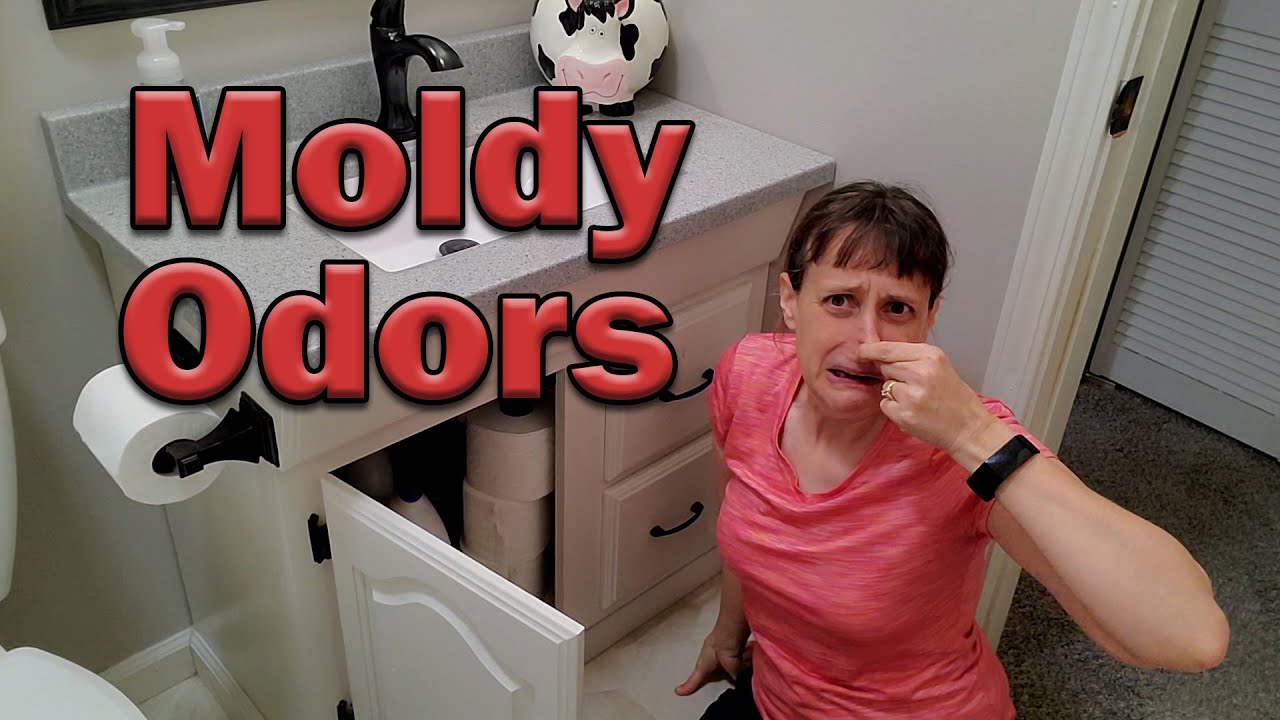
Have you ever opened your bathroom cabinet and been hit by an unpleasant smell? That stubborn odor lurking under your sink can be frustrating and embarrassing.
You might wonder where it’s coming from and how to get rid of it for good. Don’t worry—this isn’t something you have to live with. You’ll discover the common causes behind that smell and simple steps you can take to freshen up your space.
Keep reading to find out how to turn your bathroom cabinet from a smelly trouble spot into a clean, inviting area.
Common Causes Of Odors Under The Sink
Bad smells under the bathroom sink are common. These odors can make your bathroom unpleasant. Understanding what causes these smells helps fix the problem fast.
Several factors can cause odors under the sink. Some are easy to spot. Others need more attention to find and fix.
Leaking Pipes And Moisture
Leaking pipes create damp areas under the sink. Moisture attracts mold and mildew. It also causes wood and materials to rot. This wet environment produces musty smells. Fixing leaks stops the smell and protects your cabinet.
Mold And Mildew Growth
Mold and mildew grow in dark, wet spaces. The area under the sink often fits this description. These fungi produce a strong, sour odor. Mold can harm your health and damage surfaces. Cleaning and drying the space reduces mold growth.
Clogged Drains And Traps
Drains and traps catch dirt, hair, and soap. Over time, these materials build up and clog the drain. Stuck debris decomposes and creates bad smells. Regular drain cleaning removes blockages and stops odors.
Food And Organic Waste
Leftover food or organic waste under the sink can rot. Garbage bags or containers may leak liquids. This decay causes unpleasant, foul odors. Keeping the area clean and removing waste often prevents smells.
Chemical Residue And Cleaning Products
Cleaning products stored under the sink can leak or spill. Chemical residues mix with moisture and create strange smells. Some products have strong scents that linger. Organizing and sealing containers helps reduce odors.
How To Identify The Source Of The Smell
Bad smells under the bathroom sink cabinet can be frustrating. The first step is to find the source of the odor. This helps to fix the problem quickly and avoid damage. Use a step-by-step approach to identify where the smell comes from. Check the most common causes carefully.
Inspecting For Leaks And Water Damage
Look under the sink for wet spots or puddles. Check the pipes and connections for drips or moisture. Water damage often causes a musty smell. Feel the cabinet floor and walls for softness or swelling. These signs point to a leak that needs repair.
Checking For Mold Spots And Mildew
Mold grows in damp, dark places like under the sink. Look for black, green, or white patches on surfaces. Smell for a damp, earthy odor near the mold. Clean visible spots carefully with a mold remover. Wear gloves and a mask to protect yourself.
Testing Drain And Trap Cleanliness
Drain buildup can cause bad odors. Remove the drain cover and check for grime or hair clogs. The P-trap under the sink can hold smelly debris. Detach the trap and clean it well. Flush the drain with hot water mixed with baking soda or vinegar.
Detecting Hidden Food Debris
Food scraps from trash or sink disposal can rot and smell. Check the garbage bin inside the cabinet. Clean around the disposal unit if you have one. Look for stuck food in corners or cracks. Remove any debris to stop the odor from spreading.
Simple Fixes To Eliminate Odors
Bad smells under the bathroom sink cabinet can be annoying. These odors often come from moisture, leaks, or trapped dirt. Simple fixes can remove these smells quickly. Cleaning and minor repairs help keep the area fresh and odor-free.
Fixing Leaks And Sealing Gaps
Leaks create moisture that causes bad odors. Check pipes and connections under the sink. Tighten any loose fittings. Use plumber’s tape to seal small leaks. Seal gaps around pipes with caulk. This stops water from pooling and causing smells.
Cleaning And Disinfecting The Area
Remove everything from the cabinet. Wipe down all surfaces with a cleaner. Use a disinfectant to kill bacteria and mold. Pay close attention to corners and edges. Let the area dry completely before putting items back.
Unclogging Drains And Traps
Clogged drains cause standing water and odors. Use a plunger or drain snake to clear blockages. Pour baking soda followed by vinegar down the drain. Let it fizz for 15 minutes. Flush with hot water to remove buildup.
Proper Storage Of Cleaning Supplies
Store cleaning products in sealed containers. Avoid leaks and spills inside the cabinet. Keep items organized to improve air flow. Use trays or bins to catch drips. This reduces the chance of odors developing.
Using Natural Deodorizers
Natural deodorizers absorb bad smells safely. Place activated charcoal bags under the sink. Use baking soda boxes to neutralize odors. Fresh lemon slices or vanilla extract also help. Replace these items regularly for best results.

Credit: www.reddit.com
Preventive Measures To Keep The Area Fresh
Preventive measures help keep the area under your bathroom sink fresh and clean. This space often traps moisture and odors. Taking simple steps stops bad smells before they start. Regular care keeps the cabinet dry and smelling good.
Small habits make a big difference. These tips protect the cabinet from mold, mildew, and unpleasant smells. A fresh under-sink area improves your whole bathroom’s atmosphere.
Regular Cleaning Routine
Clean the cabinet at least once a week. Remove all items and wipe the surfaces with mild soap and water. Focus on corners and edges where dirt collects. Dry the area fully after cleaning. This stops mold and mildew from growing. Keep cleaning cloths and sponges clean too.
Maintaining Dryness And Ventilation
Keep the cabinet dry at all times. Fix leaks from pipes or faucets immediately. Use a small fan or open the bathroom door to air out the space. Avoid storing wet items under the sink. Good airflow reduces dampness and prevents bad smells.
Proper Waste Disposal Habits
Never throw trash or food scraps under the sink. Use a sealed trash bin outside the cabinet. Dispose of used cleaning wipes and paper towels properly. This avoids attracting pests and stops odors from building up. Regularly empty the bin to keep the area fresh.
Installing Odor-blocking Devices
Place activated charcoal bags or odor absorbers inside the cabinet. These devices trap smells and improve air quality. Replace them every few months to keep them effective. You can also try small moisture absorbers to control dampness. Simple devices help maintain a clean, fresh space.
When To Call A Professional
Knowing when to call a professional for a smell under the bathroom sink is important. Some problems need expert help to fix properly. This keeps your bathroom safe and clean. Ignoring certain signs can cause bigger issues.
Persistent Odors Despite Cleaning
Cleaning under the sink but the smell stays? This may mean a deeper issue. A professional can find hidden problems causing the odor. They use tools to check pipes and drains. Quick action stops smells from returning.
Major Plumbing Issues
Leaks or slow drains need expert attention. Plumbing problems can cause smells and water damage. Professionals can fix leaks and replace broken parts. Fixing plumbing early saves money and hassle later.
Mold Infestation Risks
Musty smells may point to mold growth. Mold can harm your health and damage your home. Experts can safely remove mold and find the source. They help prevent mold from coming back.
Structural Damage Concerns
Smells might come from hidden water damage. This can weaken cabinets and walls. Professionals inspect for rot and damage. Early repair keeps your bathroom strong and safe.

Credit: www.reddit.com
Credit: www.youtube.com
Frequently Asked Questions
What Causes The Smell Under Bathroom Sink Cabinets?
The smell often comes from leaks, mold, or trapped moisture. Old pipes or clogged drains can also cause odors.
How Can I Find The Source Of The Bad Smell?
Look for water stains, mold patches, or dampness inside the cabinet. Smell near pipes and drains to pinpoint the source.
Can Mold Grow Under Bathroom Sink Cabinets?
Yes, mold grows easily in damp, dark places like under sinks. It causes musty smells and can damage wood or paint.
How Do I Stop The Smell From Coming Back?
Fix leaks and keep the area dry. Clean regularly and use moisture absorbers or ventilation to prevent odors.
Is A Clogged Drain Causing The Smell Under My Sink?
Clogged drains trap water and waste, causing bad smells. Cleaning or unclogging the drain can remove the odor.
Should I Replace Pipes To Fix The Smell Problem?
Not always. Pipes need replacement only if they are cracked or leaking. Otherwise, cleaning and sealing leaks can help.
What Home Remedies Can Remove The Smell Under The Sink?
Use baking soda or vinegar to absorb and neutralize odors. Air out the cabinet and clean with mild soap regularly.
Conclusion
Bad smells under your bathroom sink cabinet signal a problem. Check for leaks, mold, or trapped dirt often. Clean the area regularly to keep odors away. Use natural deodorizers like baking soda or vinegar. Fix plumbing issues quickly to stop smells from returning.
A fresh-smelling cabinet makes your bathroom more pleasant. Small steps can keep your space clean and healthy. Don’t ignore these smells—they warn about bigger problems. Take action today for a fresher bathroom tomorrow.