
Most issues with these machines are temporary, so identifying samsung washer error codes often involves a simple reset or a check of your water supply lines. You should stop the cycle immediately if you see water leaking or hear a loud grinding sound, as these may indicate mechanical failure. To confirm the specific problem, press and hold the “Start/Pause” button for three seconds or consult your official Samsung support guide to match the code on your display to the correct repair step.
Understanding Samsung washer error codes
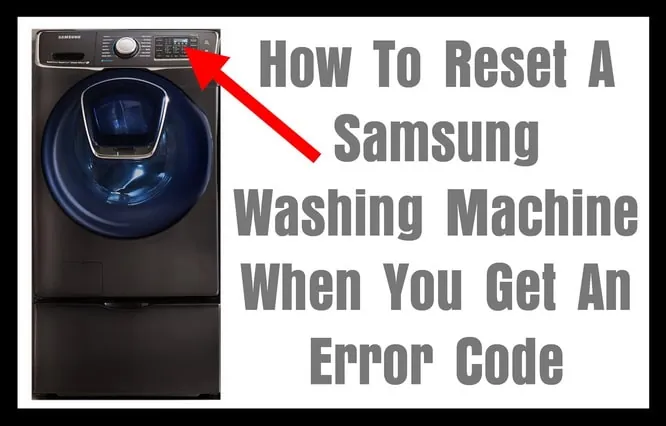
You can often determine the cause of an error by matching the code on your screen to the list below. If you see a code, note it down before you attempt any reset to ensure you’re troubleshooting the correct part of the machine.
| What you notice | What it usually means | What to do first |
|---|---|---|
| 4E or 4C | Water supply failure | Check inlet hose connections |
| 5E or 5C | Drain system blockage | Clean the debris filter |
| dE or dC | Door sensor error | Close door firmly |
| UE or Ub | Unbalanced load | Redistribute laundry items |
| HE or H1 | Heating element issue | Check water temperature |
| LE or LC | Water leak detected | Inspect hoses for leaks |
Most users mistake a 5E drain error for a broken pump, but the culprit is often a kinked drain hose behind the unit. If the hose is clear, check the drain pipe height; it must be between 24 and 36 inches off the floor to prevent siphoning.
If you see a UE code, avoid the urge to simply restart the cycle immediately. Your machine has already reached its limit for vibration, and the internal sensors need a full power cycle to reset. Turn the unit off for thirty seconds before rearranging the load.
When dealing with LE codes, look for moisture at the base of the machine. If the floor is dry, the sensor may be triggered by suds from using too much detergent. In this case, run a rinse cycle without soap to clear the foam.
Resolving water supply issues
When the machine displays a 4E or 4C error, it means the water isn’t entering the tub at the expected rate. This often happens because the inlet screens are clogged with mineral deposits or the hoses are kinked behind the unit. If you have low water pressure in your home, the machine will trigger this alert because it can’t fill within the programmed time limit.
To confirm this, turn off the water taps and unscrew the hoses from the back of the washer. Check the small mesh filters inside the inlet valves for any debris or sand. If they’re dirty, gently scrub them with a soft brush and rinse them under running water. After you reattach the hoses, turn the water on slowly and check for leaks. If the error disappears during your next cycle, the blockage was the cause.
If the water pressure is fine but the error returns, the inlet valve itself may be faulty. This assumes your home water pressure is at least 20 PSI; if it’s lower, the washer will struggle to fill regardless of the hose condition.
You can test your home pressure by timing how long it takes to fill a one-gallon bucket from a nearby faucet. If it takes longer than 30 seconds, your home pressure is likely too low for the machine to operate reliably.
A common mistake is overtightening the hose connections, which can crack the plastic threads and cause a slow, hidden leak. Use only hand pressure to secure the fittings. If you still see moisture, replace the rubber washers rather than tightening the nut further.
Clearing a drain system error
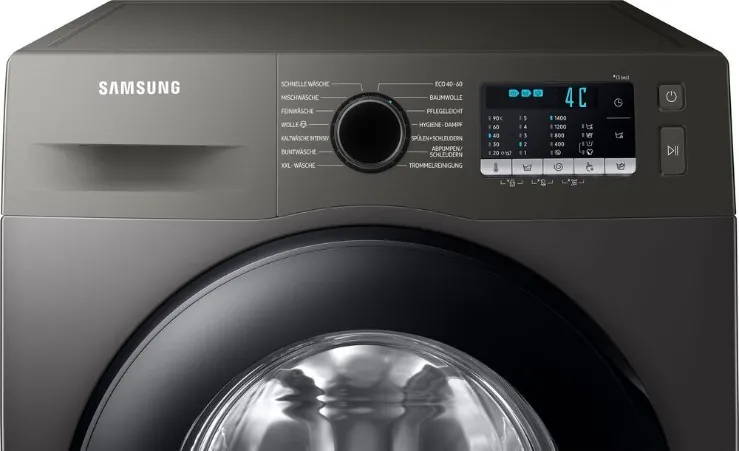
An 5E or 5C code tells you the water isn’t leaving the drum, usually because of a blocked pump filter. The drain pump needs a clear path to move water out, and small items like coins, hairpins, or loose buttons often get trapped in the filter assembly. This prevents the impeller from spinning, which stops the entire cycle.
To check this, locate the small door on the bottom front of your machine. Place a shallow tray or a thick towel on the floor to catch the water that will spill out when you open the drain hose cap. Once the water stops, unscrew the large filter cap counter-clockwise and remove any debris you find inside. Rinse the filter under a faucet to remove soap scum or lint.
Before replacing the filter, reach into the housing and manually spin the small propeller inside. If it feels gritty or stuck, you haven’t cleared the obstruction. A filter that clicks firmly into place is secure; if it feels loose, the machine will leak during the next cycle.
If the pump makes a loud humming noise but no water drains, it’s likely jammed. If it makes no sound at all, the pump motor might be burnt out. This assumes the drain hose isn’t clogged further down the wall pipe.
If your wall drain is backed up, the machine will show this error even if the filter is perfectly clean. Disconnect the hose from the wall; if water flows freely from the hose into a bucket, the blockage is in your home plumbing.
Fixing balance and door sensor issues
The UE or Ub code appears when the laundry load is too heavy or unevenly distributed, causing the tub to shake during the spin cycle. To fix this, pause the machine, open the door, and manually rearrange the wet clothes so they’re balanced around the drum. If you’re washing a single heavy item like a rug, add two or three towels to help the machine distribute the weight.
If the machine is on an uneven floor, it will trigger a UE error regardless of how well you balance the load. Use a bubble level to ensure all four feet are touching the floor firmly. Adjust the leveling legs by turning them until the machine doesn’t rock when you push on the top corners. If the machine still wobbles, the floor itself may be soft or sagging, requiring a thick plywood base to stabilize the weight.
The dE or dC code indicates the door isn’t locking correctly. This often happens if a stray sock is caught in the rubber gasket, preventing a tight seal. Inspect the door latch for any bent metal or plastic debris. If the door is clean and closes firmly but the code persists, the door switch sensor is likely failing.
If you hear the lock click but the error remains, the strike plate is likely misaligned. Loosen the screws slightly, shift the plate until the bolt centers perfectly, and tighten it back down. A loose strike plate costs you a service call for a simple mechanical adjustment.
When to seek professional repair
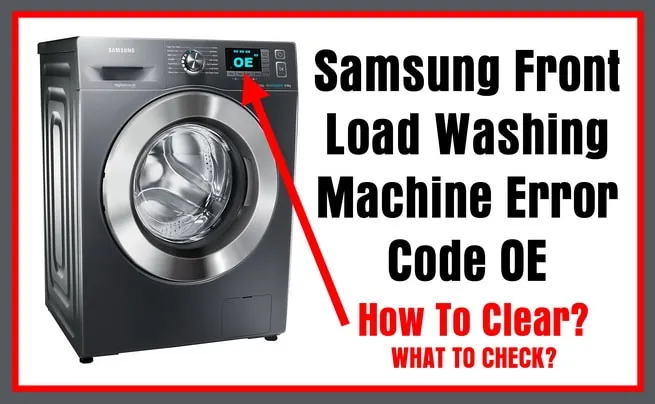
You must stop attempting to fix the machine if you encounter certain persistent issues that require specialized tools or internal access. Contact a licensed technician if you notice any of these signs:
The machine is leaking water from beneath the center of the unit, which suggests a failing tub seal or cracked inner drum. If you see water pooling near the motor housing, stop immediately to prevent a fire.
You smell burning plastic or see smoke coming from the control panel, as this indicates an electrical short. A scorched wire costs less to replace than a total unit fire.
The drum doesn’t rotate at all even after you have cleared all error codes, which points to a failed motor or control board. If the belt is intact but the drum remains seized, the motor has likely burned out.
The door remains locked even after the cycle is finished and the power is off, indicating a broken lock solenoid. Forcing the latch will snap the plastic assembly, turning a simple electrical repair into a costly structural replacement.
Never attempt to open the outer cabinet or touch electrical components, as internal capacitors can hold a lethal charge even when the machine is unplugged. Professional technicians have the training to test these circuits safely using a multimeter.
If the machine is still under the manufacturer’s warranty, call the support line directly. Opening the chassis yourself voids your coverage, leaving you responsible for the full cost of any future repairs.
Related guides
- 10 Best Washing Machines: Top Picks for Every Laundry Need in 2026
- 5 Best Espresso Machine Under 500 for Beginners: Our Picks in 2026
- How Much Does an Espresso Machine Cost? The Real Price Ranges in 2026
Frequently asked questions
Can I reset my washer to clear an error code?
Yes, you can often reset the machine by unplugging it from the wall outlet for a few minutes to allow the control board to power down. This allows the internal control board to discharge any stored energy and clear temporary electronic faults. Once you plug it back in, select a short cycle to see if the error returns. If the code persists immediately, the issue is physical rather than a software glitch.
Why does my washer show an error code while empty?
An empty drum error usually means a faulty sensor, such as a water level switch or a door lock. If the machine thinks the door is open or the tub is already full, it will refuse to start. Check the door gasket for debris first, as a small item can prevent the switch from engaging. If the error remains, the internal sensor likely needs a professional replacement.
How long does a typical washer repair take?
Most minor repairs, such as cleaning a pump filter or clearing an inlet hose, take about 20 to 30 minutes to complete. If a part needs to be replaced, the time depends on your ability to source the specific component for your model. If you hire a professional, they usually complete the diagnostic and repair in one visit, provided they have the correct parts in their van.
Is it safe to use the machine with a persistent error?
It isn’t safe to run the machine if it shows an error related to water leaks or electrical issues like a burning smell. These can lead to water damage in your home or a potential fire hazard. If the error is related to a simple balance issue, it’s safe to try a reset, but don’t ignore repeated alerts as they cause unnecessary wear on the motor.
What happens if I ignore a recurring error code?
Ignoring a code often leads to secondary damage, such as a burnt-out pump motor or a damaged drum bearing. For example, a clogged drain pump that’s left ignored will eventually seize up, turning a simple cleaning job into a full pump replacement. You’ll save money and extend the life of your appliance by addressing the root cause as soon as the display alerts you.
Does the age of the machine matter for error codes?
The age of your machine affects the types of sensors it uses and how easily you can find replacement parts. Older models may have simpler mechanical systems, while newer units use complex digital sensors that are more sensitive to voltage fluctuations. If your machine is quite aged, it’s often more cost-effective to replace a failed part yourself than to pay for expensive labor.
Conclusion
If you’ve tried these fixes and the display still shows an error, don’t hesitate to reach out to a certified technician. They’ll help you get your laundry routine back on track quickly. It’s always better to address these glitches early, so you won’t have to worry about bigger, costlier repairs later on.
