
Scintillators detect radiation by absorbing energy from incoming particles into a crystal, which causes electrons to emit visible light. This instantaneous process allows sensitive equipment to track invisible particles, much like a sensor recording a flash of light whenever a moving object strikes a wall.
How scintillators detect radiation
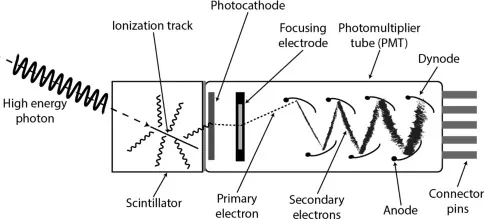
The system relies on specific components to turn high-energy radiation into a readable electrical signal. If you’re inspecting your equipment, you can find these specifications in your device manual or on the manufacturer’s technical data sheet.
| Part or input | What it does | What you notice when it goes wrong |
|---|---|---|
| Scintillation crystal | Converts radiation to light | Signal becomes dim or inconsistent |
| Optical coupling | Transfers light to sensors | Loss of signal strength |
| Photomultiplier tube | Turns light into electricity | High background noise or static |
| High voltage supply | Powers the sensor array | Device stops registering any counts |
| Shielding housing | Blocks external light interference | Frequent false positive readings |
Operators often mistake a failing optical coupling for a dead crystal. If your signal drops suddenly but the crystal appears physically intact, check the coupling grease. If the grease has dried or yellowed, the light transmission fails even if the sensor remains functional.
When calibrating, maintain your high voltage within 5% of the manufacturer’s baseline. Exceeding this limit creates thermal noise that mimics radiation events, leading to inflated count rates. If you see count rates jump without a change in radiation source, lower the voltage before replacing hardware. Always verify the shielding housing integrity first if your baseline noise floor rises during daytime hours.
Steps for detection and conversion
- High-energy radiation, such as a gamma ray, strikes the scintillation crystal. The energy from the ray kicks electrons inside the crystal into a higher, unstable energy state.
- These excited electrons quickly drop back to their original state. As they return, they release the stored energy in the form of a tiny flash of visible light.
- This light travels through an optical window or grease coupling. It must reach the light-sensitive surface of the sensor, usually a photomultiplier tube, without being blocked or scattered by dirt.
- The light hits a photocathode inside the sensor. This surface absorbs the photons and releases a small number of electrons, which start the electrical pulse chain reaction.
- The sensor multiplies these electrons millions of times. This process happens in a fraction of a microsecond, creating a measurable electrical current pulse that represents the original radiation hit.
- The counting electronics record the pulse. The strength of this electrical signal corresponds to the energy of the original radiation, allowing the system to identify the source type.
Why signal quality matters
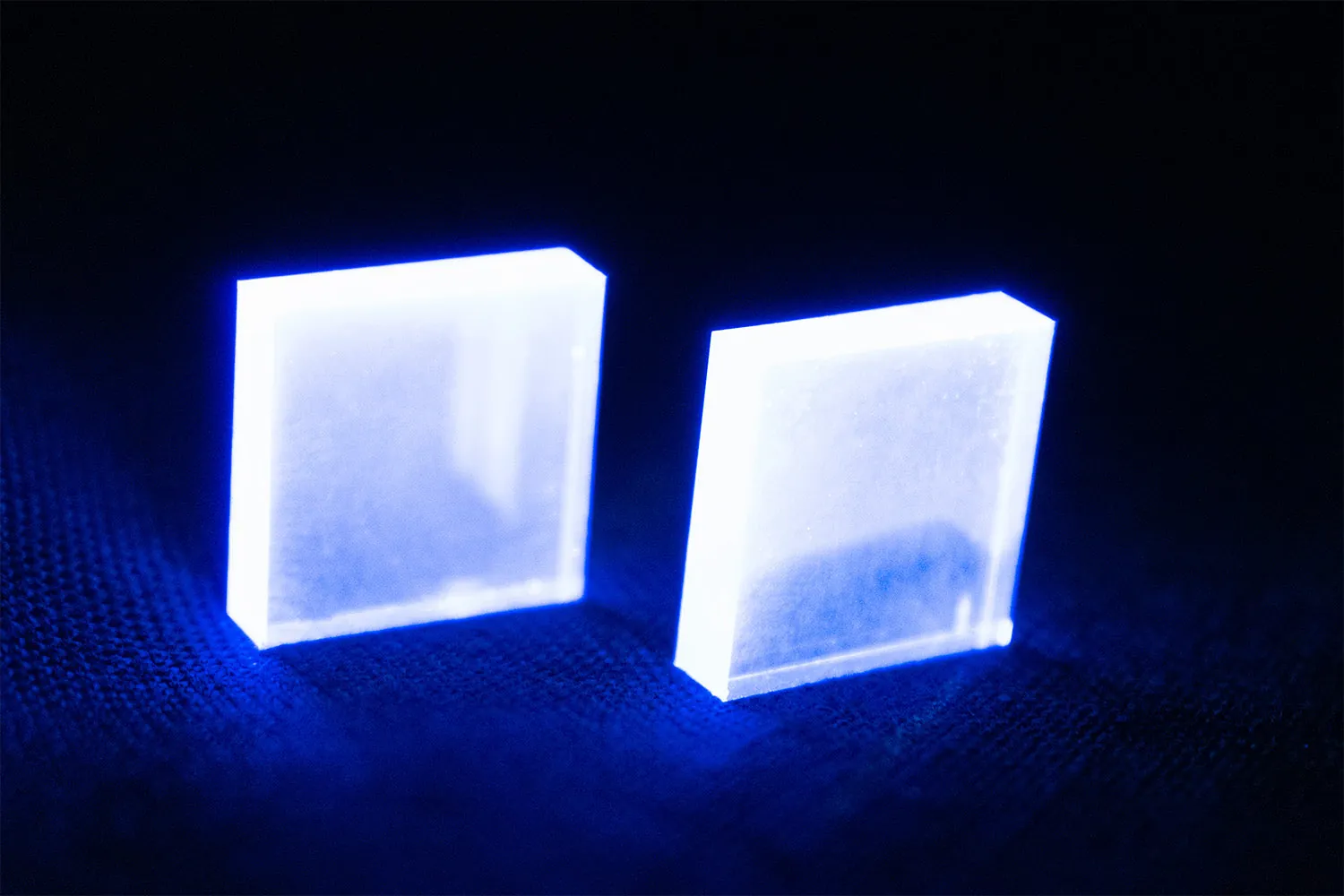
The connection between the crystal’s physical state and the final measurement is direct and sensitive. When a crystal is physically damaged or clouded, it can’t trap and release light effectively, leading to lower energy resolution. This means the detector struggles to tell the difference between a low-energy background radiation source and a high-energy source.
If the optical path between the crystal and the sensor is dirty, light is lost before it reaches the detector, which causes the system to miss weak radiation events entirely.
Proper calibration ensures the electrical pulses are counted correctly. If the high voltage supply fluctuates, the magnification factor inside the photomultiplier tube changes. This makes the radiation readings drift, giving you results that are higher or lower than the actual radiation levels present. According to the International Atomic Energy Agency, consistent energy calibration is required to maintain the accuracy of any radiation measurement system.
Environmental factors like temperature also shift how a crystal behaves. If the room gets too hot, the crystal may produce more background noise, which interferes with the detection of real radiation. You must keep the unit within its operating temperature range to ensure the data remains reliable. If you see inconsistent readings, check the housing for light leaks, as even a pinhole of outside light can overwhelm the sensor and ruin the data.
Adjustments and design limits
Things you can change
- Adjust the high voltage settings to match the detector’s baseline.
- Clean the external housing to prevent light leaks or dust buildup.
- Update the software threshold to filter out low-level electronic noise.
- Place the detector closer to the source to improve signal strength.
Things fixed by design
- The chemical composition of the crystal determines its light output.
- The physical dimensions of the sensor limit the total capture area.
- The inherent decay time of the crystal material is set at the factory.
Never attempt to open the internal vacuum-sealed tube or the lead-shielded crystal housing yourself. These components contain hazardous materials or require specialized laboratory equipment to re-seal. If the internal unit fails, contact the manufacturer’s certified service center for repair, as they have the tools to handle the radiation safety requirements for your specific model.
Improving detection performance

Consistent habits help you get the most accurate data from your equipment. First, keep the device in a stable temperature environment, as heat changes the light output per unit of radiation. If your device is rated for 20°C (68°F), moving it to a 30°C (86°F) room will shift your energy peaks. Always allow the system to warm up for 15 minutes before taking measurements, as this lets the high-voltage circuits reach a steady, reliable state.
If the grease or pad between the crystal and sensor dries out, you lose light transmission, and your sensitivity will drop noticeably.
Finally, always document the background radiation level in your specific location before starting a test. Since this level varies by geography and building materials, knowing your local baseline ensures you don’t confuse ambient radiation with your target source. If you’re working in a basement or near granite structures, expect higher background counts; adjust your integration time upward to maintain a signal-to-noise ratio that keeps your findings statistically significant.
Related guides
- 10 Best Dimmer Switches for Precise Light Control in 2026
- 5 Best Light Bulbs for Pump House Lighting Solutions in 2026
- Pentair Jandy Pool Lights Not Changing Color: The Fix in 2026
Frequently asked questions
How long does the detection process take?
The entire process takes less than one microsecond, which is the time it takes for the electrons in the crystal to return to their ground state. This speed is what allows these detectors to count millions of radiation events per second without losing data or overlapping signals.
Is it safe to handle a scintillation detector?
It’s safe to handle the outer casing of a detector, but you must never open the lead-lined housing or the vacuum-sealed sensor tube. These internal parts are delicate and may contain toxic materials; if your unit is damaged, contact a professional to handle the hazardous waste disposal.
Does the crystal size change the sensitivity?
A larger crystal increases sensitivity because it provides a bigger target for radiation to strike, capturing more particles per second. You can check the crystal dimensions in your user manual to see how your specific model compares to others, as a larger volume always increases the probability of capturing a hit.
What happens if the light path is blocked?
The system will show a lower count rate than expected because the light from the crystal never reaches the sensor. If the light signal is blocked, the detector effectively becomes “blind” to the radiation, so you must ensure the optical interface remains clean and fully connected at all times.
Can I replace the crystal myself?
You can’t replace the crystal yourself, as it requires specialized tools to maintain the vacuum and optical clarity of the sensor assembly. Attempting this will void your warranty and likely destroy the sensitivity of the detector, so always send the unit to the manufacturer for any internal hardware repairs.
How often should I calibrate the detector?
Calibration uses a known radiation source to set the energy peaks, ensuring that the counts you read on the screen accurately represent the actual radiation energy levels you’re testing.
Conclusion
These tiny flashes are just the beginning of what we can discover. By improving these materials, scientists hope to build even more precise scanners for medicine and security. You’ll likely see these tools evolve as researchers find new ways to capture every bit of energy, making our world a safer place.
