
A standard garage door sliding door usually requires a minimum of 6 to 12 inches of overhead clearance to operate smoothly, depending on the track system and hardware used. This setup replaces the traditional upward-swinging panel with a side-to-side motion, which is ideal for tight spaces or low ceilings. This guide covers the installation requirements, hardware selection, and maintenance steps needed to ensure your system operates safely and reliably for years to come.
How sliding garage doors work
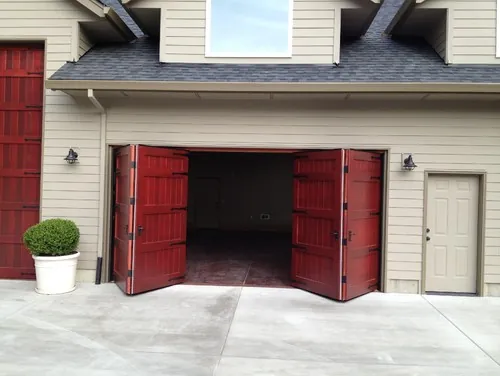
A sliding door for a garage is a specialized system that moves the door panel horizontally along the wall instead of lifting it overhead. This design is often chosen for detached structures or garages where the ceiling is too low for a standard torsion spring mechanism. It’s a great solution for those who need to maximize vertical storage space or who have irregular ceiling obstructions like pipes or rafters.
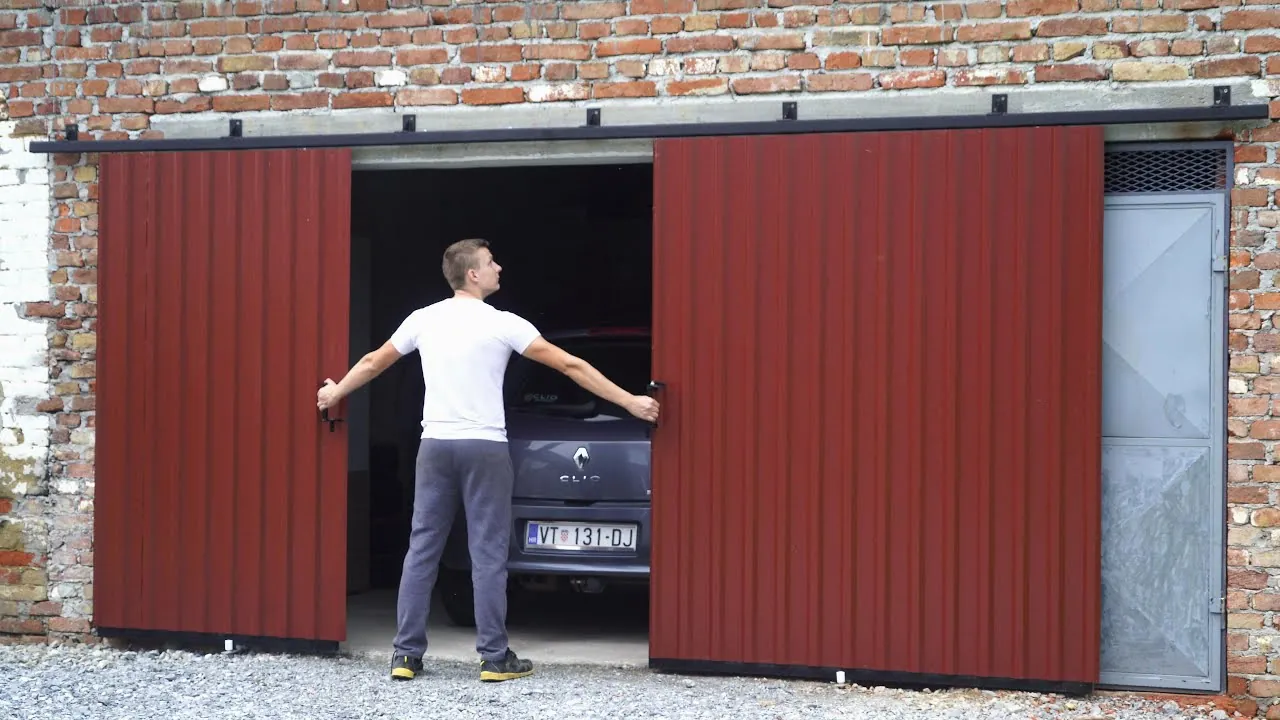
Many people assume these doors are just standard panels on wheels, but they require a heavy-duty track and guide system to manage the weight. The mechanism works by suspending the door from a top-mounted track while a floor guide keeps the bottom aligned.
If your garage wall has enough width to accommodate the door in its open position, this system is a viable alternative to traditional sectional doors. It isn’t suitable for garages where the side walls are cluttered with shelving or electrical boxes, as the door needs a clear path to slide fully open.
Installing the track and panels
- Measure the width of your garage opening and add 2 inches to ensure the door overlaps the frame correctly.
- Install the heavy-duty steel track along the top header, ensuring it’s perfectly level using a laser level; if the track is even slightly tilted, the door will drift when left unlocked.
- Attach the rollers to the top of the door panel using high-strength bolts, checking that each roller spins freely without catching.
- Lift the panel onto the track and secure the end stops at both ends to prevent the door from rolling off the track during operation.
- Install the floor guide at the bottom corner of the opening to prevent the door from swinging outward during high winds.
- Test the slide tension by pushing the door manually; it should glide without significant resistance or grinding noises.
A common mistake is failing to anchor the track into the structural header. If you only screw the track into drywall, the weight of the door will eventually pull the fasteners loose, leading to a total system failure. If you lack experience with structural framing or heavy door hardware, you should hire a licensed contractor to handle the installation to avoid injury or property damage.
Essential hardware and clearance data
| Situation | Recommended track type | Minimum side clearance | Maintenance task |
|---|---|---|---|
| Single car garage | Standard steel V-track | 12 inches | Grease rollers |
| Double car garage | Double-channel track | 24 inches | Tighten bolts |
| Heavy wood door | Industrial box track | 18 inches | Check alignment |
| Lightweight aluminum | Light-duty rail | 8 inches | Clean track |
| High-wind location | Anchored floor guide | 12 inches | Adjust tension |
This table assumes a standard residential door weight of 150 to 300 pounds. For heavier custom wood doors, you must consult the ANSI/DASMA 102 standards for specific hardware weight ratings and safety requirements to prevent the system from collapsing.
If your side clearance measures less than the minimum listed, don’t force the installation. You’ll likely bind the rollers, which prematurely strips the motor gears and leads to a total system failure. In tight spots, switch to a low-headroom kit that offsets the tracks.
When selecting hardware, look for the gauge of the steel. A 14-gauge track supports heavier doors better than the standard 16-gauge options. If you live in a coastal area, prioritize stainless steel components to prevent salt-air corrosion. Always verify that your mounting surface can support the combined load of the track and the door before drilling your first pilot hole.
Achieving smooth operation
Preparation is the most important part of the process. Experienced installers always check the wall surface for bowing before mounting the tracks. If the wall curves inward or outward by more than 1/4 inch, the door will bind or leave a large gap that lets in pests and drafts. Use shims to create a perfectly flat mounting plane for the track system.
The order of operations matters significantly for safety. Always secure the top track and test the rollers before attaching the bottom guides. If you set the floor guides first, you might find the door doesn’t sit square on the track, which creates unnecessary friction.
Many beginners make the mistake of tightening every bolt as they go. This costs you the ability to pivot the door into a true vertical position. If the door hangs at an angle, loosen the top mounting bolts by half a turn to regain the necessary play.
Experienced users leave the door slightly loose on the rollers until the final alignment is confirmed. This allows for small adjustments before tightening the hardware permanently. If the door still drags after these adjustments, check your floor level; a slope greater than 1/8 inch requires a wedge under the guide.
Troubleshooting common movement issues
| What you notice | What it usually means | What to do first |
|---|---|---|
| Door is hard to slide | Dirty track or debris | Clean the track groove |
| Door drifts when open | Track isn’t level | Re-level the top rail |
| Grinding or squealing | Dry bearings | Apply silicone lubricant |
| Door swings at bottom | Loose floor guide | Tighten floor anchor |
If the door remains stiff after cleaning, inspect the rollers for flat spots or hairline fractures. A single damaged wheel creates enough friction to stall the entire assembly. Replace the roller set immediately if you see uneven wear.
When a door drifts, check the wall mounting points first. If the rail is level but the wall is bowed, the door will always seek the lowest point. Use a shim behind the mounting bracket to force the rail into a true vertical plane.
Avoid petroleum-based oils on bearings, as these trap grit and accelerate wear. Use only a dry silicone spray that leaves no tacky residue. If the floor guide is loose, check the anchor depth. If the screw spins freely in the hole, move the guide slightly and drill a new pilot hole to ensure a firm grip.
Compliance and safety rules
Local building codes often dictate the minimum wind-load requirements for exterior garage doors. You must check with your local municipal building department to ensure your sliding system meets these regional standards, especially in hurricane-prone zones. Failure to meet these codes can lead to insurance claim denials if the door is damaged by high winds.
Any door exceeding 250 pounds requires a secondary safety cable to prevent the panel from falling if a roller fails. If you’re uncertain about the weight of your door, use a standard bathroom scale to check it before selecting your hardware.
Never attempt to modify the track or rollers with non-standard parts, as this voids your manufacturer warranty and introduces significant safety risks. If your door movement feels sluggish, don’t force the mechanism. A door that requires more than ten pounds of manual pressure to slide indicates a structural misalignment that will eventually snap your mounting brackets. If the door binds, stop immediately and inspect the track for debris or bent metal rather than applying more force.
Maintaining your sliding system
Regular care keeps the system moving quietly and prevents premature wear on the wheels. You should inspect the rollers for signs of flattening or cracking every six months, as these parts carry the entire load of the door. If you notice the door starting to drag, it’s usually a sign that the wheel bearings are worn out and need replacement.
Keep the bottom track clear of leaves, dirt, and gravel, as these items can cause the door to jump off its path. A quick wipe with a dry cloth followed by a light spray of silicone-based lubricant on the rollers will ensure smooth movement. Don’t use heavy grease, as it attracts dust and turns into a sticky paste that slows the door down. If the door becomes difficult to move even after cleaning, check for bent sections in the track.
Choosing the right alternative
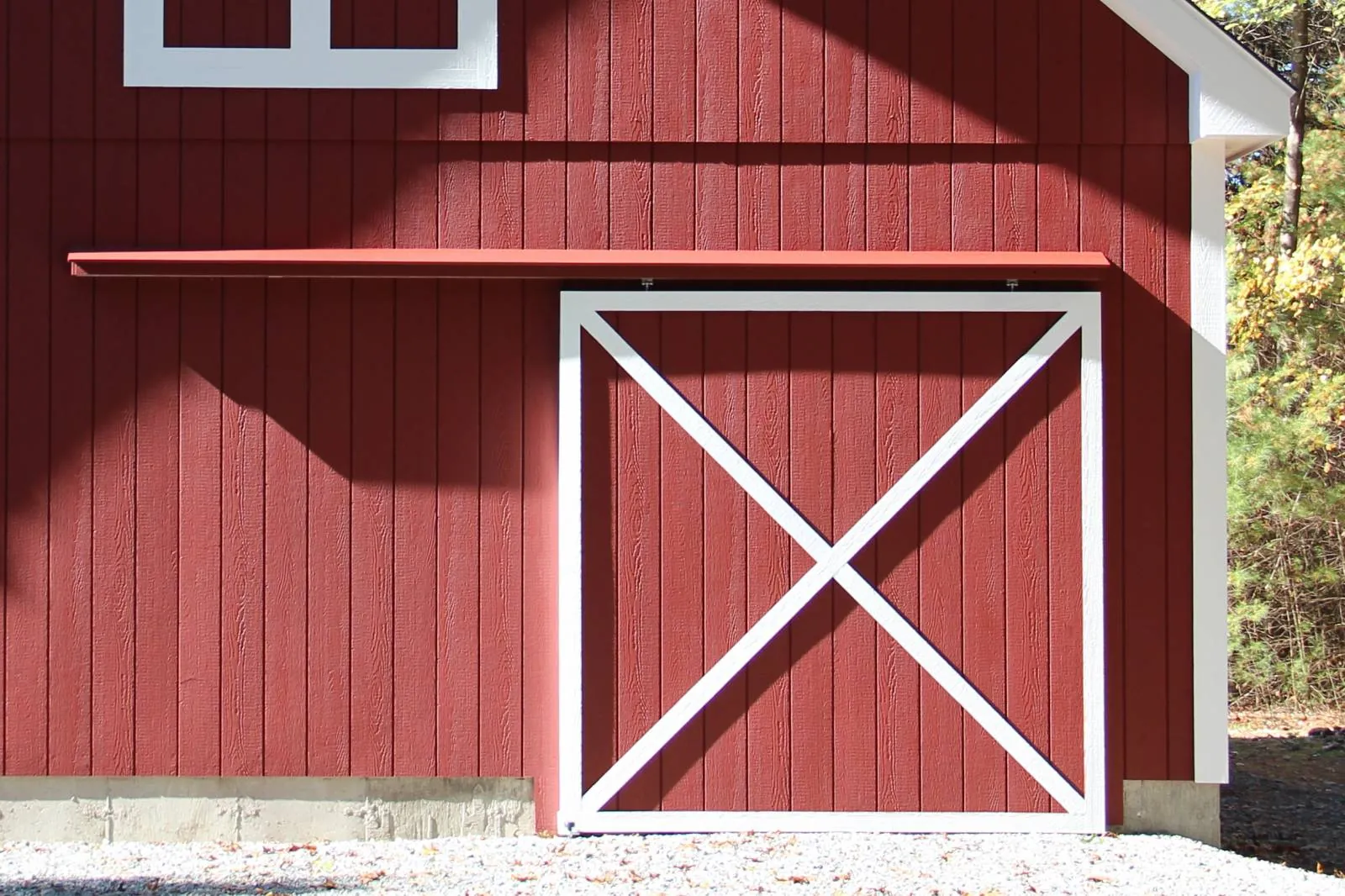
While sliding systems are excellent for space management, they aren’t the best choice for every home. If you live in a climate with heavy snowfall, a sliding door can be difficult to operate if snow accumulates in the floor track. In these cases, a traditional overhead sectional door is usually a better choice because it clears the ground entirely during operation.
If your garage is used as a primary entrance for your home, consider the security trade-offs. A sliding door is generally easier to pry open than a standard sectional door equipped with an automatic opener. If security is your main concern, you should invest in a heavy-duty locking bar or an electronic solenoid lock that engages automatically when the door is fully closed.
Frequently Asked Questions
Can a garage door sliding door be automated?
Yes, it can be automated using a specialized linear actuator or a side-mounted sliding door operator. These units are designed to pull the door horizontally along the track. You must ensure the motor is rated for the specific weight and length of your door panel to avoid overheating.
Is it safe to install a sliding door myself?
It’s safe if you have moderate experience with power tools and structural framing, but you must be careful. The door panel is heavy, so you should always have at least two people available to lift and position it during the mounting process to prevent injury.
How long do the rollers typically last?
The rollers typically last for a significant period, depending on the frequency of use and the environment. If you notice the door becoming noisy or jerky, the rollers have likely worn down and need to be replaced to prevent damage to the track.
What happens if the power goes out?
Most automatic sliding systems come with a manual release handle that allows you to disengage the motor. This lets you move the door by hand until the power is restored. Always test this release mechanism during installation to ensure it functions smoothly.
How much space do I need on the wall?
You need a wall width equal to the total width of the door plus 6 inches for the hardware and end stops. If you don’t have this much space, the door won’t be able to slide completely clear of the opening, which limits your garage access.
Conclusion
Proper installation ensures your door remains functional and safe for years. Always prioritize structural integrity over aesthetics when selecting your track and hardware components.
