
If your garage door pulley cable came off, you must immediately disconnect the power to your opener to prevent accidental operation while you assess the situation. This usually happens because the cable has lost its tension, allowing it to slip from the pulley groove when the door moves. If the spring system is under tension, don’t attempt to force the door or manually move the tracks, as the sudden release of energy can be dangerous.
Common reasons for pulley cable failure
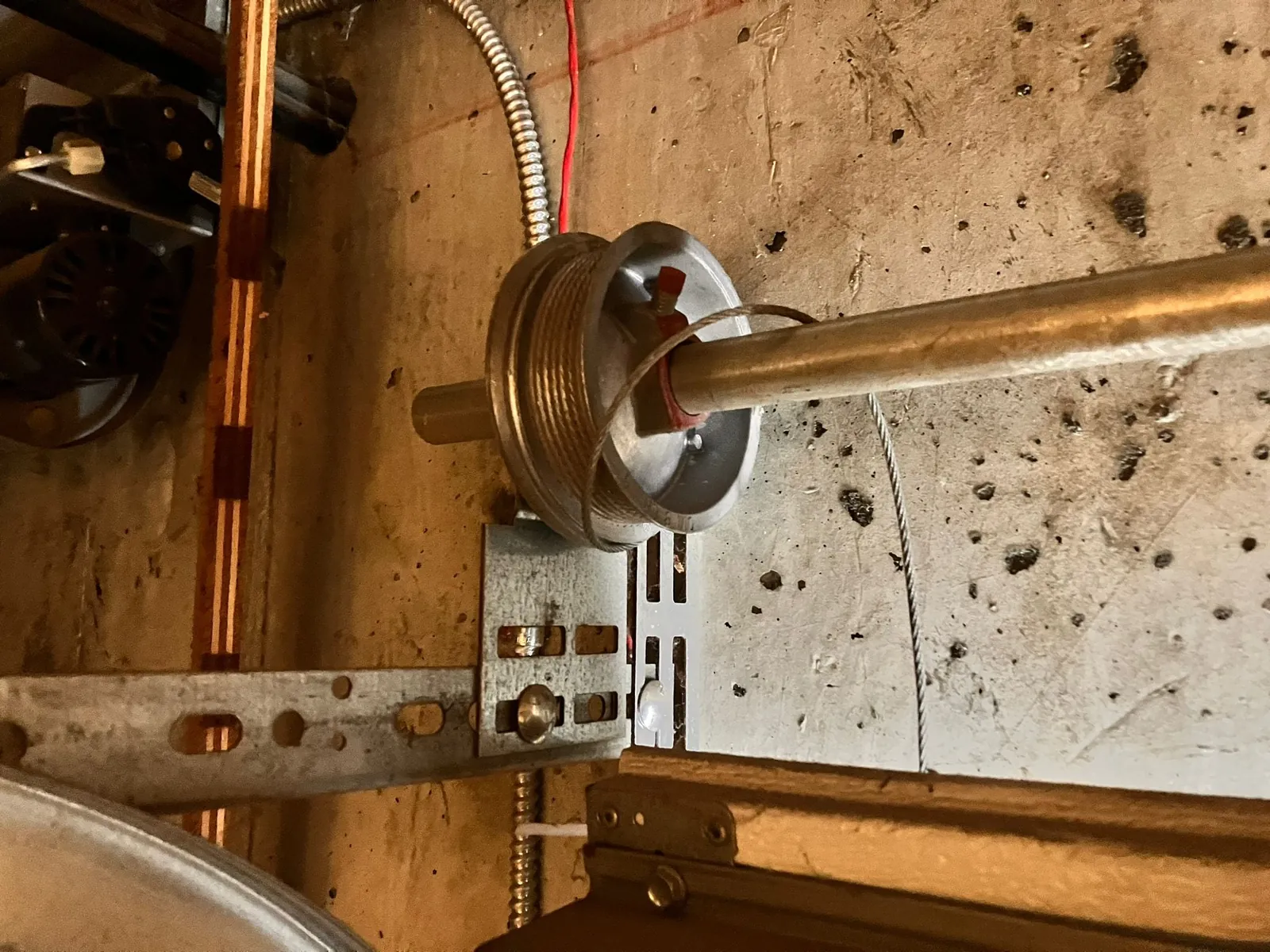
The primary reason for a cable slipping is a loss of tension in the door’s balance system. When the door isn’t perfectly level, or if a torsion or extension spring has weakened, the cable can slacken during the closing phase. Once the cable goes slack, it easily jumps out of the track or off the pulley wheel. This often occurs after the door hits an object, causing a momentary imbalance that lets the cable fall away from its path.
Another frequent cause is the natural wear and tear of the pulley wheel itself. Over time, the internal bearings can seize up or the groove can wear down, creating a flat spot that prevents the cable from seating properly.
If you notice the pulley is tilted or wobbling when the door operates, it’s likely the hardware, not just the cable, that needs attention. You can verify the condition of your specific door components by checking the safety and maintenance guidelines published by the U.S. Consumer Product Safety Commission.
Worn-out cables that have frayed or stretched can also cause this problem. If a cable has lost its original length due to fraying, it will no longer maintain the correct pressure against the pulley. If you see visible strands of wire sticking out, the cable has reached its end and requires a full replacement rather than a simple reset.
Fixing a garage door cable that came off the pulley
This fix is intended for homeowners who have basic mechanical experience and the correct tools to safely handle door hardware. If your door uses a torsion spring system—where the spring is mounted on a metal shaft above the door—you should generally call a professional, as these systems store high levels of energy. If you’re working with an extension spring system, ensure the door is in the fully closed position and blocked securely so it can’t move.
First, use a C-clamp or a pair of locking pliers to secure the door to the track so it stays open. Once the door is locked, verify that the cable isn’t tangled or knotted. Carefully guide the cable back into the pulley groove using a screwdriver or a needle-nose plier, ensuring it sits deep inside the center of the wheel. If the cable is too tight to move, you may need to slightly loosen the tension on the extension spring.
After the cable is back in place, remove the clamps and test the door by moving it manually by hand. It should slide smoothly without the cable catching or jumping. If the cable slips off again immediately, the pulley is likely worn out or the spring tension is too low. If you don’t have the proper tools, such as heavy-duty clamps and appropriate wrenches, don’t proceed; contact a local garage door repair service to avoid injury.
Replacing a worn pulley wheel
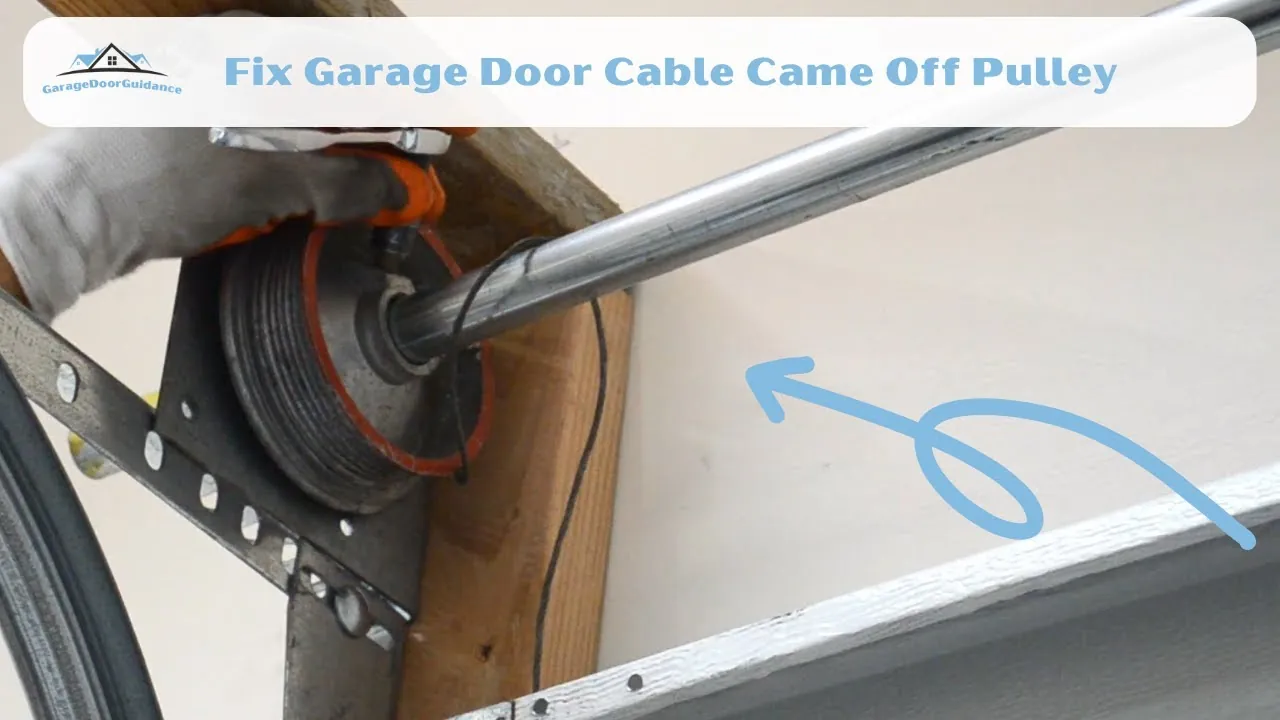
If you have confirmed that the pulley wheel is cracked, wobbling, or has a seized bearing, it must be replaced. This fix is for those who are comfortable working with hand tools and have the correct replacement part that matches the exact diameter of the original. Before starting, ensure the garage door is completely closed and the opener is unplugged.
To replace the wheel, you’ll first need to relieve the tension from the cable by detaching the spring from the track hanger. Once the tension is off, remove the bolt or nut holding the pulley in place. Slide the old pulley off the bracket and inspect the shaft for any signs of damage or bending. If the shaft is bent, the new pulley will wear out very quickly.
Slide the new pulley onto the shaft and secure it with the original hardware. Reattach the cable, ensuring it follows the path exactly as the old one did, and reconnect the spring. Test the door’s movement manually; it should glide without any grinding noises or resistance. If you find the door is still crooked after the swap, the cables are likely uneven and will require a professional adjustment to ensure the door lifts level.
Adjusting spring tension for proper alignment
Sometimes the cable falls off because the spring tension is uneven, causing the door to pull harder on one side than the other. This fix is only for extension spring systems where the springs are clearly visible along the tracks. If your door has a single torsion spring, stop now; adjusting that requires specialized winding bars and professional training to avoid severe injury.
To adjust extension springs, move the cable to a different hole on the track hanger to increase or decrease the tension. If the door closes too fast or the cable goes slack near the floor, you need to increase the spring tension by moving the spring attachment point further down the hanger. If the door is too hard to lift, decrease the tension by moving it up.
Always make adjustments one hole at a time and test the door’s balance by opening it halfway. A properly balanced door should stay in place when you let go of it. If the door still falls or pulls upward, the springs may be mismatched or reaching the end of their lifespan. If you’re unsure about the weight rating of your springs, consult the manual provided by your door manufacturer for the correct tension settings.
Common mistakes during cable repair
Trying to force the cable back while the door is under load creates a dangerous pinch point. If the door slips, the weight will crush your fingers against the track. Always use a pair of locking pliers to clamp the track firmly above the roller before touching the cable.
Ignoring the condition of the pulley is a common oversight. If the pulley grooves show deep indentations or the bearing feels gritty, replace it immediately. A worn pulley will shred a new cable in less than a month.
Adjusting torsion springs without proper winding bars is lethal. If you use screwdrivers or bolts, they will likely snap under the immense torque. If the spring is rusted or shows gaps, call a professional.
Failing to secure the door is the most frequent mistake. Always place a heavy-duty C-clamp on the track beneath the door. Without this physical stop, the door can slam shut during the repair.
Preventing future cable detachment
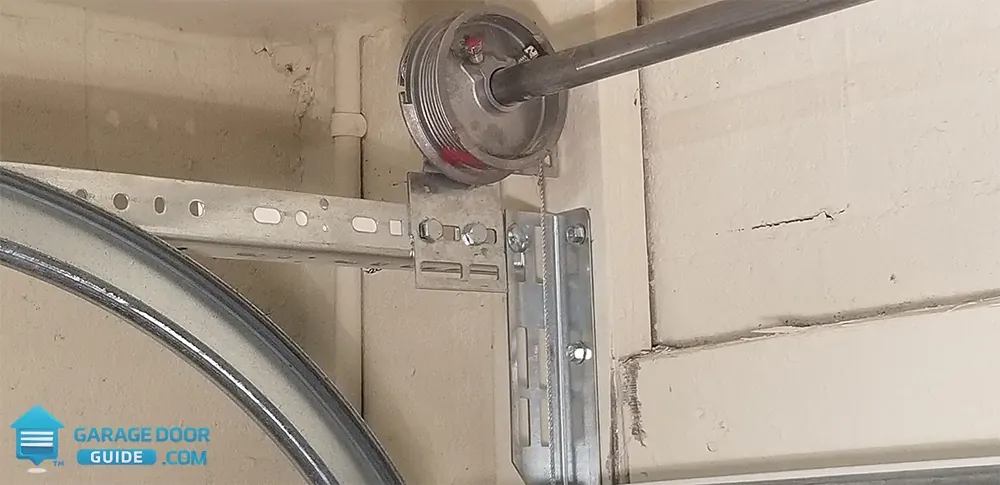
The best way to stop this from happening again is to keep the tracks clean and the springs balanced. If your door isn’t level, the cables will naturally experience uneven stress, which eventually leads to them slipping off the pulleys. Use the following guide to manage your door’s health.
| If you’re doing this | Do this instead | Why |
|---|---|---|
| Ignoring squeaks | Lubricate the pulley bearings | Keeps the wheel spinning freely |
| Forcing the door | Check for track obstructions | Prevents slack in the cable |
| Adjusting springs by eye | Use a level on the door | Ensures even tension on both sides |
| Using old pulleys | Replace with new, matched wheels | Worn grooves cause cable slippage |
Check your cable tension periodically to ensure it isn’t too loose. The frequency of these checks depends on your specific usage, so consult your owner’s manual for the manufacturer’s recommended maintenance schedule.
Many people mistakenly tighten only one side to level the door. This creates a dangerous imbalance that snaps cables under pressure. Always adjust both springs by moving the cable attachment to the same hole on each track hanger. If the door still hangs crooked, the issue lies in a bent track or a damaged cable drum, not the spring tension. Don’t force the door down if it binds. Stop immediately and clear the debris from the track base.
Related guides
- Garage Door Cable Came Off Drum: How to Fix It Safely
- Toilet Leaking From Tank Bolts: How to Fix the Seal
- Fix Frigidaire Refrigerator Ice Maker Clicking Noise Fast
Frequently asked questions
Can I fix a garage door cable myself?
You can fix a cable yourself only if your door uses an extension spring system. Torsion systems, identified by a large spring above the door, are under extreme pressure and require specialized equipment. Always contact a professional if you’re unsure about the tension in your system.
Why does my garage door cable keep coming off?
Cables usually come off because they have lost tension, allowing them to slip out of the pulley groove. This often occurs because the springs have weakened or the pulley wheel is worn or damaged. If the cable isn’t seated firmly, vibrations can cause it to jump off.
How long does a garage door cable last?
Garage door cables typically last several years, though this depends entirely on the frequency of your daily door usage. Cables experience wear faster if you open and close the door multiple times every day. Inspect your cables regularly for fraying or rust and replace them if you notice damage.
Is it safe to operate the door with one cable?
It isn’t safe to operate a garage door with only one functioning cable. The door will become severely unbalanced, which can cause it to tilt, jam, or fall unexpectedly. Keep the door closed and unplug the opener until both cables are properly tensioned and seated.
What happens if I ignore a loose garage door cable?
Ignoring a loose cable will eventually cause the door to become misaligned and potentially jam, leading to expensive damage. The sudden shift in weight can also cause the remaining cable to snap under the extra load. It’s safer to fix a loose cable before structural damage occurs.
How do I know if my garage door spring is broken?
You can tell a spring is broken if there’s a visible gap in the coils or if the door feels extremely heavy when lifted manually. If the spring is broken, the opener will struggle to lift the door or stop halfway. Don’t operate the door if you suspect a break.
Conclusion
If the cable looks frayed or the spring appears damaged, it’s best to call a professional technician for help. They’ve got the right tools to handle high-tension parts safely. Don’t risk a serious injury by trying to fix it yourself; getting an expert’s opinion will keep your home and family secure.
