
Nominal voltage is the standard label for an electrical system’s operating level, not the exact number you’ll measure at any moment. When you identify the nominal voltage of a device or circuit, you see a rounded figure like 120V or 230V that defines its design category. This label tells you which equipment fits safely. Actual voltage fluctuates within a small range around this target. You use this number to pick the right wires, fuses, and appliances for your home or project.
The main point to grasp is that electricity is never perfectly steady. Power plants and grids adjust constantly to keep voltage and frequency stable, but tiny shifts happen every second. The nominal value acts as a reference point for engineers and consumers. It simplifies communication so everyone knows if a motor or light bulb belongs in a specific system.
A common error is assuming the label means the meter will show that exact digit. If you plug a multimeter into a wall socket labeled 120V, you might read 117V or 123V. This doesn’t mean the power is broken. It means the system is working within its allowed tolerance. Recognizing this difference prevents unnecessary panic or unsafe modifications to your wiring.
How to measure nominal voltage
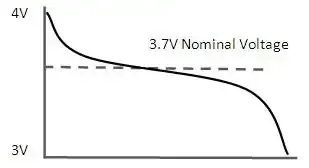
You need to identify the correct voltage class before buying new appliances or starting electrical work. This process ensures your devices match the power supply and don’t overheat or fail. Always prioritize safety when dealing with live circuits. If you’re unsure about handling wires, hire a licensed electrician to do the inspection for you.
-
Locate the rating plate on your appliance or the breaker panel in your home. Look for a sticker or engraved text that lists “Voltage” or “V.” This label shows the nominal design value, such as 120V, 240V, or 230V. Tip: Check both the device and its power brick, as some electronics have different input ranges.
-
Compare this number to your local grid standard. In North America, most homes use 120V for small outlets and 240V for large appliances. In Europe and many other regions, the standard is 230V. If the numbers match closely, the device is safe to use. If they differ significantly, don’t plug it in.
-
Use a digital multimeter to verify the actual supply if you suspect issues. Set the dial to AC voltage (V~). Insert the probes into the outlet slots carefully. Read the display to see the real-time value. Tip: Hold the probes steady and avoid touching the metal tips to prevent shock.
-
Decide if the variance is acceptable. Most systems allow a ±5% to ±10% deviation from the nominal mark. If your reading falls within this band, the power is healthy. If it’s far outside this range, contact your utility provider immediately.
-
Label your circuits clearly for future reference. Write the nominal voltage on the breaker box cover. This helps anyone working on the house later understand the system limits without guessing.
Time Needed for Voltage Checks
Identifying the nominal voltage of a circuit or device takes very little time if you know where to look. The task is mostly visual, requiring you to read labels or check a simple meter. However, the complexity grows if you need to test multiple points in a large building or troubleshoot unstable readings. For a single outlet or appliance, you can finish in minutes. For a whole-house audit, plan for a longer session to ensure accuracy and safety.
| Situation | How long | What changes it | What to watch for |
|---|---|---|---|
| Single appliance label check | 2-5 minutes | Hard-to-reach plates | Faded or missing stickers |
| Standard outlet test | 5-10 minutes | Meter setup time | Loose probe contact |
| Breaker panel review | 15-30 minutes | Panel size and clarity | Unclear circuit labels |
| Whole-house mapping | 1-3 hours | Home square footage | Access to all rooms |
| Troubleshooting low power | 1+ hours | Issue complexity | Intermittent drops |
If the process takes far longer than expected, stop and reassess your tools or call a professional. Persistent delays often mean the problem isn’t just about reading a number but fixing a deeper fault.
Signs of Correct Voltage Match
You can tell the voltage is correct when your devices run smoothly without unusual heat or noise. A proper match means the appliance operates at its designed efficiency. The lights should shine steadily without flickering, and motors should hum at a consistent pitch. If you hear buzzing or see dimming, the actual voltage may be drifting too far from the nominal target.
The definitive test is a multimeter reading within the accepted tolerance band. For a 120V system, a reading between 114V and 126V is typically normal. For 230V systems, expect values between 218V and 242V. These ranges follow guidelines from standards bodies like the American National Standards Institute (ANSI), which sets limits for steady-state voltage variations ANSI C84.1 standard.
If your meter shows numbers inside these bounds, the supply is healthy. If the reading sits exactly on the nominal number, that’s rare but fine. The key is stability, not perfect precision. Watch for sudden spikes or drops, which indicate a problem even if the average looks okay.
Common Voltage Mistakes
- Ignoring the tolerance range. Many people think any deviation from the nominal number is a fault. This leads to unnecessary calls to the utility company. Instead, check if the reading falls within the ±5% or ±10% band allowed by your local standards.
- Mixing up nominal and peak values. Some users confuse the standard operating voltage with the higher peak voltage in AC cycles. This causes confusion when measuring with basic tools. Always compare your reading to the RMS (root mean square) value, which is what nominal ratings represent.
- Using adapters without checking capacity. Plugging a 120V device into a 230V outlet with a simple shape adapter destroys the electronics. The voltage difference is too great for internal components to handle. Always use a voltage converter, not just a plug adapter, when traveling between regions with different standards.
- Overloading circuits to force power. Adding too many devices to one circuit can drop the voltage below the nominal range. This causes motors to overheat and fail. Distribute loads across different breakers to keep the voltage stable for each device.
Frequently asked questions
What is the difference between nominal and actual voltage?
Nominal voltage is the named standard for a system, like 120V, while actual voltage is the real-time measurement. The actual value fluctuates slightly due to demand and distance from the source. You should expect the actual reading to be close to, but rarely exactly equal to, the nominal label.
Is it safe if my voltage is slightly higher than nominal?
Yes, it’s usually safe if the increase is within the standard tolerance, typically up to 5% or 10%. Most modern appliances are built to handle these small variations. However, if the voltage stays consistently high above this range, it can shorten the lifespan of sensitive electronics and cause overheating.
Why do different countries use different nominal voltages?
Historical decisions by early power companies shaped these standards. North America adopted 110V for safety reasons in early lighting systems, later standardized as 120V, while Europe historically used 220V and harmonized to 230V for distribution efficiency. These legacy systems remain in place today because changing them would require replacing all infrastructure and appliances.
Can I use a 110V appliance on a 120V circuit?
Yes, you can. The terms 110V, 115V, and 120V often refer to the same nominal system in North America. Devices rated for 110V are designed to work safely within the 120V standard range. The slight difference in naming doesn’t affect compatibility or safety for typical household use.
What happens if I plug a 220V device into a 120V outlet?
The device will likely not work or will perform very poorly. Motors may stall and overheat, and heating elements will produce less heat. It won’t explode immediately, but prolonged use can damage the internal components. You need a step-up transformer to make it work correctly.
How often should I check my home voltage?
You don’t need to check it regularly unless you notice problems. Test it if lights flicker, appliances behave strangely, or after major storm damage. For confirmation that your system is stable, a quick check once a year with a multimeter is sufficient. Regular checks aren’t required for normal maintenance.
Conclusion
Always check the labels on your devices before plugging them into an unfamiliar outlet. If you aren’t sure about the compatibility, it’s best to consult a professional electrician. They’ll help you confirm your system is safe, so you won’t have to worry about damaging your gear or causing a dangerous electrical fault.
