
Protecting your electrical devices from overcurrent and overvoltage is the complete guide to ensuring your equipment lasts and stays safe. An overcurrent event happens when too much electricity flows through a circuit, while an overvoltage event occurs when the voltage exceeds the device’s design limit. This text explains how these two issues damage components and how you can stop them.
Complete guide to overcurrent and overvoltage surges
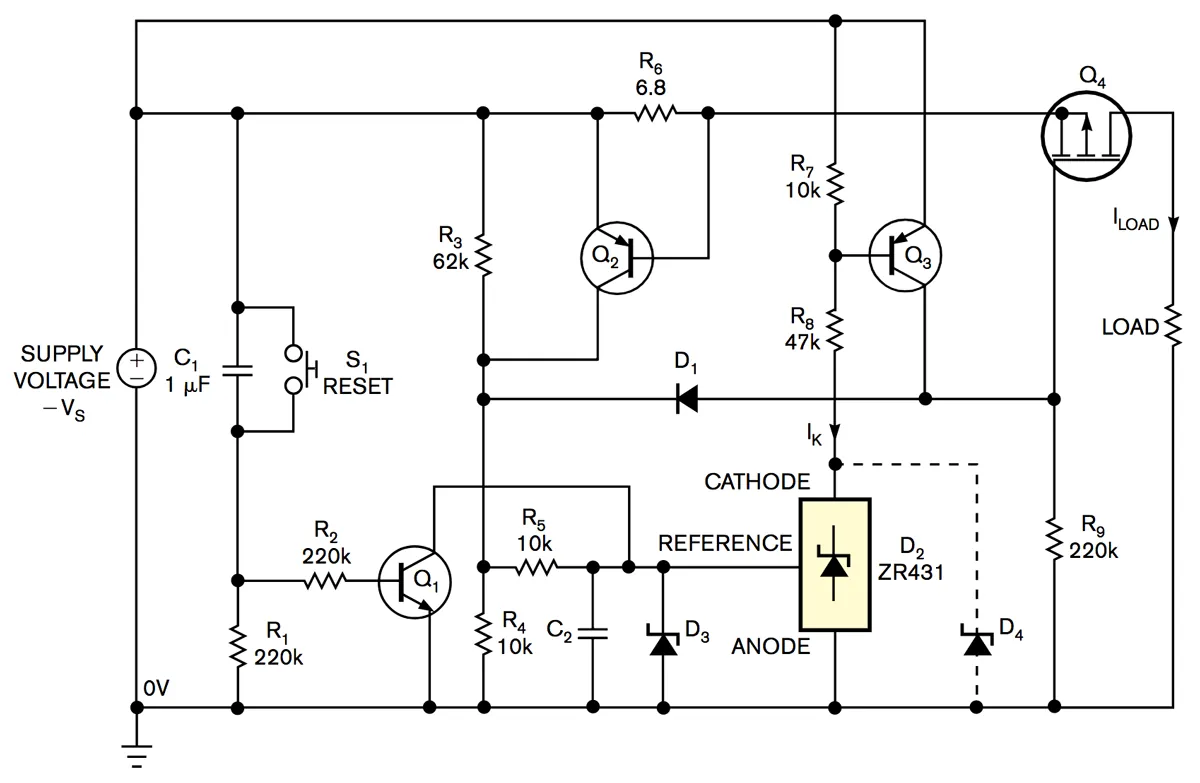
Overcurrent and overvoltage are distinct electrical failures that can destroy sensitive electronics in a fraction of a second. An overcurrent is often caused by a short circuit or an overloaded outlet, which creates too much heat in the wiring. Overvoltage, or a power spike, is a sudden jump in electrical pressure that forces more current into a device than its internal parts can handle.
Many users confuse these two events, but the difference determines the protection you need. If you’re dealing with a sustained load, you need a fuse; if you’re dealing with a sudden surge, you need a surge suppressor. Always check your device’s manual to see if it has built-in protection.
Steps for electrical system protection
Follow these steps to shield your gear from electrical damage. Always turn off the power at the main breaker before you touch any wiring or components.
- Inspect your wall outlets to ensure they’re properly grounded.
- Install a surge-protected power strip for all sensitive electronics like computers or TVs.
- Choose a strip with a joule rating of at least 1,000 for standard home office setups.
- Replace any blown fuses in your fuse box with new fuses of the exact same amperage rating as marked on the panel.
- Use a dedicated circuit for high-power machines like space heaters or refrigerators.
- Test your ground fault circuit interrupter (GFCI) outlets monthly by pressing the “Test” button.
If you’re unsure about wiring or if your breaker keeps tripping, stop immediately. Electrical work carries a risk of fire or shock; always hire a licensed electrician to inspect your home’s main panel if you see signs of burning or hear buzzing sounds.
Safety ratings at a glance
Use this table to pick the right protection for your specific equipment. These ratings assume a standard 120V household circuit; if you’re in a region with 230V, you must select devices rated for that higher voltage.
| Situation | What to use | How long | What to watch for |
|---|---|---|---|
| Home office | Surge strip | 3-5 years | Indicator light status |
| Heavy appliances | Dedicated line | Permanent | Tripped breakers |
| Outdoor tools | GFCI outlet | Monthly test | Water damage |
| Whole house | Panel surge unit | 10 years | Status display lights |
| Small electronics | UPS battery | 2-3 years | Battery beep codes |
Getting professional results
Experienced technicians focus on the weakest point in a circuit to prevent damage. They know that a surge protector is only as good as the ground connection it plugs into. If you have a high-end computer, never plug it into an ungrounded two-prong outlet, as the surge protection will have nowhere to dump the excess energy.
Part of the process involves checking the age of your hardware. Surge protectors lose their ability to absorb spikes over time as the internal metal-oxide varistors degrade. If you notice your power strip is several years old, replace it even if it still provides power. A fresh unit ensures you have full protection when a real spike occurs.
Fixing common power issues
When your system acts up, identifying the symptom helps you narrow down the cause. Use this list to troubleshoot simple power problems before calling for help.
| What you notice | What it usually means | What to do first |
|---|---|---|
| Breaker trips often | Circuit overload | Unplug high-draw items |
| Burning smell | Wiring failure | Shut off main power |
| Lights flicker | Loose connection | Check outlet screws |
| Devices reset | Voltage sag | Install a UPS |
Legal and safety standards
Electrical installations must meet the requirements set by your local building authority and the National Electrical Code. These rules ensure that wires are sized correctly to prevent heat buildup, which is the primary cause of electrical fires.
If you’re replacing a breaker, you must use the exact amperage rating specified by the panel manufacturer. Never install a higher-rated fuse or breaker, as this removes the safety limit and could lead to melting wires inside your walls.
A common mistake is mixing brands between the breaker and the panel box. Only use circuit breakers that are specifically listed or classified by a testing laboratory for use in your specific panel brand and model. That loose connection creates an arc fault capable of igniting surrounding wood framing before tripping anything.
Check the label printed inside your panel door for the approved replacement part numbers.
Maintaining your equipment
Once you have your protection in place, keep it working by avoiding common mistakes. Never daisy-chain power strips, as this creates a fire hazard by overloading the wall outlet. Keep your surge protectors away from heat sources and ensure they have enough airflow to stay cool.
If your surge protector has a “Protected” light that goes dark, it has likely absorbed a major spike and needs to be replaced. Check these indicators every time you clean behind your desk or entertainment center.
Units without status lights fail silently while still passing electricity. Replace any unmonitored protector once it has reached the end of its service life or immediately following a known outage. Write the installation date on the case with permanent marker so age is visible during inspections. This prevents trusting equipment that degraded long ago.
Choosing the right alternative

Sometimes a standard surge protector isn’t enough for your needs. If you’re running sensitive medical equipment or expensive professional audio gear, a surge protector won’t stop “dirty” power or brownouts. In these cases, you should use an uninterruptible power supply (UPS) with true sine wave output.
This device acts as a filter and a battery backup, providing clean, steady power even when the grid fluctuates. If you frequently lose power during storms, a whole-house surge protector installed at the main panel is a better investment than individual strips.
Related guides
- 10 Best Finish for Teak Options for Protection and Shine in 2026
- 10 Best Outdoor Teak Finish Products for Weather Protection in 2026
- 10 Best Finish Over Danish Oil Picks for Durable Protection in 2026
Frequently Asked Questions
Can I plug a surge protector into another surge protector?
No, you should never daisy-chain surge protectors. Doing this creates a fire hazard because the first strip may not be able to handle the total current draw of all devices connected to the second strip.
How do I know if my surge protector is still working?
Check the status light on the front of the unit. Most surge protectors have a light that indicates the internal components are active; if the light is off, the protection has likely been exhausted by a surge.
Why does my circuit breaker keep tripping?
A breaker trips because the current passing through it has exceeded its rated capacity. This is usually caused by having too many high-wattage appliances running on the same circuit at the same time.
Is it safe to use a two-prong to three-prong adapter?
No, it isn’t safe because these adapters don’t provide a path to the ground. Without a ground connection, your surge protector can’t safely dissipate excess voltage, which leaves your electronics unprotected from spikes.
How often should I replace my surge protector?
You should replace your surge protector every 3 to 5 years. Even if it still powers your devices, the internal components that absorb electrical surges wear out over time and lose their effectiveness.
What is the difference between a fuse and a breaker?
A fuse is a one-time device that melts when current is too high, while a breaker is a switch that flips off. You must replace a fuse after it blows, but you can simply reset a breaker.
Conclusion
Proper electrical maintenance relies on using the right tool for the specific power load you’re managing. Always prioritize safety by using grounded outlets and replacing worn-out protection devices before they fail. If you follow these guidelines, your electronics will remain protected from the most common power-related risks.
