
Linear polymers consist of long, continuous chains of repeating monomer units joined by covalent bonds in a single, unbranched backbone. This structure means the atoms form a string-like shape, which allows the molecules to pack closely together or slide past one another depending on their temperature. Common examples include high-density polyethylene, nylon, and polystyrene, all of which rely on this chain-like arrangement to provide their specific mechanical properties.
The physical behavior of these materials depends on how easily the chains can move. If the chains are long and have few side groups, they tend to be strong and crystalline, like high-density polyethylene. If they have bulky side groups, they can’t pack well and usually become amorphous or glassy.
A common mistake is assuming that all long-chain plastics are linear. Many plastics have branches that stick out from the main chain, which changes how they melt and how strong they are. You can check the specific structure of a polymer by looking at the polymer science resources provided by the American Chemical Society to see how branching affects material density.
Creating and Processing Polymer Chains
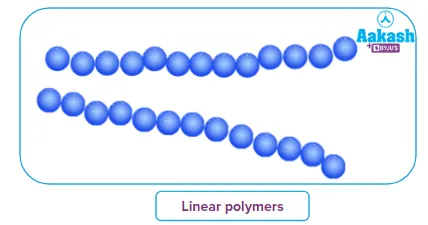
Select your monomer units carefully, as the chemical identity of the starting material determines the final backbone strength. Choose monomers with reactive functional groups at both ends to ensure linear growth.
Initiate the polymerization process using a catalyst to link the monomers into a long, continuous chain. If you use a catalyst concentration above 0.5% by weight, you may trigger runaway reactions that produce inconsistent molecular weights.
Control the reaction temperature between 50°C and 150°C to ensure the chains grow without forming unwanted cross-links or branches. If the temperature exceeds this range, you risk thermal degradation that leaves the plastic brittle and prone to cracking under stress.
Monitor the chain length, as longer chains generally lead to higher tensile strength and better impact resistance. You can verify this by measuring the viscosity of the melt; higher viscosity typically indicates a higher degree of polymerization.
Cool the material slowly if you need a high degree of crystallinity, or quench it rapidly to create a clear, amorphous solid. Slow cooling allows molecules to align into dense, ordered structures, while rapid cooling traps them in a disordered, transparent state.
Always use a pure monomer feed. Even trace impurities act as chain terminators that cap the ends prematurely, resulting in a low-molecular-weight material that fails to meet structural requirements. If your batch remains tacky, the monomer purity likely fell below 99%.
Time Needed for Polymerization
The time required to form these materials varies based on the chemical process used, the concentration of the catalyst, and the scale of the production run.
| Situation | How long | What changes it | What to watch for |
|---|---|---|---|
| Lab scale synthesis | 2-6 hours | Catalyst concentration | Exothermic spikes |
| Industrial extrusion | 5-20 minutes | Feed rate | Melt viscosity |
| Polymer casting | 12-24 hours | Mold thickness | Shrinkage cracks |
If the process takes significantly longer than expected, check the catalyst activity. Expired or degraded chemicals often slow the reaction rate, leading to incomplete bonding.
However, avoid exceeding a 2% total concentration, as this causes brittle structures that shatter under minimal pressure.
Distinguish your environment by the heat output.
Identifying Linear Polymer Structures and Examples
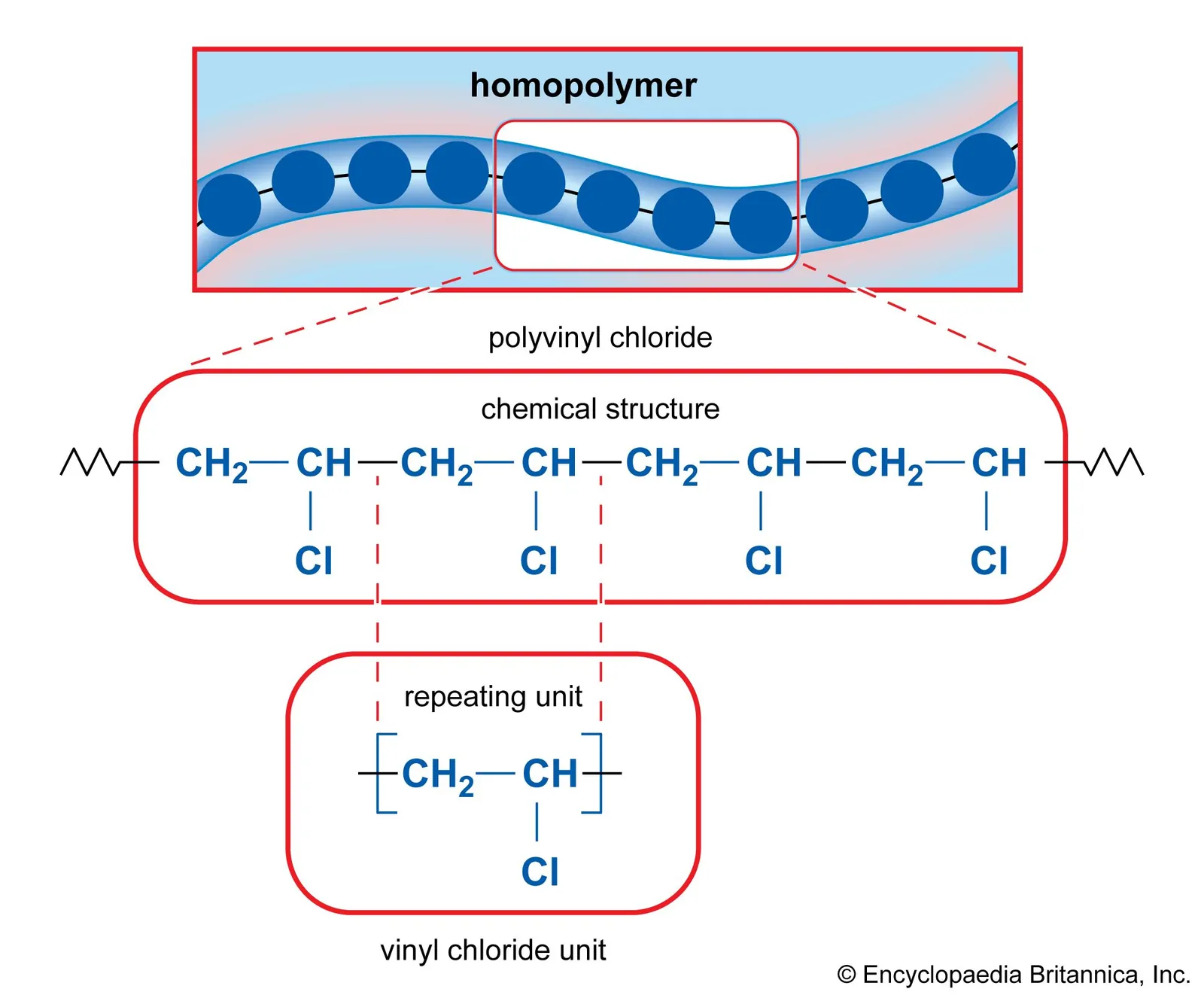
You can identify these materials by observing how they behave under heat and mechanical stress. Because linear polymers lack cross-links, they’re typically thermoplastic, meaning they soften and melt when heated rather than burning or charring immediately. You can test this by placing a small sample on a heated surface; if it flows like thick honey at its melting point, it’s likely a linear thermoplastic.
If the material instead blisters, turns brittle, or emits a sharp odor without melting, you’re likely dealing with a thermoset plastic. Thermosets contain permanent chemical bonds that prevent the material from flowing under heat. Mistaking these for linear structures leads to wasted processing time and damaged equipment.
Another sign is their solubility in specific organic solvents. Since the chains aren’t connected to each other, they can often be dissolved in solvents like toluene or chloroform. If the material swells but doesn’t dissolve, it likely contains some cross-linking, which prevents the chains from separating. If you observe swelling without total dissolution, assume the material is partially cross-linked. Always refer to the material safety data sheet for your specific plastic to confirm its chemical resistance and thermal limits.
Common Errors in Polymer Handling
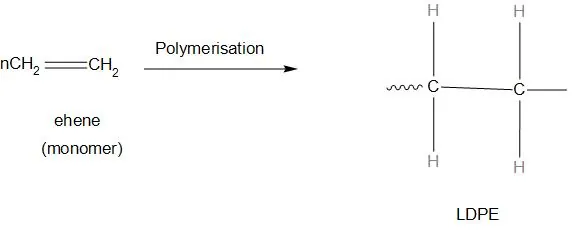
Contaminating the monomer supply with moisture or oxygen terminates the chain reaction prematurely. This results in a product with low molecular weight and brittle strength. Keep reactants in a sealed, nitrogen-purged environment until the exact moment of synthesis. If your final product feels tacky or soft, moisture ingress is likely the culprit.
Applying excessive shear force during extrusion breaks long polymer chains, which degrades physical performance. Adjust machine settings to keep the shear rate within the manufacturer’s specified range for that specific grade. If you notice a sudden drop in melt viscosity, reduce the screw speed by ten percent to mitigate mechanical degradation.
Ignoring storage conditions causes chain scission, where long chains break into shorter, weaker pieces. Exposure to ultraviolet light or high humidity over months ruins structural integrity. Store materials in opaque, vacuum-sealed containers in a climate-controlled room below 75 degrees Fahrenheit.
If you suspect degradation, perform a simple melt flow index test. If the result deviates more than five percent from the baseline, discard the batch. Using compromised material costs you in failed parts and expensive machine downtime during injection molding.
Frequently asked questions
Can linear polymers be melted and reshaped?
Yes, they’re thermoplastics, which means they can be melted and reshaped multiple times without losing their fundamental chemical structure. This allows manufacturers to recycle these materials by grinding them down and reheating them for new products. If you overheat the material during this process, however, you may cause the chains to break, which will permanently reduce the strength of the plastic in subsequent uses.
Is it safe to burn linear polymers?
No, burning these materials is generally unsafe because they release toxic gases and dense smoke that can irritate the lungs. Many common plastics release hydrogen cyanide or carbon monoxide when they reach their combustion temperature. Always process these materials in well-ventilated areas using professional equipment, and never attempt to melt or burn them in a home setting or over an open flame.
How long do linear polymers last?
They can last for decades if kept away from ultraviolet light and extreme heat, though their lifespan depends on the specific chemical composition. Some materials, like high-density polyethylene, are designed for long-term outdoor use and contain stabilizers to prevent degradation. You can check the expected service life of a specific polymer grade by reviewing the technical data sheet provided by the material manufacturer.
What happens if I add too much catalyst?
Adding too much catalyst typically causes the reaction to speed up uncontrollably, creating an excess of heat that can melt the equipment or cause the plastic to foam. This result is often unusable because the rapid growth produces many short, weak chains rather than the desired long, strong ones. Always follow the precise weight-based ratios listed in the chemical formulation to maintain consistent chain length and material quality.
How do I know if a polymer is branched instead of linear?
You can distinguish them by measuring the density, as linear polymers pack more tightly and have a higher density than branched versions of the same material. For example, linear high-density polyethylene is significantly denser and stiffer than branched low-density polyethylene. If you need a precise measurement, a laboratory can perform a melt flow index test or use gel permeation chromatography to determine the exact structure and molecular weight distribution.
Conclusion
Because these materials are so versatile, they’ll continue to play a vital role in everything from sustainable packaging to advanced medical devices. You’re likely to see more innovations in how we recycle these chains soon. If you’re curious, try checking the labels on your household plastics to see which types you’ve got.
