
When your vacuum cleaner stops cleaning, a dyson brush bar not spinning is often caused by hair or debris tangles wrapping around the roller. You can usually fix this by manually clearing the blockage, but you must first ensure the machine is disconnected from its power source. If the roller remains stuck after cleaning, check for a tripped internal thermal cut-out switch or a damaged drive belt.
Why your Dyson brush stopped spinning
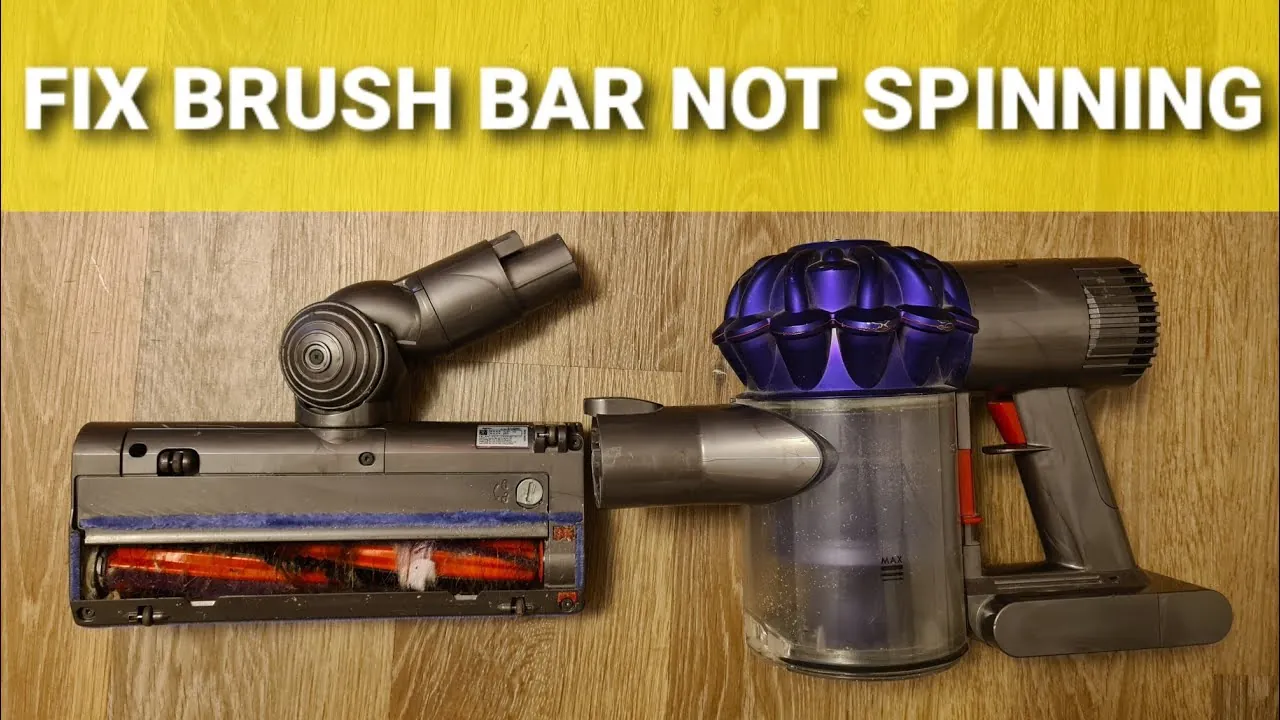
The most common reason for a roller failure is the accumulation of hair, thread, or carpet fibers. These materials wind tightly around the brush bar, creating enough friction to stop the motor from turning. When the motor detects this resistance, it automatically shuts off to prevent the internal belt from melting or snapping. This safety feature protects the motor from burning out, but it leaves the head unable to rotate until the obstruction is removed.
Another frequent cause is a simple loss of suction or a blockage in the wand. If the airflow is restricted by a large object, the vacuum may lose suction, but the brush bar typically stops only if the motor detects physical resistance.
You should check the wand and the bin intake for any items that might be blocking the path of the air. If the airflow is clear, the problem might be an electrical connection issue between the main body and the floor tool.
Finally, the drive belt or the motor itself may reach the end of its life. If you have used the vacuum for many years, the rubber belt can stretch or crack, causing it to slip off the pulley. You can verify your specific model’s maintenance requirements by checking the official Dyson support pages for your registered machine. If the motor inside the head makes a grinding noise but the bar doesn’t move, the internal gears may be worn out.
Clear the roller of debris
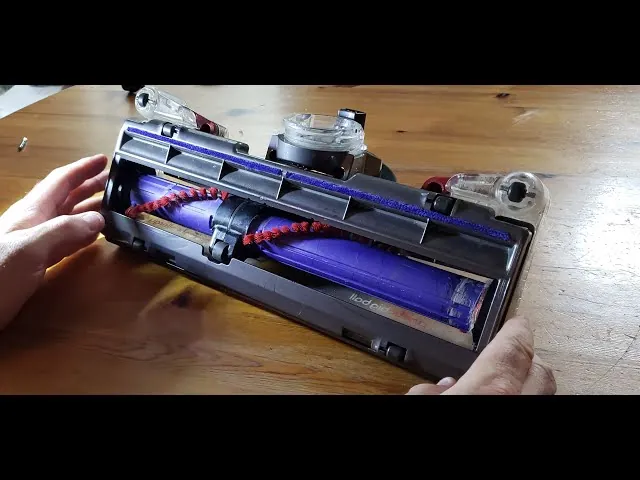
If you notice the brush bar is locked, you should start by flipping the floor head over to inspect the underside. Use a pair of blunt scissors to carefully cut through any hair or string wrapped around the brush.
Pull the debris away gently, taking care not to damage the bristles or the plastic housing of the bar. It’s important to remove every single strand, as even small bits of thread can create enough resistance to trigger the safety shut-off again.
If you struggle to clear the obstruction, check the brush bar’s rotation by hand. If it resists, you likely have a buildup of carpet fibers inside the bearing housing. Use a flat-head screwdriver to gently pry away any compacted dust near the axle. Never use a knife for this task, as a single scratch on the plastic housing can create a snag point that catches hair faster in the future.
This fix is intended for users who can see visible tangles. If you can’t see any hair but the bar still feels stiff, don’t force it to turn by hand. If you have a model with a removable brush bar, follow the user manual to slide it out.
Once it’s out, you can clean the end caps where dust often collects and causes friction. If the bar spins freely once removed, the issue is likely with the motor or the belt inside the head.
Check the electrical connections
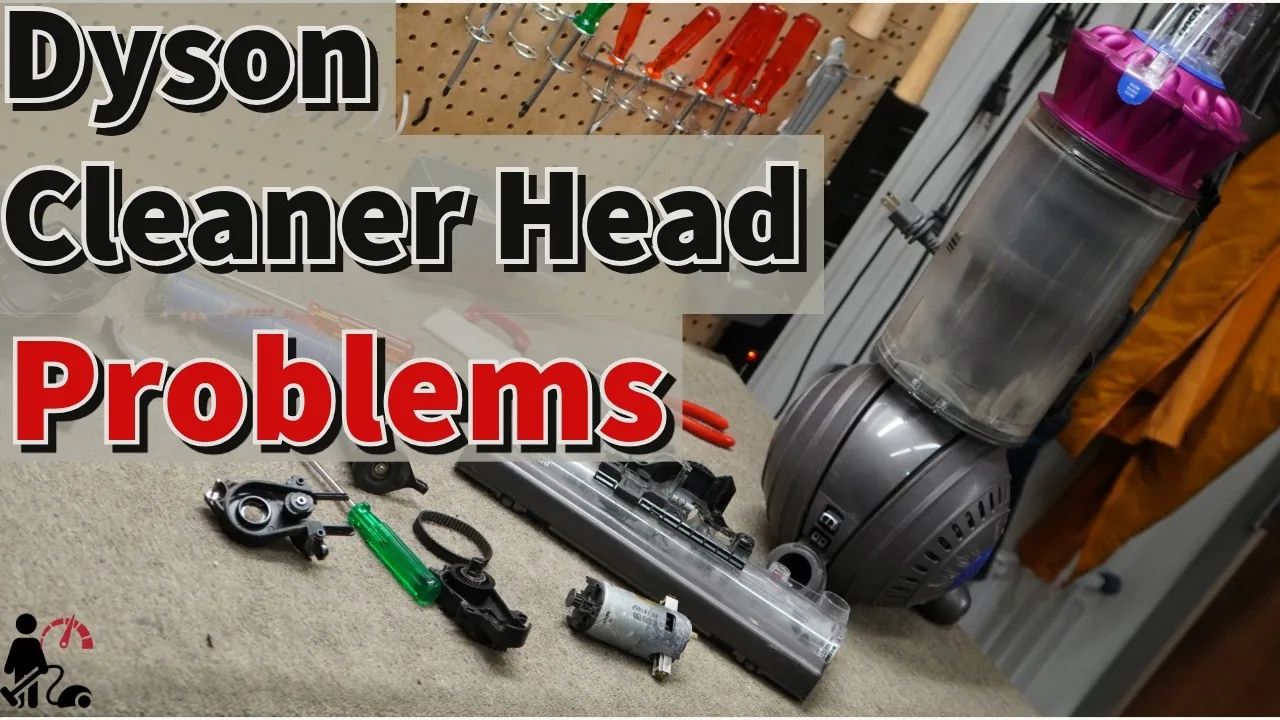
Sometimes the brush bar isn’t broken, but the floor head isn’t receiving power from the vacuum body. Check the neck of the floor tool and the wand for any loose connections or bent metal pins. If these pins are dirty or covered in dust, the vacuum can’t send the signal to start the motor. Use a dry, clean cloth to wipe the metal contact points on both the wand and the floor head to ensure a clean connection.
If you have a different floor head available, attach it to the vacuum to see if it spins. If the second head works, the problem is definitely inside your primary floor tool. If neither head works, the issue might be a broken wire inside the main wand itself.
Most users make the mistake of ignoring slight discoloration on the pins. If you see black or blue charring on the metal, the connection has already arced. You must replace the component, as cleaning will no longer restore conductivity. If you find a crack or a pinch in the cord, stop using the vacuum immediately to avoid the risk of electrical shock or a fire hazard. Always unplug the unit before inspecting these points to ensure your safety.
Evaluate the internal belt condition
The drive belt acts as a bridge between the motor and the roller. If you hear the motor running but the brush bar stays still, the belt has likely snapped or slipped off its track. You can look through the clear window on some models to see if the belt is still in place. If it’s loose or hanging, it needs to be repositioned or replaced by a professional service technician.
Check the belt for signs of glazing, which appears as a shiny, melted surface on the inner side of the rubber. A healthy belt feels firm with minimal flex; if it stretches more than a quarter-inch when pressed, it has lost its tension and will continue to slip under load.
This fix is for those who are comfortable handling small parts. If you aren’t familiar with vacuum repair, avoid trying to open the sealed housing of the brush head. Attempting to pry open the plastic shell can break the locking tabs and void your warranty. If you’re unsure about the internal state of your vacuum, it’s safer to contact a professional repair service or the manufacturer to avoid accidental damage to the machine.
Common mistakes to avoid
Applying oil or grease to the brush bar bearings is a fatal error. Lubricants attract fine dust, creating a grinding paste that causes the roller to seize permanently. If the brush bar stops spinning, check for hair tangles before reaching for any tool.
Using a screwdriver to force the roller to turn often snaps the delicate plastic teeth holding the bar in place. Once those teeth break, the entire floor head housing requires replacement.
Ignoring a burning smell is dangerous. This scent indicates the motor is straining against a blockage and is actively overheating. Stop immediately and check the airway for obstructions.
Running the vacuum on high-pile carpets can put stress on the motor and belt, but Dyson floor heads are designed to self-adjust to the carpet surface. If the vacuum feels sluggish or pulls hard, raise the deck height. Regular maintenance and clearing debris helps prevent premature belt wear.
Preventing future brush bar issues
To keep your vacuum running smoothly, you should change how you approach routine maintenance. The following table outlines simple ways to keep the brush bar spinning correctly throughout the year.
| If you’re doing this | Do this instead | Why |
|---|---|---|
| Cleaning the roller once a year | Check for hair after every use | Hair builds up quickly and creates friction |
| Vacuuming up long strings or cords | Pick up large items by hand | These wrap around the bar and snap the belt |
| Storing the vacuum in a damp shed | Keep it in a dry, indoor area | Moisture corrodes the electrical contact pins |
| Using the same setting for all floors | Ensure the floor head is clear of debris | High pile requires more power and clear airflow for rotation |
If the brush bar stops rotating, check the belt tension immediately. A loose belt creates a high-pitched whine and smells like burning rubber. If you notice this scent, stop the vacuum at once to prevent the motor from overheating.
Most users wait until the machine loses suction to inspect the roller. This mistake often costs a full motor replacement. If the bar resists when you turn it by hand, clear the end caps of debris. If it still sticks, the bearings are likely seized.
Related guides
- Best Drain Unblockers: How to Clear Clogs Effectively in 2026
- Plunger vs Drain Snake: Which Tool Clears Your Clog Best in 2026
- Best Toilet Brushes: How to Choose for Hygiene and Reach in 2026
Frequently asked questions
Can I fix a broken drive belt myself?
No, most modern vacuum models have sealed floor heads that require specialized tools to open. Attempting to open the casing risks breaking plastic clips or damaging the motor assembly. It’s best to contact an authorized service center for repairs.
How long should the brush bar last?
A brush bar can last for the entire life of the vacuum if you remove hair and debris regularly. The lifespan depends heavily on the amount of hair in your home and your vacuuming frequency. Worn bristles will reduce cleaning efficiency even if the bar still spins.
Is it safe to use the vacuum if the brush bar is stuck?
No, it isn’t safe to continue using the vacuum if the brush bar is stuck. The motor will continue to draw power and create heat, which can melt internal components or damage motor windings. Turn off and unplug the vacuum immediately to clear the obstruction.
Why does my vacuum make a clicking noise?
The clicking noise occurs when the brush bar is obstructed and the clutch prevents the motor from seizing. This sound warns that the roller is stuck and the belt is slipping over the pulley. Turn off the vacuum immediately to prevent destroying the drive belt.
How do I know if the motor is dead?
The motor is likely dead if you have cleared all debris and verified the belt is intact, yet the bar still doesn’t spin. You may notice a complete lack of sound or a dull hum when the floor head is attached. This failure requires a professional replacement.
What happens if I ignore a minor blockage?
Ignoring a minor blockage leads to the internal motor overheating, which can warp the plastic housing or short out wiring. Small tangles generate heat through friction that builds up during every use. This eventually causes the belt to stretch or the motor to lose power.
Conclusion
If these quick checks don’t get things moving again, don’t worry. It’s likely time to reach out to the manufacturer’s support team or visit a local repair shop. They’ll help you identify if a part needs replacing so you can get back to keeping your floors spotless without any more stress.
