
A 3/4 hp opener is the better choice for most modern homes because it handles heavy, insulated doors with less strain, while a 1/2 hp vs 3/4 garage door opener comparison shows that the smaller motor is often enough for light, single-car garage doors. If your door is made of heavy wood or features thick insulation, the extra power of the larger unit prevents premature motor wear. Choose the smaller motor only if you have a lightweight, non-insulated door that moves easily by hand.
Comparing 1/2 hp vs 3/4 hp garage door opener strengths
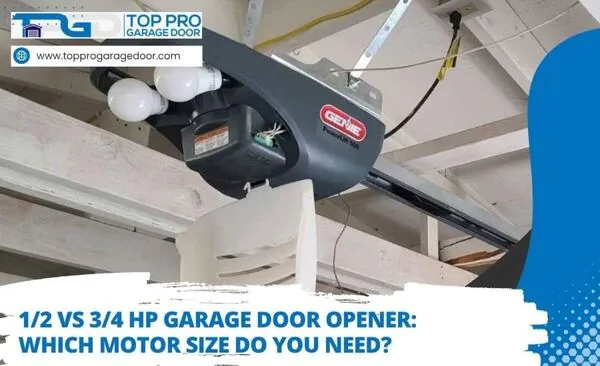
Selecting the right motor depends on your door’s weight and the friction of the tracks. A motor that works too hard will overheat or fail early, while an oversized motor might be a waste of your money.
| Method | How long | Effort | Cost | Best for |
|---|---|---|---|---|
| Method | Effort | Cost | Best for | |
| :— | :— | :— | :— | |
| 1/2 hp chain drive | High | Low | Light doors | |
| 1/2 hp belt drive | Medium | Medium | Quiet needs | |
| 3/4 hp belt drive | Low | High | Heavy doors | |
| 3/4 hp direct drive | Low | High | Minimal space |
This table assumes standard residential use of about 4 cycles per day. If you use your door more often, motors will wear out faster regardless of the horsepower rating. Maintenance is the most important factor for longevity; keep your tracks clean and lubricated to reduce the load on your motor.
Standard 1/2 hp chain drive systems
This is the most common system found in older homes. It uses a metal chain to pull the door along a rail, which is reliable but creates significant noise during operation.
Install the rail assembly according to the manufacturer’s instructions, ensuring the chain tension is tight but not sagging. If the chain hangs more than half an inch below the rail, it will slap against the metal during every cycle.
Mount the motor unit to the ceiling joists using steel angle iron, making sure it’s perfectly level with the door track. If the motor sits even an inch higher or lower than the rail, the trolley will bind, causing the door to jerk or stop mid-travel.
Attach the trolley to the chain and connect the emergency release cord, ensuring the handle is at least 6 feet above the floor. Use a zip tie to secure the cord to the trolley arm so it can’t snag on the door panels during movement.
Set the travel limits on the side of the unit until the door touches the floor gently without pushing down hard. If the door reverses upon hitting the floor, the limit is set too deep, forcing the motor to fight the floor’s resistance.
This system is great for detached garages where noise isn’t a concern. Its weakness is the high noise level and the frequent need to tighten the chain as it stretches over time. If you lack experience with electrical wiring or ceiling structures, hire a professional to avoid injury or damage.
Robust 3/4 hp belt drive systems
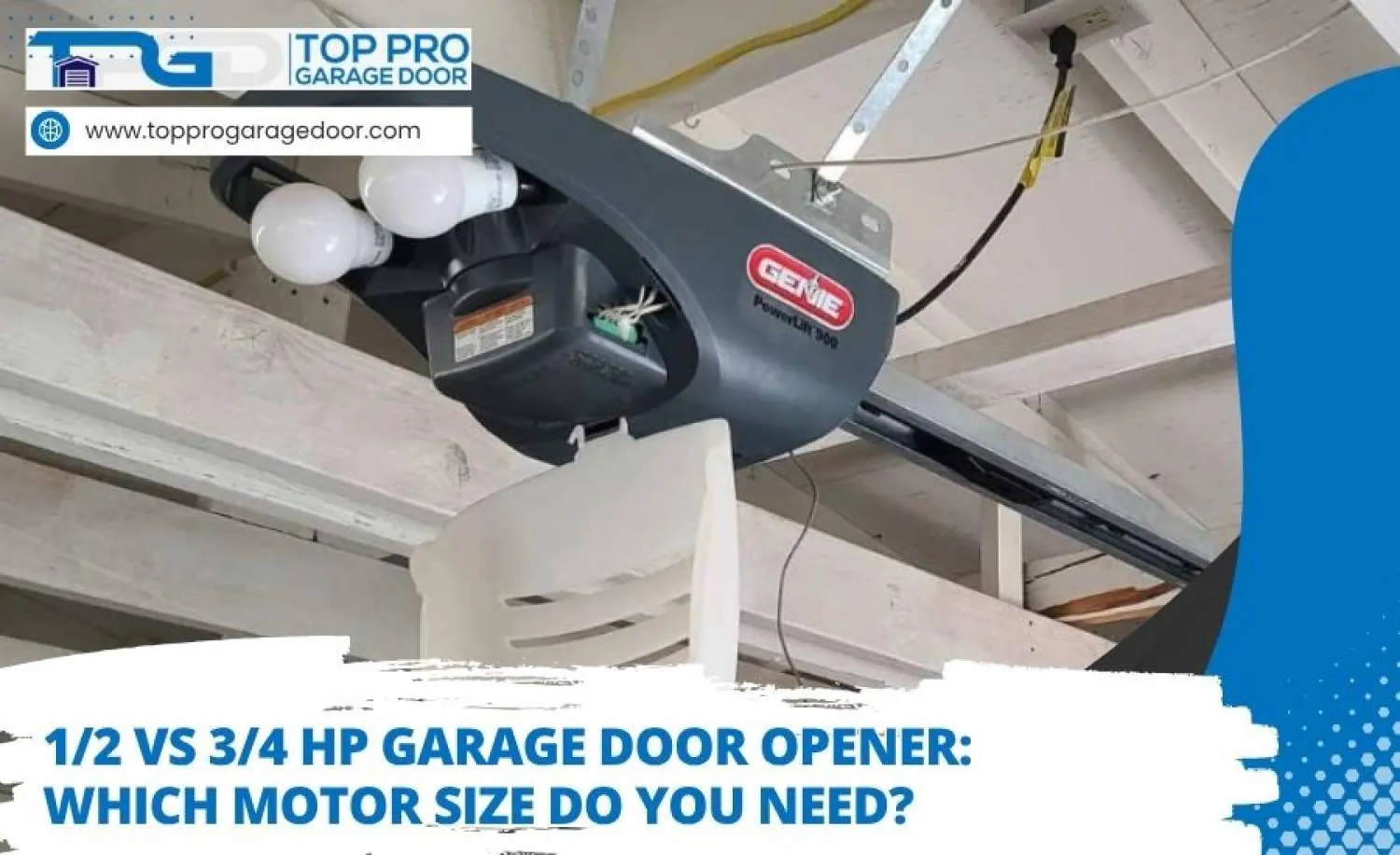
Belt drives use a reinforced rubber belt instead of a metal chain, making them significantly quieter. The 3/4 hp motor provides extra torque, which is essential for doors with high wind-load ratings or heavy decorative iron hardware.
Assemble the belt rail carefully, ensuring the belt isn’t twisted inside the channel before connecting it to the motor. A single twist will cause the belt to fray within months, leading to a complete system failure.
Secure the motor to the ceiling using heavy-duty, vibration-dampening brackets. If you mount the housing directly to thin drywall or loose framing, the motor’s torque will cause the entire unit to rattle against the ceiling joists.
Program the force settings strictly to the manufacturer’s specification. If the door doesn’t reverse when encountering a two-by-four laid flat on the floor, the sensitivity is set too high. This error poses a serious safety risk to pets and small children.
Connect the safety sensors at the base of the tracks, verifying that the alignment lights turn solid green. If the lights flicker, the sensors are misaligned or the wiring is loose, which will prevent the door from closing entirely.
These units are ideal for bedrooms located above or next to the garage. While they carry a higher upfront cost, they remain the quietest option for attached homes. Avoid these heavy-duty systems for simple, low-use storage sheds where a standard 1/2 hp chain drive is more than sufficient.
High-performance direct drive motors
Direct drive systems differ because the motor itself travels along the rail instead of staying stationary at the back. This reduces the number of moving parts and vibration, making it a very smooth option for heavy, custom-built doors.
Mount the stationary rail above the center of the door opening, ensuring the mounting bracket is bolted into a solid header. If your header is hollow or made of drywall, the motor’s torque will eventually pull the bracket loose. Use a 2×6 wood backing plate to anchor the rail securely.
Slide the motor unit onto the rail, ensuring the drive gear meshes correctly with the teeth on the rail. Wire the wall-mounted control panel and safety eyes to the motor housing using the included low-voltage clips. Run the automatic force calibration cycle so the motor learns the exact weight of your door.
This system is excellent for low-ceiling garages where space is very tight. Its primary weakness is that it’s often proprietary, meaning you can’t easily swap parts with generic hardware store brands. If you prefer standard parts, stick to a belt drive system instead. Choose direct drive if you prioritize silence and minimal maintenance, but opt for a belt drive if you want the ability to source replacement gears or sensors from any local supplier.
Selecting the right motor for your home
When deciding which unit to buy, consider your specific door type and daily habits. If you’re in a hurry, a 3/4 hp belt drive is best because it offers fast, quiet operation with little maintenance.
When you’re doing this for the first time, a 1/2 hp chain drive is easier to troubleshoot due to its simple design and common parts. If you want the best possible result whatever it takes, choose a 3/4 hp belt drive for its combination of power, silence, and long-term reliability.
The core trade-off here is between the low cost of smaller motors and the durability of larger ones. A mistake many people make is ignoring the weight of their door; they buy a 1/2 hp motor to save money, but the motor burns out in three years because the door is too heavy for its capacity.
Always check your door’s manual or look for a manufacturer’s sticker on the inside of the door panel to find its weight before buying a new opener.
If your door is made of solid wood or features carriage-house panels, it likely weighs over 300 pounds. In these cases, a 1/2 hp motor will struggle under the load and fail prematurely. Use a 3/4 hp motor for any door exceeding 250 pounds to ensure the gears don’t strip. If you have a standard, lightweight steel door, a 1/2 hp unit remains the most cost-effective choice.
Essential rules for every installation
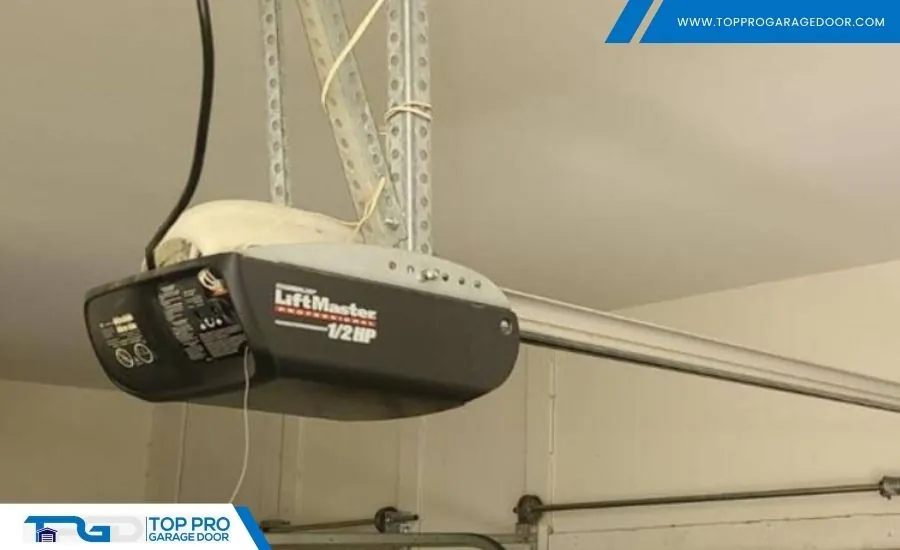
Regardless of the motor you pick, safety and alignment remain the most critical parts of the job. You must ensure the door is balanced; if you disconnect the opener and the door falls or rises on its own, it’s improperly balanced and requires a professional spring adjustment. Never attempt to adjust or replace torsion springs yourself, as they hold enough tension to cause serious injury.
Always test the safety reversal system once the installation is complete. Place a 2-by-4 piece of wood on the floor in the center of the door path and trigger the close cycle. The door must reverse immediately upon hitting the wood. If it does not, re-read your manual to adjust the force sensitivity settings. Finally, keep all remotes and wall buttons out of reach of children to prevent accidental operation while someone is entering or exiting the garage.
Related guides
- LiftMaster vs Chamberlain: Which Garage Door Opener Is Best
- 1/2 vs 3/4 Horsepower Garage Door Opener: Which One to Choose
- Chamberlain Garage Door Opener Troubleshooting: Easy Fixes
Frequently Asked Questions
Can I install a 3/4 hp opener on a light door?
Yes, you can install a 3/4 hp opener on a light door, but it’s usually unnecessary. The motor will simply have an easier time moving the door, which may extend its lifespan, but it won’t make the door operate faster. If you already have the larger unit, it will work perfectly fine, but you shouldn’t pay extra for the higher horsepower if your door is clearly marked as lightweight.
How long does a garage door opener last?
A standard garage door opener has a finite lifespan when maintained properly. This assumes you keep the tracks clean and the chain or belt tensioned correctly. If you live in an area with extreme temperature swings, the internal gears may wear out toward the shorter end of these ranges.
Is it safe to replace my own motor?
Yes, it’s safe to replace the motor unit yourself if you’re comfortable with basic hand tools and electrical wiring. However, you must never touch the torsion springs or the cables attached to the bottom brackets of the door. These components are under extreme tension and require specialized training to handle safely. If you feel unsure at any point, call a certified garage door technician to finish the work.
What happens if I choose the wrong horsepower?
If you choose a motor that’s too weak for your door, the unit will struggle, overheat, and likely fail within a few years. If you choose a motor that’s too strong, it will work fine, but you’ll have spent more money than necessary. The most important factor is matching the motor strength to the actual weight of your door, which you can find on the manufacturer’s label.
How often should I service my garage door?
You should service your garage door based on your usage and the manufacturer’s recommendations to ensure it remains balanced and the safety sensors are aligned. During this check, apply a silicone-based lubricant to the rollers, hinges, and track. If you notice the door sounds louder than usual or hesitates during movement, check the track alignment and tension immediately. Regular maintenance prevents the motor from working harder than it needs to.
Do I need a professional to install the sensors?
No, you don’t need a professional to install the safety sensors, as they’re part of the standard kit for every modern opener. You must mount them no more than 6 inches above the floor on both sides of the door. If they’re mounted higher, a person or pet could pass under the beam without triggering the safety reversal, which is a major safety risk.
Conclusion
Before you head to the store, take a moment to disconnect your door from the current opener and lift it manually. If it feels heavy or sticks along the tracks, you’ll definitely appreciate the extra strength of the more powerful motor. It’s a simple test that’ll save you plenty of frustration later.
