
The best toilet brushes combine a durable, non-porous head with an ergonomic handle to reach under the rim effectively. Silicone heads are often superior for hygiene because they don’t trap debris like nylon bristles and dry faster. Choosing the right tool depends on your bathroom layout and maintenance frequency.
Comparison of common toilet cleaning tools
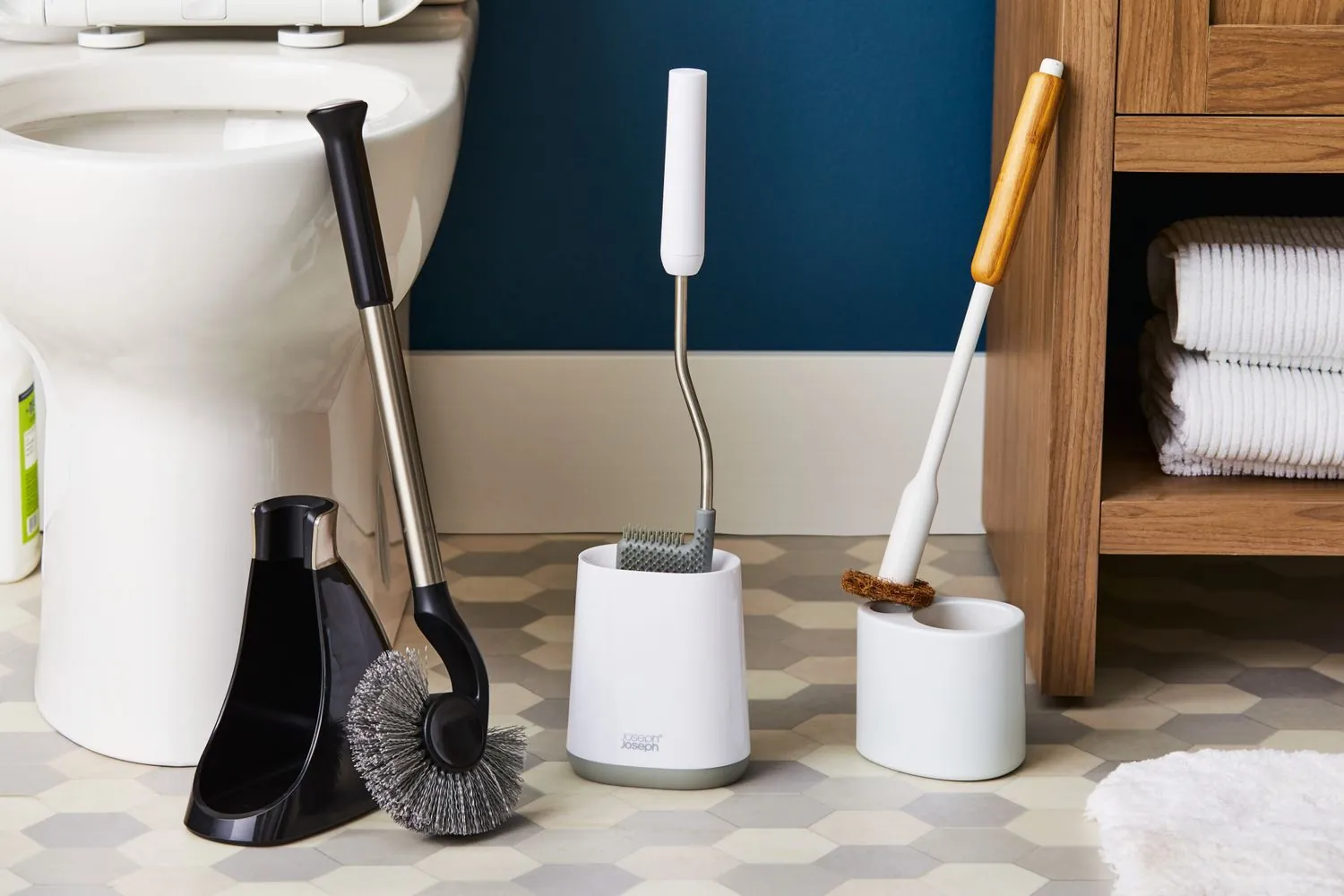
| Brush Type | Best For | Concrete Example |
|---|---|---|
| Silicone Head | Daily cleaning | Flexible flat-head scrubber |
| Nylon Bristle | Heavy-duty scrubbing | Traditional round stiff-bristle |
| Disposable Pad | Quick sanitizing | Click-on cleaning head |
| Pumice Stone | Mineral deposits | Handle-mounted scouring block |
| Integrated Brush | Space saving | Wall-mounted slim container |
Silicone brushes excel at light maintenance because they resist bacteria and dry almost instantly. Use these when you want to prevent biofilm buildup without the mess of a dripping brush. If you have a toilet with a complex rim design, the flexible head reaches deep into hidden crevices where nylon bristles often fail.
Nylon bristles are the workhorse for stubborn, long-term stains. These brushes provide the friction needed to break through calcified grime. However, they trap bacteria deep within the fibers.
Disposable pads are the safest choice for households with immunocompromised members. Since you detach and flush the head after one use, you never store a contaminated tool in your bathroom. This convenience comes at a premium, as the recurring cost of refill pads often exceeds the price of a standard brush within a single year.
Pumice stones are exclusively for hard water rings that standard brushes can’t touch. Always soak the stone in water until it becomes soft before scrubbing. If you use a dry stone on porcelain, you risk leaving permanent scratches that trap dirt and make future stains appear faster. If the bowl is acrylic or plastic, skip the stone entirely to avoid irreparable surface damage.
Silicone head toilet brushes
Silicone head brushes are ideal for people who prioritize hygiene and ease of maintenance in their daily routine. These brushes feature flexible, rubber-like fingers that reach into tight curves under the rim without scratching porcelain surfaces. Because they’re non-porous, they resist bacterial growth far better than organic or traditional plastic bristles, which often hold onto moisture and grime.
They allow for a thorough cleaning of the drain hole without the risk of splashing water back onto the user. The hydrophobic material ensures that water drips off quickly, preventing the buildup of stagnant liquid in the holder. They’re highly durable and don’t lose their shape, even after months of regular scrubbing.
If you have a very stubborn stain, you might need more friction than silicone provides. In that case, pair it with a strong chemical cleaner. For a standard cleaning, use about 30 milliliters of a neutral bathroom cleaner and move the brush in a circular motion around the bowl. If the brush head becomes discolored, you can safely soak it in a diluted bleach solution for 10 minutes to restore its appearance.
Most users make the mistake of scrubbing too hard, which causes the silicone to flick dirty water outside the bowl. Apply light, consistent pressure instead, letting the material’s flexibility do the work for you. If you notice the brush head dragging or sticking, you’re pressing too firmly.
Choose a silicone brush if you clean your bathroom at least once a week. If you only deep-clean once a month, the mineral buildup in your toilet will likely require the abrasive power of traditional nylon bristles. Silicone is a tool for maintenance, not for heavy-duty restoration of neglected surfaces.
When choosing between models, look for a head with a flat, paddle-like shape rather than a rounded bulb. The flat design provides more surface contact with the bowl, allowing you to cover more area in less time. If the handle is shorter than 14 inches, you’ll likely find it difficult to reach the bottom of deep-trap toilets without getting your hand too close to the water.
Nylon bristle toilet brushes
Nylon bristle brushes provide the stiff scrubbing power needed to remove deep-set stains or hard water rings that softer tools can’t shift. These are the most common choice for households that prefer a traditional, mechanical approach to cleaning. The density of the bristles allows for aggressive scrubbing, which is essential if you don’t clean the bowl as often as you should.
The stiff fibers provide high torque when you apply pressure against the ceramic bowl. They’re excellent at reaching into the deep traps where debris can accumulate. Most models come with a long, sturdy handle that keeps your hands well away from the water.
If you’re scrubbing porcelain, use a light touch initially to avoid micro-abrasions that eventually harbor bacteria. However, for stubborn mineral deposits, apply a gel-based cleaner and let it dwell for ten minutes before using the brush. This chemical-mechanical combination prevents you from having to scrub until the bristles permanently bend.
People often make the mistake of leaving these brushes wet inside the holder, which promotes mold growth. Always rinse the brush and let it air dry over the bowl for at least fifteen minutes before storing it. If you notice a persistent odor even after rinsing, the nylon has likely become porous, and no amount of soaking will sanitize it.
If your bristles have started to splay outward, it’s time to replace the unit. A deformed brush will no longer reach under the rim, which is where the majority of bacteria colonies reside. If the bristles look like a mushroom, they’re failing to reach the narrowest parts of the trap.
Disposable pad cleaning systems

Disposable pad systems are designed for those who want a fresh, sanitized cleaning experience every time without the need to store a dirty brush. These kits usually consist of a reusable wand and a box of single-use heads that are pre-loaded with cleaning solution. This method is highly effective for reducing the risk of cross-contamination between different bathrooms in a large home.
- The cleaning solution is released automatically as you scrub, saving you from carrying extra bottles.
- You simply click the pad into the wand, scrub the bowl, and release the pad into the trash.
- The system removes the need to clean or disinfect the brush itself, making it a time-saving solution.
There’s a significant trade-off here: you’ll face ongoing costs for the refills, and the plastic waste generated by each use is higher than with a permanent brush. If you have a septic system, check the packaging carefully before flushing any components, as some pads aren’t designed to break down in residential waste treatment systems. According to the Environmental Protection Agency, you should never flush non-degradable items into a septic tank, as they can cause expensive blockages and system failures.
Pumice stone toilet cleaners
Pumice stone cleaners are specialized tools intended only for the removal of heavy mineral deposits and lime scale that standard brushes fail to touch. These aren’t for daily maintenance but are essential when the bowl has developed visible, dark rings near the water line. The stone is abrasive enough to grind away mineral buildup without damaging the vitrified porcelain finish of most modern toilets.
They work by physically wearing down the calcium deposits that accumulate over years of use. The long handle allows you to apply firm, steady pressure directly to the affected area. They require no chemicals, making them a safe option for homes with young children or pets.
Always test an inconspicuous spot near the base of the bowl before tackling prominent stains. If the stone leaves a gray streak that wipes away easily, the porcelain is safe. If the surface feels rough or retains a permanent dull patch, stop immediately; your fixture may have a soft coating or an acrylic finish that can’t handle pumice.
You must keep the stone and the ceramic surface wet at all times to prevent scratching the glaze. If you allow the stone to dry out, the friction becomes too high and will leave permanent, unsightly dull marks. Keep a spray bottle of water nearby to re-wet the area every thirty seconds.
Most people make the mistake of using these stones on plastic toilet seats or colored porcelain. Never use pumice on anything other than white, vitrified ceramic. If your toilet is colored, the stone will strip the pigment and leave a permanent white scar.
Only use this tool once or twice a year. It’s a heavy-duty solution rather than a cleaning brush. If you find yourself reaching for the stone every month, your water hardness is extreme, and you should consider installing a water softener to protect your plumbing infrastructure from long-term mineral corrosion.
Other toilet cleaning options
Wall-mounted brushes are excellent for small bathrooms where floor space is limited. These units keep the brush head suspended in the air within a ventilated holder, which helps it dry out much faster than a floor-standing model. If your bathroom lacks a dedicated floor corner for a canister, mount these at eye level near the toilet base. This prevents the brush from sitting in stagnant, germ-filled water, which is the primary cause of bathroom odors.
Electric scrubbing brushes use battery power to rotate the head at high speeds. These are a lifesaver for people with limited grip strength or arthritis. While they’re inexpensive relative to the alternative, they eliminate the need for repetitive, forceful scrubbing. Don’t use these on delicate porcelain if the bristles are stiff.
Toilet rim scrubbers are small, handheld tools that target the underside of the rim specifically. They’re shaped like a hook to reach into the water jets where mineral deposits and bacteria hide. Use these in combination with your main brush for a deep clean once a month.
Many people make the mistake of relying solely on chemical gels to clean the rim, but those liquids rarely reach the underside of the jets. If you see brown or black streaks developing under the rim, no amount of bowl cleaner will fix it; you must use a hooked brush to physically dislodge the buildup. If the deposits are stubborn, soak the brush in white vinegar before scrubbing the jets.
Choosing the best tool for your bathroom

The choice between these options comes down to your physical mobility, your budget, and the state of your bathroom. If you deal with hard water that leaves persistent rings, you need a pumice stone for the tough spots and a nylon brush for weekly upkeep.
If you have a busy household and want to minimize the time spent cleaning, the disposable pad system is your best path forward. For a balance of hygiene and long-term value, a high-quality silicone brush is the most sustainable choice.
Your bathroom’s existing storage space also dictates your choice. If you have no floor space near the toilet, look for a wall-mounted brush or a slim, integrated unit that fits into a small corner.
If you have the space, a floor-standing holder with a removable inner cup is better, as it allows you to empty and disinfect the holder easily. These tools are generally not interchangeable, meaning you should pick one primary brush for daily use and perhaps one specialized tool for deep cleaning.
Frequently Asked Questions
Can I clean my toilet brush in the dishwasher?
No, you shouldn’t clean a toilet brush in the dishwasher because it spreads fecal bacteria to kitchen appliances. The safest way to clean a traditional nylon brush is to soak it in a bleach solution for 30 minutes, then rinse it thoroughly with hot water. Avoid using your dishwasher for sanitation.
How often should I replace my toilet brush?
If the bristles fray or lose their shape before that time, replace it immediately.
Why does my toilet brush holder get smelly?
The smell usually comes from stagnant water trapped at the bottom of the holder. To prevent this, shake the brush vigorously over the bowl to remove excess water before storage. If the holder has an inner cup, wash it weekly with soap and water to maintain freshness.
Is it safe to use bleach on my toilet brush?
Yes, it’s safe to use bleach on most toilet brushes, provided you don’t mix it with other chemicals. Fill the holder with a mixture of one part bleach to ten parts water and let the brush soak for 15 minutes. Never mix bleach with acidic cleaners like vinegar.
How do I remove hard water stains without a brush?
You can remove hard water stains by using a combination of white vinegar and baking soda to break down minerals. Pour 250 milliliters of vinegar into the bowl, let it sit for 30 minutes, then sprinkle 60 grams of baking soda and scrub. Use a pumice stone for stubborn deposits.
Does it matter if my brush has a flexible head?
Yes, a flexible head is better because it allows you to scrub the underside of the rim where most bacteria gather. A flexible design ensures you clean the entire surface area of the bowl, not just the bottom. Avoid rigid brushes that miss these critical spots.
Conclusion
Start by checking the state of your current brush to see if the bristles are frayed or if the head is discolored. If you find the brush is no longer holding its shape, replace it with a new model that matches your cleaning frequency and bathroom size.