
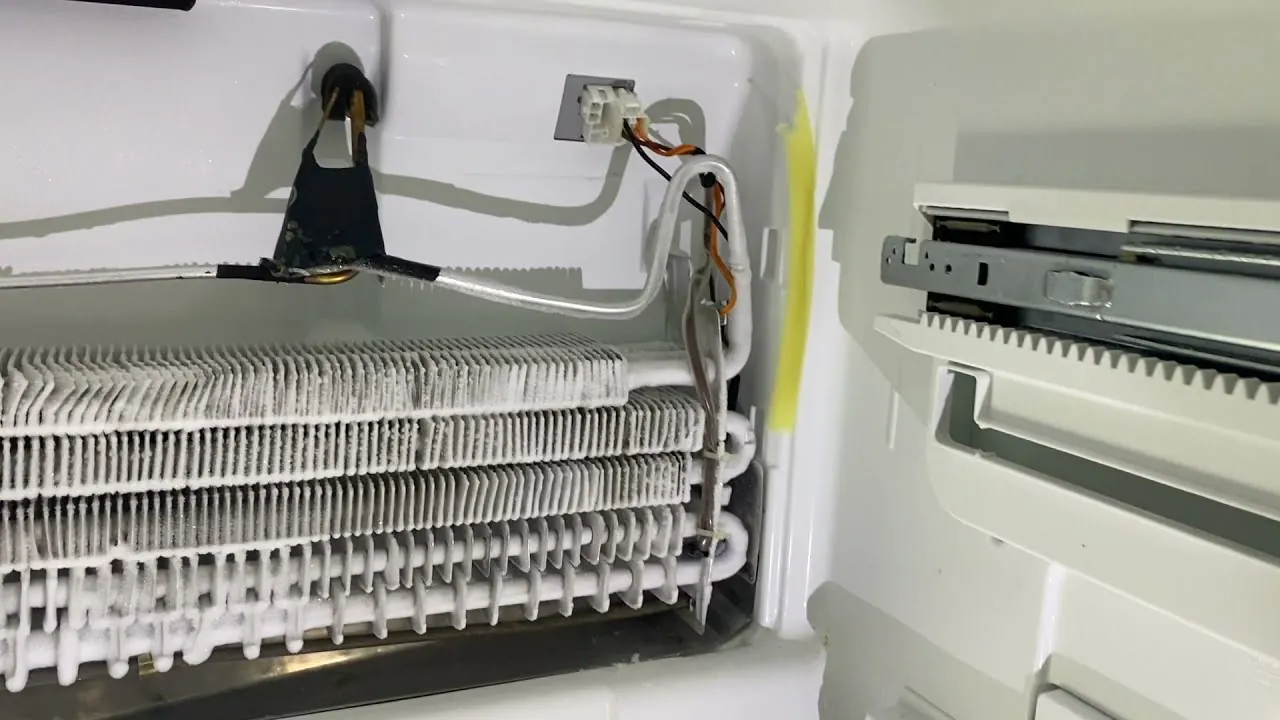
An lg refrigerator error code dh f usually means there’s a defrost heater issue or a failure in the defrost circuit. It’s generally not safe to keep food in the unit for more than four hours if the temperature rises above 40°F, as bacteria grow rapidly at room temperature. You can confirm this error by checking if the evaporator coils are covered in thick frost or ice, which prevents the cooling fan from circulating cold air. This diagnostic step takes only a few minutes and helps identify if the cooling system is failing.
Understanding the refrigerator error code
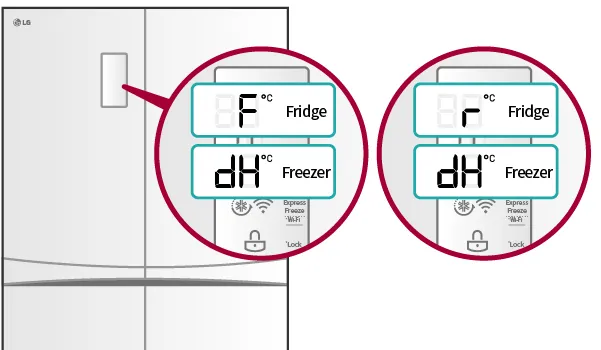
When you see this error, it means the appliance can’t enter a proper defrost cycle. The following table helps you narrow down what might be happening based on common symptoms.
| What you notice | What it usually means | What to do first |
|---|---|---|
| Thick ice on coils | Defrost heater is broken | |
| Warm fresh food | Airflow is blocked by ice | Check the air vents |
| Clicking sounds | Defrost timer or board fault | Reset power at breaker |
| Error code flashes | Sensor or circuit failure | Unplug for 60 seconds |
| Water on floor | Defrost drain is frozen | Clear the drain tube |
| Fan hitting ice | Build-up behind back panel | Manually defrost the unit |
If you find ice buildup, check the frost pattern on the back panel. A solid, uniform layer of ice suggests a faulty heater, while frost concentrated in one corner often points to a refrigerant leak. Don’t mistake a simple door seal gap for a mechanical failure. If the rubber gasket feels brittle or fails the dollar-bill test—where the bill slides out easily when the door is closed—replace the gasket before ordering expensive internal parts.
Most users mistakenly assume a loud fan requires a motor replacement. However, if the noise stops the moment you open the door, the fan is merely striking accumulated ice. In this case, a manual thaw is your only necessary repair.
If the noise persists with the door open, the motor bearings have failed and require a full swap. Always prioritize clearing the drain tube if you see water pooling, as standing water will refreeze and cause recurring mechanical strain within forty-eight hours.
Failed defrost heater components
A broken defrost heater is the most frequent cause for this error code. The heater sits behind the back panel of the freezer and melts frost off the evaporator coils during the defrost cycle. If the heater element burns out, ice builds up until it blocks the airflow, causing the cooling system to struggle.
You can confirm this by removing the rear panel inside the freezer. If you see heavy ice covering the entire coil assembly, the heater is likely not working. To test this further, contact a technician to perform an electrical assessment of the component.
Many people mistake a simple frost buildup for a failed heater when the real culprit is a clogged drain line. If the coils are clear but water is pooling at the bottom of the freezer, clear the drain hole with a pipe cleaner before replacing parts.
If the heater is damaged, it must be replaced with an identical part designed for your specific model. You can find the correct part number on the LG official support website by entering your appliance’s serial number. If you replace the heater and the error persists, the issue might be the thermal fuse. If the fuse has tripped, the heater won’t turn on even if it’s otherwise perfectly fine.
Defrost sensor or control board faults
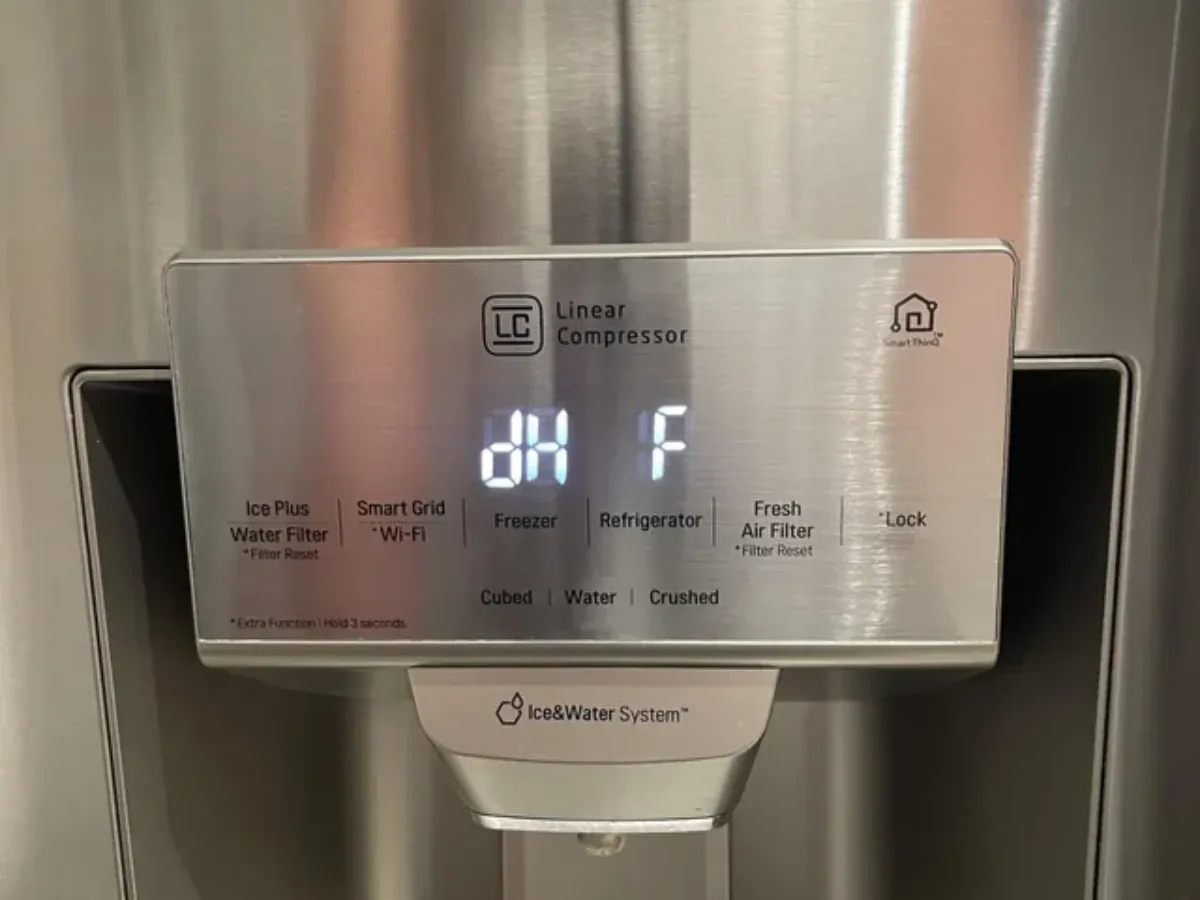
Sometimes the heater is fine, but the refrigerator doesn’t know when to turn it on. The defrost sensor monitors the temperature of the coils and signals the control board to start the cycle. If this sensor sends the wrong signal, the system may skip the cycle entirely, leading to ice buildup and an error code.
To check the sensor, look for loose wires or corrosion at the connection point near the evaporator coils. If the sensor is covered in thick ice, it can’t accurately detect the temperature. If the error returns shortly after the unit cools down, the sensor likely needs replacement.
Use a multimeter set to ohms to test the sensor while it’s submerged in ice water. A healthy sensor should show a specific resistance reading, usually around 10k ohms, depending on your manual. If the reading is infinite or zero, the component is dead.
The main control board is the final piece of this puzzle. It coordinates all functions, including the defrost cycle. If the board has a short circuit, it may fail to send power to the heater even when the sensor tells it to. Inspect the board for burnt traces or bulging capacitors, which often result from power surges. If the heater and sensor both test as functional but the system still refuses to defrost, the board is almost certainly the culprit.
Clogged defrost drain issues
A clogged defrost drain is a common, simple problem that mimics more serious mechanical failures. When the drain tube freezes or gets blocked by food debris, water from the defrost cycle can’t exit the unit. This water stays inside the freezer, refreezes, and eventually turns into a large block of ice that interferes with the fan and the defrost heater.
You can tell if the drain is the problem by checking the bottom of the freezer compartment for standing water or ice. If you see water pooling near the drain hole, the tube is likely blocked. To fix this, use a turkey baster to flush the hole with warm water until it flows freely into the pan at the bottom of the fridge.
Many people make the mistake of using a metal wire or screwdriver to poke the blockage. This often punctures the plastic drain line, leading to costly leaks behind the refrigerator wall. Always use flexible plastic tubing or hot water to clear the obstruction.
This issue is different from a heater failure because the cooling coils themselves might be clear of ice, even though the bottom of the freezer is frozen solid. If the drain is clear and the ice continues to return, you’re likely dealing with a sensor or heater issue instead.
If the ice buildup reaches the evaporator coils after a manual defrost, the problem lies with the defrost timer or thermistor, not the drain. Regular cleaning of the drain hole, as determined by your usage and the owner’s manual, prevents this from happening.
When to stop and get help
There are moments when you must stop trying to fix the unit yourself to prevent injury or further damage. Please contact a professional technician if you notice the following signs:
- The power cord or outlet shows signs of burning, melting, or discoloration.
- You smell burning plastic or electrical smoke coming from the back of the unit.
- The error persists after you have performed a full 24-hour manual defrost.
- The internal wiring appears brittle, frayed, or damaged beyond a simple connection check.
Never attempt to test the main control board or high-voltage components with a multimeter unless you have specific electrical training. A capacitor inside the refrigerator can hold a lethal electrical charge even after you have unplugged the appliance from the wall.
If the internal components require testing or replacement beyond cleaning the drain or checking for loose wires, call an authorized LG service technician. They have the tools to safely diagnose the circuit boards and high-voltage parts without risking a dangerous electrical shock.
If you hear a loud grinding noise coming from the freezer, stop immediately. This indicates the evaporator fan blade is striking a wall of ice. Continuing to run the unit in this state will snap the fan motor shaft, turning a simple defrost repair into a costly motor replacement.
Frequently Asked Questions
What is the first thing I should do when I see this code?
This allows all built-up ice to melt naturally, which often clears the error if the problem was caused by a temporary frost blockage. If the error code returns after the unit cools back down, you’ll know the issue is a failed part rather than just a simple ice buildup.
Is it safe to eat food left in the fridge during this error?
It’s safe to eat food only if the temperature inside the refrigerator has stayed at or below 40°F for no more than four hours. Use a separate appliance thermometer to check the actual temperature, as the display might not be accurate while an error code is active. If the temperature has risen above 40°F for longer than four hours, discard perishable items like meat, dairy, and eggs.
How long does it take for a refrigerator to defrost manually?
Don’t use a hair dryer, heat gun, or sharp objects to speed up the process, as these can easily melt the plastic liner or puncture the cooling coils. Let the ice melt on its own to ensure you don’t cause expensive damage to the internal components.
Does the error code mean the whole fridge is broken?
No, this error code specifically points to the defrost system, not the entire cooling mechanism. While the unit will struggle to keep the correct temperature because of the ice buildup, the compressor and cooling system are often still functional. Once the defrost issue is repaired, the refrigerator should return to normal operation without needing a full replacement.
How often should I check the defrost drain?
If you notice water pooling at the bottom of the freezer, check it sooner to prevent the water from turning into a large block of ice. Keeping this drain clear is a simple habit that prevents the most common cause of ice-related errors in modern refrigerators.
What happens if I ignore the error code?
If you ignore the error, the ice buildup will continue to grow until it blocks the evaporator fan and the air vents. Once the airflow is completely blocked, the refrigerator will stop cooling, and the temperature will rise, causing your food to spoil. Ignoring the code also puts extra strain on the compressor, which may lead to a much more expensive repair than just fixing the defrost heater.
Conclusion
If your appliance still isn’t cooling properly after you’ve cleared the ice, it’s time to call a professional technician. They’ll have the right tools to test the electrical components safely. Don’t wait too long to reach out, as getting it fixed quickly will keep your fresh groceries from spoiling for good.
