
The most common reason for a catit fountain not working is a buildup of debris or hair inside the pump impeller. When the pump intake becomes blocked, the motor can’t circulate water, causing the flow to stop or become very weak. You can usually fix this by cleaning the pump thoroughly and ensuring the water level is high enough to submerge the intake. If the pump still doesn’t run after a deep clean, it may have reached the end of its functional life.
Why your Catit fountain stopped working
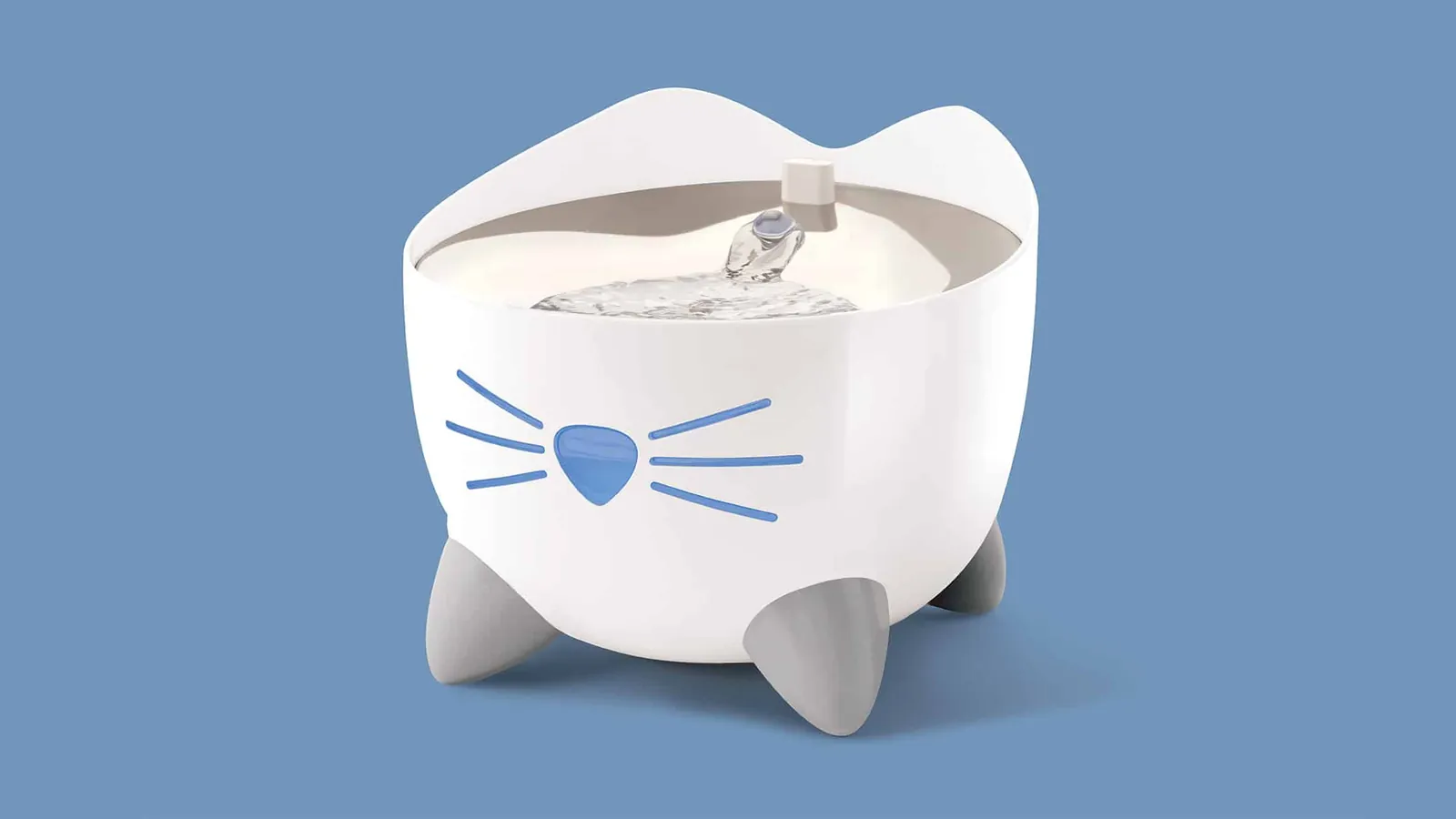
When your pet fountain stops pushing water, it’s almost always related to the pump’s mechanical health or the flow path. The pump works by spinning a small magnet—the impeller—to draw water in. If this magnet is stuck, the motor will hum or remain silent, but no water will move. Debris, such as cat hair, food particles, or mineral deposits from hard water, is the primary culprit.
Another frequent cause is an incorrect water level. These pumps aren’t designed to run dry; if the water level drops below the intake line, the pump will lose its prime and eventually overheat. Even if the pump is submerged, trapped air bubbles can prevent the impeller from spinning. This is known as an airlock. You can often clear this by giving the fountain a gentle tilt while it’s running to release the trapped air.
Finally, check the electrical connection. Ensure the power adapter is pushed firmly into the wall outlet and the cable is connected securely to the fountain base. If you see any signs of frayed wires or damage to the power cord, stop using the device immediately to prevent any risk of electrical shock. You can review safety guidelines for household electrical appliances through the [U.S.
Cleaning the pump intake
If the fountain is silent or just humming, start by cleaning the pump housing. Unplug the unit first, then remove the pump from the fountain. Many models have a small cover over the impeller area that pops off with a light tug. You’ll likely find a collection of slime or hair wrapped around the tiny plastic fan.
Use a small brush, like a cotton swab or a soft toothbrush, to scrub the inside of the impeller chamber. Don’t use harsh chemicals or soap that could be toxic to your cat; plain water or a weak vinegar solution is usually enough to break down mineral buildup. Once the chamber is clean, ensure the impeller spins freely when you nudge it with your finger.
If your tap water leaves white, chalky rings on your faucets, you’re dealing with hard water. If you notice the flow rate dropping noticeably, prioritize a vinegar soak for twenty minutes rather than just a quick scrub.
If the impeller feels gritty or stuck even after cleaning, it may be permanently damaged by mineral scale. If you live in an area with very hard water, this process might need to be repeated based on usage; consult your owner’s manual for specific maintenance recommendations.
If the impeller doesn’t spin after you have cleared all visible debris, the motor housing itself has likely failed and can’t be repaired. Replace the entire pump unit immediately to avoid a complete motor burnout.
Checking the power supply

A fountain that shows no signs of life might simply be disconnected from power. Check the wall outlet first by plugging a lamp or another device into the same socket to verify that the outlet is providing power. If the outlet works, inspect the power cable for any kinks or bite marks from your cat.
If your fountain uses a USB power adapter, try swapping the adapter block with another one from a phone or tablet. Ensure the replacement adapter provides the same voltage and amperage as the original, as a mismatched power supply can damage the pump motor. If you don’t know the correct output, check the label printed directly on your original power block.
Look for the “Output” line on that label. If the original block says 5V/1A, don’t use a “fast charger” block that outputs 9V or 12V, as the higher voltage will likely fry the pump’s circuit board instantly. A block with higher amperage is usually safe, as the pump will only draw what it needs.
If you have a spare power cable or adapter that matches the specifications, test it with the fountain. If the pump remains silent while receiving the correct power, the internal motor has failed. At this point, the pump unit is a sealed component and can’t be opened further for internal repairs. If the motor is dead, the only remaining option is to order a replacement pump from the manufacturer.
When to replace the pump
Replacing the pump is the most common solution when cleaning fails to restore flow. It’s worth the effort if your fountain base and bowl are still in good condition, as the pump is the only mechanical part that wears out. You should replace it rather than trying to force it to work if you hear a grinding noise, as this indicates the internal bearings are worn down.
If your fountain is under warranty, check the manufacturer’s documentation before buying a new part. Most companies offer a limited period of coverage for motor defects. If the unit is out of warranty, you can purchase a replacement pump designed specifically for your model. Don’t attempt to use a generic aquarium pump unless it’s explicitly listed as compatible, as the flow rate and mounting style will likely be wrong.
If you find that your water is consistently cloudy or develops a strong odor despite regular cleaning, the pump might be struggling to pull water through the filter. Replace your filter at the manufacturer’s recommended interval—usually every 3 to 4 weeks—to reduce the strain on the motor. If you have to replace the pump more than once a year, consider switching to filtered or distilled water to reduce the buildup of minerals that damage the motor.
Popular advice to avoid
-
Using bleach to clean the pump: This is dangerous because residue can remain in the pump housing and poison your cat when the fountain is turned back on. If you suspect bleach contamination, run the pump in a separate basin of fresh water for thirty minutes before reassembly.
-
Running the pump in the dishwasher: The heat can warp the plastic housing and destroy the internal magnet, making the entire fountain unusable. Hand wash components in warm, soapy water instead.
-
Applying oil to the impeller: Never use lubricants like oil or grease to fix a stuck impeller. These substances contaminate the water and are toxic if ingested. If the impeller resists rotation, soak it in white vinegar for ten minutes to dissolve mineral deposits.
-
Submerging the power cord in water: While the pump is meant to be underwater, the power cable and plug are not. Doing this causes a short circuit and creates a fire hazard.
-
Banging the pump to loosen it: This cracks the delicate plastic casing and causes permanent leaks. If the pump is jammed, use a toothpick to gently clear debris rather than force. A hairline fracture here turns a minor clog into a total failure.
Preventing future clogs
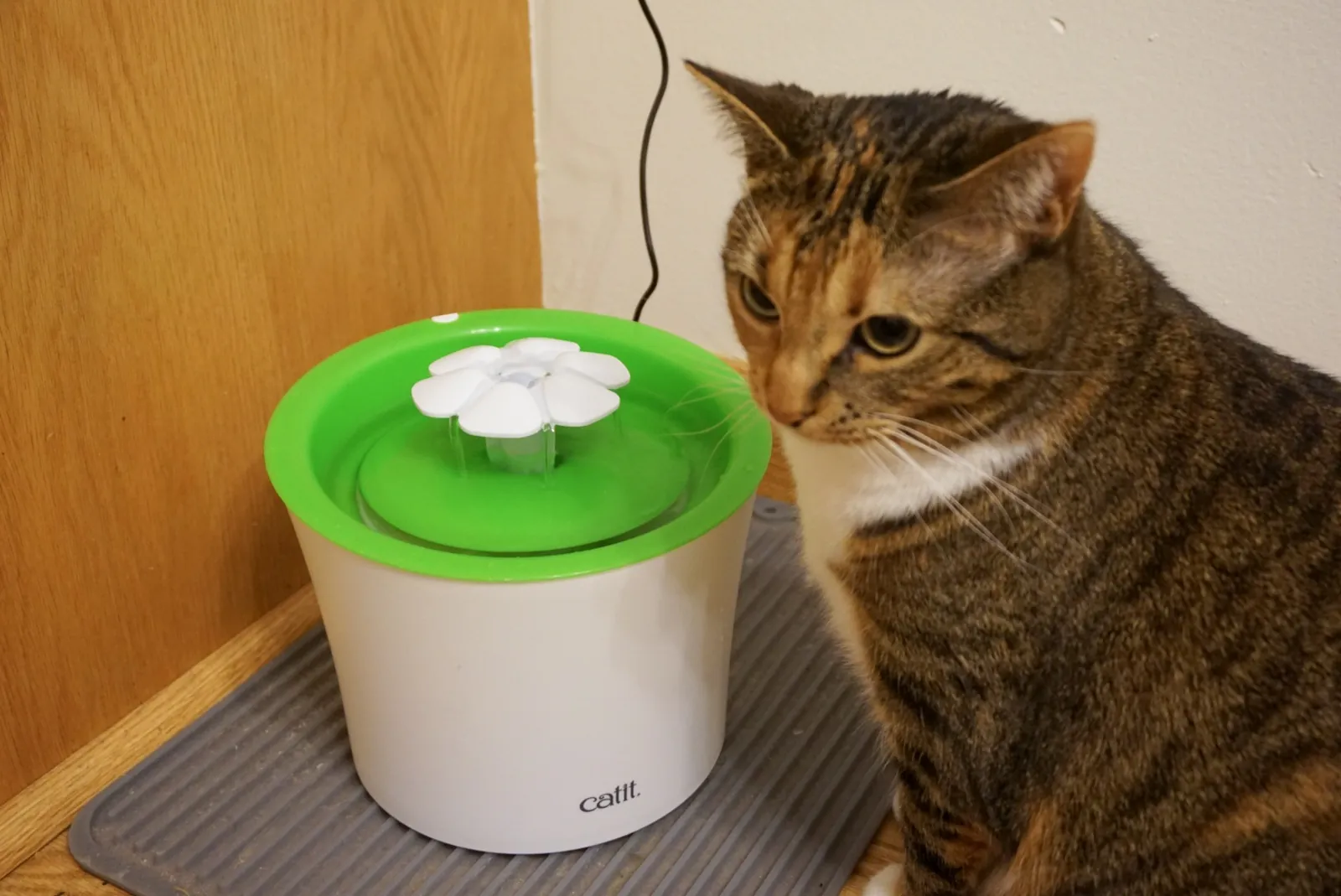
To keep your water flowing properly, you need to match your cleaning schedule to the environment in your home. If you have multiple pets or high mineral content in your water, you must clean the pump more often than someone with a single pet and soft water.
If your home has hard water, check the intake screen regularly; consult your owner’s manual for the recommended frequency based on your usage. A faint humming noise that grows louder is the primary warning sign that scale is restricting the impeller. Ignoring this sound leads to motor burnout, which often costs more to replace than the entire unit.
When you notice a white, chalky film on the plastic housing, stop using standard dish soap. Soap leaves a residue that attracts more debris, creating a cycle of persistent blockages. Instead, soak the pump parts in a 50/50 mixture of white vinegar and water for thirty minutes. This acidity dissolves mineral deposits that scrubbing brushes can’t reach.
If you find yourself cleaning the pump frequently, your environment is likely too harsh for tap water; consult your owner’s manual for maintenance guidance based on your usage. Switch to filtered or bottled water to stop the calcium buildup at the source.
This single change typically doubles the lifespan of the motor by preventing internal friction. Always maintain the water level above the minimum fill line; running the pump dry for even an hour causes heat damage that’s impossible to reverse.
Related guides
Frequently asked questions
How long does a cat fountain pump last?
A pump usually lasts for a significant period with regular cleaning and proper water levels. If you live in an area with hard water, the lifespan may be shorter because mineral deposits can seize the impeller. You can tell your pump is near the end of its life if it makes a loud rattling sound or fails to start even after a thorough cleaning and manual spin of the impeller.
Is it safe to leave the fountain on 24/7?
Yes, the unit is designed to run continuously, provided the water level remains high enough to keep the pump fully submerged. The pump relies on the water it circulates to stay cool; if the water level drops too low, the motor will overheat and potentially stop working. Always check the water level daily to ensure it covers the intake port, especially in dry climates where evaporation happens faster.
Why is my fountain making a loud buzzing noise?
A loud buzzing noise almost always means the impeller is struggling to spin due to debris or a lack of water. Turn the fountain off immediately and check for hair wrapped around the impeller shaft or a low water level. If the noise continues after cleaning and refilling, the internal bearings of the pump are likely worn out and the motor can’t be saved.
How often should I change the water?
You should change the water every 3 to 5 days to keep it fresh and reduce the buildup of bacteria in the bowl. Even with a filter, water sitting in an open bowl collects dust and hair, which eventually makes its way into the pump. If you notice the water becoming slimy to the touch, wash the entire fountain with mild dish soap and rinse it thoroughly before refilling.
Can I fix a pump that isn’t pulling water?
No, you can’t fix an internal motor failure because the pump housing is a sealed unit. You can only clear blockages from the intake and the impeller chamber, which usually fixes most flow issues. If the impeller is clean, spins freely by hand, and the power supply is verified as working, the motor itself has failed and you must replace the pump component.
Conclusion
If your fountain still won’t start, don’t worry too much. It’s often time to order a replacement pump rather than buying a whole new unit. Check the manufacturer’s website for the correct model number, and you’ll have your cat’s favorite water source running smoothly again in no time at all.
