
Cleaning a foosball table takes about 20 minutes using basic household items like soft cloths, mild soap, water, and a dry towel. This straightforward process requires care to avoid damaging the finish or mechanics, ensuring rods spin smoothly and the surface remains smooth for years.
Gather your cleaning supplies
You’ll need a few simple items to clean this table effectively. Most of these are likely in your kitchen or garage right now. Having everything ready before you start prevents interruptions and helps you work efficiently. Here is exactly what you need:
| Item | How much | Why it’s needed | A substitute |
|---|---|---|---|
| Microfiber cloths | 3-4 | They trap dust without scratching the wood or plastic finish. | Cotton t-shirts (cut into squares) |
| Mild dish soap | 1 tsp | Cuts through hand oils and sweat without leaving sticky residue. | None — don’t swap this |
| Distilled white vinegar | 1 cup | Helps remove stubborn grime and mineral deposits. | None — don’t swap this |
| Water | 1 quart | Dilutes the soap and vinegar solution for safe application. | Tap water (if distilled is unavailable) |
| Soft-bristled brush | 1 small | Cleans debris from rod bearings and goal nets gently. | Old toothbrush |
| Dry towel | 1 large | Absorbs moisture quickly to prevent warping or mold growth. | Several paper towels |
Prepare the table for cleaning
Before you apply any liquid, you must set up the area properly. This step protects your floor and ensures you don’t miss hidden dirt spots. Skipping preparation often leads to water damage or missed spots that cause long-term issues.
- Clear the surface completely. Remove all balls, markers, and scorekeepers. If your table has removable legs or side panels, take them off now. This gives you full access to every corner and edge. Leave nothing behind that could get wet or knocked over.
- Vacuum loose debris first. Use a brush attachment on your vacuum cleaner. Gently run it over the playing field, around the goals, and along the rods. This removes sand, dust, and hair that would otherwise turn into mud when you add water. Pay special attention to the corners where dirt accumulates.
- Check the rod mechanism. Spin each rod by hand to ensure they move freely. If a rod is stuck, note its position. Don’t force it yet. Sometimes dirt causes jams, but sometimes mechanical failure is the real issue. Forcing a stuck rod can bend it or break the bearing.
- Protect the surrounding area. Lay down old towels or newspaper under the table legs. This catches any drips that might fall during the cleaning process. It also prevents your floor from getting scratched if you slide the table slightly. Keep your workspace tidy and dry.
- Mix your cleaning solution. In a bucket or spray bottle, combine one gallon of warm water with one teaspoon of mild dish soap. Shake or stir gently to create suds. Avoid harsh chemicals like bleach or ammonia, as they can strip the finish and damage the wood or plastic components over time.
Clean the playing surface and rods
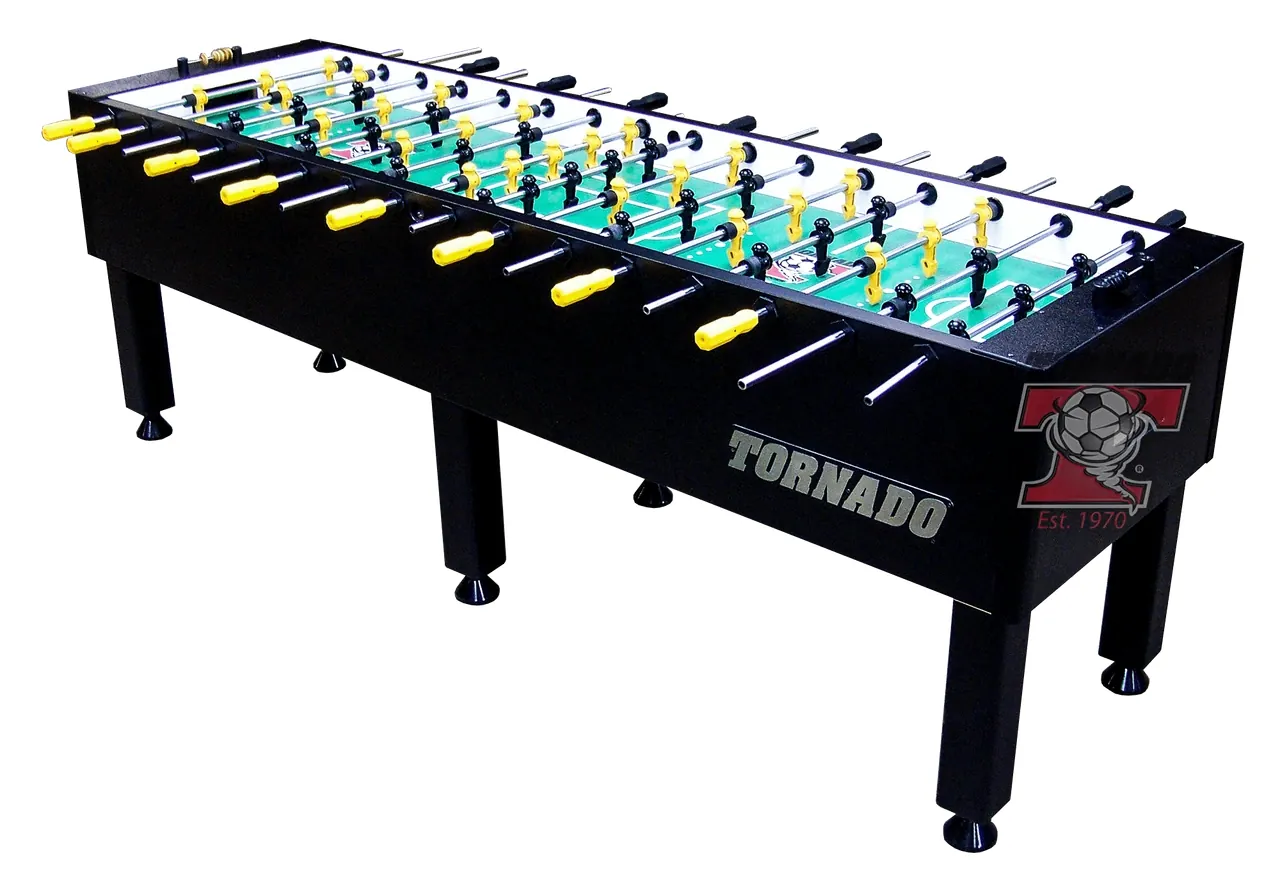
This is the core part of the job. You need to remove the invisible layer of oils and dirt that builds up from play. Work slowly and methodically to cover every inch without saturating the materials.
- Wipe the playing field. Dip a microfiber cloth in the soapy water and wring it out until it’s barely damp. Wipe the entire playing surface in straight lines, following the grain if it’s wood. Change the cloth frequently to avoid spreading dirt back onto the clean area. Focus on the center where most action happens.
- Clean the rods individually. Unclip or loosen the rod ends if possible. Wipe each rod from left to right using a clean, damp cloth. Pay close attention to the areas where your hands grip the handles. These spots collect the most sweat and oil. Rotate the rod to clean the underside thoroughly.
- Scrub the player figures. Use the soft-bristled brush dipped in the solution to gently scrub each player figure. Remove dirt from between their feet and around the mounting points. Be careful not to bend the figures or loosen the screws holding them in place. Rinse the brush often to keep it effective.
- Clean the goal nets and posts. If your table has fabric nets, vacuum them first to remove loose debris. Then, wipe them down with a damp cloth. For metal or plastic posts, use the same soapy solution. Ensure no soap residue remains, as it can attract more dirt later. Rinse the cloth frequently.
- Wipe down the cabinet exterior. Use a separate damp cloth to clean the sides, top, and base of the table. This removes fingerprints and general dust. If there are scratches or scuffs, you can apply a tiny amount of wood polish if the table is wooden. Avoid polishing plastic surfaces unless the manufacturer recommends it.
- Rinse the surface lightly. Dampen a fresh cloth with plain water and wring it out well. Go over the playing field and rods one more time to remove any soap residue. Soap left behind can make the surface slippery or sticky. This step is crucial for maintaining consistent ball movement.
- Dry everything immediately. Use a dry, clean towel to wipe down all surfaces. Dry the playing field, rods, figures, and cabinet thoroughly. Moisture is the enemy of wood and metal. Ensure no damp spots remain, especially in crevices and under the rods. Speed is key here to prevent water damage.
- Inspect your work. Once dry, spin each rod again to check for smooth movement. Look for any remaining streaks or dirty spots. If you see any, spot-clean them with a damp cloth and dry again. Ensure all player figures are secure and aligned correctly. The table should look uniform and feel clean to the touch.
Signs it worked properly
You want to know if you did a good job before you start playing again. There are clear indicators that show the cleaning was successful. These signs confirm that dirt and residue are gone.
The playing surface should feel smooth and slightly cool to the touch, not tacky or rough. When you roll a ball across it, the motion should be consistent and predictable. There should be no visible streaks, smudges, or cloudy patches on the wood or plastic. The rods should spin freely without any grit or resistance. Listen for a quiet hum rather than a scraping sound. The player figures should look bright and free of dark buildup around their bases.
If the surface looks dull or feels sticky, you likely missed some soap residue. In that case, rinse and dry again. A properly cleaned table will also smell neutral, with no strong chemical or musty odors. The goal nets should hang evenly without clumps of dirt. Your hands should come away clean after touching the rods. These checks ensure your table is ready for high-quality play.
Common mistakes and fixes
Even with good intentions, errors such as using harsh chemicals or rushing the drying process can occur during cleaning. Knowing these pitfalls helps you avoid them or fix them quickly. Here are the most frequent errors and how to resolve them.
| What happened | Why | What to do |
|---|---|---|
| Surface feels sticky | Too much soap used | Rinse with water and dry thoroughly |
| Rods spin poorly | Dirt packed in bearings | Disassemble and clean bearings carefully |
| Wood looks dull | Harsh cleaner stripped finish | Apply appropriate wood polish later |
| Figures are loose | Scrubbed too aggressively | Tighten screws or replace if broken |
| Water stains appear | Table wasn’t dried fast enough | Dry immediately with absorbent towels |
How often to clean this
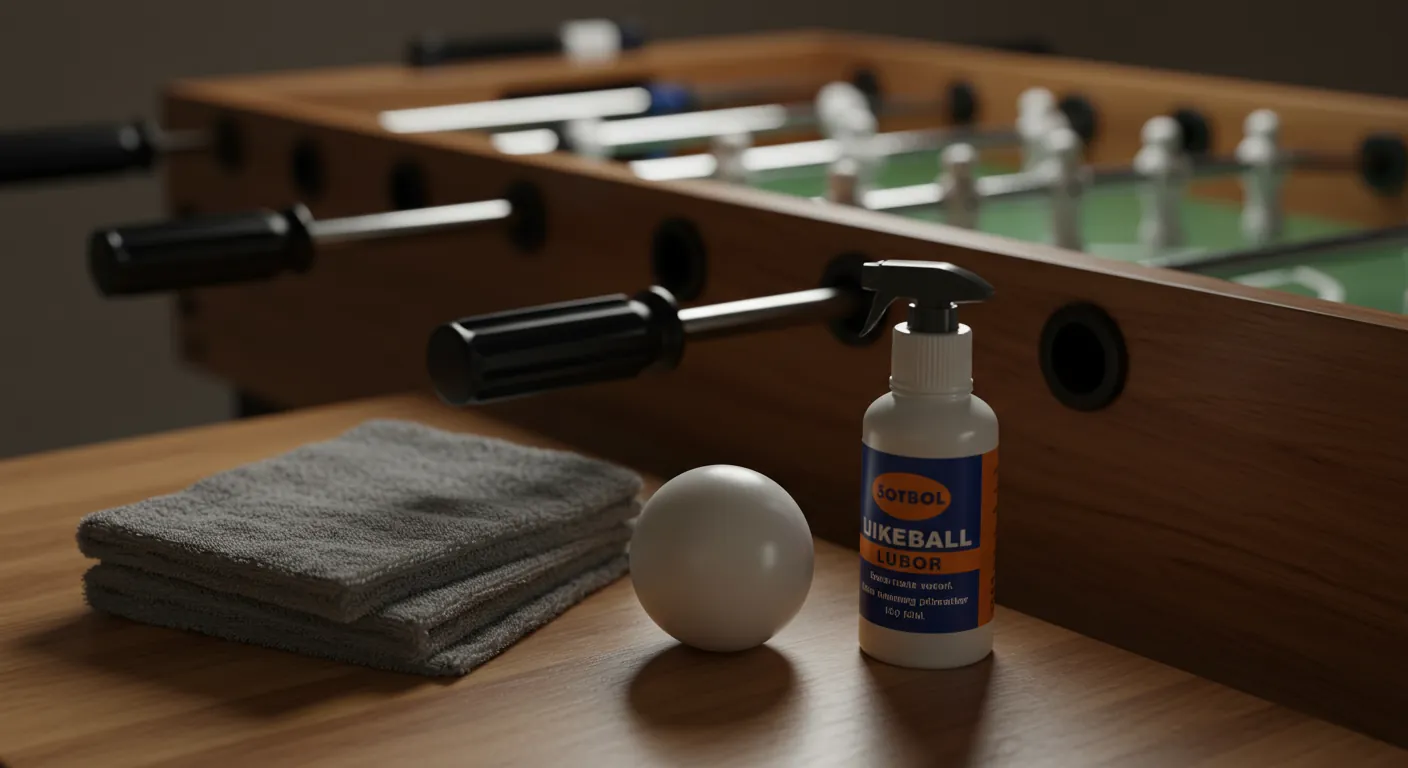
Most players neglect their tables until they look visibly dirty. However, regular maintenance prevents deep grime buildup and mechanical issues. The ideal frequency depends on how often you play and the environment.
For a table used several times a week, a quick wipe-down with a dry cloth should happen after every session. This removes surface dust and moisture from hands. A deeper clean with soap and water is needed every month. If you play daily, aim for a monthly deep clean.
For occasional use, every two months is sufficient. Humidity and temperature also affect cleaning needs. Dusty environments mean more vacuuming is needed to prevent abrasive particles from scratching the surface. Watch for signs like sluggish rods or a dull finish; these indicate it’s time to clean sooner. Consistent care extends the life of your table significantly.
Related guides
- When Is the Best Time to Self Clean Oven Safely and Effectively in 2026
- 10 Best Manual Pool Vacuum Heads for Efficient Cleaning in 2026
- 10 Best Toilet Seats That Don t Stain for Easy Cleaning in 2026
Frequently asked questions
Can I use alcohol to clean my foosball table?
No, avoid rubbing alcohol on playing surfaces as it strips protective finishes and damages materials. Use mild soap and water instead, testing any cleaner on a hidden area first to ensure safety.
How long does it take to deep clean a foosball table?
A thorough deep clean typically takes 20 to 30 minutes for standard tables, including vacuuming, washing, rinsing, and drying all components. Smaller units may take 15 minutes, while larger commercial ones can require up to 45 minutes depending on dirt levels.
Is it safe to leave the table outside after cleaning?
Never leave a foosball table outside after cleaning, even for a short time. Exposure to sunlight, humidity, or temperature changes can warp wood, rust metal rods, and fade colors. Indoor drying is essential to maintain structural integrity. If you must store it outdoors temporarily, use a waterproof cover designed for foosball tables. However, indoor storage is always preferred. Moisture trapped under covers can cause mold. Keep your table in a climate-controlled space.
What happens if I don’t clean the rods regularly?
Dirty rods accumulate grease, dust, and sweat, which increases friction. This makes the rods harder to spin and can cause them to stick or jam permanently. Over time, the buildup wears down the bearings and bushings, leading to costly repairs or replacement. Smooth rods ensure accurate passing and shooting. Neglecting this simple step shortens the lifespan of your table’s mechanics. Regular cleaning preserves the feel and function of the game.
Does it matter if I use a rough sponge?
Yes, using a rough sponge or steel wool will scratch the playing surface and cabinet. Scratches trap dirt and make future cleaning harder. They also ruin the aesthetic appeal and can affect ball bounce. Always use soft microfiber cloths or soft-bristled brushes. These materials are gentle yet effective at removing grime. Rough tools cause irreversible damage to the finish. Treat your table with care to keep it looking new.
How do I remove stubborn ink stains from the field?
For ink stains, gently dab with rubbing alcohol on a cotton swab after testing an inconspicuous area; don’t rub to prevent spreading. If the stain persists, consult manufacturer guidelines or try a baking soda and water mixture, blotting carefully to lift the stain without damage.
Can I use a steam cleaner on my foosball table?
Don’t use a steam cleaner on a foosball table. The high heat and moisture can warp wood, loosen adhesives, and damage finishes. Steam forces water into seams and bearings, causing rust and swelling. Traditional wiping methods are far safer and equally effective for routine cleaning. Steam cleaners are designed for hard floors, not delicate game equipment. Stick to manual cleaning to preserve your table’s condition.
Conclusion
Give your table a quick wipe-down after each game to keep dust and sweat from building up. This simple habit saves you time later and keeps the rods spinning smoothly. You’ll enjoy many more fun matches without worrying about deep cleaning or repairs down the road.