
High water pressure in a residential plumbing system is a silent threat that can lead to burst pipes, leaking faucets, and premature appliance failure. Finding the best pressure regulator valves for your home involves understanding your specific water supply conditions and the flow capacity required to maintain consistent output. Professional installation for these devices typically costs between $250 and $750, depending on the complexity of the existing plumbing and the specific model selected. Selecting a high-quality valve ensures that your home stays within the safe operating range, usually between 40 and 60 pounds per square inch (PSI), protecting your fixtures from the damaging effects of municipal surges.
Key Takeaways
- Standard residential pressure regulators are typically factory-set to 50 PSI, which balances appliance longevity and user comfort.
- Check the material composition of the valve body; lead-free brass or bronze is the industry standard for durability and code compliance.
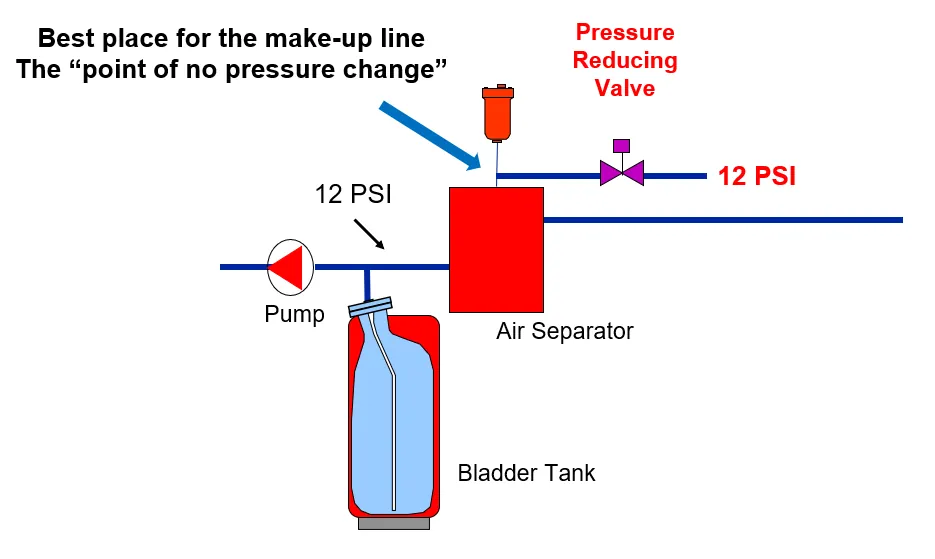
- Always install a thermal expansion tank if you have a closed-loop system, as a regulator prevents backflow and pressure buildup during water heating.
- Regular maintenance involves checking the filter screen for debris and testing output pressure with a gauge at least annually.
- Ensure the valve size matches your existing main water line diameter to prevent restricted flow and pressure drops during high-demand usage.
Why Do You Need A Regulator?
The primary purpose of a pressure regulator is to shield your plumbing infrastructure from the fluctuating pressure common in public water mains. Municipal systems often push water at high pressures to reach elevated homes or distant neighborhoods, but this force can exceed the design limits of residential pipes and valves.
Plumbing system integrity relies on a stable, predictable environment. When pressure exceeds 80 PSI, the risk of “water hammer”—the banging noise heard when closing a faucet—increases significantly, which can eventually crack joints and compromise the structural stability of your pipe fittings.
Beyond protecting pipes, a regulator provides significant appliance protection. Modern dishwashers, washing machines, and ice makers contain sensitive solenoids and seals that are prone to leaking or failing when subjected to constant high-pressure stress.
By smoothing out the incoming force, you extend the lifespan of these expensive household machines. Furthermore, keeping your system at a moderate PSI range helps conserve water, as high pressure forces significantly more volume through your showerheads and faucets than is actually necessary for a comfortable or effective flow.
Understanding Valve Selection Criteria
Choosing the right valve isn’t merely about finding a brand name; it’s about matching engineering specifications to your home. You must first determine your main water line size, which is commonly 3/4 inch or 1 inch in residential settings. Installing a valve that’s too small for your pipe diameter will result in a noticeable drop in pressure when multiple fixtures are in use simultaneously. Conversely, oversized valves can be sluggish and fail to regulate low-flow conditions effectively.
| Selection Factor | Ideal Specification | Impact on System |
|---|---|---|
| Body Material | Lead-free Brass | Prevents corrosion and ensures safety |
| Connection Type | Threaded or Union | Determines ease of future replacement |
| Flow Capacity | 10–25 Gallons Per Minute | Prevents pressure drop during peak use |
| Adjustment Range | 25–75 PSI | Allows for fine-tuning home comfort |
Pro Tip: Always look for the NSF/ANSI 61 certification on the packaging, which confirms the product is safe for drinking water contact and meets national health standards for material leaching.
Top Pressure Regulator Valve Brands
When evaluating equipment, prioritize manufacturers with long-standing reputations in the plumbing industry. These companies provide documented performance curves and better availability of replacement internal parts, such as diaphragms and springs. While generic valves may appear identical, premium models utilize high-grade internal components that resist mineral buildup and chemical degradation from treated municipal water.
- Watts Water Technologies: Known for the 25AUB series, which is a staple in residential plumbing due to its reliable union connections and adjustable pressure settings.
- Zurn Elkay: The Wilkins 70XL series is highly regarded for its compact design, making it an excellent choice for tight installation spaces where larger valves wouldn’t fit.
- Cash Acme: The EB-25 model features a unique “Uni-Body” construction and a stainless steel adjustment spring, which provides excellent resistance to corrosion over decades of use.
- Honeywell Home: Offers durable regulators often found in multi-family dwellings, focusing on high-volume flow consistency and ease of internal cartridge cleaning.
How To Install A Regulator
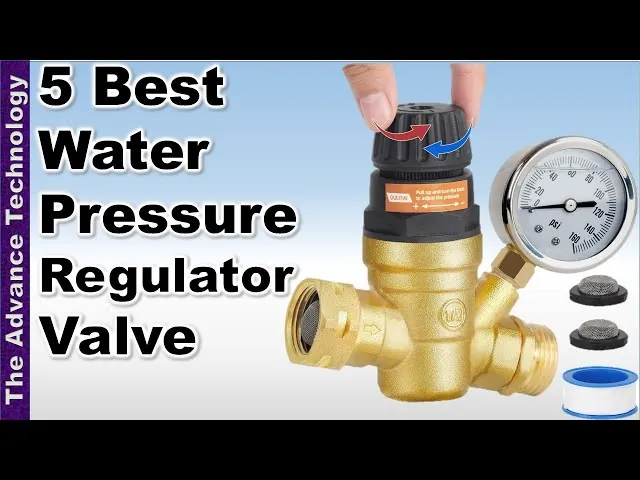
Installing a regulator requires basic plumbing skills, including the ability to measure, cut, and solder or press-fit pipes. The valve must be installed on the main water supply line, typically after the main shut-off valve but before the water branches off to individual fixtures. It’s critical to orient the valve in the direction of the flow; most models have an arrow stamped on the side of the body to indicate the correct installation path.
Step-by-Step Installation Process
- Shut off the water at the main municipal connection and open the lowest faucet in the house to drain the system.
- Measure the space required for the new regulator, including any unions or adapters needed to connect it to your existing pipe material.
- Cut the pipe carefully using a pipe cutter to ensure a clean, square edge that will seat properly in the fittings.
- Install the valve using the manufacturer’s recommended connection method, such as compression, solder, or PEX crimp rings.
- Tighten all connections and ensure the valve is oriented according to the flow direction arrow.
- Slowly restore water to the system and check for leaks at every joint before fully opening the main supply.
Adjusting Your Water Pressure
Once the valve is installed, you may need to adjust the output pressure to meet your personal preference or the specific requirements of your fixtures. Most regulators feature a bolt or a plastic cap at the top that houses the adjustment screw.
Turning the screw clockwise increases the pressure, while turning it counter-clockwise reduces it. It’s vital to perform this adjustment while a faucet is slightly open to allow the water to flow, which provides a more accurate reading on your gauge.
Warning: Never attempt to adjust the pressure regulator without a water pressure gauge attached to an exterior spigot; relying on the feel of the water flow is highly inaccurate and can lead to over-pressurization that damages your home’s internal piping.
Common Signs Of Valve Failure
Pressure regulator valves are mechanical devices subject to wear and tear. Over time, the internal rubber diaphragm can become brittle, or the spring can lose its tension. If you notice a sudden, dramatic increase in water pressure, such as pipes beginning to vibrate or toilets running constantly, the regulator has likely failed.
Another common symptom is the “creeping” of pressure, where the gauge shows a low reading when no water is running but drops significantly the moment you open a tap.
Troubleshooting Your Regulator
- Check the Filter: Many regulators have a built-in strainer screen that traps sediment; if this becomes clogged, you’ll experience a severe reduction in water volume.
- Listen for Noises: A high-pitched whistling sound coming from the valve often indicates a worn diaphragm or a loose internal component that needs immediate attention.
- Inspect for Leaks: Water dripping from the adjustment cap or the body of the valve is a clear indicator that the internal seals have failed and the entire unit likely needs replacement.
- Check the Expansion Tank: If you have a water heater, ensure your expansion tank is pressurized correctly; a failed expansion tank can trick you into thinking your regulator is faulty.
Maintaining Your Plumbing Infrastructure
Routine maintenance is the key to longevity. Every six to twelve months, you should perform a visual inspection of the valve for signs of external corrosion or moisture. If your area has “hard water,” mineral deposits can accumulate inside the valve, potentially seizing the adjustment mechanism or interfering with the diaphragm’s movement. In such cases, professional cleaning or replacement of the internal cartridge may be necessary to restore optimal performance.
| Maintenance Task | Frequency | Action Taken |
|---|---|---|
| Pressure Check | Annually | Use a gauge on a hose bibb |
| Screen Cleaning | Every 2 Years | Remove sediment from the filter |
| External Inspection | Quarterly | Look for leaks or green oxidation |
| Valve Cycling | Annually | Turn the adjustment screw fully to ensure it moves |
Questions To Ask A Plumber
If you’re hiring a professional to handle the installation or replacement, it’s important to ask specific questions to ensure the job is done to code. Ask the plumber if they will be installing a union on both sides of the valve, which makes future maintenance significantly easier. You should also verify if they plan to install a bypass line, which allows you to maintain water pressure to the house while the regulator is being serviced or replaced.
- “Does the quote include the cost of a new pressure gauge?”
- “Are you installing a lead-free, code-compliant valve?”
- “Will you be adding a thermal expansion tank if the system is closed?”
- “How long will the warranty be on the labor and the valve itself?”
- “Do you have experience with the specific piping material in my home?”
Frequently Asked Questions
How do I know if my regulator is broken?
A broken regulator typically manifests as a sudden spike in water pressure, often causing toilets to run, pipes to bang, or small leaks to appear at faucet connections. You can confirm failure by attaching a pressure gauge to an outdoor spigot; if the reading exceeds 80 PSI or fluctuates wildly when you turn on other faucets inside, the valve is likely failing and needs replacement.
Can I install a pressure regulator myself?
You can install a regulator yourself if you’re comfortable with basic plumbing techniques like cutting pipe and using fittings. However, if your main water line is made of rigid materials like galvanized steel or requires specialized soldering for copper, it’s often safer to hire a professional. Improper installation can lead to catastrophic leaks that cause significant water damage to your home’s interior.
What is the ideal water pressure for a house?
Most plumbing experts and manufacturers recommend a setting between 40 and 60 PSI for residential homes. This range provides a strong, satisfying flow for showers and appliances while remaining well within the safety limits of standard pipe fittings and seals. Pressures above 80 PSI are generally considered harmful to the longevity of your plumbing system and should be reduced immediately.
Do I need a thermal expansion tank with a regulator?
Yes, if you have a closed-loop plumbing system—which is common if you have a backflow preventer or a pressure-reducing valve—you must install a thermal expansion tank. As your water heater warms the water, the volume expands, but the regulator prevents this pressure from pushing back into the municipal main. Without an expansion tank, this pressure has nowhere to go, which can damage your water heater and pipes.
How often should a pressure regulator be replaced?
A high-quality pressure regulator typically lasts between 10 and 15 years. Factors such as the mineral content of your water, the average operating pressure, and the quality of the valve components all influence its lifespan. If you notice the pressure starting to creep upward or if the valve no longer responds to manual adjustments, it’s time to have a professional evaluate the unit for potential replacement.
Conclusion
The most effective way to ensure your home remains protected is to purchase a high-quality, lead-free brass regulator from a reputable manufacturer and have it professionally installed if you aren’t experienced with plumbing repairs. Once installed, commit to checking your home’s water pressure with a gauge at least once every year to confirm that your system stays within the recommended 40 to 60 PSI range.