
Most homeowners find that a 3/4 hp garage door opener is the better choice for heavy doors or frequent use, while a 1/2 hp motor is sufficient for standard, lightweight residential doors. Choosing the right power level depends on the weight and material of your door, as a motor that’s too weak will wear out prematurely. If you have a heavy carriage-house door or an insulated double-door, the extra power is a necessity.
Comparing garage door motor power
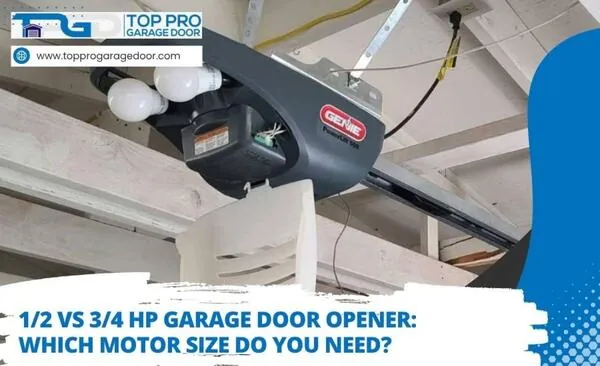
Selecting the right motor involves balancing your specific door requirements against the long-term reliability of the system. A motor that’s too small for the door will struggle, leading to frequent repairs or early failure of the drive mechanism.
| Method | How long | Effort | Cost | Best for |
|---|---|---|---|---|
| 1/2 HP Motor | – | Low | Low | Standard single doors |
| 3/4 HP Motor | – | Low | Medium | Heavy or double doors |
| DC Motor | – | Minimal | High | Quiet operation needs |
A 1/2 hp motor is the entry-level standard for most single-car garage doors made of thin, non-insulated steel. However, if your door is made of solid wood or has heavy insulation, you should opt for the 3/4 hp model to avoid straining the gears.
Using a 1/2 hp garage door opener
This motor type is designed for standard, balanced residential doors. It works best when the door is properly maintained and the tracks are clear of debris.
Ensure the door is balanced by disconnecting it and lifting it halfway; it should stay in place without falling or rising. If the door drifts more than six inches in either direction, your springs are failing. A 1/2 hp motor can’t compensate for this imbalance.
Verify the spring system isn’t rusted or frayed. The motor is meant to move the door, not lift the weight of a failing spring. If you see gaps between spring coils or signs of oxidation, replace the hardware before operating the opener.
Set the force sensitivity according to the manufacturer manual so the door stops if it hits an object. Test this by placing a two-by-four board on the floor; the door should reverse immediately upon contact. If it continues to push, you risk damaging the gear assembly.
This motor is ideal for light, single-bay doors. If you try to use this on a heavy, double-wide, or custom wood door, the motor will likely burn out within a few years. Use this opener only for doors weighing under 250 pounds. Anything heavier requires a 3/4 hp motor or higher to prevent premature gear stripping.
If you require professional installation or repairs, consult a qualified technician.
Using a 3/4 hp garage door opener
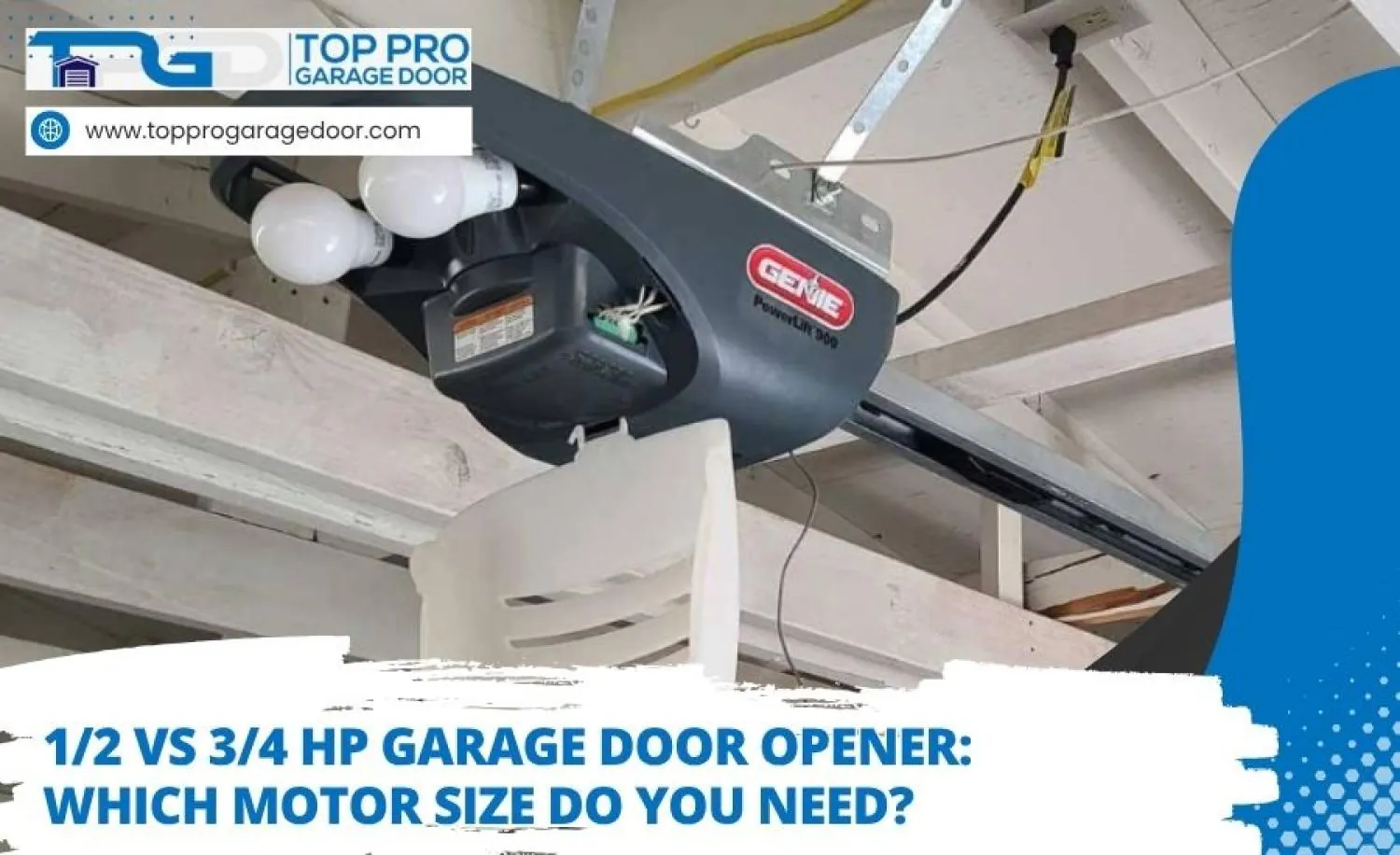
The 3/4 hp model provides extra torque, which is essential for larger doors or doors that experience high traffic throughout the day. It runs cooler than a 1/2 hp unit because it isn’t working at its maximum capacity.
Check your garage door’s total weight to ensure it falls within the motor’s rated lifting capacity. Most standard residential doors weigh between 100 and 200 pounds, but custom carriage-style doors can exceed 300 pounds. If your door exceeds 250 pounds, a 3/4 hp motor is the minimum requirement to prevent premature gear stripping.
Mount the motor securely to the ceiling joists, using extra bracing if the motor is heavy. Vibrations from a high-torque motor can loosen standard hardware over time. Use lock washers on every bolt to prevent the motor from shifting during the rapid start-stop cycle.
Calibrate the travel limits carefully, as the extra power can cause damage if the door is forced against the floor or frame. If the door reverses before hitting the ground, increase the sensitivity incrementally. Never bypass the safety sensors to compensate for a heavy door; this creates a dangerous crushing hazard.
This power level is perfect for double-car garage doors or doors with high-density insulation. The main weakness is the higher initial cost compared to lower-power models. If you have a solid wood door, consult your local building code to ensure the motor type meets safety requirements. If the door requires more than 3/4 hp, you likely need a professional-grade jackshaft opener instead.
Using a DC motor system
DC motors are a modern alternative that often feature variable speeds and built-in battery backups. They start slowly and finish slowly, which reduces the wear and tear on the door hardware.
Connect the battery backup unit to the main motor housing first. If the unit doesn’t click into place, check the pins for debris before applying force.
Program the soft-start and soft-stop settings to minimize vibration during operation. Aim for a three-second ramp-up time to prevent the door from slamming into the header. If the door bounces at the top, increase the soft-stop duration by half a second.
Test the manual release handle to ensure it engages smoothly in the event of a power failure. A stiff handle indicates the cable is misaligned, which could leave you locked out during an outage.
These motors are excellent for homes where the garage is located directly beneath a bedroom. They’re quiet and smooth, but they’re generally more expensive and have complex electronics that may require professional service. Avoid these systems in regions with frequent lightning strikes, as the sensitive circuit boards are prone to power surges. If you live in an area with unstable grid power, install a dedicated surge protector between the outlet and the motor housing to protect the control board.
Selecting the right motor for your door
Deciding between these options depends on your specific hardware and usage habits. If you’re in a hurry and need a reliable solution for a standard door, a 1/2 hp motor is sufficient. For those doing this for the first time, a 3/4 hp motor is safer because it provides a buffer against the weight of the door. If you want the best possible result regardless of cost, a high-quality DC motor offers the longest lifespan and the quietest performance.
The primary trade-off is between the initial purchase price and the long-term durability of the system. A smaller motor saves money upfront but may cost more in repairs if it’s undersized for your specific door weight. Always verify the door weight against the motor specifications before purchasing.
If your door is made of solid wood or carriage-style steel, skip the 1/2 hp models entirely. These heavy materials require the extra torque of a 3/4 hp motor to prevent premature gear stripping. You can tell if you’re in this category by checking the door’s manual for a weight rating exceeding 300 pounds.
A common mistake is ignoring the rail length. If your ceiling height requires an extension kit, the added friction will burn out a weak motor within two years. Apply this rule: if the door track exceeds 8 feet, upgrade to a DC belt-drive motor to handle the increased drag without straining the internal components.
Factors for safe and reliable operation
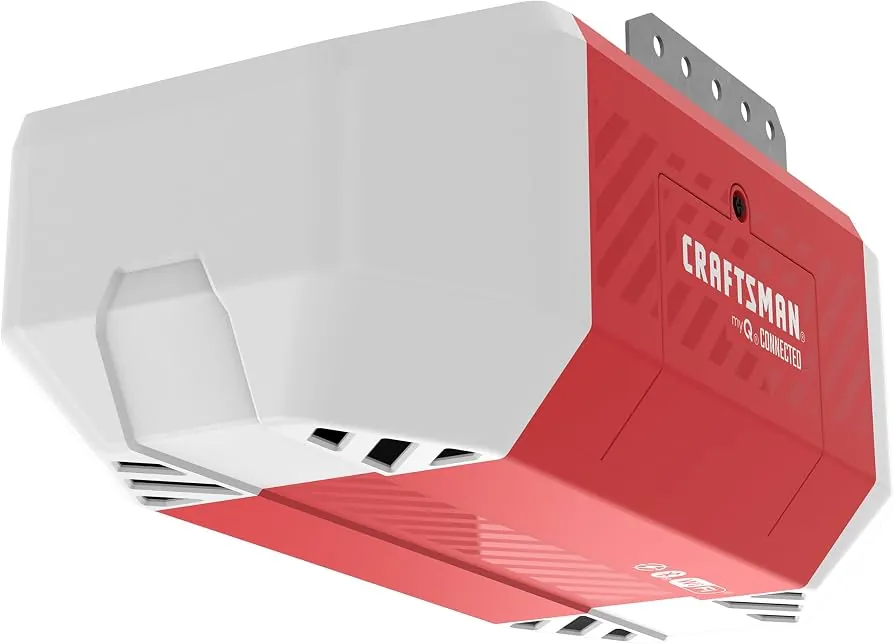
Regardless of which motor you choose, proper maintenance is vital for safety and longevity. The most important rule is to test the safety reversal system monthly to ensure the door stops when it senses an obstruction. Place a two-by-four board flat on the garage floor in the path of the door. If the door fails to reverse upon contact within one second, the force settings are too high and require immediate recalibration.
Before starting any installation, clear the area of all vehicles and obstructions. Check the door balance every six months by disconnecting the opener and moving the door by hand. If the door feels heavy or doesn’t stay in place, the springs need adjustment by a professional. Never attempt to adjust tension springs yourself, as they’re under high pressure and can cause serious injury.
Most homeowners mistake a noisy chain for a lubrication issue, but this often signals a misaligned track. If you hear grinding, inspect the track for loose bolts rather than applying grease. If the door hangs unevenly, the cable tension is likely compromised. If the door sits level but rattles, tighten the mounting brackets first. Once the installation is complete, test the sensors to ensure the beam is clear and the door reverses instantly when the path is blocked.
Related guides
- 1/2 vs 3/4 Horsepower Garage Door Opener: Which One to Choose
- Garage Door Cable Came Off Drum: How to Fix It Safely
Frequently asked questions
Can a 3/4 hp motor replace a 1/2 hp motor?
Yes, you can upgrade to a more powerful motor as long as the mounting brackets and drive rail are compatible with the new unit. Ensure the new motor isn’t too heavy for your existing ceiling structure before you start the installation.
How long does a garage door motor typically last?
A standard residential motor will last for a duration depending on how often it’s used and how well the door is balanced. Heavy usage, such as opening and closing the door more than four times a day, will reduce the lifespan of any motor regardless of its horsepower rating.
Is it safe to use a 1/2 hp motor on a heavy wood door?
No, it isn’t recommended because the extra weight will cause the motor to overheat and the gears to strip prematurely. A heavy wood door requires the higher torque of a 3/4 hp motor to operate without straining the mechanical components or compromising the door’s safety reversal features.
What happens if the motor is too weak for the door?
The motor will struggle to lift the door and may fail to complete its travel cycle, which can cause the door to reverse unexpectedly. This puts unnecessary stress on the drive chain or belt, leading to broken parts and frequent service calls.
How much weight can a 3/4 hp opener lift?
Most residential 3/4 hp openers are designed to lift doors weighing up to 350 pounds, but you must check the specific model’s manual for its exact rating. Always weigh your door using a bathroom scale or consult the door manufacturer’s specifications to ensure the motor is rated for that load.
Do I need a professional to install a new motor?
Yes, if you aren’t comfortable working with high-voltage electrical wiring or heavy overhead equipment, you should hire a professional. Improper installation can lead to a door that doesn’t reverse correctly, creating a major safety risk for your family.
Conclusion
Choosing between motor sizes is mostly about matching the power to the weight of your garage door. Always prioritize safety over cost by ensuring your door is balanced and your safety sensors are working correctly. If you’re unsure about the weight of your door or the electrical requirements, consult the manufacturer’s guide or a professional installer to avoid costly mistakes.
