
Yes, but only if your policy includes rental coverage. Whether insurance covers a rental car if your car breaks down depends on whether you bought rental reimbursement coverage before the breakdown happened.
If your policy includes rental reimbursement, you can claim a rental while your car is being repaired after a covered breakdown; if you only have liability coverage, you pay for the rental yourself.
Will your insurance cover a rental car

| Your situation | Answer | Why |
|---|---|---|
| You have rental reimbursement and a covered breakdown | Yes | Your insurer pays up to your daily limit |
| You have liability-only coverage | No | Liability never pays for your own rental |
| Your car broke down before you added rental coverage | No | Coverage starts when you buy it, not after |
| You have roadside assistance only | No | That pays for towing, not a rental car |
Check your declarations page for a specific daily cap. If your rental costs exceed this amount, you’re personally responsible for the difference. Most policies also impose a total per-claim limit, often capped at a set duration of use.
Many drivers mistakenly assume comprehensive coverage includes a loaner vehicle. It does not. You must specifically purchase “Rental Reimbursement” as an add-on endorsement to your policy.
If you’re currently in a rental, verify if your insurer requires you to use a specific partner agency. Using a non-preferred vendor can result in a lower reimbursement rate or a complete denial of your claim.
If you have full coverage but lack the rental rider, you’re still on your own. Don’t expect the claims adjuster to waive this requirement just because your vehicle is in the shop for an extended repair. Always confirm your specific daily limit before signing a rental agreement.
What actually decides it
Rental reimbursement is an optional add-on, not part of a standard auto policy. It pays a set amount per day for a set number of days while your car is repaired after a covered claim.
Mechanical breakdown alone isn’t always a covered claim; wear and tear or an old battery usually doesn’t qualify. A collision or comprehensive claim does. Your policy declarations page shows whether you have this coverage and lists your daily limit and maximum days. Check that page before you rent anything.
If your policy includes rental reimbursement and the breakdown is a covered claim, then you can claim a rental; if your policy doesn’t include it, then you pay out of pocket.
If you go ahead

Call your insurer before renting. Confirm your daily limit and the maximum number of days your policy pays. Most standard policies cap coverage at thirty days, even if your vehicle remains in the shop longer.
Get approval in writing. Ask for a claim number and the name of the adjuster so the rental is authorized. Without this specific reference number, you risk the insurer denying the entire invoice later.
Rent within your limit. Choose a car whose daily rate stays at or below your coverage limit, or you pay the difference. If your policy covers a modest daily amount but you rent a more expensive sedan, you’re personally liable for the extra cost every single day.
Keep every receipt. You need the rental agreement and fuel receipts for reimbursement. Digital copies are often insufficient; keep the physical paperwork until your final check arrives.
Return the rental when your car is ready. Coverage ends when repairs finish, not when it’s convenient for you. If you keep the car an extra day after the shop calls, you pay that full daily rate yourself.
The mistake people make
The most common mistake is assuming full coverage means a free rental after any breakdown. It costs people the full rental bill because liability and collision coverage never pay for a replacement car unless rental reimbursement was added.
The one check that avoids it’s reading your declarations page for the words “rental reimbursement” before you visit the rental counter.
Even when you have that endorsement, the daily limit matters more than the total cap. A policy paying a modest daily amount leaves you covering the difference on a more expensive compact sedan.
Mechanical failure sits outside this protection entirely. Rental reimbursement only triggers when a covered peril damages your car. A blown transmission on the highway won’t activate it.
If your engine seizes, you pay out of pocket or rely on roadside assistance towing. Your insurance adjuster will deny the rental claim without an accident report or weather damage.
Always confirm whether your daily allowance matches local rental rates before an emergency forces you to decide at the counter.
When to stop and get help
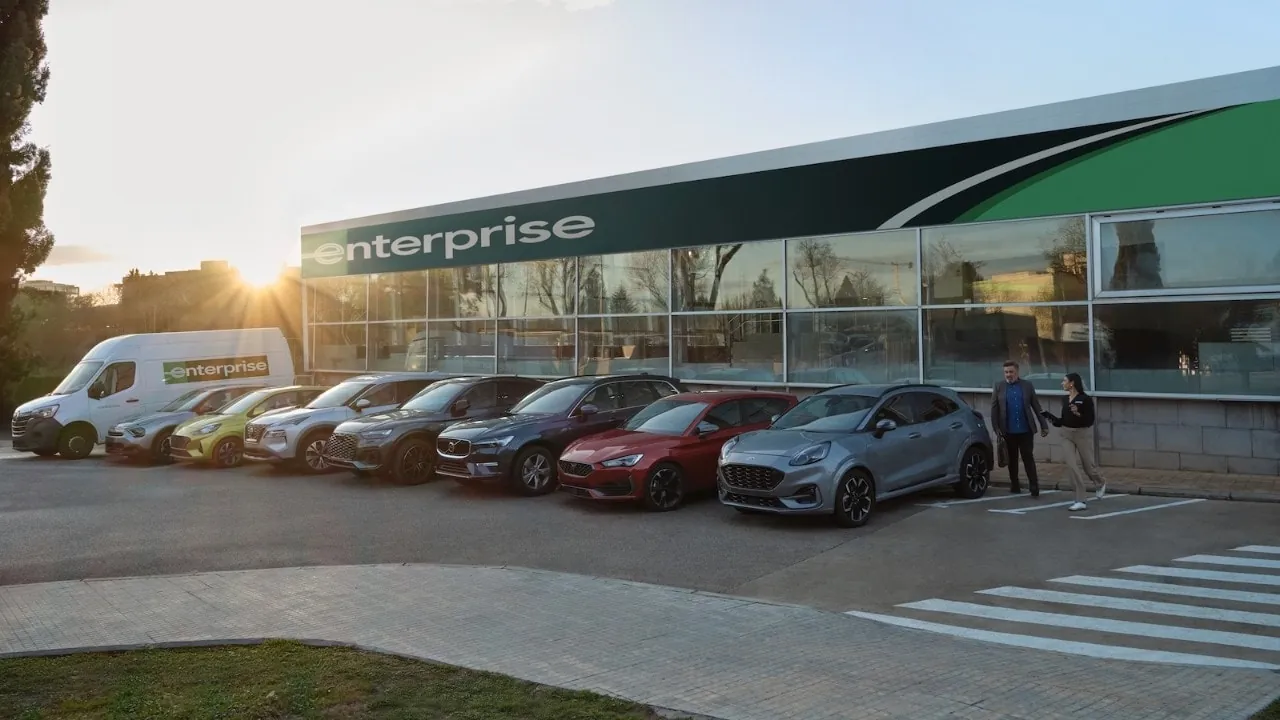
Stop handling this yourself if your insurer denies the claim, if the breakdown may not be a covered event, or if the rental company demands payment you can’t cover. A denied claim means the breakdown isn’t covered under your policy, so a licensed insurance agent or a consumer protection office can review your policy and explain your options. Never sign a rental agreement you can’t afford just because you assume insurance will pay later.
If you’re dealing with a mechanical failure rather than an accident, check your policy’s fine print for “wear and tear” exclusions. Most standard policies cover collisions but ignore engine failure caused by poor maintenance. If the rental company claims the damage was pre-existing, demand a time-stamped copy of the vehicle’s condition report from before you took the keys.
If you find yourself in a dispute over liability, document every interaction with the rental agent in writing. Never rely on verbal assurances that a fee will be waived. If the cost of the repair exceeds your credit card’s available limit, contact your bank immediately to request a temporary increase. Waiting until the bill is due often results in predatory late fees that can double your total debt within a single billing cycle.
Related guides
- Best Foosball Accessories Table Covers in 2026
- 5 Best Car Camping Heaters for Winter: Our Top Picks
- 5 Best Patio Covers for Windy Areas: Durable Top Picks in 2026
Frequently asked questions
Can I get a rental if my car breaks down from mechanical failure?
No, not unless your policy includes rental reimbursement and the breakdown is a covered claim. Ordinary wear and tear usually doesn’t qualify.
How long does insurance pay for a rental car?
Commonly up to 30 days, assuming your policy includes rental reimbursement and the breakdown is a covered claim. Check your declarations page for your exact limit.
Is it safe to rent a car before my claim is approved?
No. Rent only after your insurer approves the claim in writing, or you may pay the full cost yourself.
What happens if the rental costs more than my daily limit?
You pay the difference. Your insurer pays only up to the daily limit listed on your policy.
Does roadside assistance include a rental car?
No. Roadside assistance pays for towing or a jump-start, not a replacement vehicle.
Does it matter who caused the breakdown?
Yes. A covered claim such as a collision may qualify, while ordinary mechanical wear usually does not.
What to do next
Read your declarations page today to confirm whether you have rental reimbursement. If you do, call your insurer before renting and get approval in writing. Verbal confirmation isn’t enough when disputes arise later.
Ask specifically about daily limits and total caps during that call. Many policies cover only a modest daily amount up to a set total. A midsize sedan often costs more than that base rate once taxes and fees apply. You must know the exact gap before signing a rental contract.
If you don’t have this coverage, you’ll pay for the rental yourself. The sign it’s time to get help is a denied claim or a rental bill you can’t cover. Don’t wait until the balance goes to collections to seek assistance.
Contact a consumer protection attorney or legal aid society immediately if the denial seems wrongful. They can identify bad faith practices that adjusters rely on you missing. Early intervention prevents small gaps from becoming unmanageable debt while evidence remains fresh.
