
You can stop a freezer building up frost by checking the door seal for air leaks and ensuring your food items are fully cooled before storage. This buildup happens when warm, moist air enters the cold cabinet and turns directly into ice. If you notice thick ice layers forming quickly, it’s almost always because the cold air is escaping or humid air is getting inside.
Why your freezer is building up frost
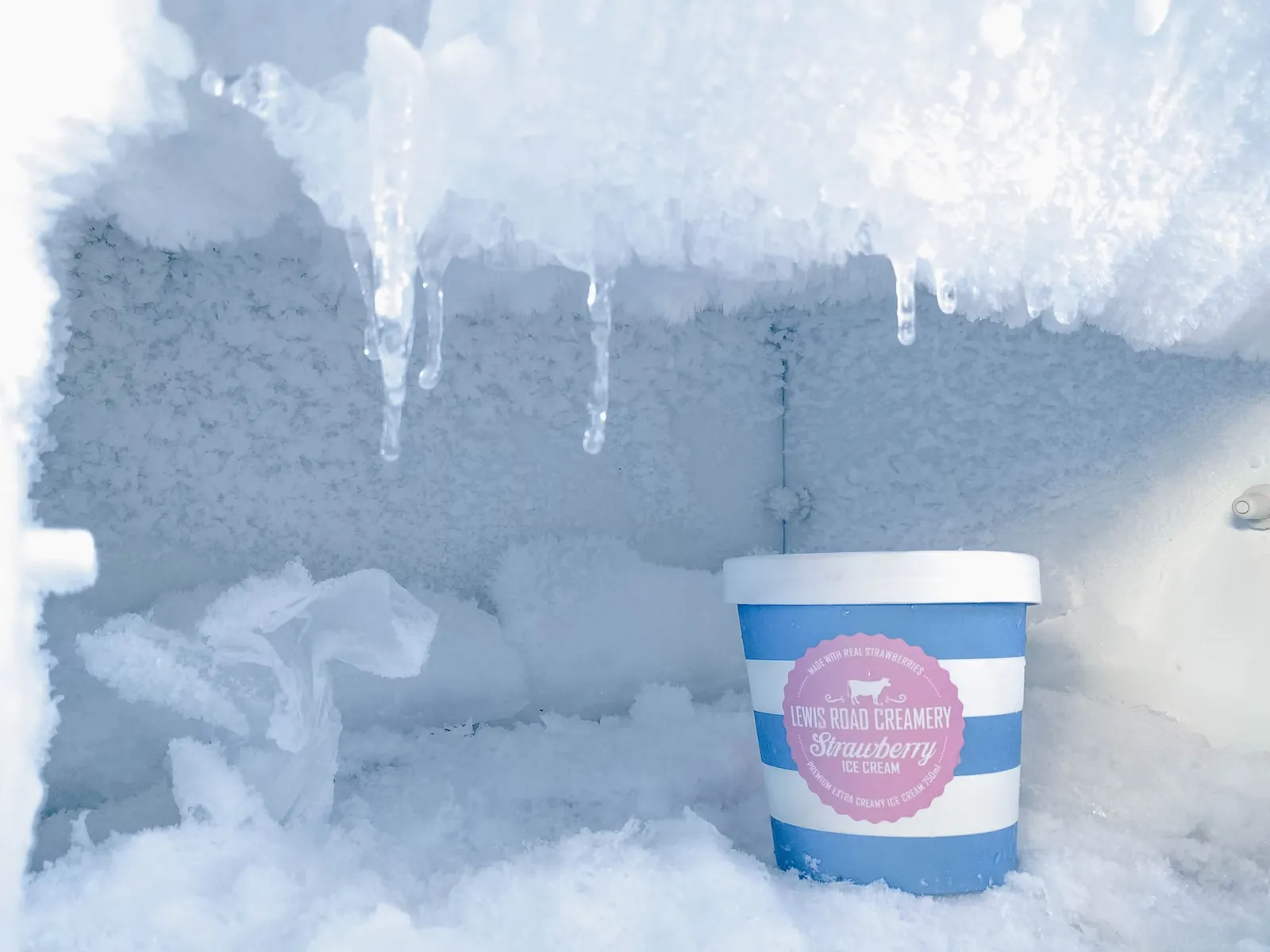
Frost forms because of a physical process called deposition. When warm, humid air from your kitchen enters the freezer, the moisture in that air hits the freezing evaporator coils. Because the air can’t hold as much water at low temperatures, the vapor turns instantly into solid ice crystals. This process repeats every time the door opens or if the seal isn’t tight.
The most common cause is a damaged or dirty door gasket. If the rubber seal is cracked or has food debris on it, it won’t close perfectly against the frame. This creates a small gap that lets in a constant stream of warm kitchen air. Even a tiny opening will cause a large amount of frost over just a few days.
Another factor is the temperature setting. Most manufacturers suggest keeping your unit at 0°F to ensure food safety. If your freezer is older, the insulation in the walls may have also degraded, which lets heat leak through the casing.
Inspect and clean the door gasket
If you find that your freezer is leaking air, you must check the door seal for debris or damage. A clean seal is vital for keeping the cold air in and the moist air out. First, inspect the rubber gasket for any crumbs, sticky spills, or hardened food particles. You can clean the seal using a soft cloth dipped in warm water and a tiny bit of mild dish soap.
After cleaning, check the seal for any cracks, tears, or spots where it has lost its shape. A simple way to test this is the paper test. Close the freezer door on a single sheet of notebook paper. If you can pull the paper out with almost no resistance, the seal is too loose. If the paper comes out easily, you likely need to replace the gasket entirely.
If the gasket looks fine but is just slightly misshapen, you can try to restore it with heat. Use a hair dryer on a low setting to gently warm the rubber, then smooth it out with your hands so it sits flush against the cabinet. Never use high heat, as this can melt the rubber and ruin the seal permanently. If you aren’t comfortable replacing a gasket, contact a local appliance technician to handle the repair.
Manage your food storage habits
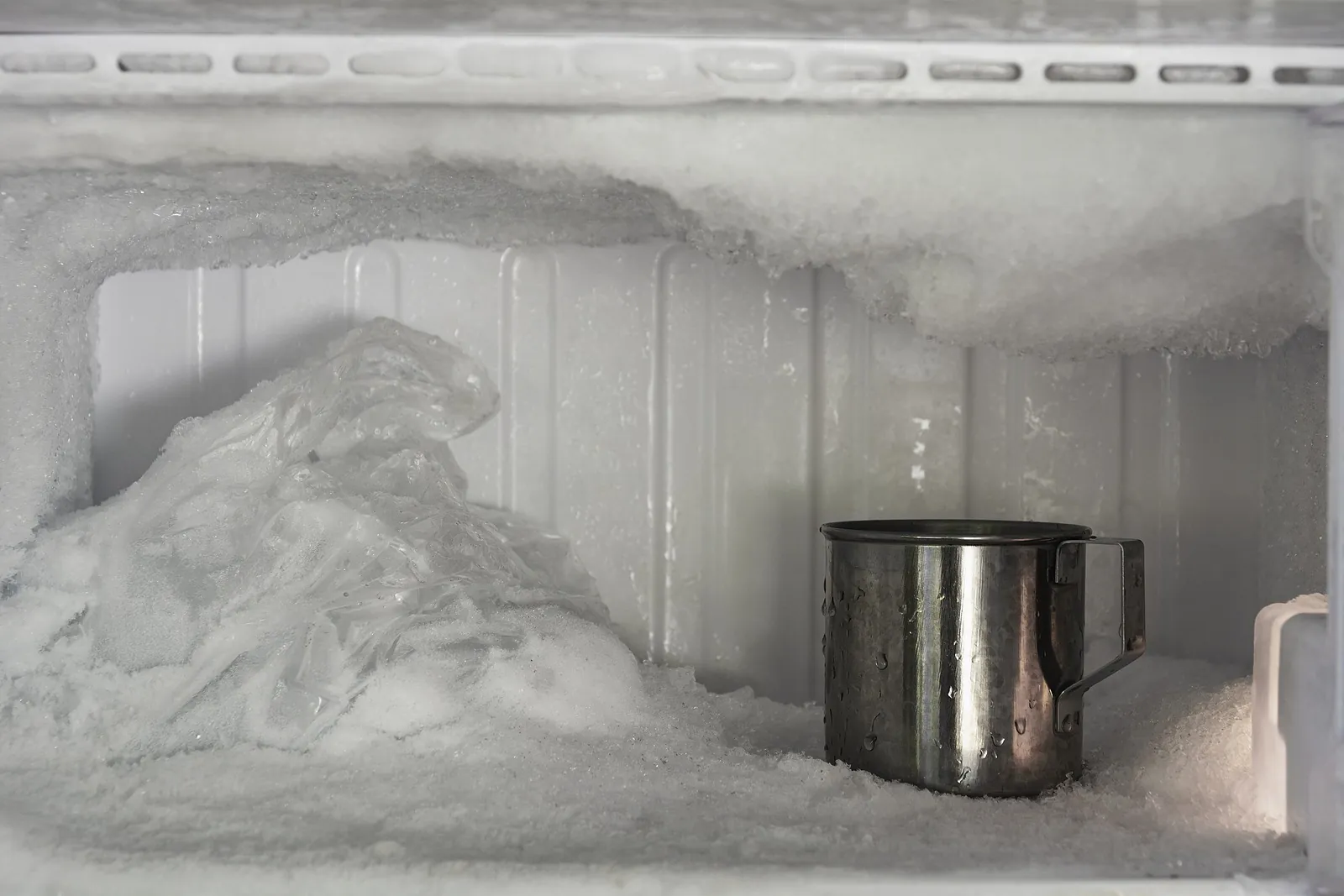
You can reduce ice buildup by changing how you load your freezer. Every time you put warm or uncovered food into the freezer, that moisture evaporates and turns into frost on the nearest cold surface. Always let leftovers cool down to room temperature before you put them inside. If you place a steaming container of soup into the freezer, the steam will freeze into a sheet of ice within hours.
Keep your food in airtight containers or heavy-duty freezer bags to lock in moisture. When you use bags, squeeze out as much air as possible before you seal them. This prevents the moisture inside the food packaging from escaping into the freezer air. If your freezer is too full, the air can’t circulate properly, which can lead to uneven cooling and localized frost patches.
Try to keep the freezer at least 75% full, but don’t block the air vents. If you have a large amount of empty space, the air will warm up faster every time you open the door. If you find yourself opening the door for long periods, you’re letting out all the cold air. Keep a mental list of what you need so you can grab items quickly and close the door immediately.
Adjusting the temperature and airflow
If your freezer has a manual control dial, check that it’s set to the manufacturer’s recommended level. Setting the dial to the coldest possible position when it isn’t needed can cause the compressor to run constantly. This doesn’t necessarily make the freezer better, but it does cause the evaporator coils to stay colder than necessary. A colder coil will pull moisture out of the air much faster, leading to rapid ice accumulation.
Aim for a setting of 0 degrees Fahrenheit. If you find your ice cream is soft, nudge the dial one increment colder. If your frozen vegetables are encased in ice crystals, the temperature is likely fluctuating, causing moisture to sublimate and refreeze on the food.
Ensure that nothing is blocking the internal air vents. If you stack boxes or bags directly against the vents, the cold air can’t circulate, and the thermostat may misread the temperature. This causes the system to run in cycles that encourage frost buildup on the back wall. Leave at least 2 inches of space between your food items and the back wall of the freezer to ensure consistent airflow.
If you have a frost-free model, it should run a heating cycle periodically to melt minor frost. If this cycle fails, the frost will build up until it blocks the fan.
If you hear a loud clicking or grinding noise, it often means the fan blade is hitting a wall of ice. In this case, you should unplug the unit and let it defrost completely for 24 hours. If the noise persists after a full manual defrost, the defrost timer or heater element has likely failed.
Common mistakes that increase frost
Leaving the door ajar is the most frequent culprit. Even a gap as small as a nickel allows warm, humid air to enter, which turns into solid ice on the coils. Always verify the magnetic seal by closing the door on a piece of paper; if it slides out with no resistance, your gasket is failing and needs immediate replacement.
Storing unsealed liquids creates a constant cycle of evaporation and freezing. Every open container releases moisture directly into the air, which attaches to the cooling elements as frost. Cover every dish with airtight plastic wrap or a snap-on lid to keep the interior humidity low.
Using a metal knife to chip ice is a dangerous shortcut. You risk puncturing the delicate coolant lines, which permanently breaks the unit. If you must clear buildup, use a plastic scraper or a hair dryer on a low, cool setting.
Preventing future ice buildup

You can stop the cycle of frost by keeping the environment inside the freezer as dry as possible. If you’re currently dealing with a thick layer of ice, you must defrost the unit manually to reset the system.
| If you’re doing this | Do this instead | Why |
|---|---|---|
| Storing warm food | Cool food to room temp | Prevents steam from turning to ice |
| Keeping door open | Take a list first | Reduces warm air entry |
| Using unsealed bags | Use airtight containers | Keeps moisture inside the package |
| Blocking the vents | Leave 2 inches space | Allows proper air circulation |
Check your door seals by closing the freezer on a single sheet of notebook paper. If you can pull the bill out without any resistance, the gasket is failing and letting humid air inside. Replace the seal immediately to stop the constant condensation that causes rapid icing.
Most people make the mistake of leaving the freezer half-empty. A full freezer holds less air, which means less moisture enters when you open the door. If you have extra space, fill it with jugs of water. This thermal mass stabilizes the temperature and prevents the compressor from cycling as frequently.
Related guides
- Best Upright Freezer Under 600 in 2026
- How to Label Food in Office Freezer: A Simple 30-Second Guide
- Frost Free vs Standard Outdoor Faucet: Which One to Choose in 2026
Frequently asked questions
Can I use a hair dryer to melt the ice?
Yes, you can use a hair dryer on a low, cool setting to speed up melting. Keep the dryer at least 12 inches away from the plastic walls and coils at all times. Be careful, as excessive heat will warp the plastic and ruin the freezer’s seal.
How long does a manual defrost take?
A full manual defrost typically takes 12 to 24 hours to melt naturally. You can speed this up by placing a bowl of hot water inside and closing the door. Always place thick towels on the floor to catch the water, as a large unit can produce several gallons.
Is it safe to leave the freezer running with frost?
It’s safe to keep using the freezer, though it will work harder and use more electricity. Once frost buildup exceeds 1/4 inch, it acts as an insulator that prevents cold air from reaching your food. This may cause the motor to overheat as it struggles to maintain the temperature.
Why does my freezer have frost only on one side?
Frost on one side usually indicates that the door seal is damaged or the unit isn’t level. Check that the freezer is level by placing a bubble level on top of the cabinet. If it’s level, inspect the gasket on the affected side for small rips or gaps.
What happens if I ignore the ice buildup?
Ignoring thick ice will eventually block the air circulation fan and internal vents. Once the fan is blocked, the internal temperature rises and your food will start to spoil. In some models, ice buildup can even prevent the door from closing completely, causing the compressor to run nonstop.
Conclusion
Keeping your freezer clear of excess ice helps your appliance last longer and prevents your food from getting freezer burn. By keeping the door seals clean and limiting how long the door stays open, you keep the internal environment stable. If you ever notice a sudden, massive increase in ice, check the door seal immediately, as this is almost always the culprit.
