
Have you ever stopped to think about what the smoke and fumes from cars and trucks are doing to your city—and to your health? Every day, vehicles pump out pollutants that silently harm the air you breathe and the environment you live in.
These invisible threats don’t just affect the planet; they impact your lungs, your comfort, and even the future of your neighborhood. Keep reading to discover the surprising ways vehicle pollution is causing problems right outside your door—and what that means for you and your family.
Sources Of Vehicle Pollutants
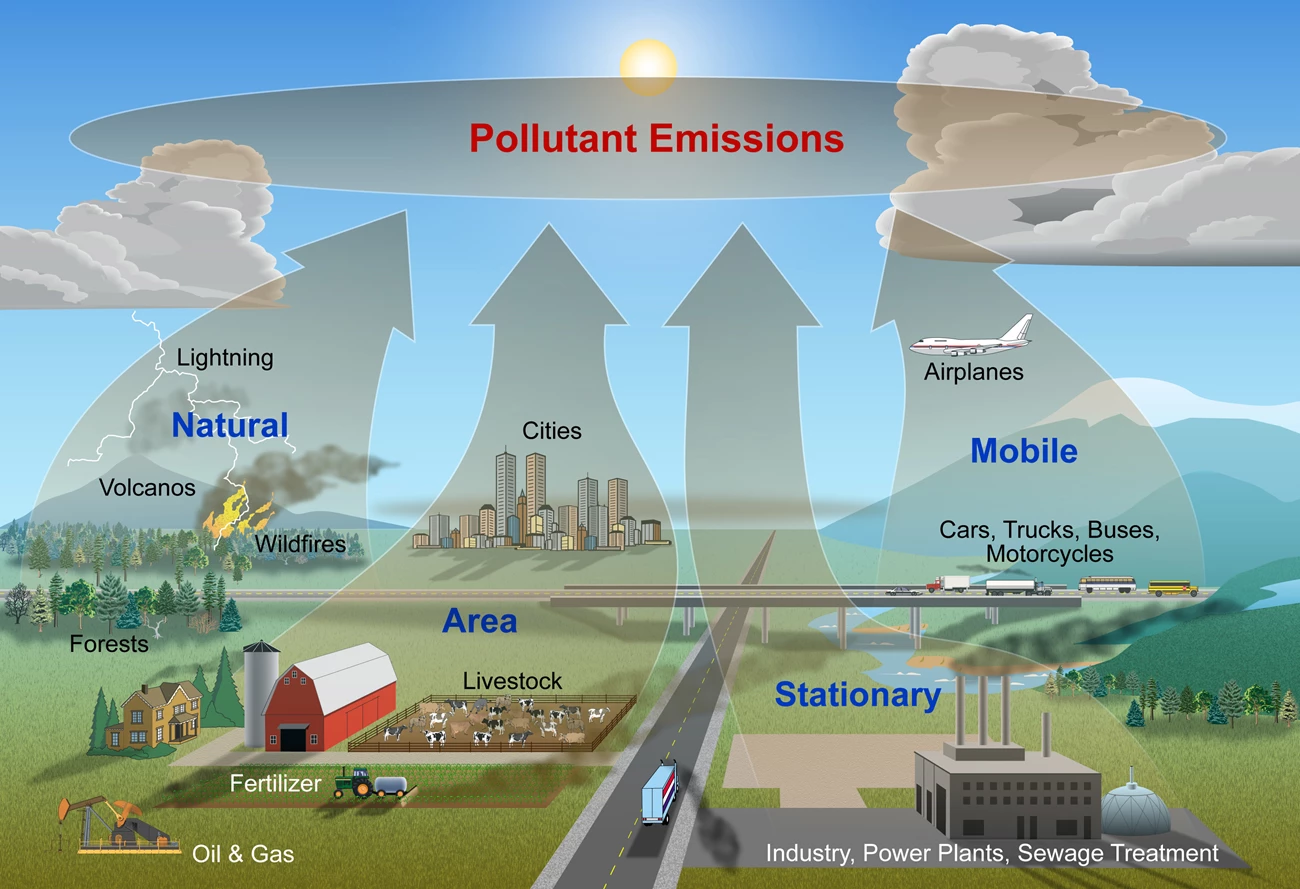
Vehicles release many pollutants that harm city air quality. These pollutants come from different parts of a vehicle and its operation. Understanding where these pollutants come from helps us see why city air gets dirty.
Exhaust Emissions
Exhaust emissions are the main source of vehicle pollution. Cars burn fuel, and this creates gases like carbon monoxide and nitrogen oxides. These gases mix with the air and cause smog and health problems. Diesel engines release tiny particles that can reach deep into the lungs.
Brake And Tire Wear
Brakes and tires produce pollution too. When brakes slow a car, tiny metal particles come off. Tires also shed small rubber pieces as cars move. These particles fall on the road and get into the air. They can cause lung irritation and other health issues.
Fuel Evaporation
Fuel does not stay inside the tank all the time. Some fuel evaporates and escapes as gas. This happens especially on hot days or when the car is parked. These evaporated gases add to air pollution and make the air harder to breathe.
Credit: coeh.ucdavis.edu
Common Pollutants In Urban Air
Urban air contains many pollutants from vehicles. These pollutants harm health and the environment. Understanding common pollutants helps us see the impact clearly.
Particulate Matter (pm2.5 And Pm10)
Particulate matter includes tiny particles in the air. PM2.5 and PM10 are the most common types. PM2.5 is very small and can enter lungs deeply. PM10 particles are larger but still harmful. These particles cause breathing problems and worsen heart diseases.
Nitrogen Oxides (nox)
Nitrogen oxides come from vehicle engines. They cause smog and acid rain. NOx irritates the lungs and lowers lung function. It also increases asthma attacks, especially in children. NOx reacts with other chemicals to form ozone, a harmful gas.
Carbon Monoxide (co)
Carbon monoxide is a colorless, odorless gas. It forms when fuel burns incompletely. CO reduces oxygen delivery in the body. High exposure causes headaches, dizziness, and even death. Urban areas with heavy traffic often have high CO levels.
Volatile Organic Compounds (vocs)
VOCs are gases released from fuel and exhaust. They mix with NOx to create ground-level ozone. VOCs cause eye and throat irritation. Long-term exposure may lead to serious health issues. They also contribute to the formation of smog in cities.
Impact On Respiratory Health
Vehicle pollutants in cities harm respiratory health deeply. Breathing polluted air causes many lung problems. Tiny particles and gases from cars enter the lungs. They irritate airways and cause swelling. This makes breathing hard for many people.
Children, elderly, and those with lung issues suffer the most. The pollutants trigger coughing, wheezing, and chest tightness. They also worsen existing lung diseases. Understanding these effects helps us protect our lungs better.
Asthma And Bronchitis
Vehicle pollution often causes asthma attacks. It makes airways swollen and narrow. This leads to coughing and shortness of breath. Many children develop asthma due to polluted air. Bronchitis, an inflammation of the airways, also increases. It causes mucus buildup and persistent cough.
Chronic Obstructive Pulmonary Disease (copd)
Long-term exposure to vehicle pollutants raises COPD risks. This disease damages lung tissue and blocks airflow. People with COPD struggle to breathe daily. Pollution worsens their symptoms and health. It can cause flare-ups needing hospital care.
Lung Function Decline
Pollutants reduce lung function over time. Lungs lose their ability to take in oxygen well. This decline affects both children and adults. It lowers stamina and causes fatigue. Early damage can lead to lifelong breathing problems.
Cardiovascular Risks Linked To Pollution
Pollution from vehicles affects the heart and blood vessels deeply. Tiny particles and gases in polluted air enter the lungs and then the bloodstream. These harmful substances cause inflammation and damage that raise health risks.
People living in cities face more heart problems due to vehicle pollution. The risks include sudden heart attacks, high blood pressure, strokes, and long-term heart disease.
Increased Heart Attack Incidence
Polluted air raises the chance of heart attacks. Harmful particles cause arteries to narrow and blood to clot easily. This blocks blood flow to the heart, causing pain or a heart attack. Studies show more heart attacks happen on days with high pollution levels.
Hypertension And Stroke
Vehicle pollution raises blood pressure in many people. High blood pressure strains the heart and arteries. This damage can lead to strokes. Strokes occur when blood flow to the brain is blocked or when a blood vessel bursts. Pollution makes blood vessels less flexible, increasing stroke risk.
Long-term Heart Disease
Long exposure to traffic pollution harms the heart over time. It causes ongoing inflammation and artery damage. This can lead to chronic heart disease and heart failure. People exposed to vehicle emissions have higher rates of heart-related hospital visits and deaths.
Effects On Vulnerable Groups
Pollutants from vehicles cause serious harm to many people in cities. Some groups are more at risk than others. These vulnerable groups face greater health problems from polluted air. Understanding how pollution affects them helps us protect their health better.
Children And Lung Development
Children breathe faster and take in more air per body weight. Pollution harms their lungs while they are still growing. It can cause asthma and other breathing problems. Lung damage in childhood may last a lifetime. Schools near busy roads expose kids to more pollution.
Elderly And Pre-existing Conditions
Older adults often have weak immune systems. Pollution makes heart and lung diseases worse. It can trigger strokes and heart attacks. People with asthma or COPD are especially at risk. Pollution increases hospital visits and shortens life expectancy.
Pregnant Women And Birth Outcomes
Air pollution affects pregnant women and their babies. Exposure to vehicle pollutants can cause low birth weight. Babies may be born too early or with health issues. Pollution raises the risk of developmental problems. Clean air is vital for a healthy pregnancy.
Credit: www.nps.gov
Environmental Consequences In Cities
Vehicles release many harmful pollutants in cities. These pollutants harm the environment in many ways. They affect air, water, and soil quality. The damage can last for years and change city life deeply.
Understanding these effects helps people and leaders make better choices. Cleaner air and healthier cities start with knowing the problem.
Smog Formation
Vehicle emissions create smog, a mix of smoke and fog. Smog lowers air quality and visibility. It causes breathing problems, especially for children and the elderly. Cities with many cars often have thick smog layers. This smog blocks sunlight and makes the city look gray and dirty.
Acid Rain And Soil Damage
Pollutants from cars lead to acid rain. Acid rain falls on streets, parks, and buildings. It harms plants by changing soil chemistry. Trees and grass struggle to grow in acidic soils. Acid rain also damages statues and houses, making cities look old and worn out.
Urban Heat Island Effect
Vehicle pollution adds to the urban heat island effect. Cities become hotter than nearby rural areas. Heat traps in buildings and roads. This extra heat raises energy use and causes discomfort. It makes summers hard to bear and increases health risks for many people.
Economic Costs Of Vehicle Pollution
Vehicle pollution in cities causes serious economic problems. It affects public health, work efficiency, and city infrastructure. These costs add up and put a heavy burden on city budgets and people’s wallets.
Healthcare Expenses
Pollutants from vehicles cause many health problems. People suffer from asthma, lung diseases, and heart issues. Treating these illnesses costs billions every year. Hospitals and clinics spend more on medicines and care. Families face high medical bills and lost income from sick days. This financial strain affects both individuals and the healthcare system.
Loss Of Productivity
Pollution makes workers sick and tired. Sick employees miss work or perform poorly. This lowers overall productivity in cities. Businesses lose money due to fewer working hours. The economy slows down because of less output. Cleaner air means healthier workers and a stronger economy.
Damage To Infrastructure
Vehicle emissions contain chemicals that harm roads and buildings. Acid rain from pollution erodes bridges and concrete. Repairs and maintenance costs rise sharply. Cities spend millions fixing damaged infrastructure. These extra expenses divert funds from other important projects.
Strategies To Reduce Vehicle Pollution
Vehicle pollution causes many problems in cities. It harms the air quality and health of people. Reducing this pollution is very important. Cities use different strategies to lower vehicle emissions. These strategies help make the air cleaner and safer.
Efforts focus on changing how people travel and what kind of vehicles they use. Rules and technology also play a big role. These combined actions reduce harmful gases and particles in the air.
Promoting Public Transportation
Public transportation lowers the number of cars on the road. Buses, trains, and subways can carry many people at once. This reduces traffic and pollution. Many cities improve public transit to make it more reliable and affordable. Easier access encourages more people to use it instead of driving.
Adopting Electric Vehicles
Electric vehicles produce no tailpipe emissions. They use batteries instead of gasoline or diesel. More electric cars mean less air pollution in cities. Governments offer incentives to buy electric vehicles. Charging stations are also increasing to support these cars. This shift helps cut down harmful gases from vehicles.
Implementing Emission Standards
Emission standards limit the amount of pollution vehicles can release. These rules push manufacturers to build cleaner engines. Regular vehicle inspections ensure cars meet these standards. Stricter limits reduce harmful gases like nitrogen oxides and carbon monoxide. This approach helps improve overall air quality in urban areas.

Credit: www.climatecentral.org
Frequently Asked Questions
What Health Problems Do Vehicle Pollutants Cause In Cities?
Vehicle pollutants cause breathing problems like asthma and bronchitis. They can also worsen heart diseases and allergies. Children and elderly people are more affected.
How Do Vehicle Emissions Affect City Air Quality?
Vehicle emissions release harmful gases and particles that pollute city air. This pollution reduces air quality and visibility. It increases smog and harmful dust in the air.
Can Vehicle Pollution Harm The Environment In Urban Areas?
Yes, vehicle pollution damages plants and animals in cities. It causes acid rain that harms soil and water. This pollution disrupts the balance of urban ecosystems.
Why Is Vehicle Pollution A Major Cause Of Climate Change?
Vehicle emissions release carbon dioxide and other greenhouse gases. These gases trap heat in the atmosphere, warming the planet. Cities with many vehicles contribute significantly to climate change.
How Does Vehicle Pollution Affect City Infrastructure?
Pollutants from vehicles cause corrosion and damage to buildings and roads. Acid rain weakens structures and increases maintenance costs. This leads to shorter lifespans for city infrastructure.
What Role Do Traffic Jams Play In Increasing Pollution?
Traffic jams cause vehicles to idle and release more pollutants. Stop-and-go traffic leads to higher fuel consumption and emissions. This worsens air pollution in busy city areas.
How Can Cities Reduce The Negative Effects Of Vehicle Pollution?
Cities can promote public transport, biking, and walking to reduce cars. Using electric or cleaner vehicles also helps lower emissions. Planting trees and improving traffic flow can improve air quality.
Conclusion
Vehicle pollutants harm city air and public health. Breathing polluted air causes lung and heart problems. It also hurts plants and animals in urban areas. Traffic pollution makes cities less pleasant to live in. Cleaning the air means using cleaner fuels and better transport.
Everyone benefits from fresh air and a healthy city. Small changes can lead to big improvements over time. Clear skies and safe streets start with reducing car emissions.