
Structural health monitoring systems work by integrating a network of sensors, data acquisition units, and analytical software to continuously evaluate the integrity and performance of civil infrastructure. By measuring physical parameters like vibration, strain, temperature, and tilt, these systems translate raw data into actionable insights regarding the remaining service life of bridges, tunnels, and skyscrapers. This automated approach replaces intermittent manual inspections with real-time diagnostics, significantly enhancing public safety and enabling proactive maintenance strategies before catastrophic failures occur.
Key Takeaways
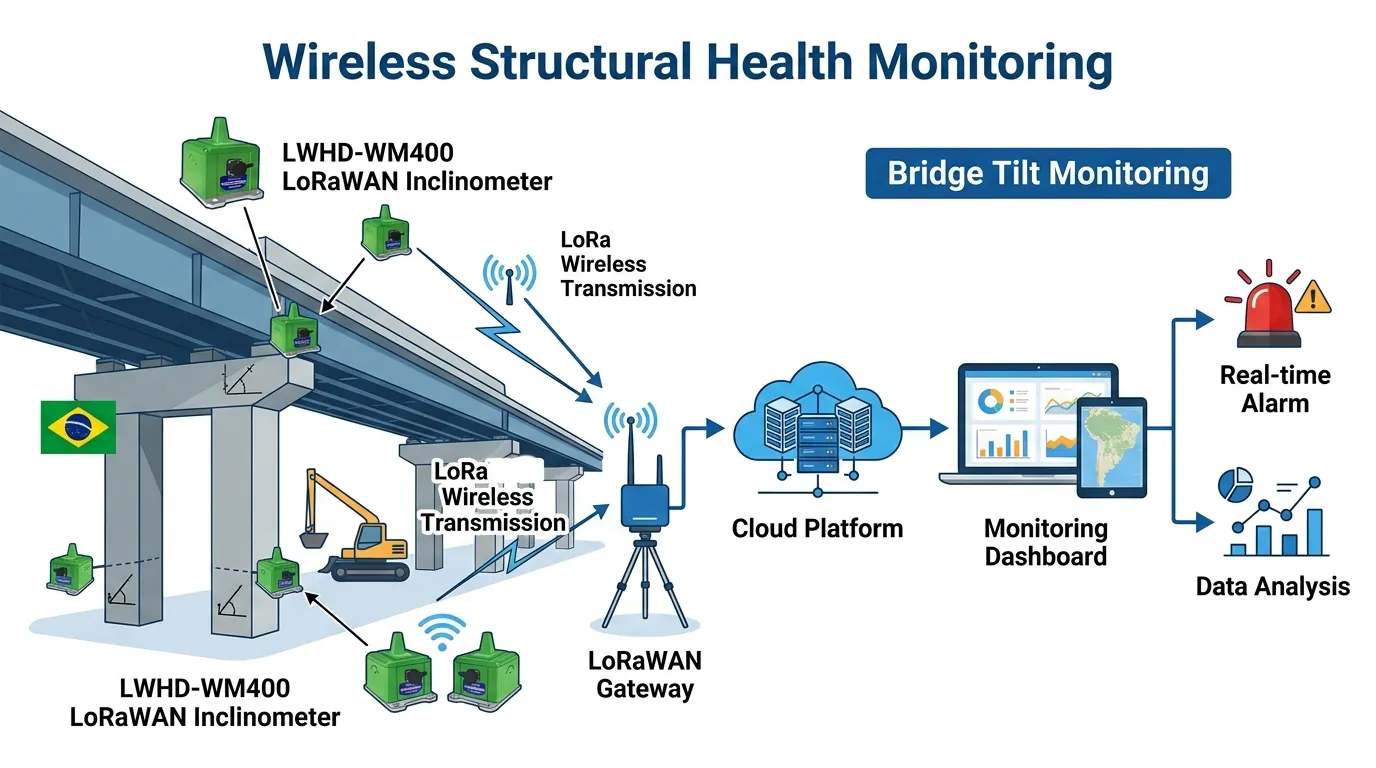
- Install piezoelectric accelerometers to detect micro-vibrations that signal potential structural fatigue or loose connections.
- Utilize data acquisition units to convert analog signals from sensors into digital formats for cloud-based storage and processing.
- Implement automated alert thresholds to notify engineering teams instantly when structural parameters deviate from established safety baselines.
- Prioritize fiber optic sensors in corrosive environments, as they’re immune to electromagnetic interference and offer long-term durability.
- Review data trends quarterly to identify subtle shifts in stiffness or natural frequency that indicate long-term material degradation.
How Structural Health Monitoring Systems Work
At its core, the operation of these systems relies on the transformation of physical stimuli into digital information. Sensors act as the nervous system of the structure, capturing data at high frequencies.
This data is then transmitted to a centralized node where it undergoes signal conditioning—a process that cleans the noise—before being routed to specialized software. This software uses mathematical models, such as finite element analysis, to compare current structural behavior against a baseline model created during the design or commissioning phase of the asset.
The Role of Sensor Technology
Different types of sensors provide the foundation for accurate health assessment. Engineers must select hardware based on the specific environmental conditions and the type of structure being monitored.
| Sensor Type | Measured Parameter | Common Application |
|---|---|---|
| Accelerometers | Vibration/Frequency | Bridge decks and high-rise sway |
| Strain Gauges | Material Deformation | Load-bearing columns and beams |
| Fiber Optics | Temperature and Stress | Tunnels and concrete foundations |
| Tiltmeters | Structural Inclination | Retaining walls and piers |
Data Acquisition and Transmission
Once sensors capture data, the data acquisition system (DAQ) plays the vital role of digitizing these inputs. Modern systems often use wireless communication protocols like LoRaWAN or cellular 5G to transmit data from remote bridge piers or deep tunnel sections to a central server.
This eliminates the need for miles of cabling, which can be costly to install and prone to damage. The Federal Highway Administration outlines specific guidelines for the integration of these technologies in bridge infrastructure to ensure data consistency and reliability across different jurisdictional projects.
Analyzing the Structural Data
Raw data is useless without interpretation. Advanced algorithms perform modal analysis, which identifies the natural frequencies of a structure. When a structure becomes damaged or compromised, its stiffness changes, which in turn alters its natural frequency. By tracking these shifts, software can identify exactly where a structural member has lost integrity. This process relies heavily on machine learning models that can distinguish between expected environmental variations—such as thermal expansion due to sunlight—and actual structural distress.
Proactive Maintenance Strategy Benefits
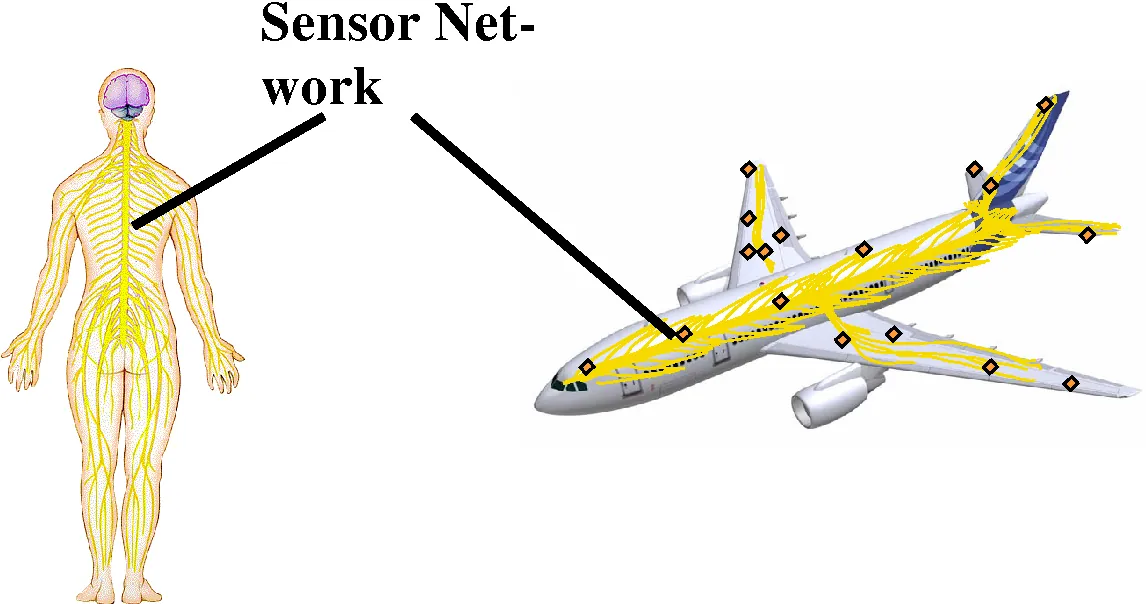
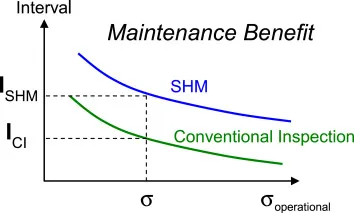
Adopting a permanent monitoring solution shifts maintenance from a reactive model to a predictive one. Instead of waiting for a visual inspection to find a crack, engineers receive a notification the moment a sensor detects an anomaly. This allows for targeted repair efforts, saving millions in labor costs by addressing small issues before they become major structural failures. Furthermore, this data-driven approach provides a clear audit trail for regulatory compliance and long-term safety documentation for public stakeholders.
Troubleshooting Common System Errors
Even the best systems encounter technical hurdles. Below are common issues and how to address them effectively to maintain system uptime.
| Issue | Likely Cause | Resolution Step |
|---|---|---|
| Signal Noise | Improper Grounding | Check shielding on sensor cables |
| Data Gaps | Network Interruption | Inspect cellular signal strength |
| Sensor Drift | Environmental Exposure | Recalibrate sensors against baseline |
| Power Failure | Battery Depletion | Install solar-powered trickle chargers |
Essential Hardware Components
Building a robust monitoring system requires high-quality hardware. You should prioritize industrial-grade components to ensure the system survives harsh outdoor environments.
- Campbell Scientific loggers for high-precision data collection in extreme climates.
- Honeywell pressure and strain sensors for high-load industrial monitoring applications.
- HBM signal conditioners to ensure data accuracy across long-distance cable runs.
- National Instruments chassis for modular and scalable data acquisition needs.
Warning: Data Overload Risks
Warning: Avoid the temptation to collect data at the highest possible frequency for every single sensor, as this creates a massive storage burden that complicates analysis. Instead, implement a triggered recording strategy where the system only logs high-frequency data when sensors detect a vibration or load event exceeding a preset safety threshold. This practice preserves bandwidth and ensures that engineers focus only on the most critical information.
Integration With Digital Twins
A digital twin is a virtual replica of the physical asset that receives real-time data from the monitoring system. By updating the digital model with live sensor inputs, engineers can simulate how the structure will behave under extreme weather events or increased traffic loads. This integration allows for “what-if” scenario planning, helping planners decide if a bridge can handle a new heavy-haul transport route or if it requires structural reinforcement before such traffic is permitted.
Environmental Factor Considerations
Pro Tip: Always account for seasonal temperature fluctuations when setting your alarm thresholds, as concrete and steel structures naturally expand and contract based on the ambient climate. Failure to compensate for these thermal cycles will result in false-positive alerts, which can lead to “alarm fatigue” among your engineering staff. Ensure your software includes a baseline correction algorithm that adjusts expected readings based on real-time temperature data.
Related guides
Frequently Asked Questions
How often should sensors be calibrated?
Sensors typically require calibration every 12 to 24 months, depending on the manufacturer’s specifications and the environmental severity. High-vibration or corrosive environments may necessitate more frequent checks to ensure data accuracy. Always document these calibrations in your maintenance log to satisfy regulatory audits and maintain the integrity of your long-term data sets.
Can these systems detect internal cracks?
Yes, but they require specific sensor placement. Acoustic emission sensors are particularly effective at detecting the high-frequency elastic waves produced by crack propagation within steel or concrete. By triangulating the source of these waves, the system can pinpoint the location of an internal fracture long before it becomes visible to the naked eye during a standard surface inspection.
What is the lifespan of a system?
Most industrial monitoring hardware is designed for a 10 to 20-year service life. However, the lifespan is largely determined by the quality of the protective enclosures and the frequency of hardware updates. While the sensors themselves may last for decades, the data acquisition units and communication modules often require upgrades every five to seven years to maintain compatibility with modern network protocols.
Is wireless better than wired monitoring?
Wireless systems are significantly cheaper to install and ideal for large, complex structures where cabling is difficult to route. However, wired systems provide superior reliability and are immune to the intermittent connectivity issues that can plague wireless networks in tunnels or dense urban areas. Many modern projects utilize a hybrid approach, using wired sensors for critical joints and wireless units for general area monitoring.
Who manages the monitoring data?
Data management is usually handled by a dedicated structural engineering firm or a specialized software provider. These teams are responsible for monitoring the incoming data streams, performing the necessary diagnostic analysis, and escalating potential issues to the asset owner. This managed service model ensures that the system remains operational and that the data is interpreted by qualified professionals throughout the structure’s life.
Conclusion
Establishing an effective structural health monitoring system requires careful planning, from selecting the appropriate sensor technology to implementing a robust data analysis workflow. By focusing on critical load paths and establishing clear, temperature-compensated alarm thresholds, you can transition your infrastructure management from a reactive state into a predictive, data-driven strategy. Contact a certified structural monitoring consultant today to begin a feasibility study for your specific asset.
