
Have you ever noticed a strange smell in your house when your propane tank is running low? That sharp, distinctive odor can be alarming and confusing.
You might wonder if it’s safe or if something is wrong with your system. Understanding why you smell propane and what steps you should take can protect your home and give you peace of mind. Keep reading to find out what causes that smell and how you can handle it safely before it becomes a bigger problem.

Credit: wheatenergy.net
Why Propane Smells When Tank Is Low
Noticing a propane smell in your house when the tank is low can be worrying. This odor is often a sign that something is not right with your propane system. Understanding why propane smells more when the tank is low helps you stay safe and take quick action.
Propane itself is odorless. The smell you detect comes from special chemicals added to it. These chemicals make leaks easy to spot before they become dangerous. Several factors cause this smell to become stronger or more noticeable as the tank empties.
How Propane Odorants Work
Propane gas has no natural scent. A chemical called ethyl mercaptan is added to propane. This chemical has a strong, rotten egg smell. It acts as a warning for leaks. Even a tiny amount of leaking propane is easy to detect because of this smell.
When the tank is low, the concentration of odorants in the gas can change. This may cause the smell to seem stronger or different. The odorant helps people notice leaks early to prevent accidents.
Common Leak Points In Low Tanks
Low propane tanks can have leaks in several places. The valve is a common leak point. It may loosen or wear out over time. The connection between the tank and the gas line can also leak. Cracks or damage in hoses increase the risk. Leaks become easier to smell as gas pressure drops in a low tank.
Regular inspection of these areas helps catch leaks early. This keeps your home safe and your propane system working well.
Pressure Changes And Odor Release
Propane pressure changes as the tank empties. Lower pressure causes gas to escape more easily from small leaks. This increases the chance of smelling propane in the house. Pressure drops also affect how odorants mix with propane gas. The smell may become stronger or more noticeable during these changes.
Understanding pressure effects can explain why propane odors seem worse when tanks run low. Paying attention to these signs can prevent dangerous situations.
Signs Of A Propane Leak
Propane leaks can be dangerous. Detecting early signs helps keep your home safe. Knowing what to watch for can prevent accidents and health problems.
Recognizing these signs quickly allows you to take action. Safety comes first when dealing with propane tanks, especially if the tank is low.
Recognizing The Odor
Propane has a strong, distinct smell. It often smells like rotten eggs or sulfur. This odor is added for safety reasons. It helps you notice leaks fast. If you detect this smell indoors, it could mean a leak.
Physical Symptoms Of Exposure
Breathing in propane can cause headaches and dizziness. You may feel nausea or throat irritation. Some people may cough or have trouble breathing. These symptoms suggest you should leave immediately. Call for help once you are safe outside.
Visual Indicators Around The Tank
Check the propane tank for frost or ice buildup. Leaks can cause cold spots on the tank surface. Look for damaged hoses or connections. Bubbles in soapy water applied on pipes also indicate leaks. Keep the area clear of debris and check regularly.
Immediate Actions For Propane Smell
Smelling propane in your house is serious. Acting fast can keep you safe. Follow clear steps to handle the situation and reduce risks.
Ventilating The Area
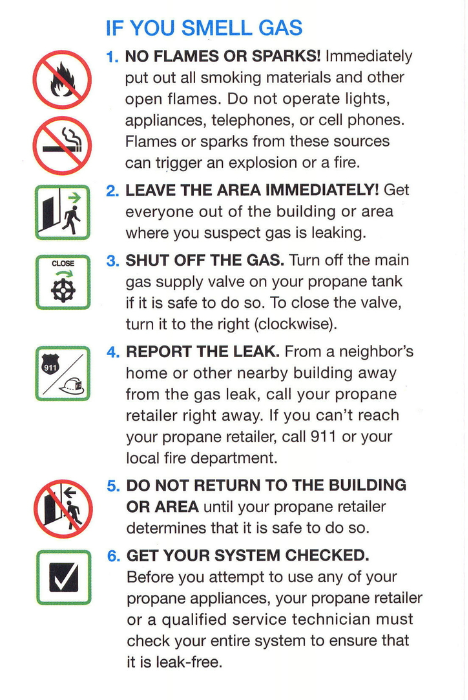
Open all windows and doors wide. Let fresh air flow through the house. This helps clear the propane smell quickly. Avoid using fans that might cause sparks. Air movement lowers gas concentration and makes the air safer.
Avoiding Ignition Sources
Do not light matches or turn on electrical switches. Avoid using phones or any device that can create sparks. Even a small spark can cause fire or explosion. Stay calm and keep everyone away from anything that might ignite the gas.
Contacting Professionals
Call your propane supplier or emergency services right away. Explain the smell and the tank’s low level. Trained experts know how to handle leaks safely. Do not try to fix the problem yourself. Wait outside until help arrives and the area is safe.
Credit: www.reedgaspropane.com
Preventing Propane Leaks At Low Levels
Preventing propane leaks at low tank levels is crucial for safety. Leaks often happen when the tank is almost empty. The pressure inside the tank changes. This can cause small cracks or weak spots to open.
Taking steps early helps avoid dangerous leaks. Regular checks and careful handling keep your home safe. Here are key ways to prevent leaks when your propane tank runs low.
Regular Tank Inspections
Check your propane tank often for signs of damage. Look for rust, dents, or corrosion on the tank’s surface. These can weaken the tank and cause leaks. Inspect hoses and connections for cracks or wear. Have a professional inspect the tank yearly. Early detection stops leaks before they start.
Proper Tank Maintenance
Keep your propane tank clean and dry. Remove dirt and debris around the tank base. Clear any plants or grass growing too close. Check the tank’s valve and regulator regularly. Replace worn parts immediately. Proper upkeep helps the tank hold pressure safely. Don’t ignore small problems; they can grow fast.
Safe Refilling Practices
Refill your propane tank before it gets too low. Avoid waiting until it is nearly empty. Tell your supplier if you see any damage. Only use certified filling stations. Never overfill the tank. Overfilling raises the risk of leaks and pressure build-up. Following safe refilling rules protects you and your family.
When To Replace Or Repair Your Tank
Knowing when to replace or repair your propane tank is vital for safety. A low propane tank often smells stronger, signaling a possible issue. Ignoring these signs can lead to leaks or accidents. Regular checks help catch problems early. This section explains how to identify damage, test for leaks, and choose the right professional.
Signs Of Tank Damage
Look for rust or corrosion on the tank surface. Dents or cracks may weaken the tank’s structure. A strong propane smell near the tank is a warning sign. Check the valves and connections for wear or damage. Any visible damage means the tank needs inspection or repair.
Leak Testing Procedures
Start with a simple soap and water test on valves and fittings. Bubbles indicate a gas leak. Use a propane gas detector for more precise results. Never use an open flame to test leaks. Regular leak tests keep your home and family safe.
Choosing Qualified Technicians
Select technicians with proper certification and experience in propane systems. Check reviews and ask for references before hiring. Qualified professionals follow safety rules and use the right tools. They can repair or replace tanks safely and correctly.

Credit: fosterfuels.com
Safety Equipment For Propane Use
Using propane safely in your home is very important. Proper safety equipment helps prevent accidents and protects your family. These tools detect leaks, control gas flow, and keep air fresh. Everyone should know about the key safety devices for propane use.
Gas Detectors And Alarms
Gas detectors sense propane leaks early. They alert you with loud alarms. These devices save lives by warning about dangerous gas levels. Install propane-specific detectors near tanks and appliances. Test alarms regularly to ensure they work well.
Proper Ventilation Systems
Ventilation removes propane fumes from your home. It lowers the risk of gas buildup. Use vents in rooms with propane appliances. Open windows or install exhaust fans for fresh air. Good airflow keeps your home safe.
Emergency Shutoff Valves
Emergency shutoff valves stop propane flow quickly. You can turn off gas in case of leaks or fire. Place valves where you can reach them easily. Learn how to operate them before an emergency occurs. This simple step can prevent serious harm.
Frequently Asked Questions
Why Does Propane Smell Stronger When The Tank Is Low?
Propane tanks release more gas when nearly empty, causing a stronger odor. This happens due to pressure changes inside the tank. The smell warns you to refill or check for leaks.
Is A Propane Smell Dangerous When The Tank Is Almost Empty?
Yes, propane gas is flammable and can cause explosions if leaked indoors. A strong smell means you should ventilate the area and avoid sparks. Always treat propane odors seriously.
How Can I Safely Check For Propane Leaks At Home?
Use soapy water on connections; bubbles show leaks. Never use an open flame to check for gas leaks. If you detect a leak, turn off the tank immediately.
What Should I Do If I Smell Propane Inside My House?
Leave the area quickly and do not switch on lights or appliances. Call your propane supplier or emergency services for help. Ventilate the space if it’s safe to do so.
Can A Low Propane Tank Cause Appliance Issues Or Smells?
Yes, low propane can cause uneven pressure, leading to appliance malfunction. This may produce unusual smells or weak flames. Refilling the tank often solves the problem.
How Often Should Propane Tanks Be Inspected For Leaks?
Inspect propane tanks every time you replace or refill them. Regular checks help prevent dangerous leaks and propane odors. Annual professional inspections are also recommended.
What Causes Propane To Leak More When The Tank Is Low?
Pressure inside the tank fluctuates as propane runs low, stressing seals and valves. This can cause small leaks and stronger odors. Proper maintenance reduces these risks.
Conclusion
A propane smell in your home signals a potential leak. Act quickly to keep your family safe. Turn off the propane supply and open windows for fresh air. Avoid flames or sparks until the smell goes away. Call a professional to inspect your tank and system.
Regular checks help prevent leaks and keep your home secure. Stay calm, act fast, and don’t ignore the warning signs. Safety always comes first with propane use.