
When it comes to keeping your food fresh, you’ve probably heard about airtight and vacuum sealed storage. But which one is really better for your needs?
You might be wondering if airtight containers are enough or if vacuum sealing is worth the extra effort. Understanding the difference can save you money, reduce waste, and keep your food tasting great for longer. By the time you finish this article, you’ll know exactly which method fits your lifestyle and how to use it to protect your food like a pro.
Let’s dive in and clear up the confusion once and for all.
Airtight Containers Basics
Airtight containers are popular for keeping food fresh and safe. They stop air from entering or escaping. This helps prevent spoilage and keeps flavors intact. Understanding how these containers work helps you choose the right one.
Many people use airtight containers at home and in the kitchen. They come in different shapes and sizes. Knowing their basics makes storage easier and more effective.
How Airtight Containers Work
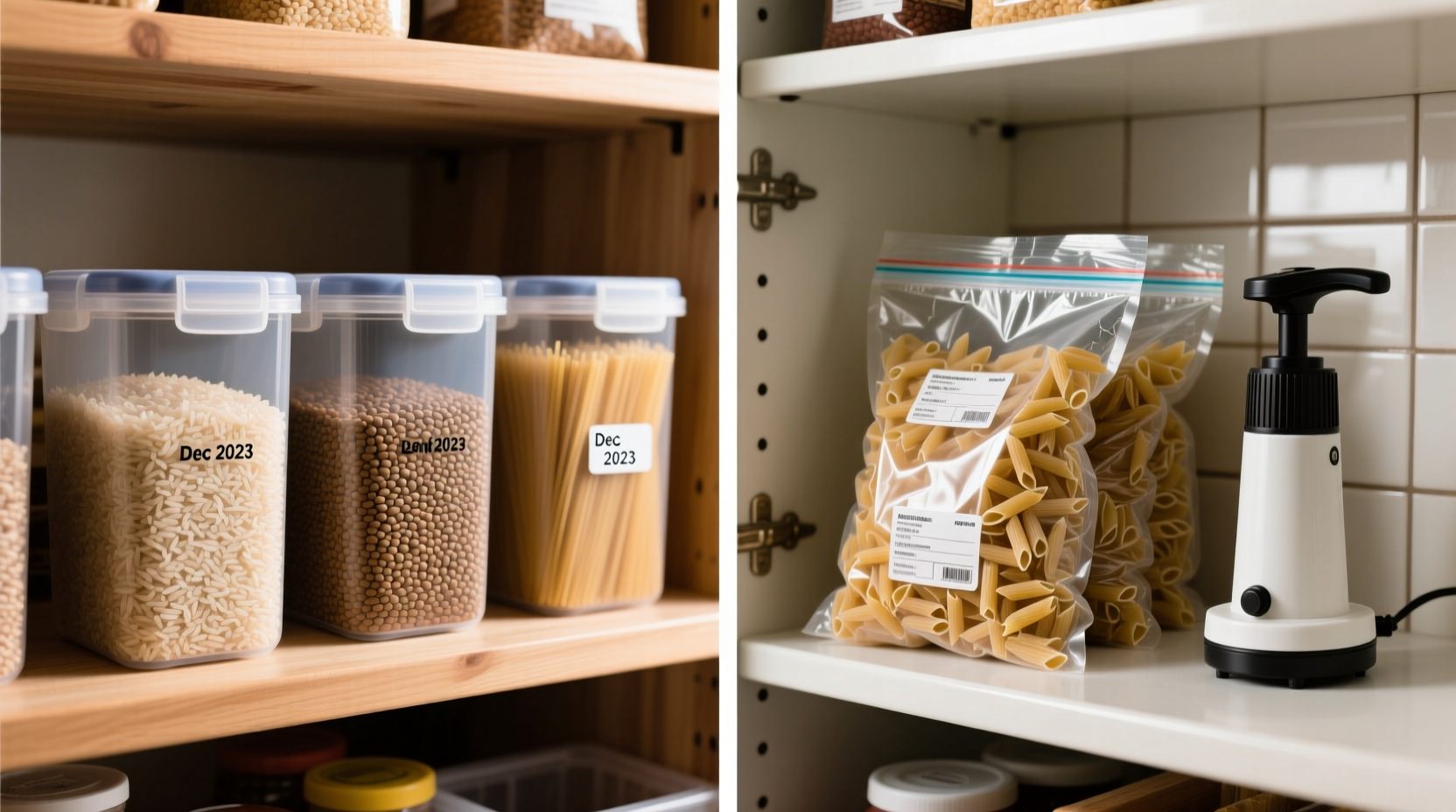
Airtight containers seal tightly to block air flow. They use lids with silicone or rubber seals. These seals close any gaps around the lid. This stops air, moisture, and pests from getting inside. Some containers also have locking clips for extra security. The tight seal keeps food fresh longer by limiting exposure to oxygen.
Materials Used In Airtight Storage
Many airtight containers are made from plastic or glass. Plastic containers are lightweight and less likely to break. Glass containers do not absorb odors or stains. Both materials often include silicone gaskets for sealing. Some containers use stainless steel for durability. Choosing the right material depends on your storage needs and preferences.
Common Uses For Airtight Containers
Airtight containers store dry goods like rice, beans, and flour. They are ideal for leftovers and prepared meals. Many use them for snacks and fresh produce. These containers also keep craft supplies and small items organized. Their airtight feature helps prevent mold and pests in stored items.
Credit: lifetips.alibaba.com
Vacuum Sealing Essentials
Vacuum sealing is a popular method to keep food fresh for longer. It stops air from reaching the food. This helps reduce spoilage and freezer burn. Understanding the basics of vacuum sealing helps you store food better. It also saves money by reducing waste.
Vacuum sealing uses special bags and machines. These tools remove air and seal the food inside tightly. The process is simple but very effective. Knowing the right tools and foods to seal improves results.
Vacuum Sealing Process
The process starts by placing food in a special vacuum bag. The bag is then placed in a vacuum sealer. The machine removes all the air from the bag. After removing air, the sealer closes the bag tightly. This creates a strong seal that keeps air out. This method slows down bacteria growth and keeps food fresh.
Types Of Vacuum Sealers
There are two main types of vacuum sealers. The first is an external vacuum sealer. It works by sealing the open end of the bag. The second is a chamber vacuum sealer. This machine removes air from the entire bag inside a chamber. Chamber sealers are better for liquids. External sealers are common for home use. Both types help keep food fresh longer.
Best Foods For Vacuum Sealing
Vacuum sealing works well for many foods. Meats like beef, chicken, and fish stay fresh longer. Vegetables and fruits can also be sealed. Blanch vegetables before sealing to keep texture. Cheese and nuts keep their flavor when sealed. Dry goods like rice and coffee stay fresh too. Avoid sealing soft berries or delicate leafy greens. These foods may get crushed or spoil quickly.
Food Preservation Benefits
Food preservation is key to reducing waste and saving money. It helps keep food fresh longer. Airtight and vacuum-sealed methods offer different benefits. Understanding these can help choose the right option for your needs.
Shelf Life Extension
Airtight containers limit air contact, slowing down spoilage. Vacuum sealing removes almost all air, extending shelf life more. This method works well for meats, cheeses, and dry goods. It can keep food fresh for weeks or months. Longer shelf life means fewer trips to the store.
Preventing Spoilage And Contamination
Airtight seals reduce exposure to bacteria and mold. Vacuum sealing creates a near-perfect barrier against germs. This stops spoilage caused by microbes and insects. Food stays safer and cleaner for longer periods. Both methods protect food from outside contaminants.
Maintaining Food Quality And Flavor
Airtight containers help keep moisture and aroma inside. Vacuum sealing locks in freshness and prevents freezer burn. This means food tastes better and stays juicy. The texture and color of food also stay closer to fresh. Better preservation keeps meals enjoyable and satisfying.

Credit: cooking.stackexchange.com
Comparing Airtight And Vacuum Sealed
Choosing the right method for food storage helps keep food fresh longer. Airtight and vacuum sealed options protect food but work differently. Understanding their differences helps pick the best method for your needs.
Effectiveness In Food Preservation
Airtight containers block air from entering, slowing down spoilage. They keep moisture and odors inside. Vacuum sealing removes most air, including oxygen. This prevents bacteria growth better than airtight alone. Vacuum sealed bags keep food fresh longer, especially meats and vegetables.
Ease Of Use And Convenience
Airtight containers are simple to use. Just close the lid tightly after placing food inside. No extra tools needed. Vacuum sealing requires a machine or special bags. It takes more time but seals tightly. Airtight containers are easier for daily use and quick storage.
Cost And Equipment Requirements
Airtight containers are affordable and reusable. Most kitchens already have some. Vacuum sealers cost more upfront. They need special bags or rolls, which add to the cost. For occasional use, airtight containers save money. Vacuum sealing is worth it for frequent or long-term storage.
Health And Safety Considerations
Health and safety are key when storing food. Choosing airtight or vacuum sealed bags affects how safe your food stays. Both methods help protect food but differ in how they handle bacteria, nutrition, and storage. Understanding these differences keeps your food fresh and safe to eat.
Preventing Bacterial Growth
Airtight containers block air, slowing bacteria growth. They keep moisture and oxygen out but may trap some bacteria inside if food isn’t clean. Vacuum sealing removes almost all air, starving bacteria of oxygen. This makes vacuum sealed food safer for longer periods.
Impact On Nutritional Value
Airtight storage slows nutrient loss by reducing exposure to air and light. Vacuum sealing is better at preserving vitamins and minerals because it limits oxidation. Both methods help keep food nutritious, but vacuum sealing extends freshness more effectively.
Safe Storage Practices
Use clean containers or bags to avoid contamination. Keep stored food at proper temperatures, like refrigeration or freezing. Label food with dates to track freshness. Avoid reusing vacuum bags to prevent bacteria growth. Follow these steps for safe, lasting food storage.
Environmental Impact
Understanding the environmental impact of airtight versus vacuum-sealed storage helps make better choices. Both methods aim to preserve food longer, but their effects on the planet differ. Examining reusability, energy use, and sustainability reveals which option might be greener.
Reusability And Waste
Airtight containers are often reusable for years. They produce less waste since you can wash and use them again. Vacuum bags tend to be single-use or limited reuse. This creates more plastic waste in landfills. Choosing reusable containers reduces trash and helps the environment.
Energy Consumption
Vacuum sealing requires electricity to remove air. This adds to energy use at home. Airtight containers need no power, saving energy. Over time, the small power use of vacuum sealers adds up. Using airtight containers lowers energy consumption and carbon footprint.
Sustainability Factors
Airtight containers are often made from glass or durable plastic. These materials last longer and are recyclable. Vacuum seal bags are mostly plastic and harder to recycle. The production of vacuum bags uses more raw materials. Choosing airtight containers supports sustainable living by reducing plastic waste and energy use.
Choosing The Right Option
Choosing between airtight and vacuum-sealed storage depends on several important factors. Each method offers unique benefits for keeping food fresh. Understanding these differences helps make the best choice for your needs. Consider what types of food you store, how long you keep them, and your budget and lifestyle. These points guide you to the right option.
Assessing Food Types And Quantities
Airtight containers work well for dry foods like rice, pasta, and snacks. They keep moisture and air out, preserving freshness. Vacuum sealing suits meats, cheeses, and liquids better. It removes all air, preventing freezer burn and spoilage. Large quantities may need vacuum sealing to save space. Smaller amounts might fit better in airtight containers. Match the storage method to your food’s needs.
Storage Duration Needs
Airtight storage is ideal for short-term use. It keeps food fresh for days or weeks. Vacuum sealing extends shelf life by weeks or months. It slows down bacteria growth and oxidation. For long-term storage, vacuum sealing is the safer choice. For quick use, airtight containers are easier and faster. Think about how long you plan to store your food.
Budget And Lifestyle Factors
Airtight containers are generally cheaper and reusable. They require less equipment and maintenance. Vacuum sealers have a higher upfront cost. They need bags and machines to operate. Busy lifestyles may benefit from vacuum sealing’s time-saving features. People who cook often might prefer airtight options. Consider your budget and daily habits before deciding.

Credit: ankomn.com
Tips For Maximizing Storage
Maximizing storage helps keep food fresh longer. Proper methods reduce waste and save money. Using airtight or vacuum-sealed containers correctly makes a big difference. Below are tips to get the most from your storage solutions.
Proper Sealing Techniques
Make sure containers are clean and dry before sealing. Press lids firmly to avoid air leaks. For vacuum sealing, remove all air completely. Double-check seals for any gaps or tears. This prevents moisture and bacteria from entering.
Storage Temperature Guidelines
Store items at the right temperature to keep freshness. Refrigerate perishable foods immediately after sealing. Freeze for long-term storage to slow down spoilage. Avoid frequent temperature changes to prevent condensation inside. Keep sealed bags or containers away from heat and sunlight.
Labeling And Organization
Label each container with the date and contents. Use clear, easy-to-read labels to track freshness. Organize items by type and expiration date. Place older items in front to use them first. This method reduces waste and helps maintain order in your pantry or fridge.
Frequently Asked Questions
What Is The Difference Between Airtight And Vacuum Sealed?
Airtight containers block air from entering but do not remove it. Vacuum sealed removes air completely for better preservation. This makes vacuum sealing more effective for long-term storage.
How Long Does Airtight Storage Keep Food Fresh?
Airtight storage slows down spoilage by limiting air exposure. It usually keeps food fresh for days to a few weeks. The exact time depends on the food type and container quality.
Does Vacuum Sealing Preserve Food Better Than Airtight?
Yes, vacuum sealing removes air which slows down bacteria growth. This keeps food fresh longer than just airtight sealing. It is best for meats, cheese, and dry goods.
Can Airtight Containers Prevent Freezer Burn?
Airtight containers help reduce freezer burn but do not stop it completely. Some air may still stay inside, causing ice crystals. Vacuum sealing is better to prevent freezer burn.
Is Vacuum Sealing Suitable For All Food Types?
Vacuum sealing works best for solid and dry foods. It’s less effective for soft fruits or liquids unless frozen first. Some foods may get crushed without careful sealing.
Are Airtight Bags Reusable Like Vacuum Sealed Bags?
Airtight bags can often be washed and reused easily. Vacuum sealed bags may be single-use or require special machines. Always check the bag type before reuse.
Which Method Is More Cost-effective: Airtight Or Vacuum Sealing?
Airtight containers are usually cheaper and require no extra tools. Vacuum sealing needs a machine and special bags, adding cost. For long-term storage, vacuum sealing saves food and money.
Conclusion
Choosing between airtight and vacuum sealed depends on your needs. Airtight containers keep air out and are good for short-term storage. Vacuum sealing removes air, extending freshness longer. Both protect food but in different ways. Think about how long you want to store items.
Also, consider the type of food you save. Using the right method helps reduce waste and saves money. Both options keep food fresh, but vacuum sealing lasts longer. Simple steps can make your food stay tasty and safe.