
The Ooni Karu 12G is widely considered the best portable pizza oven because it balances heat retention, fuel versatility, and portability for home use. It reaches the 900°F required for Neapolitan-style crusts in roughly 15 minutes, allowing for consistent results across multiple pizzas.
Different users need different ovens based on their space, fuel preference, and budget. This guide covers how to choose the right model, the factors that affect your cooking experience, and the safety rules you must follow to get a professional result at home.
What is the best portable pizza oven for you?
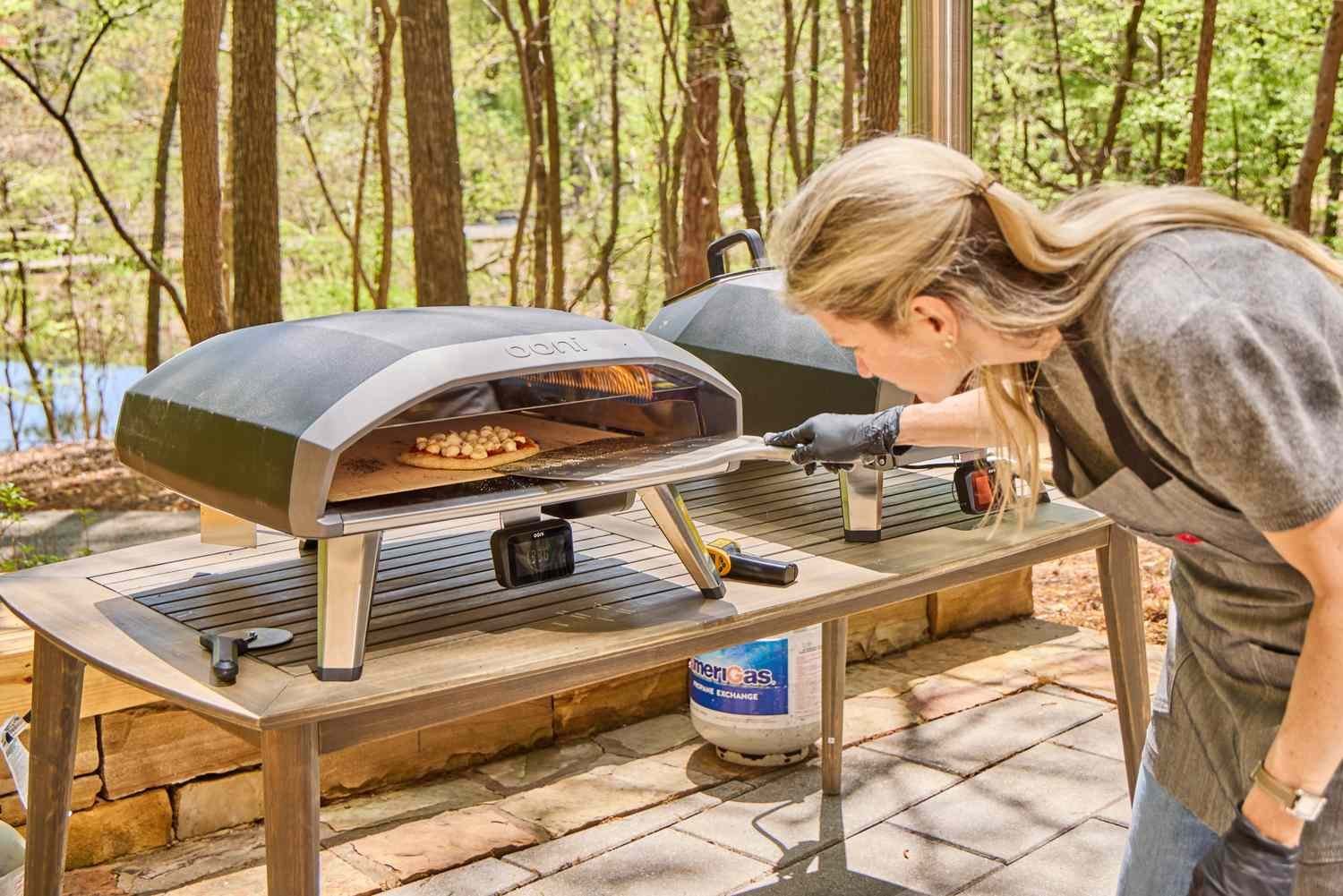
Choosing the right oven depends on where you plan to cook and how much effort you want to put into fuel management. If you’re a casual weekend cook who wants ease of use, a gas-only model is your best choice. If you enjoy the process of managing a wood fire and want that specific smoky flavor, a multi-fuel or wood-burning model will serve you better.
Most buyers fall into two categories: the backyard host who wants to cook for a group of five or more, and the solo enthusiast who wants a quick, high-heat tool for one or two pizzas. If you have a small patio, look for ovens with a footprint under 20 inches wide. If you have a large deck, you can choose larger models that offer better heat stability during long cooking sessions. We assume you have a stable, non-combustible surface to place the oven on, as placing these units on wood or plastic tables presents a significant fire hazard. This guide isn’t for people who want to cook pizzas indoors; these appliances are for outdoor use only to prevent carbon monoxide buildup.
Factors that change your results
Several technical factors determine whether your pizza comes out charred and airy or soggy and raw. The most important factor is the stone thickness; a stone that is 10mm to 15mm thick provides better heat recovery between pizzas than thinner options. If you’re cooking multiple pizzas back-to-back, a thicker stone ensures the second pizza doesn’t stick or undercook.
Fuel type is the second major variable. Gas burners provide the most stable temperature control, which is ideal if you’re new to high-heat cooking. Wood and charcoal offer higher top-end temperatures and complex flavors but require constant attention to keep the fire from going out. You can find the specific safety requirements for operating these fuels in the FoodSafety.gov safe cooking guidelines regarding high-heat food handling.
The oven’s insulation also matters. Double-walled steel shells keep the heat inside and the exterior cooler, which is a massive help if you have children or pets nearby. A mistake many people make is trying to cook with the door on when using wood; this can choke the flame and cause soot to build up on your crust. Always check your model’s manual to see if the door should remain off during wood-fired operation. Finally, the size of the oven opening dictates the maximum pizza size. If you want to cook 16-inch pizzas, you need an oven with a wider mouth, but be aware that larger ovens take longer to preheat.
Getting your first pizza right
- Place your oven on a heat-resistant, non-combustible surface at least 3 feet away from walls or fences.
- Insert the baking stone and ensure it’s centered, leaving a small gap for airflow around the edges.
- Ignite your fuel source and allow the oven to preheat for 15 to 20 minutes until the center of the stone reaches at least 750°F.
- Use an infrared thermometer pointed at the center of the stone to verify the temperature before launching your first pizza.
- Stretch your dough to a uniform thickness, keeping the center thin and the edges slightly thicker.
- Dust your pizza peel with a small amount of semolina flour to prevent the dough from sticking during the launch.
- Slide the pizza onto the stone in one smooth motion, then wait 30 seconds before rotating it 90 degrees.
- Continue rotating the pizza every 30 seconds until the crust is charred and the cheese is melted and bubbling.
- Remove the pizza using your peel and let it rest on a wire rack for 2 minutes to keep the bottom crisp.
The judgment call that separates a professional result from a burnt one is the timing of the first rotation. If you turn the pizza too early, you risk tearing the soft dough, but if you wait too long, the side facing the flame will burn. You must watch the crust color closely; once the side near the heat source begins to brown, it’s time to move it.
Comparing your options
Selecting the right unit depends on your specific needs for fuel and size. The following table highlights common configurations and what you should expect from each type.
| Situation | Best Oven Type | Primary Benefit | Watch For |
|---|---|---|---|
| Apartment balcony | Small gas oven | Compact size | Gas connection rules |
| Frequent hosting | Large multi-fuel | High capacity | Longer preheat time |
| Purist enthusiast | Wood-fired model | Authentic flavor | Constant fire tending |
| Beginner cook | Gas-only model | Temperature stability | Propane tank levels |
| Camping trips | Lightweight portable | Easy transport | Wind protection needs |
If you have access to a natural gas line, choose a plumbed unit to avoid the hidden cost of constant propane tank swaps. Many buyers mistakenly prioritize peak heat over recovery time. If you plan to cook more than three pizzas in a row, prioritize a thicker stone floor over a higher BTU rating.
Use this rule: if you value speed and convenience, stick to gas. If you prioritize the crust’s char and smoke profile, commit to wood. If you’re unsure, look for a hybrid model that allows gas ignition with wood-fired finishing. This avoids the frustration of learning fire management while you’re still mastering dough hydration.
Achieving the perfect bake
Managing the heat
Experienced users know that the secret to a great pizza is the heat balance between the stone and the air. If the stone is too cold, the bottom stays pale even if the top is charred. If the air temperature is too low, the crust won’t puff up correctly, resulting in a dense, bread-like texture. Always aim for a stone temperature that’s slightly lower than the air temperature to ensure the bottom cooks at the same speed as the toppings.
Handling the dough
The hydration level of your dough determines how it reacts to the extreme heat of an oven. A dough with 65% to 70% hydration is generally easier to handle for beginners and will blister nicely without drying out. If your dough is too wet, it will stick to the peel regardless of how much flour you use.
Common issues and quick fixes
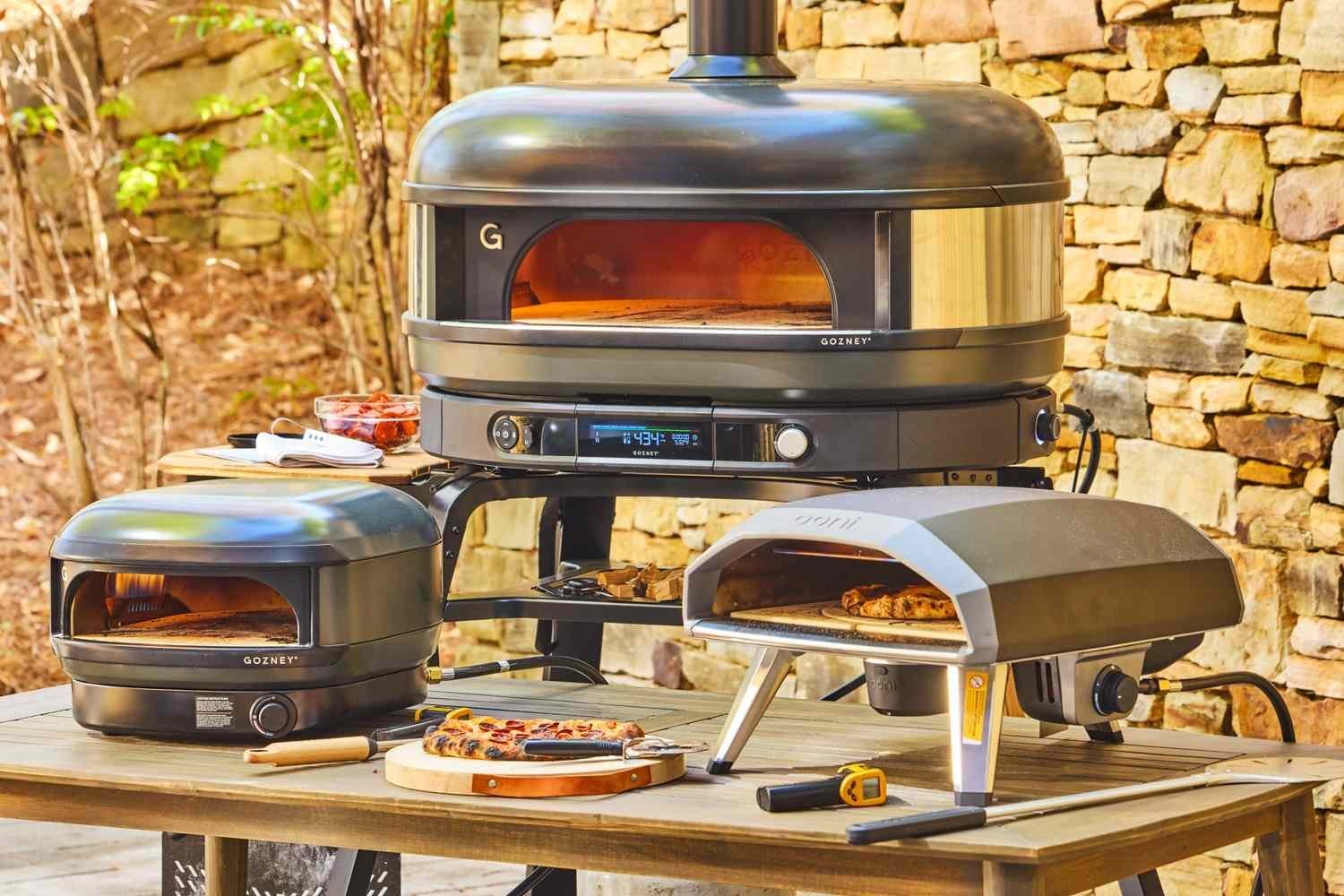
| What you notice | What it usually means | What to do first | How to stop it |
|---|---|---|---|
| Burnt crust edges | Oven is too hot | Turn down the gas | Use less wood fuel |
| Soggy bottom | Stone is too cold | Wait 5 more minutes | Preheat longer next time |
| Dough sticking | Too much moisture | Add more flour | Use semolina on peel |
| Flame blowing out | Wind interference | Turn the oven | Use a wind shield |
| Uneven cooking | Poor rotation | Rotate more often | Check for hot spots |
If your crust burns while the center remains raw, your oven temperature is likely too high. Drop the heat by 25 degrees before sliding in the next pie.
A soggy bottom often stems from a stone that hasn’t reached thermal saturation. If your infrared thermometer reads below 750°F, wait until the stone recovers its heat.
Dough sticking is the most common beginner mistake. It costs you a ruined pie and a messy oven floor. If the dough resists moving on the peel, give it a firm shake. If it stays put, add a light dusting of semolina.
For uneven cooking, track your rotation. If one side chars faster, you have a hot spot near the flame. Rotate the pizza 90 degrees every 45 seconds to ensure an even bake. If the flame blows out, ensure your wind shield faces away from the prevailing breeze.
Understanding the safety rules
Operating a high-heat oven requires strict adherence to fire safety protocols. You must never operate these units inside a garage, porch, or under any low-hanging structures, as the extreme heat and smoke pose a significant fire and health risk. According to the National Fire Protection Association, outdoor cooking equipment should always be placed on a flat, stable, and non-combustible surface.
Maintain a minimum clearance of ten feet from all siding, deck railings, and overhanging tree branches. If you lack a concrete patio, place a heavy-duty fire-resistant mat underneath the unit to protect wooden decking from heat transfer and stray embers.
Always keep a fire extinguisher rated for Class A, B, and C fires within reach of your cooking area. A standard household extinguisher may fail to suppress a high-temperature grease flare-up.
If you’re using propane, ensure your tank is inspected for leaks using a simple soap-and-water solution before every use. If bubbles form at the connection point, the seal is compromised. Never attempt to modify the burner or internal structure of the oven, as this voids your warranty and can lead to dangerous gas leaks. If you’re using a gas burner and notice a yellow, flickering flame instead of a steady blue flame, turn off the supply immediately and consult the manufacturer’s documentation.
What it costs to operate
The cost of owning a portable pizza oven includes the initial purchase, the ongoing fuel expense, and the accessories required for success. A high-quality propane-powered oven typically ranges from an affordable price to a premium investment, while multi-fuel models often sit in a higher price bracket.
Fuel costs vary significantly; a 20lb propane tank can last for several dozen sessions, whereas wood pellets or kiln-dried hardwood can be more expensive per hour of cooking time. If you prioritize convenience and precision, choose propane.
The most important accessory is an infrared thermometer, which is essential for consistent results. Don’t skip this tool, as guessing the stone temperature is the primary cause of ruined pizzas. If your stone is below 700°F, the crust will be soggy. If it exceeds 950°F, the bottom will char before the toppings melt.
You should also budget for a quality wooden or metal pizza peel and a heat-resistant glove. While these items represent an upfront cost, they’re necessary for safe operation and will prevent the accidental burns that beginners often experience. Always keep a dry fire extinguisher nearby if you choose wood.
Keeping your oven in shape
After your cooking session is over, let the oven cool completely for at least two hours before attempting to clean it. Once cool, you can brush any charred flour or food residue off the baking stone using a stiff-bristled wire brush. Never use soap or water on the baking stone, as it’s porous and will absorb the chemicals, which will ruin the flavor of your next pizza. If the stone becomes heavily stained, simply flip it over for the next use; the heat of the oven will burn off the residue over time. For the exterior, a simple wipe-down with a damp cloth is usually enough, but check the manufacturer’s guide if you have a stainless steel model that requires specific cleaners. Store your oven under a waterproof cover to prevent rust from forming on the steel shell. If you live in a coastal area with high humidity, inspect the bolts and burner assembly regularly to ensure no corrosion is forming that might affect the burner’s performance.
When to choose a different path
If you only plan to make pizza occasionally, a dedicated portable oven may not be worth the storage space or the cost. In this case, a high-quality pizza stone or a heavy-duty baking steel used in your standard kitchen oven will provide excellent results without the need for outdoor equipment.
If you’re looking for a commercial-grade output to feed large parties every weekend, a small portable oven will struggle to keep up with the demand. These units are designed for intermittent use, not back-to-back cooking for ten or more people. If you find your guest list consistently exceeds six diners, the recovery time between pizzas will frustrate your workflow.
For large events, you should consider a full-sized masonry oven or a commercial-grade trailer-mounted unit, which provide the thermal mass necessary for sustained high-volume production. Attempting to force a portable unit to cook continuously for hours will likely lead to overheating and potential damage to the internal components. Stop firing immediately to prevent permanent damage to the burner assembly or the ignition system.
Frequently asked questions
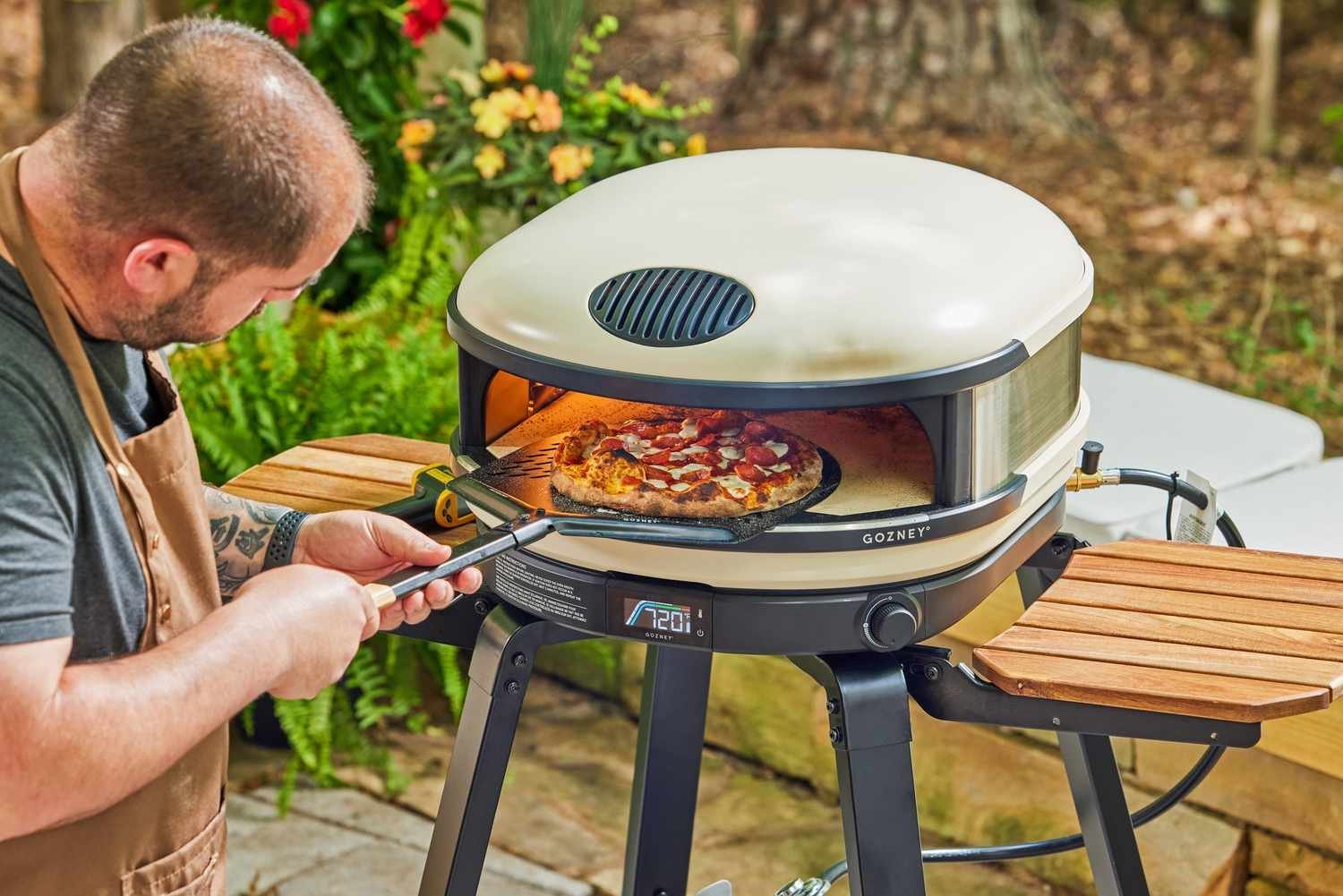
Can I use my portable pizza oven on a wooden deck?
No, you should never place a portable pizza oven directly on a wooden deck because the intense heat radiated from the bottom of the unit can ignite the wood or cause permanent charring. Always place the oven on a non-combustible surface like stone, concrete, or a specialized metal stand designed for high-heat appliances.
How long does it take to reach cooking temperature?
Most portable pizza ovens take between 15 and 20 minutes to reach a stone temperature of 750°F to 900°F. This time assumes a standard ambient temperature of 70°F and a wind-free environment; if it’s colder or windy outside, you should allow an extra 5 to 10 minutes for the stone to fully saturate with heat.
Is it safe to cook in the rain?
No, it isn’t safe to cook in the rain, as the rapid temperature change can cause the ceramic baking stone to crack or shatter. Water can also damage the internal burner components or electrical igniters, which aren’t designed to be exposed to moisture during operation.
What happens if I use the wrong type of wood?
Using softwoods like pine or fir will create excessive soot and creosote buildup, which can coat your food and clog the oven’s chimney. Always use dry, seasoned hardwoods like oak, ash, or fruitwoods to ensure a clean, hot burn and to protect the internal structure of your oven from harmful buildup.
How often do I need to clean the stone?
You should clean the stone after every use by brushing off loose debris once the oven has completely cooled. A deep cleaning is rarely necessary, but if you notice significant buildup, you can scrape it gently with a flat tool; never use water or soap, as these will ruin the stone’s integrity.
Does it matter which flour I use for the dough?
Yes, using high-protein “00” flour is important for achieving the characteristic airy, blistered crust of a Neapolitan pizza. Standard all-purpose flour has a lower protein content and won’t provide the same structural strength or chew, making it difficult to stretch the dough thin enough for a high-heat bake.
What is the best way to prevent the pizza from sticking?
The best way to prevent sticking is to keep your peel cool and dry, and to use just enough semolina or coarse flour to create a barrier between the dough and the peel. If you let the topped pizza sit on the peel for more than a minute before launching, the moisture from the sauce will soak into the dough and cause it to stick.
Portable pizza, in short
The first step you should take is to measure your outdoor space to ensure you have enough clearance for safe operation. Once you have your oven, verify the stone temperature with an infrared thermometer before every launch to ensure your first pizza is a success. If you notice the flame turning orange or the oven smoking excessively, stop immediately and check your fuel source or air intake for blockages.