
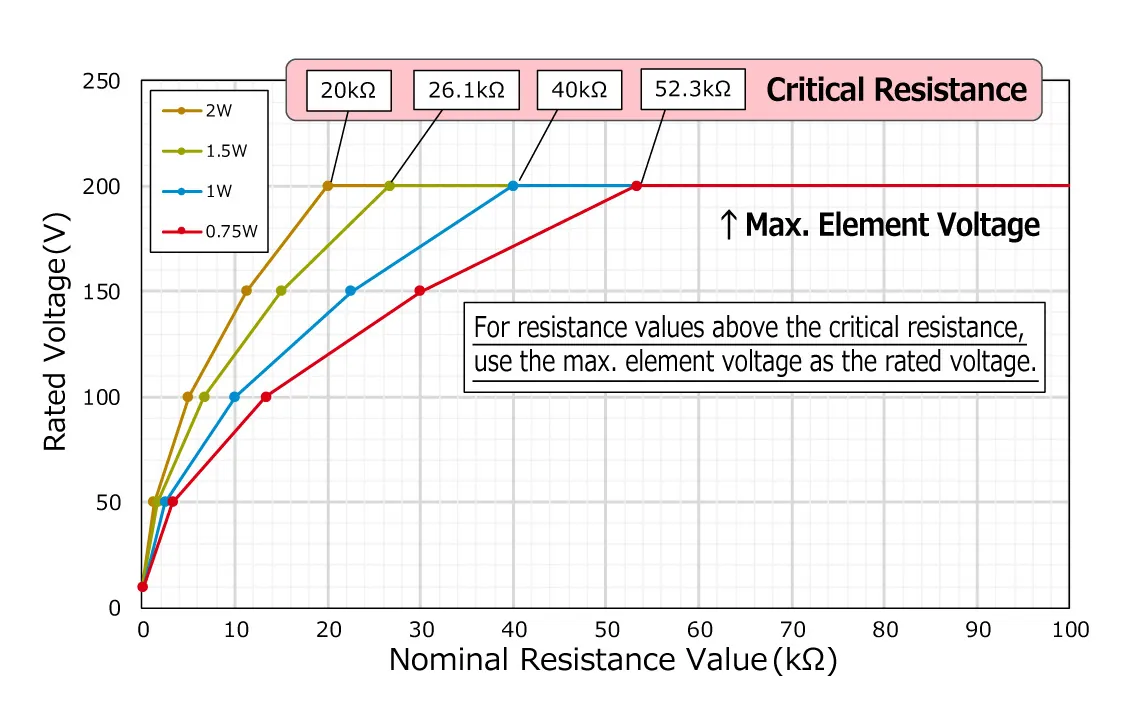
Rated voltage is the maximum continuous electrical potential a device or component can safely handle under normal operating conditions, as specified by its manufacturer. You’ll find this number printed on a nameplate, molded into plastic, or listed in a manual. It tells you the exact supply level the equipment was built to accept without overheating or breaking down. Exceeding it risks immediate failure, while running far below it often causes poor performance.
The single factor that decides whether equipment works safely is matching your power supply to the rating on the device. A 120V motor plugged into a 240V outlet won’t just run faster; it will overheat and burn out its internal windings very quickly. Conversely, feeding 120V to a machine designed for 240V leaves it struggling to start, drawing excess current that trips breakers or damages components.
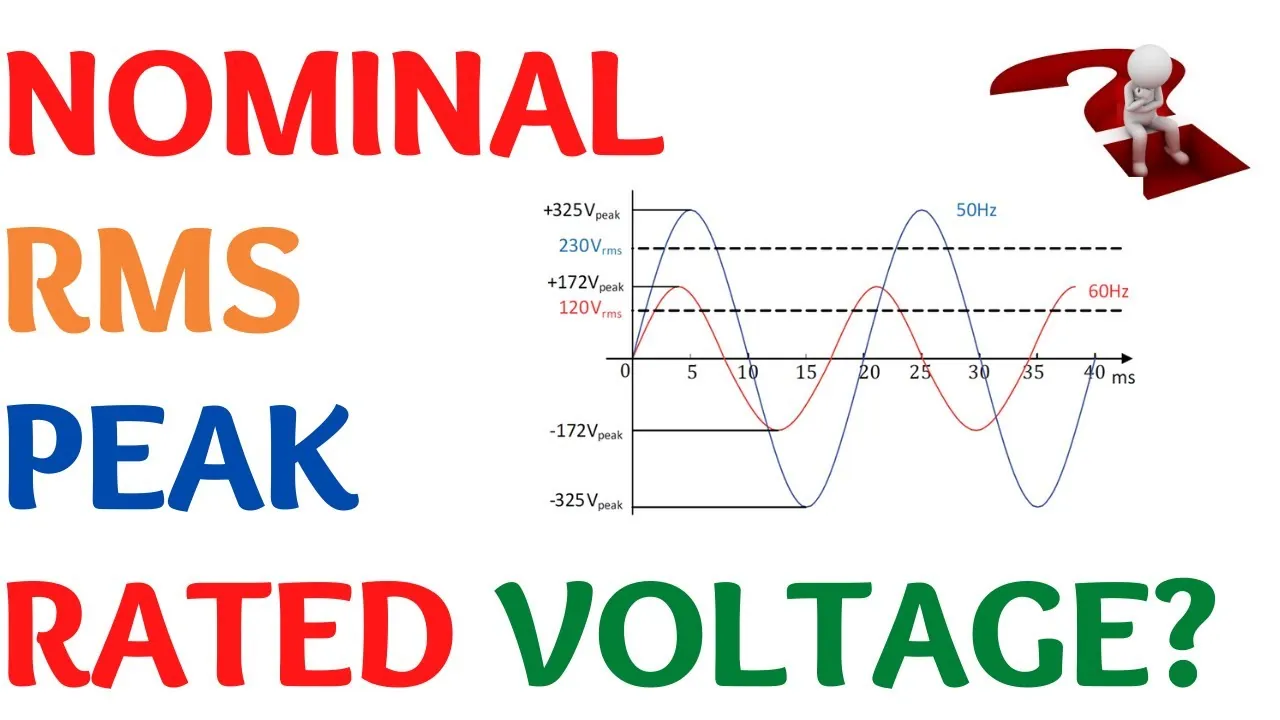
Ignoring the difference between alternating current (AC) and direct current (DC) ratings ruins installations before they even start. A capacitor marked “50V DC” might fail catastrophically on a 50V AC line because the peak of an AC wave actually reaches about 70V. Always check whether the label specifies AC, DC, or both, and verify your supply type matches before connecting anything.
How to determine the correct rated voltage
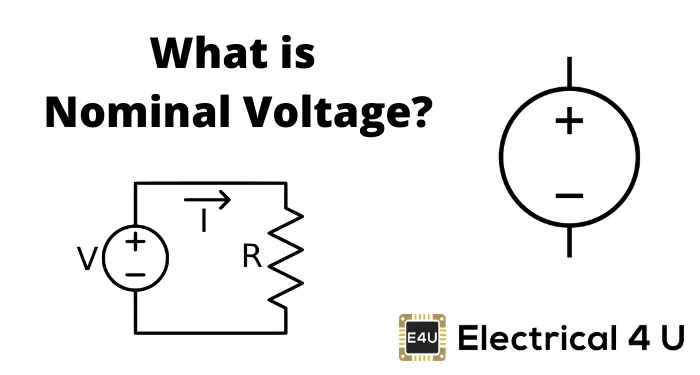
You don’t calculate this figure yourself. The manufacturer determines it through testing and publishes it so you can match your power source correctly. Follow these steps to verify and apply it safely.
- Locate the manufacturer’s nameplate or data sheet on your equipment. Look for a number followed by “V” or “Volts,” often paired with “AC” or “DC.” If the plate is worn off, search the model number on the maker’s official website to download the original specifications.
- Measure your actual power supply using a digital multimeter set to the correct mode (AC or DC). Place the probes on the live and neutral terminals, or positive and negative for DC. Compare this reading directly to the number on the nameplate.
-
Match the supply to the device. If your outlet delivers 230V and the appliance says 230V, plug it in. If the numbers differ significantly, stop. Don’t force a connection hoping the equipment will adapt, because it won’t. Tip: Household outlets fluctuate slightly throughout the day. A standard US 120V outlet might read anywhere from 114V to 126V. Equipment rated for 120V is built to handle this specific range, but a reading consistently outside it points to a wiring problem.
-
Check the frequency if you’re dealing with AC motors or transformers. A motor rated for 230V at 50Hz will spin too fast and overheat on a 230V 60Hz supply. Voltage alone doesn’t tell the whole story for rotating machinery.
- Use a step-down or step-up transformer when your supply doesn’t match the device. A Japanese appliance rated for 100V needs a proper transformer to run safely on a North American 120V circuit. Ensure the transformer’s wattage capacity exceeds the appliance’s power draw.
- Leave high-voltage industrial panels and main service connections to licensed electricians. Working inside mains-powered distribution boards carries a lethal shock risk, and a capacitor can hold a dangerous charge long after the power is switched off.
For detailed definitions of how these limits are established, the IEC electropedia entry outlines the formal standards used globally.
How long checking voltage ratings takes
Verifying the right number is usually a matter of minutes, not hours. The time you spend depends entirely on where the information is located and what tools you have ready.
| Situation | How long | What changes it | What to watch for |
|---|---|---|---|
| Reading a visible nameplate | Under 1 minute | Dirt or paint covering the label | Faded text leading to misread digits |
| Checking a downloaded manual | 2–5 minutes | Your internet speed and PDF size | Confusing input rating with output rating |
| Measuring an outlet with a meter | 3–5 minutes | Your familiarity with the multimeter | Selecting DC mode on an AC circuit |
| Verifying a complex industrial panel | 15–30 minutes | Number of phases and components | Missing warning labels or damaged plates |
If you’re spending more than half an hour trying to figure out a simple household appliance’s requirement, stop. You’re likely looking at the wrong specification or dealing with a missing label. In that case, contact the manufacturer directly with your serial number instead of guessing.
Signs your voltage rating matches the supply
You know the rating matches when the equipment starts smoothly, runs quietly, and stays cool to the touch during normal use. There shouldn’t be any flickering lights, humming noises from transformers, or burning smells coming from the casing. These physical signs are your first confirmation that the electrical potential aligns with what the machine expects.
When physical signs conflict, trust your multimeter over everything else. Set it to the correct AC or DC range and measure directly at the device’s input terminals while it’s running. If the meter reads within the tolerance band printed on the nameplate, the supply is correct.
Tolerance bands matter here. The National Electrical Manufacturers Association (NEMA) generally designs motors to operate safely within 10% of their nameplate value. A 230V motor should see between 207V and 253V. Anything outside that window means the rating and the supply don’t actually match, regardless of whether the motor seems to be spinning fine right now.
Mistakes that ruin electrical equipment
Getting the electrical potential wrong doesn’t just cause a temporary glitch. It destroys components permanently. Here are the errors that cause the most damage.
- Mixing up AC and DC supplies. Plugging a DC-only device into an AC wall outlet instantly burns out rectifiers or blows internal fuses. Always confirm the letters next to the number on the label before making any connection.
- Ignoring the 10% tolerance rule. Running a 120V heater on a 100V supply reduces the power output and current draw, resulting in significantly less heat production. Check your actual outlet reading with a meter rather than assuming the wall provides exactly what it should.
- Assuming dual-voltage switches itself. Laptops switch automatically, but older hair dryers or power tools require you to physically flip a red switch on the back. Leaving it on 110V while plugging into a 220V European outlet fries the motor instantly.
- Using an undersized transformer. Buying a 50-watt converter for a 100-watt appliance causes the converter itself to overheat and catch fire. Always buy a transformer rated for at least 20% more wattage than your device requires.
- Reading the output instead of the input. Power supplies list both. The input is what the wall provides; the output is what the device sends to your electronics. Matching your wall socket to the output number guarantees a short circuit.
Related guides
- How to Find IP Address for Camera: Quick Router Method
- Foosball Resources: Where to Find Tactics and Gear in 2026
- Brand New Hot Tub Leaking: Find and Fix the Leak Fast in 2026
Frequently asked questions
What happens if I exceed the rated voltage?
Exceeding it forces too much electrical pressure through the insulation and components. This generates excessive heat, breaks down wire coatings, and usually causes a short circuit or permanent burnout. In severe cases, capacitors burst and batteries vent toxic gas. Never intentionally supply more than the nameplate allows.
Can I run a device below its rated voltage?
Yes, but only within a small margin, typically 10%. Below that threshold, motors stall, heaters produce less warmth, and power supplies shut down to protect themselves. Running a motor significantly below its rating causes it to pull extra current to maintain torque, which can lead to overheating and winding insulation failure.
Is rated voltage the same as operating voltage?
No. The rated value is the voltage level for which the device is designed to operate optimally. Operating voltage is the actual level the device uses day-to-day, which should always sit comfortably below the maximum. A battery charger might carry a 240V rating but normally operates on a 230V supply.
Why do some devices have two voltage numbers?
Devices with two numbers, like “110V / 220V”, contain dual-winding power supplies meant for international travel. They can handle either grid standard. You must manually select the correct one via a physical switch on many older models, though modern laptop chargers detect and adjust automatically.
How long does equipment last if the voltage is wrong?
Running equipment at 15% above its rating can destroy it in seconds or minutes. Running it slightly below the limit might let it function for weeks, but the constant excess current degrades insulation rapidly. For exact lifespan reductions under abnormal conditions, consult the specific manufacturer’s engineering data.
Is it safe to guess the voltage if the label is missing?
No. Guessing risks fire, electrocution, or destroying the appliance. If the nameplate is gone, search the exact model number online or contact the manufacturer’s support line. Never plug an unidentified device into a mains outlet hoping it will work out fine.
Conclusion
Every piece of electrical equipment relies on this single number to stay alive. Whether you’re plugging in a phone charger or wiring a workshop compressor, the value stamped on the metal dictates what the machine can survive. Take those few seconds to read the plate and check your outlet. That quick habit prevents burned motors, tripped breakers, and ruined appliances.
