
Are you curious about a welding technique that’s fast, efficient, and widely used in many industries? Understanding what MIG welding is could open new doors for your projects or career.
Whether you’re a beginner looking to learn a new skill or someone considering different welding methods, this article will give you clear answers. By the end, you’ll know exactly how MIG welding works, why it’s so popular, and how it might be the perfect fit for your next job.
Keep reading to discover the simple secrets behind this powerful welding process.
Basics Of Mig Welding
MIG welding is a popular welding method used worldwide. It stands for Metal Inert Gas welding. The process is simple, fast, and clean. It works by melting metals together with a wire electrode. The wire acts as both a filler and an electrode. MIG welding is great for beginners and experts alike.
This welding type offers strong and smooth joints. It suits many projects, from car repairs to home crafts. Learning the basics helps you understand how to use MIG welding safely and effectively.
How Mig Welding Works
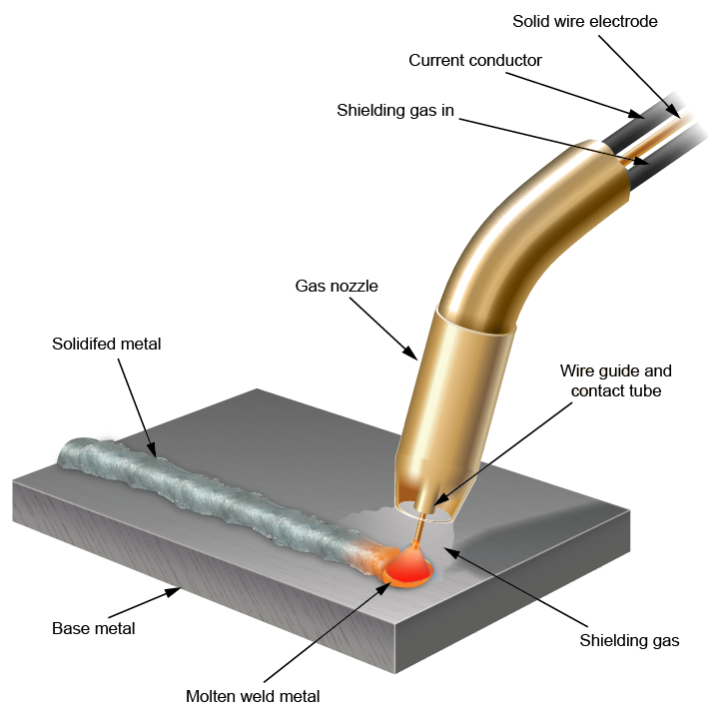
MIG welding uses a continuous wire fed through a welding gun. The wire melts and joins the metals. A shielding gas flows from the gun to protect the weld. This gas stops dirt and air from weakening the weld. The welder controls the speed and heat for a perfect join.
Key Components Of Mig Welding
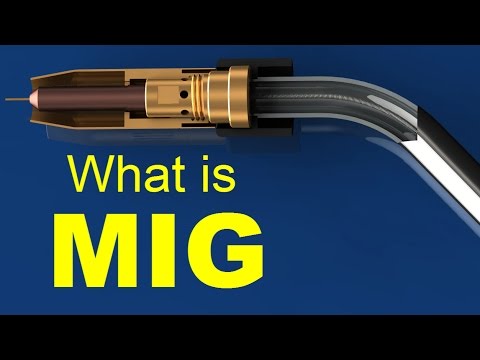
The main parts include the welding gun, wire feeder, and power supply. The gun guides the wire and gas to the weld spot. The wire feeder pushes the wire steadily. The power supply creates the electric current. Together, these parts work to fuse metals smoothly.
Types Of Metals Suitable For Mig
MIG welding works well on many metals. Common choices are steel, stainless steel, and aluminum. Steel is the easiest to weld with MIG. Stainless steel needs special gas and settings. Aluminum requires a different wire and more skill. Each metal type needs the right setup for strong welding.
Advantages Of Mig Welding
MIG welding offers several key benefits that make it a popular choice for many projects. It blends speed, strength, and simplicity. This welding method suits both hobbyists and professionals. Understanding its advantages helps you decide if MIG welding fits your needs.
Speed And Efficiency
MIG welding works fast. The continuous wire feed means fewer stops. This speeds up your work. It reduces the time needed to finish projects. The process also creates less cleanup. This saves even more time and effort.
Strength And Durability
MIG welds are strong and long-lasting. The welds hold up well under stress. They resist cracking and breaking. This makes MIG welding good for many materials. It creates solid joints that last a long time.
Ease Of Use For Beginners
MIG welding is easy to learn. The steady wire feed helps beginners control the weld. It needs less skill than other methods. This allows new welders to get good results quickly. The equipment is simple to use and set up.
Equipment Needed For Mig Welding
MIG welding requires specific equipment to work safely and effectively. Each part plays a key role in creating strong, clean welds. Understanding these tools helps beginners start welding with confidence.
Welding Machine And Power Source
The welding machine powers the MIG welding process. It controls the electric current that melts the metal. Most machines use electricity from a power outlet. Some models can work on different voltages for flexibility. The machine’s settings adjust the heat and wire speed. This control helps match the welding to the metal type and thickness.
Wire Feed And Welding Wire
The wire feed pushes the welding wire through the gun. It must work smoothly to keep a steady arc. The welding wire melts and joins the metals together. Different wire types suit different metals like steel or aluminum. The wire diameter also changes based on the job size. A good wire feed system prevents jams and keeps the weld strong.
Protective Gear And Accessories
Safety gear is essential for MIG welding. A welding helmet protects the eyes and face from sparks and bright light. Gloves shield the hands from heat and sharp metal edges. Long sleeves and pants made of flame-resistant material reduce burn risk. Other helpful accessories include clamps, wire brushes, and welding pliers. These tools keep the work area clean and the weld precise.
Step-by-step Mig Welding Process
The step-by-step MIG welding process makes welding easier and safer. This guide breaks down each part of the process. It helps beginners and those who want clear instructions.
Each step prepares you for the next. The process starts with setting up the machine. Then comes preparing the workpiece. Finally, you execute the weld carefully for the best results.
Setting Up The Machine
First, choose the right welding machine for your job. Plug it in and check the power supply. Set the correct voltage and wire feed speed based on the metal thickness. Load the welding wire spool into the machine. Attach the ground clamp firmly to the work surface. Make sure the gas cylinder is full and properly connected. Open the gas valve to allow shielding gas flow.
Preparing The Workpiece
Clean the metal surface to remove rust, paint, and dirt. Use a wire brush or grinder for best results. Cut the metal pieces to the right size and shape. Position the parts so they fit tightly with no gaps. Clamp the pieces securely to avoid movement during welding. Check the joint area to ensure it is smooth and even.
Executing The Weld
Wear proper safety gear, including a welding helmet and gloves. Hold the welding gun at a 15-degree angle toward the joint. Press the trigger to start the wire feed and gas flow. Move the gun slowly along the joint in a steady motion. Maintain a consistent distance between the gun tip and metal. Watch the weld pool to control the heat and shape. Release the trigger to stop welding and let the weld cool.
Common Mig Welding Techniques
MIG welding uses different techniques based on the metal type and project needs. Each method controls how the wire and electricity create the weld. Understanding these techniques helps welders choose the right one for their work.
Short Circuit Transfer
Short circuit transfer is common for thin metals. The wire touches the metal, causing a short circuit. This creates small sparks and melts the wire. It works well for detailed or tight spots. The heat stays low, reducing metal warping.
Spray Transfer
Spray transfer produces a smooth, strong weld. It uses high voltage to spray tiny metal droplets. The droplets flow steadily across the weld pool. This method suits thick metals and heavy-duty jobs. It creates deep penetration with less spatter.
Pulsed Mig Welding
Pulsed MIG welding controls heat by switching voltage on and off. This creates pulses of current to melt the wire. It combines the benefits of short circuit and spray transfer. Pulsed MIG works well on thin and thick metals. It reduces heat damage and improves weld quality.
Credit: www.cwbgroup.org
Troubleshooting Mig Welding Issues
Troubleshooting MIG welding issues can save time and improve weld quality. Common problems include porosity, spatter, poor penetration, and wire feed troubles. Each issue has clear signs and simple fixes. Understanding these problems helps keep your welding smooth and strong.
Handling Porosity And Spatter
Porosity shows as tiny holes in the weld. It weakens the joint. Clean the metal surface well before welding. Moisture and rust cause porosity. Use the right gas mix to prevent air contamination. Spatter are small metal drops around the weld. Adjust voltage and wire speed to reduce spatter. Use a spatter guard or brush to clean after welding.
Fixing Poor Weld Penetration
Poor penetration means the weld does not fully fuse the metals. Increase the voltage or slow down the welding speed. Check the wire size matches the metal thickness. Make sure the ground clamp is tight and clean. Proper angle and distance of the gun also improve penetration. Good penetration creates a strong, lasting weld.
Dealing With Wire Feed Problems
Wire feed issues cause irregular welding or stops. Check the wire spool for tangles or rust. Clean the drive rolls and adjust their tension. Use the correct wire type and size for your project. Inspect the liner inside the gun for blockages. Proper wire feed ensures smooth, continuous welding.
Safety Tips For Mig Welding
MIG welding is a useful skill but can be risky without safety. Protecting yourself and others is very important. Follow key safety tips to avoid accidents and injuries during MIG welding.
Protective Clothing And Gear
Wear a welding helmet with a proper shade to protect your eyes. Use flame-resistant gloves and a long-sleeve jacket to guard your skin. Make sure your clothes cover all exposed skin. Wear closed-toe boots to protect your feet from sparks and hot metal. Avoid synthetic fabrics that can melt on contact with heat.
Ventilation And Fire Prevention
Work in a well-ventilated area to avoid inhaling harmful fumes. Use fans or exhaust systems to clear smoke and gases. Keep flammable materials away from the welding site. Always have a fire extinguisher nearby and know how to use it. Check your workspace for any fire hazards before starting.
Safe Equipment Handling
Inspect your welding machine and cables for damage before use. Make sure all connections are tight and secure. Turn off the power source when not welding. Keep your work area clean and free of clutter. Follow manufacturer instructions for operating and maintaining your equipment.
Credit: www.youtube.com
Applications Of Mig Welding
MIG welding is a versatile and popular welding method. It works well with many metals and thicknesses. This makes it suitable for many jobs in different fields. The process is fast and produces clean welds. It is easy to learn, which helps beginners and professionals alike. Below are some common uses for MIG welding.
Automotive Repairs
MIG welding repairs car bodies and frames. It fixes rusted or damaged parts quickly. This welding type joins thin metal sheets without warping them. Mechanics use it to restore classic cars and modern vehicles. It helps keep cars strong and safe on the road.
Construction And Fabrication
Builders use MIG welding to join steel beams and pipes. It creates strong joints that support heavy loads. This welding method speeds up building bridges and structures. Fabricators make metal parts and equipment with MIG welding. It suits both large projects and small repairs.
Artistic And Diy Projects
Artists shape metal sculptures using MIG welding. It allows precise control for detailed designs. Hobbyists build furniture, garden art, and custom pieces. MIG welding helps create durable and attractive metalwork. It is a great tool for creative metal projects.
Comparing Mig With Other Welding Methods
Comparing MIG welding with other welding methods helps you understand its strengths and weaknesses. Each welding type suits different projects and skill levels. Knowing these differences guides you to pick the best method for your needs.
Mig Vs Tig Welding
MIG welding uses a wire electrode and shielding gas. It is faster and easier to learn. TIG welding uses a tungsten electrode and requires more skill. TIG produces cleaner and more precise welds. It works well on thin metals. MIG is better for thick metals and quick jobs.
Mig Vs Stick Welding
Stick welding uses a coated electrode and works in outdoor conditions. It is good for rusty or dirty metals. MIG welding needs clean metal and a shielding gas. MIG offers smoother and less smoky welds. Stick welding is cheaper and more portable. MIG is easier for beginners and indoor work.
Choosing The Right Method
Think about your project size and metal type. Choose MIG for speed and ease on clean metals. Pick TIG for detailed work on thin metals. Select Stick for outdoor jobs or rough materials. Each method has unique advantages for different tasks.

Credit: fractory.com
Frequently Asked Questions
What Is Mig Welding Used For?
MIG welding joins metals like steel, aluminum, and stainless steel. It is common in car repairs, construction, and home projects.
How Does Mig Welding Work?
MIG welding uses a wire electrode that melts to join metals. A shielding gas protects the weld from air and contamination.
What Materials Can You Weld With Mig?
MIG welding works well on steel, aluminum, and stainless steel. It is less effective on cast iron or magnesium.
Is Mig Welding Easy For Beginners?
Yes, MIG welding is beginner-friendly due to its steady wire feed. It requires less skill compared to other welding types.
What Safety Gear Do I Need For Mig Welding?
Wear a welding helmet, gloves, and protective clothing. Safety glasses and proper ventilation are also important.
How Does Mig Welding Compare To Tig Welding?
MIG welding is faster and easier but less precise. TIG welding gives cleaner, stronger welds but needs more skill.
Can Mig Welding Be Done Outdoors?
MIG welding outdoors is possible but tricky. Wind can blow away shielding gas, causing weak welds.
Conclusion
Mig welding joins metals using a wire and gas shield. It works fast and makes strong bonds. Many people use it in car repair and construction. The process needs practice but is easy to learn. Knowing how Mig welding works helps you choose the right tool.
Keep safety in mind and wear proper gear. With time, you can weld many metal types well. Mig welding stays a popular choice for many projects.