
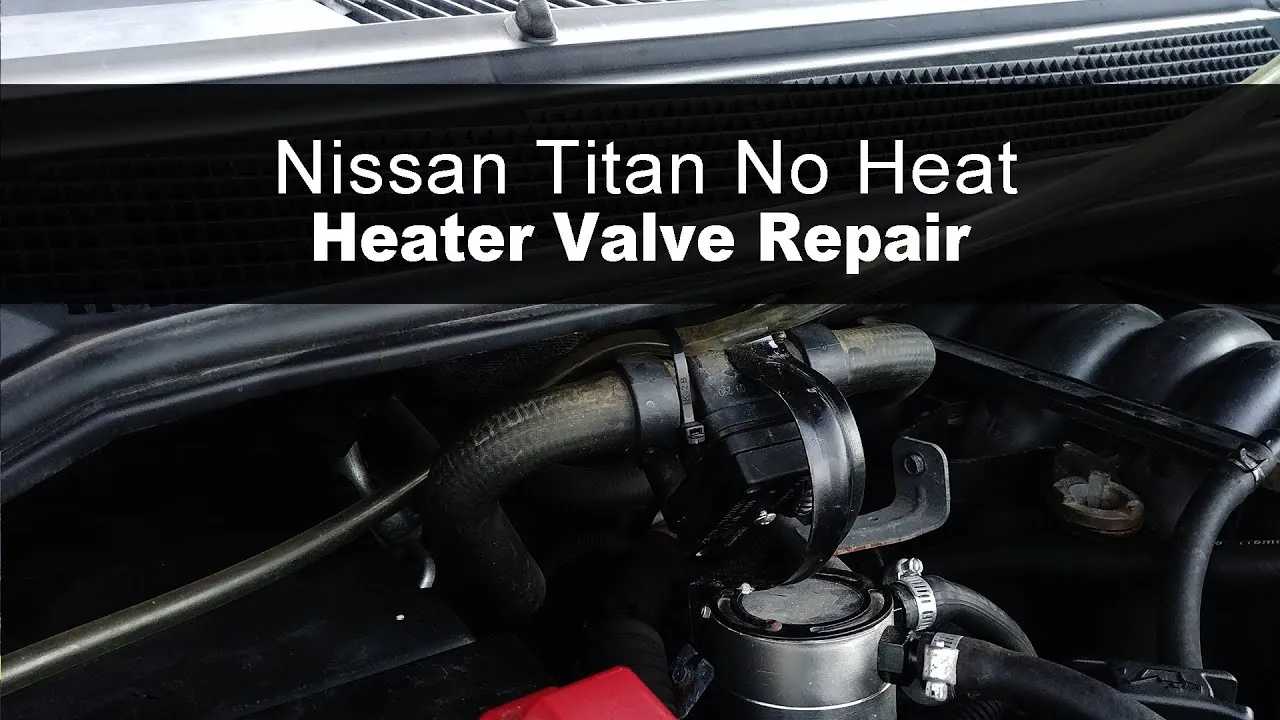
A Nissan Titan heater often fails to work properly because of low engine coolant. When the fluid level drops below the minimum mark in the overflow reservoir, the system cannot circulate enough heat into the cabin. Check the coolant level while the engine is cold by inspecting the plastic reservoir near the radiator. If the fluid is below the line, adding the correct coolant usually restores the heat quickly.
Why your Nissan Titan heater isn’t working
| Cause | How common | How to confirm it | Fix it yourself? |
|---|---|---|---|
| Low coolant level | Very common | Check reservoir level | Yes |
| Air pocket in system | Common | Feel hoses for heat | Yes with care |
| Stuck thermostat | Frequent | Watch engine temperature | Yes |
| Clogged heater core | Occasional | Feel hoses for blockage | No |
| Failed blower motor | Rare | Listen for fan noise | Yes |
| Broken blend door | Rare | Listen for clicking | No |
If your engine temperature gauge stays low while driving but rises at idle, your thermostat is stuck open. Replace it immediately to prevent poor fuel economy and engine wear.
When checking the heater core, touch both inlet and outlet hoses after the engine warms up. If one is hot and the other is cold, sediment has likely blocked the flow. Don’t attempt to flush this yourself unless you have a dedicated pump, as high pressure can burst the delicate internal seals.
Many drivers mistake a broken blend door for a heater core issue. If you hear a repetitive clicking sound behind the dash when adjusting the temperature, the plastic actuator gear has stripped. This is a mechanical failure, not a fluid problem. You must remove the dashboard trim to access the motor, which requires specialized trim tools to avoid cracking the plastic.
Low coolant levels and air pockets
A lack of coolant is the primary cause of cold air blowing from your vents. Your vehicle relies on hot engine coolant circulating through a small radiator, known as the heater core, to warm the cabin air. If the coolant level is too low, the fluid never reaches that core. You can confirm this by checking the translucent plastic reservoir under the hood when the engine is completely cool.
Air trapped inside the cooling system also blocks the flow of hot liquid. If you recently had work done on the cooling system, air bubbles might be trapped in the lines. A simple test is to feel the two heater hoses that run toward the firewall. If one hose is hot but the other feels cold, the coolant isn’t circulating through the core properly.
Always check the owner’s manual for the specific coolant grade required for your truck, as using the wrong type can damage internal seals. Never open the radiator cap or reservoir while the engine is hot, as the pressurized system can cause severe burns Nissan Titan owner manual maintenance guidelines. If the level is low, fill it to the “MAX” line and follow the manufacturer’s specific procedure for bleeding air from the cooling system.
A stuck thermostat
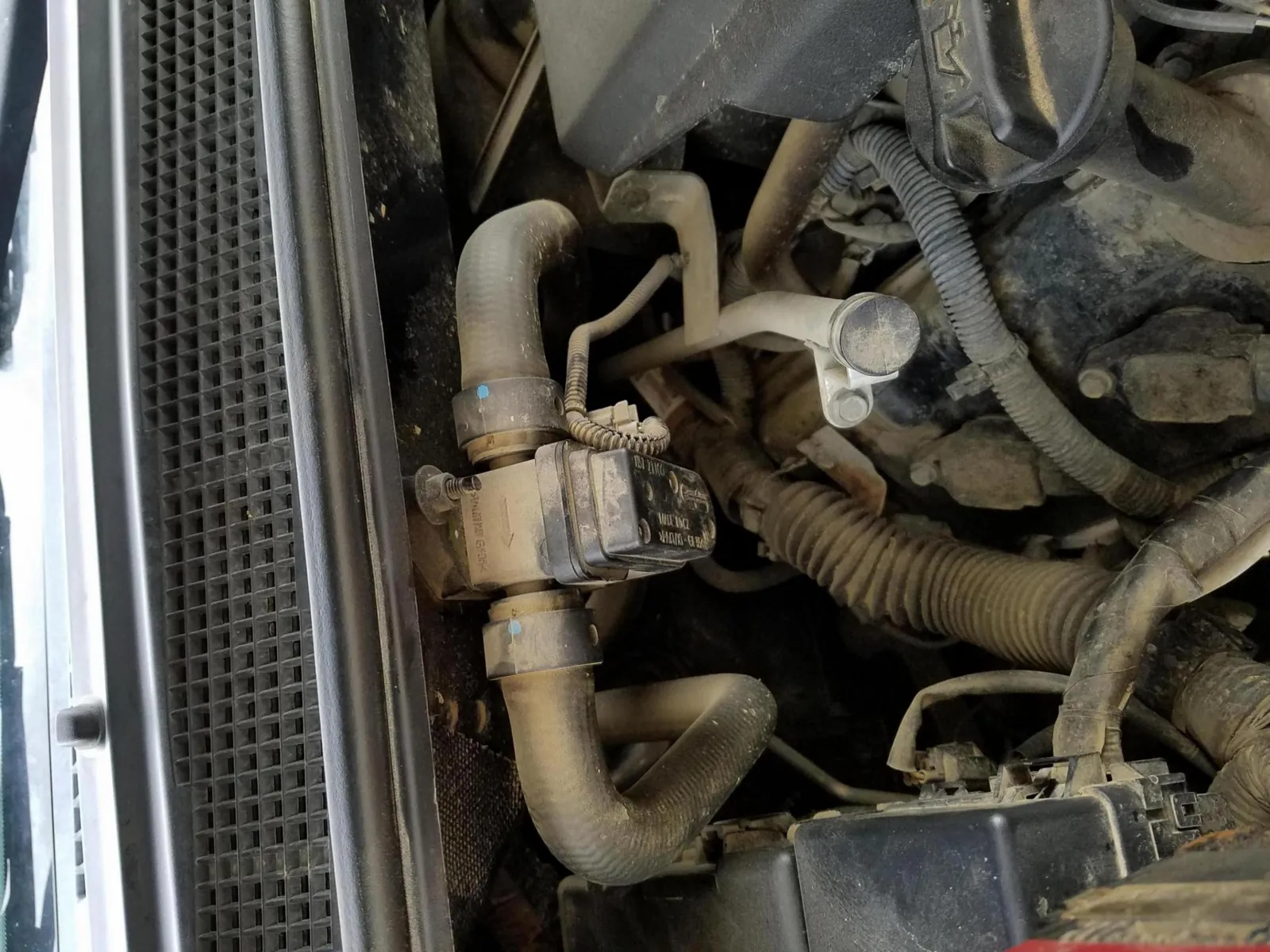
The thermostat acts like a gatekeeper that controls the flow of coolant between the engine and the radiator. If this part gets stuck in the open position, the engine coolant never gets hot enough to warm your heater core. You’ll notice this if your dashboard temperature gauge stays low or takes a very long time to rise while you’re driving.
To confirm this, start your engine and watch the temperature gauge carefully. If the needle stays near the bottom even after driving for 15 minutes, the thermostat is likely stuck open. A healthy engine should reach its normal operating temperature within a few miles of driving. If the gauge stays low, the heater will only blow lukewarm or cold air regardless of your settings.
Replacing a thermostat is a standard repair that requires draining a portion of the coolant and removing the housing. If you’re comfortable working with basic hand tools and managing fluid spills, this job usually takes about an hour. If you aren’t confident, any local mechanic can perform this task quickly. Always wait until the engine is cold to the touch before loosening any bolts, as the remaining coolant can still be under pressure.
Clogged heater core and blower issues
A clogged heater core happens when debris or old, degraded coolant builds up inside the tiny tubes of the core. You can suspect this if both hoses going to the firewall are warm, but the air from the vents remains cold. This means hot water is reaching the core, but it can’t transfer that heat to the air passing through the fins.
The blower motor, on the other hand, is the fan that pushes air into your cabin. If you select the highest fan setting but don’t hear the motor spinning or feel any air movement, the motor or its resistor has likely failed. You can test this by changing the fan speed settings and listening for the sound of the fan changing pitch. If the fan is silent, the electrical path to the motor needs testing.
These issues are more complex than simply topping off fluids. If you determine the heater core is blocked, a professional must perform a system flush or a core replacement. Never attempt to remove the dashboard or heater housing yourself, as this involves complex electrical connections and airbag components. A trained technician has the tools to safely test the blower motor and flush the core without causing damage to the vehicle’s interior.
Rare cooling system failures
A failed blend door actuator makes a rhythmic clicking sound behind the dash when you change the temperature. This noise indicates the plastic gear inside has stripped, leaving the internal flap stuck in one position. You’re trapped with either full heat or freezing air regardless of your settings.
A broken water pump prevents coolant from circulating through the heater core. If your temperature gauge climbs into the red zone within five minutes of starting the engine, the pump is likely seized or the impeller has detached. Don’t drive in this state, as a total lack of flow will warp your cylinder heads.
Leaking coolant hoses often hide in plain sight. If you see a sweet, syrupy residue on the engine block, use a cooling system pressure tester to hold the system at the pressure rating specified on your radiator cap. Watch for weeping at the clamps before the fluid evaporates.
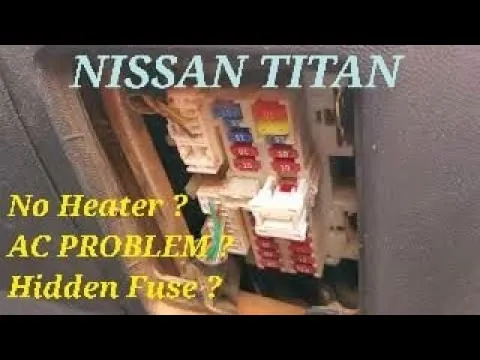
Electrical faults in the climate control module are rare but persistent. If the blower motor works but the air remains cold, check the fuse box first. If the fuses are intact, you need a diagnostic scanner to read the body control module codes. If you see a communication error, the module itself has likely failed.
What a repair typically requires
Fixing a heater issue ranges from a simple top-up to a moderate repair. Adding coolant is a task that takes only minutes and requires nothing more than the correct fluid and a funnel. The cost for this is minimal, as you only need a single jug of manufacturer-approved coolant. If you’re unsure about the fluid type, look for the label on the radiator or check the official manual.
Replacing a thermostat involves more time and a few basic hand tools like a socket set and a drain pan. This is a moderate job that costs significantly less than a shop visit but requires you to catch and recycle the old fluid safely. If the heater core is clogged, the repair becomes labor-intensive. This involves flushing the system or removing parts of the dashboard, which is comparable to a major brake job in terms of effort and time.
Always get a written quote before authorizing a professional to perform a heater core flush or replacement. The cost depends on the labor hours required to access the component in your specific truck model. You can verify the difficulty of this work by looking at the repair steps in a service manual for your specific year and trim level.
Frequently asked questions
Can I drive with a broken heater?
Yes, you can safely drive the truck, but you should monitor the engine temperature gauge constantly. If the heater isn’t working because the engine is overheating, you must pull over immediately to prevent engine damage. If the engine temperature remains normal, the lack of heat is a comfort issue rather than a mechanical failure that stops the truck from running.
How long does a heater core last?
Most heater cores last for the life of the vehicle, provided you change the engine coolant at the intervals specified by the manufacturer. If the coolant is never changed, acids build up and eventually eat through the metal tubes. Check your service schedule to see when your next cooling system flush is due to prevent this internal corrosion.
Is it safe to use tap water in the radiator?
No, you should never use tap water because it contains minerals that create scale and rust inside your heater core. Only use distilled water mixed with the correct coolant concentrate or pre-mixed engine coolant. Using tap water can lead to a clog that’s very difficult and expensive to fix later on.
What happens if I overfill the coolant reservoir?
If you fill the reservoir past the “MAX” line, the excess fluid will simply be pushed out through the overflow tube when the engine heats up. This isn’t dangerous, but it can leave a small puddle under your truck. Simply keep an eye on the level after your next few drives to ensure it settles at the correct mark.
Does the heater affect engine performance?
No, the heater doesn’t affect the power or performance of your engine. It simply uses the heat that the engine creates anyway as a byproduct of combustion. Turning the heater on actually helps the engine cool down slightly, which is why turning on the heat is a common trick to help a car that’s running too hot.
How much does it cost to fix a heater?
The cost varies wildly from the price of a jug of coolant to several hours of labor for a heater core replacement. A simple thermostat replacement is a mid-range repair, while a blocked heater core is a high-cost job. Ask your local mechanic for a quote based on your specific model, as labor times differ based on how deep the part is hidden.
Conclusion
The best way to maintain your heater is to replace the engine coolant exactly when the service schedule says to do so. Old coolant loses its anti-corrosion properties and starts to build up debris that clogs the system. If you keep the cooling system clean, you’ll rarely face issues with the heat in your cabin.
