
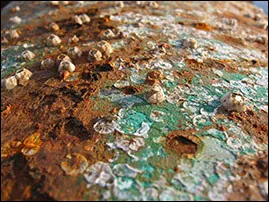
General corrosion is a pervasive electrochemical process where a metal surface experiences a uniform, gradual loss of material across its entire exposed area due to chemical reactions with the surrounding environment. Unlike localized attacks that pit or crack specific zones, this phenomenon typically progresses at a predictable rate, thinning the material until it eventually fails. It acts as a silent consumer of infrastructure, turning structural steel or piping into iron oxide or other stable compounds through a continuous, surface-wide degradation cycle.
Key Takeaways
- Monitor environmental factors like humidity and salinity to predict the corrosion rate accurately.
- Use cathodic protection or specialized coatings to create a protective barrier against reactive agents.
- Prioritize material selection by choosing alloys resistant to your specific operating environment.
- Schedule regular thickness measurements to detect metal loss before structural integrity is compromised.
- Understand that uniform degradation is often easier to manage than localized, hidden forms of damage.
Understanding General Corrosion Mechanisms
General corrosion, often described as uniform attack, occurs when the entire surface of a metal undergoes a reaction with an electrolyte. This process requires four essential components: an anode, a cathode, a metallic path, and an electrolyte. When these are present, the metal atoms lose electrons to become ions, effectively dissolving into the environment. Over time, this transforms the structural integrity of the metal into a flaky, non-structural byproduct commonly known as rust or scale.
The Role of Electrochemical Cells
The fundamental driver is the electrochemical potential difference between different points on a metal surface. Even on a seemingly uniform piece of steel, microscopic variations in composition or surface finish create tiny anodic and cathodic sites. As the metal oxidizes at the anode, electrons flow to the cathode, where they react with oxygen or hydrogen in the environment. This flow of electrons is the “current” that drives the destruction of the metal lattice.
Environmental Influence on Oxidation
The severity of this process is heavily dictated by the surrounding conditions. Moisture acts as the primary electrolyte, while salts—specifically chlorides—significantly increase the conductivity of the medium. Higher temperatures generally accelerate the kinetic rate of the reaction, causing the metal to break down faster.
Why Does Corrosion Occur Uniformly?
Uniformity occurs because the anodic and cathodic sites aren’t fixed; they constantly shift across the entire surface area. Because the surface is exposed to a relatively homogeneous environment, no single spot becomes significantly more reactive than its neighbor. This leads to a consistent, predictable thinning of the material. While it may seem less dangerous than localized pitting, it remains a critical failure mode because it reduces the load-bearing capacity of the entire component.
| Factor | Effect on Corrosion | Mitigation Strategy |
|---|---|---|
| Humidity | Increases electrolyte availability | Dehumidification systems |
| Salinity | Boosts electrolytic conductivity | Frequent freshwater rinsing |
| Temperature | Accelerates chemical kinetics | Thermal insulation or cooling |
| pH Levels | Promotes acid-base reactions | Chemical inhibitors or buffering |
Common Materials and Susceptibility
Not all metals react the same way. Carbon steel is notorious for uniform degradation, especially when exposed to moisture and oxygen. Stainless steels, while generally resistant, can still suffer from uniform attack if the environment is highly acidic or if the protective chromium-oxide layer is stripped away. Non-ferrous metals like copper and aluminum form their own protective oxides, but these can be dissolved in specific chemical environments, leading to steady, uniform surface loss.
How to Detect Metal Thinning
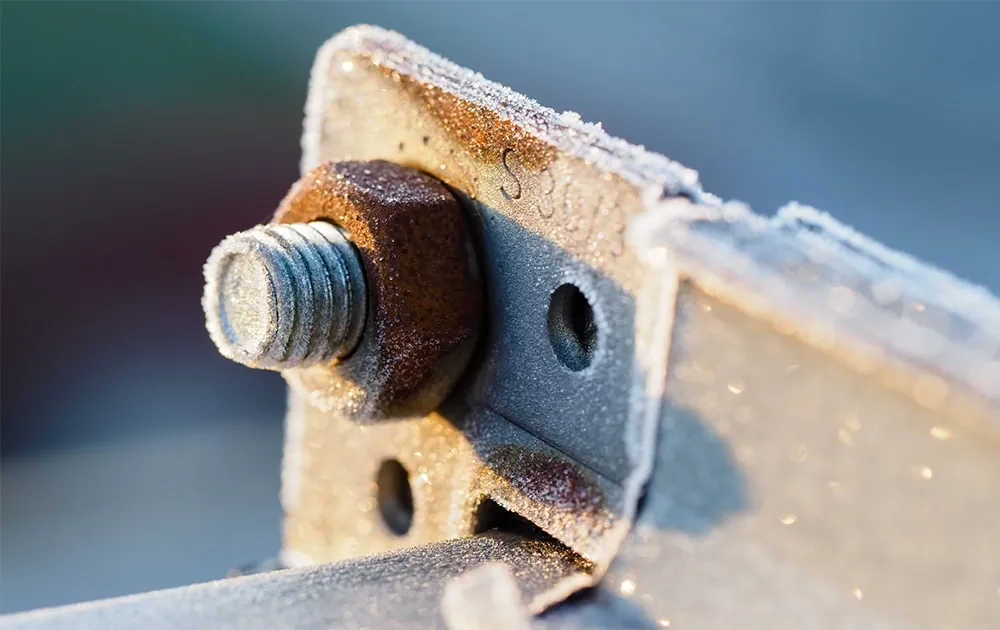
Detection relies on consistent monitoring rather than visual inspection alone, as uniform loss can be deceptive. A component may look perfectly intact even as it loses significant thickness. Professionals use non-destructive testing methods to track the health of pipes, tanks, and structural beams.
- Ultrasonic thickness gauging for precise wall measurements.
- Eddy current testing to assess surface degradation.
- Visual inspection for signs of widespread scaling or surface discoloration.
- Coupon testing where small metal samples are placed in the environment to measure weight loss.
Can You Prevent General Corrosion?
Prevention is rarely about stopping the process entirely; it’s about managing the rate of degradation to an acceptable level. By applying engineering controls, you can shift the balance of the electrochemical cell to favor stability over oxidation.
The Importance of Protective Coatings
Applying a high-quality barrier—such as epoxy, polyurethane, or zinc-rich primers—is the first line of defense. These coatings physically isolate the metal from the electrolyte. If the coating remains intact, the electrochemical circuit can’t complete, and the metal remains protected. However, if the coating is scratched or chipped, it must be repaired immediately to prevent localized acceleration of the decay.
Cathodic Protection Systems
Cathodic protection forces the entire metal structure to act as a cathode, effectively stopping the anodic dissolution. This is done by attaching a “sacrificial anode” made of a more reactive metal, such as zinc or magnesium, which corrodes instead of the protected structure. Alternatively, an impressed current system uses an external power supply to push electrons into the metal, maintaining a protective electrical potential.
Comparative Methods for Protection
| Method | Mechanism | Best Application |
|---|---|---|
| Barrier Coatings | Physical separation | Atmospheric structures |
| Sacrificial Anodes | Galvanic protection | Underwater pipelines |
| Corrosion Inhibitors | Chemical passivation | Closed-loop water systems |
| Material Selection | Alloy modification | High-stress environments |
Maintenance and Monitoring Schedules
Regular maintenance is essential for assets exposed to harsh conditions. A structured approach prevents surprise failures and reduces long-term repair costs.
- Quarterly Inspections: Check for coating damage and signs of active rust.
- Annual Thickness Gauging: Map out areas of potential thinning using ultrasonic tools.
- Bi-annual Chemical Analysis: Test the electrolyte (water or fluid) for pH and conductivity.
- Cathodic System Audit: Ensure the electrical potential remains within the protective range.
Warning: Never ignore “minor” surface rust, as it often indicates that the underlying protective system has already failed, potentially leading to rapid structural thinning.
Factors Influencing Degradation Rates

The rate of metal loss isn’t linear over time. It often starts rapidly when fresh metal is exposed and then slows down as a layer of corrosion product (like rust) forms on the surface. This layer can act as a partial barrier.
However, if this layer is porous, soft, or easily washed away, the rate remains high. Factors like wind, fluid flow, or mechanical abrasion can strip away these protective layers, keeping the metal exposed to the environment and maintaining a high, constant rate of destruction.
Pro Tip: When calculating the design life of a structure, always add a “corrosion allowance” to the wall thickness, which accounts for the expected metal loss over the intended service life of the item.
Frequently Asked Questions
Is all rust considered general corrosion?
No, rust is the byproduct of oxidation, while general corrosion refers specifically to the uniform mode of that process. Localized forms like pitting or crevice corrosion also produce rust but occur in isolated spots rather than across the whole surface. If you see deep holes in your metal, it’s likely a localized form rather than general degradation.
How do I know if my steel is thinning?
You can’t always tell by looking. Because uniform degradation happens evenly, the surface remains relatively smooth while losing thickness. You must use an ultrasonic thickness gauge to measure the metal against its original specifications. If the current measurement is significantly lower than the design thickness, the component is nearing the end of its useful life.
Does painting stop the process entirely?
Painting helps, but it isn’t a permanent fix. All organic coatings have a finite lifespan and are permeable to moisture and oxygen on a microscopic level. Once the coating degrades, cracks, or peels, the protection is lost. Regular inspection and touch-up applications are required to ensure the barrier remains effective over the long term.
Can stainless steel suffer this?
Yes, stainless steel can undergo uniform degradation if exposed to environments that exceed its chemical resistance limits, such as strong acids or high-temperature chloride solutions. While stainless steel relies on a thin, passive chromium-oxide layer for protection, that layer can be destroyed. Once the passive layer is gone, the underlying metal will begin to dissolve uniformly.
Which metals are most resistant?
Gold, platinum, and certain specialized alloys like Hastelloy or titanium offer high resistance due to their noble nature or their ability to form extremely stable, self-healing passive films. However, these materials are expensive and usually reserved for extreme chemical processing environments where standard carbon or stainless steels would fail almost immediately.
Conclusion
Regular maintenance and proactive monitoring are the most effective ways to manage the inevitable thinning of your metal infrastructure. Start by identifying the most vulnerable components in your system and establishing a baseline thickness measurement using ultrasonic equipment. By tracking these numbers annually, you can replace parts before they reach a critical state of failure, ensuring both safety and operational continuity.

1 thought on “What Is General Corrosion and How Does It Occur Explained”