
An accident is any crash, collision or impact that damaged the car, no matter how small the damage looks. If the vehicle was ever repaired for crash damage, most states treat it as accident history that you must disclose when selling it. You can check what your state requires through your local department of motor vehicles before listing the car.
What counts as accident damage
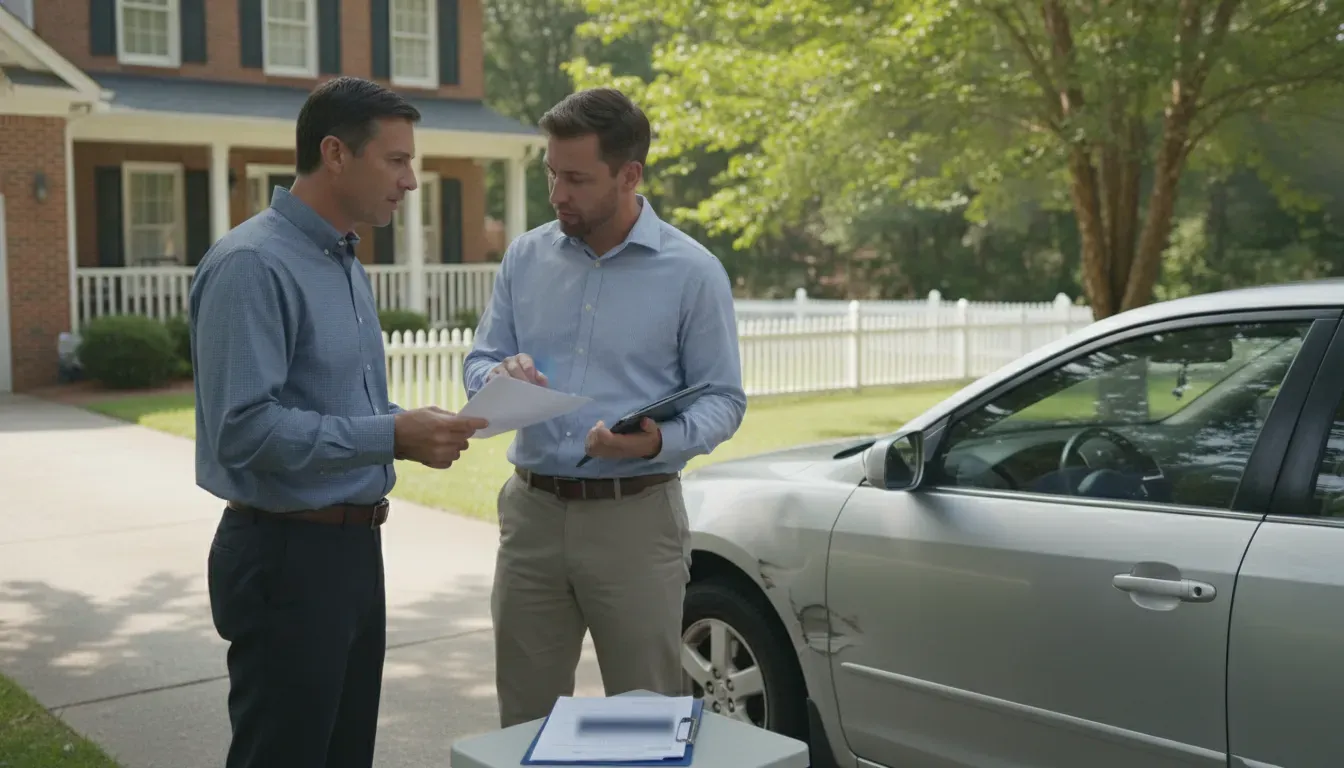
The key difference is intent. Everyday wear — a worn tire, a faded bumper, or a chipped windshield from road debris — isn’t accident history. A crash is: another vehicle hit yours, you hit something, or any impact bent, cracked or broke a part that then needed repair. Airbag deployment, frame straightening, panel replacement, and paint work after a collision all count.
Even a low-speed parking lot bump that left a dent and required body shop repairs is accident history in most states. If a repair involved pulling a dent or blending paint to match a panel, it’s an accident. Cosmetic touch-ups for minor scratches don’t trigger a report, but replacing a bumper cover does.
Most buyers mistake “no police report” for “no accident.” If you paid out of pocket to avoid an insurance claim, the damage remains part of the vehicle’s history. Check the vehicle’s VIN through a history report service; if the repair appears in a shop database, it’s an accident.
How to disclose what is considered an accident when selling a car
Pull the vehicle history report using the car’s vehicle identification number so you know exactly what previous buyers will see. If the report contradicts your memory, update your disclosure immediately. A buyer who discovers a discrepancy during their own independent check will often walk away, regardless of the car’s actual condition.
Write down the date of each crash, what was damaged, and who performed the repairs. If you lack documentation for a minor fender bender, write a signed affidavit detailing the incident to show transparency.
Tell potential buyers about every accident before they make an offer. Disclosing damage after a price is negotiated creates a breach of trust that kills the deal. If the damage was strictly cosmetic, emphasize that the frame and mechanical systems remained untouched.
Keep repair invoices and insurance claim paperwork available for serious buyers. If you performed the repairs yourself, provide photos of the damaged area before and after the work.
List the accident history in your sales advertisement. This filters out buyers who are unwilling to consider a vehicle with a history, saving you hours of wasted test drives.
Sign a bill of sale that notes known accident damage, and keep a copy for your records. This legal protection prevents a buyer from later claiming you committed fraud. If the car was declared a total loss, the title branding is permanent; disclose this early to avoid wasting time on buyers who can’t secure financing for a salvaged vehicle.
How long accident history stays on the record

| Situation | How long it shows | What changes it | What to watch for |
|---|---|---|---|
| Insurance claim filed | Usually for the life of the vehicle | Claim payout amount and state reporting rules | Claims may appear even if you paid for repairs yourself |
| Police report filed | Varies by state | Whether the report was sent to the state | Not all police reports reach vehicle history databases |
| Minor damage, no claim | May never appear formally | Whether any shop or insurer recorded the VIN | Buyers can still ask you directly about past damage |
| Title branded salvage or junk | Permanent in most states | State title laws and whether it was rebuilt | A rebuilt title still must be disclosed at resale |
Most insurance carriers retain claim data for five to seven years, though the entry often persists on vehicle history reports long after the policy expires. If you paid for a minor repair out-of-pocket to avoid a premium hike, verify that the shop didn’t report the VIN to a third-party database. Many independent shops now use automated systems that sync with these services.
If you find an accident on your report that never occurred, the burden of proof rests on you. Gather your original repair invoices or a letter from your insurer confirming no claim was filed. Submit these documents directly to the reporting agency via their online dispute portal. If the agency refuses to remove the entry, request a formal statement of correction to include with your vehicle’s history file.
Always check your VIN against at least two different providers. One service might miss a police report that another captured through state DMV data. If you’re selling a car with a branded title, set your asking price at 20% to 40% below the market value for a clean-title equivalent. Buyers will inevitably use the history report to leverage a lower final price.
Signs a buyer will treat the car as accident history
Buyers look for mismatched paint between panels, uneven panel gaps, overspray on trim or rubber seals, and replacement parts that don’t match the original factory finish. A vehicle history report is the one test that settles it when the signs disagree. It lists reported accidents, salvage titles, and insurance claims tied to the vehicle identification number.
Run the report yourself before listing so you see what buyers see. If the report shows a clean record but you know of a minor fender bender, disclose it anyway. Hiding a known incident often kills the deal once the buyer’s mechanic spots the telltale signs of a replaced bumper or radiator support.
Some states require sellers to disclose damage that exceeds a specific dollar threshold. Check your state’s department of motor vehicles for this figure. If your repair costs were lower, you’re legally clear, but transparency builds the trust necessary to close a sale. If the signs and the report conflict, disclose what you know and let the buyer decide.
Mistakes that hurt the sale

Hiding a known accident is a losing strategy. The buyer’s history report will surface the event, and nondisclosure often leads to a canceled sale or a legal claim after the buyer drives away. Disclose it in the listing to build trust.
Assuming minor damage doesn’t count is a common error. A small dent that required professional body shop repair qualifies as accident history in most states. If the repair involved a police report or an insurance payout, you must report it.
Selling with an open insurance claim creates a legal bottleneck. An unresolved claim prevents a clean title transfer and scares away serious buyers. Settle the claim and confirm the title status with your local DMV before listing the vehicle.
Forgetting to disclose a branded title is a critical mistake. A salvage or rebuilt title remains on the record permanently, and hiding it can void the sale entirely. If the car has a branded history, note it clearly on the bill of sale. Buyers who find this information later often sue for fraud, which costs far more than a lower sale price.
Related guides
- 5 Best Car Camping Heaters for Winter: Our Top Picks
- 5 Best Bath and Body Car Scents for a Fresh Vehicle Interior in 2026
Frequently asked questions
Does a fender bender count as an accident when selling a car?
Yes. Any collision that caused damage, even a low-speed fender bender, counts as accident history if it needed repair, and most states require you to disclose it.
Do I have to tell buyers about an accident if the car was fully repaired?
Yes. Repair quality doesn’t erase accident history; buyers and history reports can still find the record, so disclose it before the sale.
How long does an accident stay on a car’s record?
It usually stays for the life of the vehicle when an insurance claim or police report was filed, though exact reporting rules depend on your state’s department of motor vehicles.
Can I sell a car with an accident history?
Yes. You can sell it, but you must disclose known accident damage, and a branded salvage or rebuilt title must be noted on the bill of sale in most states.
What happens if I don’t disclose an accident?
The buyer can cancel the deal or seek damages after purchase if they discover undisclosed accident history, depending on your state’s consumer protection rules.
Is hail damage considered an accident when selling a car?
Generally no. Hail damage is weather-related, not a collision, though some insurers and states treat comprehensive claims differently, so check your local disclosure rules.
Will a minor scratch count as accident history?
No. Ordinary wear such as scratches, stone chips, or faded paint isn’t accident history unless it resulted from a collision that required repair.
Conclusion
The safest rule when selling is to disclose anything that was hit, dented, or repaired after an impact. Buyers can check vehicle history reports themselves, and undisclosed accident damage usually costs you more in lost trust or legal trouble than an honest listing ever would.
