
A saloon is a car that features a permanent roof and a separate, enclosed trunk for luggage. This classic body style is defined by its three-box design, where the engine, passenger cabin, and storage space occupy three distinct, visible sections. You’ll recognize it by its fixed B-pillars and four doors, though some older models feature only two doors.
Characteristics of the classic saloon
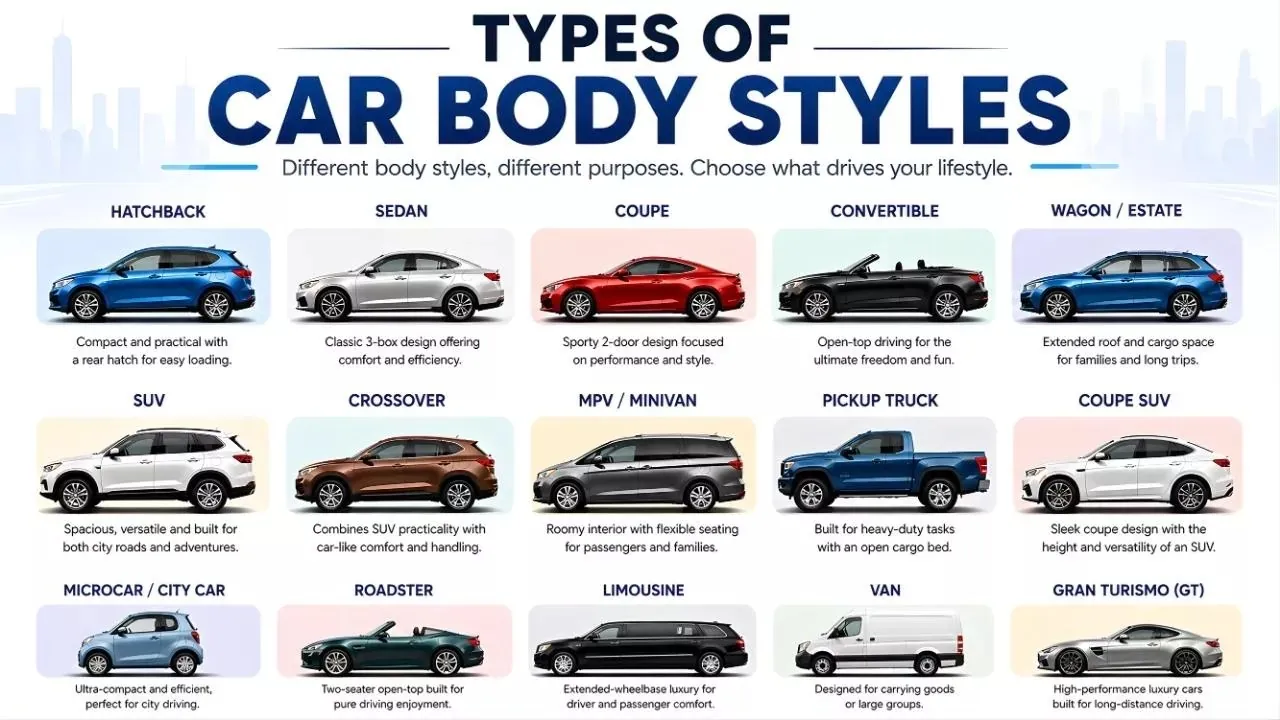
A saloon provides a structured, balanced shape that prioritizes passenger comfort over raw cargo flexibility. Because the trunk is sealed off from the cabin, these vehicles offer better noise insulation and improved security for stored items.
The design separates the engine, the occupants, and the cargo into three distinct volumes. You gain a secure, enclosed trunk that’s separate from the passenger compartment. Most models include four doors for easier access to both front and rear seats.
The roofline is fixed and usually extends toward the rear of the car. Rear passengers sit in a dedicated row, which typically offers more legroom than a coupe. The chassis is built for stability, making it a popular choice for long-distance driving.
If you frequently transport bulky items like bicycles or large appliances, the saloon’s narrow trunk aperture will frustrate you. In these cases, a hatchback or estate is the superior choice. However, if you prioritize cabin silence and climate control efficiency, the sealed trunk acts as a thermal barrier that keeps the interior temperature stable. Always check the rear seat folding mechanism; if the seats don’t drop, you’re limited to the specific cubic footage of the trunk alone.
Why this design remains popular
The primary reason for the enduring success of this body style is the physical separation between the cabin and the trunk. By isolating the cargo area, manufacturers can better manage cabin acoustics and climate control. The three-box configuration provides inherent structural rigidity. This stiffness helps engineers tune the suspension for a smoother ride compared to vehicles with large, open rear hatches.
If you value a quiet cabin, the saloon is the superior choice because the trunk acts as a physical buffer against road noise generated by the rear tires. The enclosed space also keeps odors and dust from your luggage out of the seating area. For those who carry passengers frequently, the fixed roofline ensures that rear-seat headroom remains consistent across the entire bench.
Most buyers mistake the trunk’s depth for total capacity, but the aperture size is the real constraint. If you can’t fit a box through a 20-inch opening, the total cubic footage of the trunk becomes irrelevant. You should measure your most common bulky item before committing to this layout. If the item exceeds 30 inches in height, you’ll likely struggle with the limited hinge clearance.
This design comes with a clear trade-off regarding cargo versatility. Because the rear opening is limited to the trunk lid, you can’t easily load tall or bulky items like a bicycle or a large appliance.
If you need to move oversized objects, you’ll find a hatchback or an estate car much more practical. Use a saloon if your cargo is limited to suitcases and grocery bags. If your lifestyle involves home improvement projects or bulky hobby equipment, choose a hatchback instead.
Variations of the standard saloon
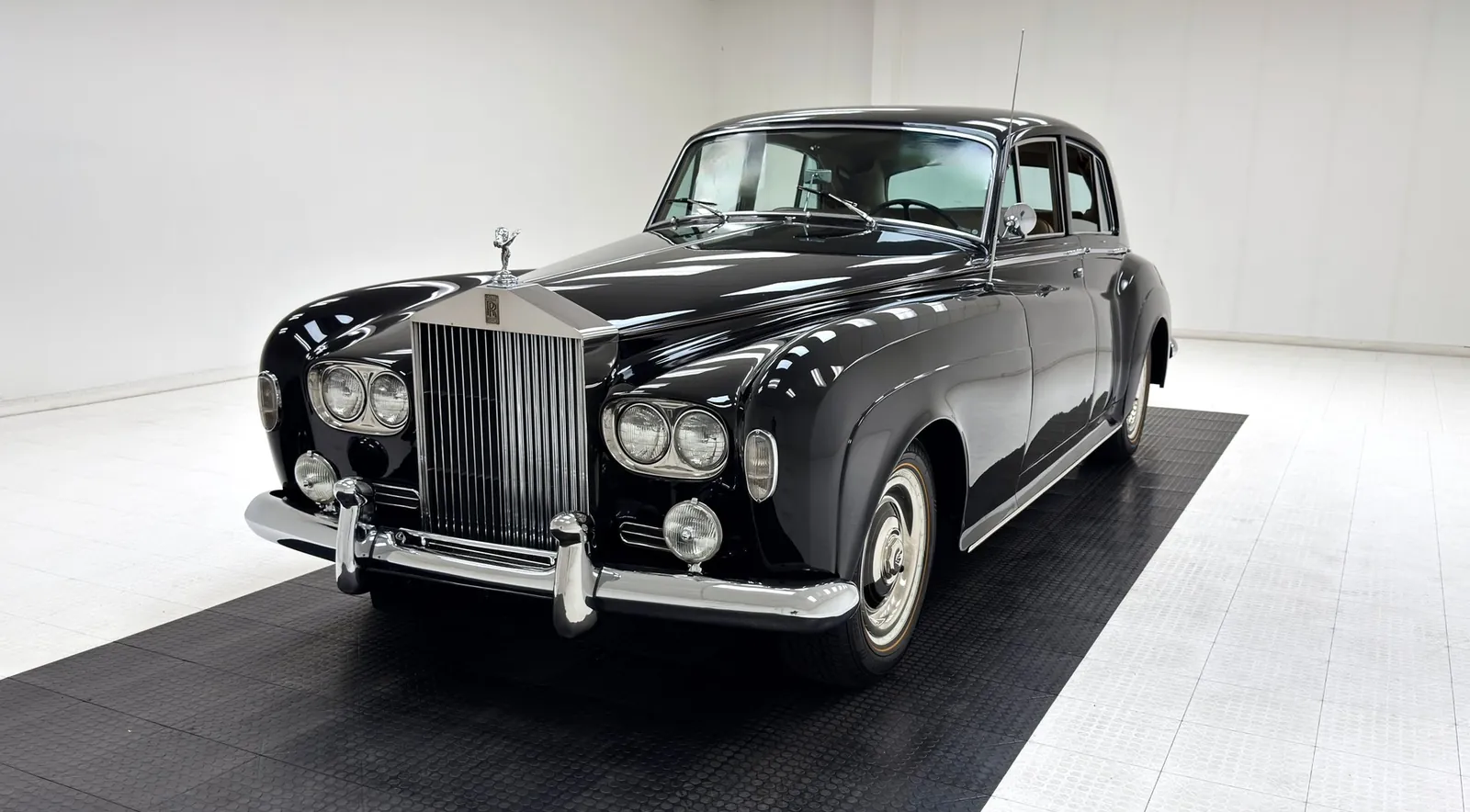
While the three-box shape is standard, some manufacturers adjust the profile to improve aerodynamics or style. These variations shift the vehicle’s center of gravity and utility in ways that a standard saloon can’t match.
If you prioritize aesthetics over rear headroom, look for a coupe-style saloon. These models feature a sloping roofline that cuts into the cabin space, often reducing vertical clearance for back-seat passengers by three inches or more.
When your primary goal is utility, don’t force a saloon to perform tasks it wasn’t designed for. If you frequently transport oversized items, you’ll find that the narrow trunk opening of a saloon limits you to objects under 40 inches in width. In this case, an estate or wagon provides a flat load floor that’s far more practical.
If you find yourself choosing between a long-wheelbase trim and a standard model, prioritize the long-wheelbase only if you regularly carry adult passengers. The added six inches of legroom adds significant weight, which increases fuel consumption during city driving.
How to identify the classic saloon body style
To confirm if a vehicle is a true saloon, you must inspect the rear structure and the access point to the cargo area. A saloon always requires you to lift a trunk lid that’s separate from the rear window glass.
Walk to the rear of the car and look at the back window. If the glass stays in place when you open the trunk, it’s a saloon. If the glass lifts with the lid, you’re looking at a hatchback or liftback.
Open the trunk lid to verify that the storage area is completely walled off from the passenger cabin. A true saloon lacks a fold-down rear hatch, meaning you can’t reach the trunk from the back seat without a specific pass-through door.
Check the side of the vehicle for two distinct doors on each side. While some luxury models offer two-door variants, the industry standard for a functional saloon remains four doors.
Look for a permanent, metal roof structure that connects the front windshield to the rear deck. If the roofline curves sharply downward into the trunk, it’s a fastback. A saloon maintains a distinct “three-box” silhouette where the engine, cabin, and cargo areas are clearly separated.
Measure the depth of the trunk. A true saloon offers a deep, narrow space rather than a wide, open bay. If you can fit a bicycle inside by folding the seats, the design likely prioritizes utility over the traditional saloon configuration.
Common mistakes when choosing a body style
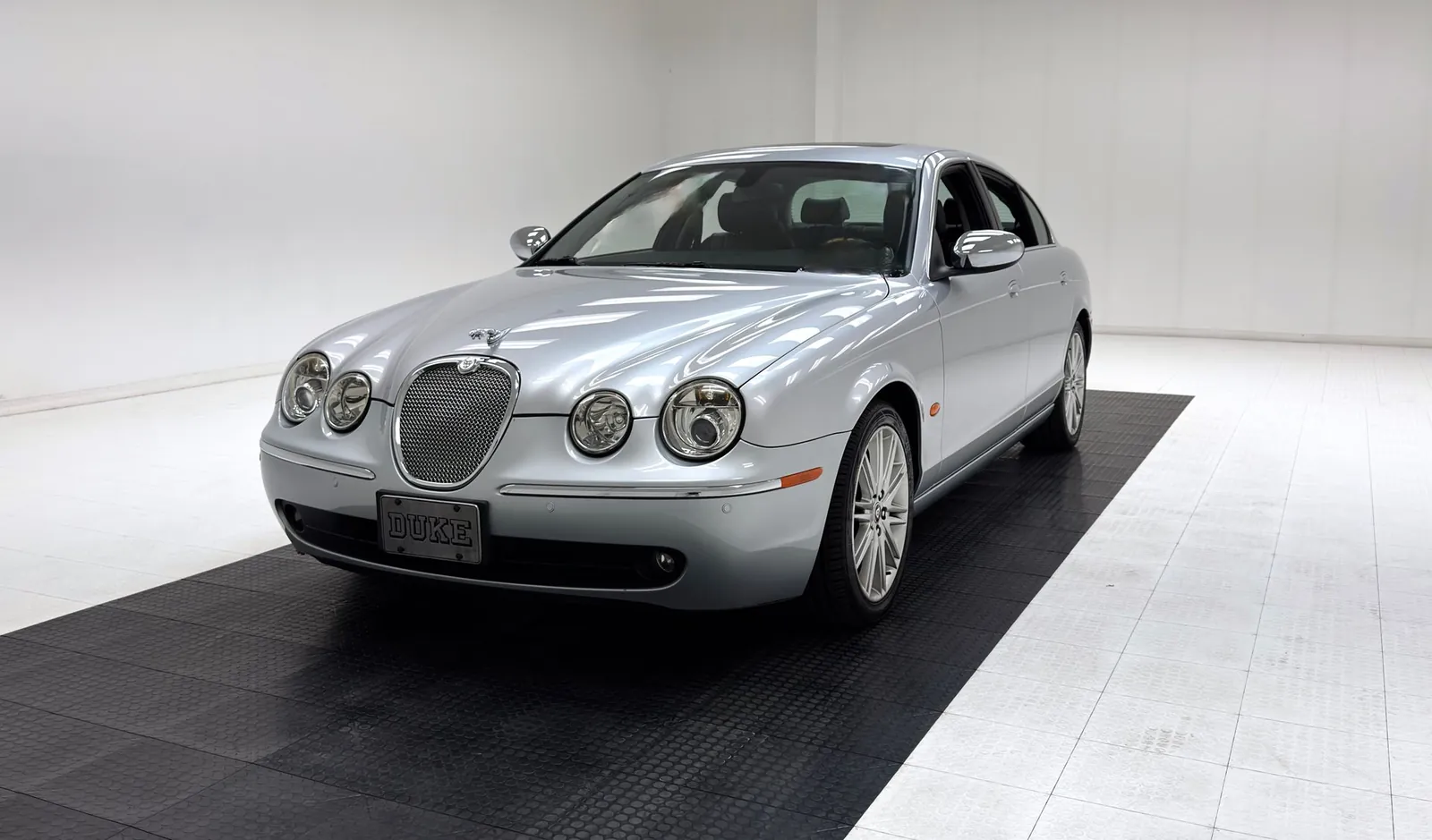
Many buyers confuse a saloon with a hatchback because they see four doors and assume the utility is the same. If you buy a saloon expecting to fit a large television box, you’ll likely be disappointed when the trunk opening proves too narrow. Another error is ignoring the rear visibility; some modern sporty saloons have thick pillars that make parking harder for new drivers. Always test the trunk opening with your largest items before you commit to the purchase.
Related guides
- Fixed vs Handheld Shower Head: Choosing the Right Style in 2026
- 5 Best Bath and Body Car Scents for a Fresh Vehicle Interior in 2026
Frequently Asked Questions
Does a saloon have to have four doors?
A saloon is traditionally defined by its three-box shape rather than a specific door count. While the vast majority of modern models have four doors, some classic designs featured only two doors while still maintaining the separate, enclosed trunk and distinct cabin structure.
Is a saloon the same as a sedan?
The terms are interchangeable, though they depend on your location. A saloon is the standard term used in the United Kingdom and many other regions, while a sedan is the preferred name for the exact same body style in the United States.
How much cargo space does a saloon offer?
The cargo capacity typically ranges from 350 to 500 liters, though this depends entirely on the specific model and its overall length. You should check the manufacturer’s technical specifications for your specific year and trim level to get the exact volume measurement for your needs.
Can you fold the seats down in a saloon?
Most modern saloons allow you to fold the rear seats to access the trunk, but the opening remains restricted by the frame. If you frequently carry long items like skis, this feature is very helpful, though it doesn’t provide the same vertical clearance as a hatchback.
Why is the trunk of a saloon safer?
The trunk is safer because it’s a fully enclosed, lockable metal box that’s separate from the passenger area. This design prevents thieves from seeing your valuables through the rear window and provides a physical barrier that protects occupants from loose cargo during a sudden stop.
Is a saloon better for long trips?
A saloon is often better for long trips because the separate trunk isolates road noise, making the cabin quieter for passengers. The fixed rear structure also provides a more stable chassis, which generally leads to a smoother ride on highways and open roads compared to more flexible body styles.
Conclusion
Whether you prefer a compact model for city driving or a larger vehicle for long road trips, there’s a perfect option waiting for you. You shouldn’t hesitate to visit a local dealership this weekend to test drive a few different styles. It’s the best way to see how they feel on the road.
