
Upgrading your bathroom fixtures is a cost-effective home improvement project that can significantly enhance your daily routine. When you begin shopping for new hardware, you’ll inevitably compare a fixed vs handheld shower head to determine which style best suits your plumbing configuration and personal preferences. Expect to spend between $25 and $450 depending on the material quality, spray patterns, and integrated water-saving technology, with installation labor adding an additional $100 to $300 if you hire a professional plumber.
Key Takeaways

- Fixed units provide a consistent, hands-free experience ideal for standard shower stalls.
- Handheld models offer superior versatility for cleaning the shower, bathing pets, or assisting children and elderly individuals.
- Check your current shower arm height and pipe threading before purchasing to ensure compatibility with standard connections.
- Dual-system kits allow you to enjoy the benefits of both styles simultaneously through a diverter valve.
- Always verify that your chosen product meets federal water conservation standards to ensure optimal flow rates and efficiency in your home.
Understanding the Fixed Shower Head
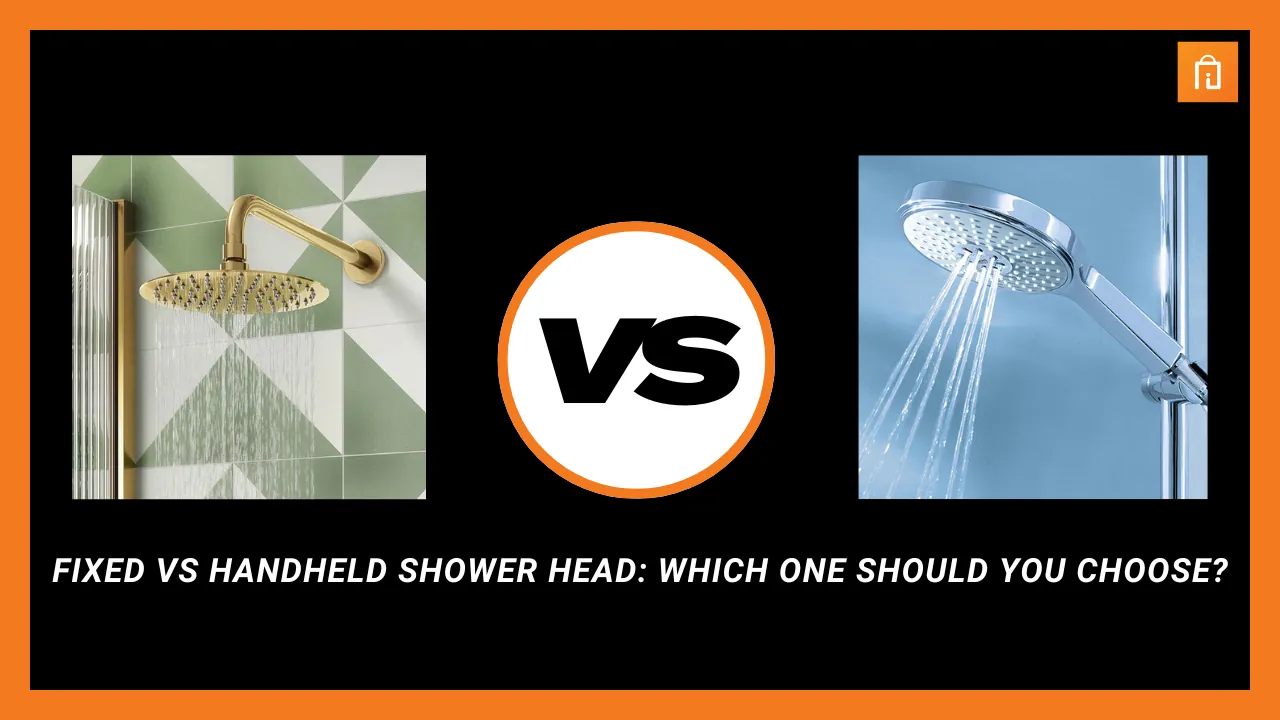
A fixed shower head is permanently mounted to the shower arm protruding from your wall or ceiling. These fixtures are favored for their minimalist aesthetic and streamlined look. Because they don’t require a flexible hose, they’re often more durable and less prone to mechanical failure. They’re the standard choice for small bathrooms where space is at a premium, as they remain tucked away against the wall.
Benefits of Stationary Units
Stationary fixtures often provide a wider, more consistent coverage area, especially in the case of “rain” style heads that mimic a natural downpour. Since the unit remains in one position, the water pressure is generally more stable and powerful compared to handheld units that rely on flexible tubing.
- Consistent pressure flow throughout the entire shower session.
- Minimalist design that complements modern bathroom architecture.
- Lower maintenance requirements due to fewer moving parts.
- Space-saving profile for compact shower enclosures.
Why Choose a Handheld Shower Head?
The primary advantage of a handheld unit is its adjustable reach. By detaching the shower head from its cradle, you can direct the water exactly where it’s needed most. This is particularly useful for rinsing off soap in hard-to-reach areas, cleaning the corners of your shower walls, or filling a bucket. For households with pets or young children, the ability to move the water source is a game-changer that simplifies daily tasks.
Utility and Accessibility
Beyond simple cleaning, these units are essential for accessibility. People with limited mobility often find it easier to sit on a shower bench and use a handheld sprayer rather than standing directly under a fixed stream.
- Targeted rinsing for localized muscle tension or soap removal.
- Pet grooming made simple with flexible hose reach.
- Easy cleaning of tub surfaces and tile grout.
- Assisted bathing for children or family members with mobility issues.
Direct Comparison of Shower Options
Choosing the right fixture requires balancing your specific needs against the constraints of your existing bathroom setup. The following table outlines the key differences in functionality and installation requirements between these two primary categories of bathroom hardware.
| Feature | Fixed Shower Head | Handheld Shower Head |
|---|---|---|
| Flexibility | Stationary only | High; hose-based movement |
| Installation | Simple; screws onto arm | Moderate; requires cradle mount |
| Cleaning | Harder to reach corners | Excellent for rinsing walls |
| Durability | High; fewer moving parts | Moderate; hose can wear out |
| Primary Use | Daily showering | Bathing, cleaning, pets |
Are Dual Shower Systems Worth It?
If you can’t decide between the two, a dual shower system might be the ideal compromise. These units consist of a fixed head and a handheld unit connected by a single diverter valve. You can use them individually or simultaneously, depending on the setting. While they’re more expensive and require a slightly more complex installation, they provide the ultimate bathing experience by combining the luxury of a rain shower with the utility of a sprayer.
Installation Considerations
Installing a dual system often requires replacing the existing shower arm with a longer, reinforced version to support the additional weight of two heads. You must also ensure that your plumbing system can handle the increased water demand if you plan to run both heads at once, as this can lead to a noticeable drop in pressure if your home’s water supply is limited.
Essential Installation Steps
Whether you’re installing a fixed or handheld unit, the process is largely uniform for most residential bathrooms. You’ll generally need an adjustable wrench, plumber’s tape, and a clean rag to protect the finish of your new hardware.
- Remove the old head by turning it counter-clockwise with your wrench.
- Clean the shower arm threads to remove old tape or mineral buildup.
- Apply plumber’s tape in a clockwise direction around the threads to prevent leaks.
- Attach the new unit by hand-tightening it first, then securing it with a quarter-turn using your wrench.
- Test for leaks by turning on the water and tightening further if necessary.
Pro Tip: Use a soft cloth between your wrench and the shower fixture to prevent scratching the chrome or brushed nickel finish during the final tightening phase.
Troubleshooting Common Shower Issues
Even the highest quality shower heads can experience performance drops over time. Most issues are related to mineral buildup from hard water, which can clog the nozzles and restrict flow.
Addressing Low Water Pressure
If you notice your shower pressure decreasing, the first step is to inspect the flow restrictor. Most modern shower heads include a small plastic insert designed to limit water usage. If your home already has low pressure, this insert may be causing the flow to feel inadequate.
- Mineral deposits: Soak the head in a mixture of white vinegar and water.
- Clogged nozzles: Use a needle to poke through individual rubber spray holes.
- Flow restrictor: Remove or replace the restrictor if you aren’t meeting local flow codes.
- Hose kinks: Ensure the flexible hose on your handheld model isn’t twisted.
Comparing Popular Brands and Models
When shopping, you’ll encounter a variety of reputable manufacturers that offer both fixed and handheld configurations. Selecting a well-known brand ensures that you can find replacement parts like hoses, washers, or mounting brackets years down the line.
| Brand | Known For | Common Price Range |
|---|---|---|
| Moen | Reliability and easy installation | $60 – $300 |
| Delta | Innovative spray patterns | $50 – $400 |
| Kohler | High-end design and finish | $80 – $450 |
| Waterpik | Specialized massage spray settings | $30 – $150 |
Warning: Avoid purchasing “no-name” brands from online marketplaces that don’t list a physical address or clear warranty information, as these products often use low-quality plastic internals that can leak after only a few months of use.
Design and Finish Options
The aesthetic of your bathroom is just as important as the functionality. Most manufacturers offer their shower heads in a variety of finishes to match your existing faucets and towel racks.
- Chrome: The most common and affordable finish; highly reflective and easy to clean.
- Brushed Nickel: A warm, muted metallic finish that hides water spots well.
- Matte Black: A modern, bold choice that creates a sharp contrast in white or gray bathrooms.
- Oil-Rubbed Bronze: Ideal for traditional or rustic bathroom designs with a dark, textured look.
Measuring for Your New Shower
Before purchasing, measure the height of your existing shower arm. If you’re tall, you may want to invest in an extension arm for a fixed head, which adds six to twelve inches of height. For handheld units, consider the length of the hose. Standard hoses are usually 60 inches, but 72-inch or even 84-inch options are available for those who need extra length to reach the back of a large walk-in shower or to sit comfortably on a stool.
Evaluating Spray Patterns
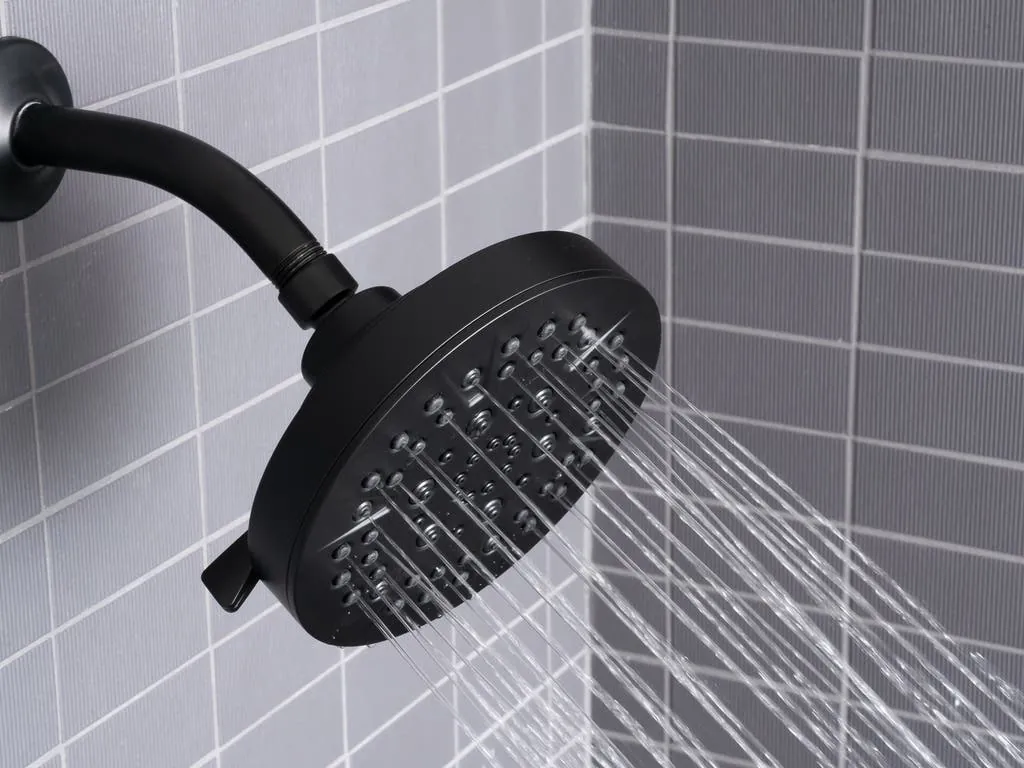
Modern shower heads aren’t just simple water dispensers; they offer a variety of spray settings to suit different moods and needs.
- Full Coverage: A standard, balanced spray that feels like a traditional shower.
- Massage: A concentrated, pulsing stream designed to relieve muscle tension.
- Mist: A gentle, fine spray often used for relaxation or sensitive skin.
- Eco-Flow: A reduced-volume setting that helps conserve water without sacrificing too much pressure.
Related guides
- Best Adhesive for Shower Corner Shelf in 2026
- 10 Best Manual Pool Vacuum Heads for Efficient Cleaning in 2026
- 10 Best Sprinkler Heads for Dirty Water: Reliable Picks in 2026
Frequently Asked Questions
Can I install a handheld shower head myself?
Yes, most homeowners can install a handheld shower head in under twenty minutes using basic hand tools. The process involves unscrewing the old head, cleaning the shower arm threads, applying plumber’s tape, and attaching the new mount and hose. No specialized plumbing skills are required, provided the existing pipe threads are standard and not corroded.
Does a handheld shower head have less pressure?
Generally, no. While some people perceive a drop in pressure due to the flexible hose, modern units are designed to maintain consistent flow. If you experience low pressure, it’s usually due to a clogged flow restrictor or mineral buildup within the head itself, rather than the design of the hose. Regular cleaning and maintenance will keep your pressure optimal.
How often should I clean my shower head?
You should aim to clean your shower head every three to six months, or whenever you notice a decline in spray performance. If you live in an area with hard water, you may need to clean it more frequently to prevent calcium and magnesium deposits from clogging the nozzles. A simple soak in white vinegar overnight is typically sufficient to restore full flow.
Which is better for cleaning the shower?
A handheld shower head is significantly better for cleaning the shower enclosure. The ability to detach the head and direct the water stream allows you to rinse cleaning products off walls, corners, and the floor with ease. This eliminates the need for buckets or cups to rinse hard-to-reach areas, making your weekly cleaning routine much faster and more efficient.
Do I need to replace the shower arm?
In most cases, no. Most shower heads are designed to fit onto the universal half-inch threaded pipe that protrudes from the wall. You only need to replace the shower arm if it’s damaged, leaking, or if you specifically want to change the height or angle of your shower setup to accommodate a new type of fixture or a taller user.
Conclusion
Selecting the right shower hardware depends on your specific lifestyle needs and your bathroom layout. Whether you prefer the minimalist, consistent performance of a fixed unit or the versatile, multi-purpose utility of a handheld model, prioritize quality materials and easy maintenance. Start your search by checking the dimensions of your current shower arm to ensure a seamless and stress-free installation process.