
The most important things to consider when choosing an oven are the internal capacity, the power source, and the cleaning method. You need a model that fits your specific kitchen space and cooking habits, as these three factors determine both your daily efficiency and the long-term cost of maintaining the unit.
You’ll find that these choices shift depending on your home’s existing utility connections and your typical meal size. While some users prioritize advanced digital controls or smart connectivity, others find that basic, high-quality heating elements offer better reliability. This guide focuses on the standard, essential features that apply to most modern residential ovens.
Key features to look for in your oven
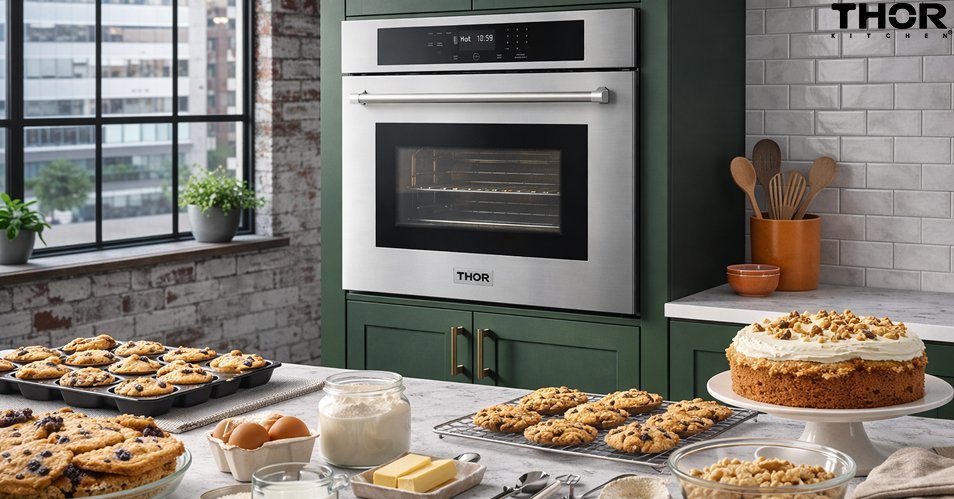
Selecting an oven starts with identifying the user’s primary cooking style. A person who bakes large batches of bread or roasts whole turkeys needs a spacious interior with racks that can handle heavy weight without warping. Conversely, someone who mostly uses an oven for reheating or quick weeknight meals might prefer a smaller unit that heats up faster and uses less electricity.
We assume for this guide that you’re looking for a standard built-in or freestanding residential oven. If you live in a rented apartment or a home with limited counter space, your options are restricted by the existing cabinet dimensions. Those who prioritize energy efficiency should look for labels from Energy Star to verify that the unit meets specific performance standards for energy consumption. This is a primary concern for long-term budget management, as an inefficient oven can significantly increase your monthly utility bills.
Essential Performance Factors
The three main factors that change your cooking results are the heating mechanism, the interior coating, and the ventilation system. These components dictate how evenly your food cooks and how much effort you spend cleaning up after.
- Heating Source: Gas ovens provide moist heat, which some bakers prefer, while electric ovens offer more consistent, dry heat for crisping. If you have both gas and electric lines, choose based on whether you prefer the responsiveness of a flame or the steady temperature of a coil.
- Cleaning Method: Self-cleaning ovens use high temperatures to burn off residue, but they produce smoke and require the room to be well-ventilated. Steam-cleaning models are gentler and faster but only handle light, recent spills.
- Convection Fans: A convection feature uses a fan to circulate air, which reduces cooking time by roughly 25% for most dishes. If you don’t have this, you must rotate your pans halfway through the cooking time to avoid uneven browning.
- Rack Configuration: Check for at least five rack positions. This gives you the flexibility to cook multiple trays at once or accommodate very tall items like a large roasting pan.
Most people make the mistake of focusing on aesthetic features like touchscreens or exterior finishes while ignoring the internal rack quality. A flimsy rack that slides out unevenly is a daily frustration that costs you time and increases the risk of spills.
Steps for Selecting Your Model
- Measure your cutout space exactly in inches. Include height, width, and depth to ensure the new unit fits snugly without blocking nearby drawers.
- Check your power supply. Confirm if you have a 240-volt outlet for electric models or a gas line located within the required distance for a gas unit.
- Test the door hinge mechanism. It should hold the door open at any angle without snapping shut, which indicates a well-built, safe hinge.
- Verify the interior dimensions. Take your largest baking sheet to the store and see if it slides in easily with at least one inch of clearance on all sides for air circulation.
- Check the control panel interface. Ensure the buttons are easy to read and the display is bright enough for your kitchen’s lighting conditions.
- Look for a “hidden” heating element at the bottom. This makes wiping up spills much easier than cleaning around exposed coils.
- Verify the total weight. If you’re installing this yourself, ensure your cabinet or floor structure can support the weight listed in the manufacturer’s installation guide.
Proper installation is the single most important step. If you don’t have experience with gas lines or high-voltage electrical work, hire a licensed professional to perform the final connection to avoid safety hazards.
Comparison of Common Oven Types
| Oven Type | Best For | Main Advantage | Watch For |
|---|---|---|---|
| Gas Range | Stovetop cooking | Immediate heat control | Requires ventilation |
| Electric Coil | Budget cooking | Low upfront cost | Slow to cool |
| Induction | Fast heating | Safety and speed | Special cookware needed |
| Convection | Baking evenly | Faster cook times | Fan noise levels |
| Steam Clean | Light maintenance | Energy efficiency | Manual scrubbing needed |
Gas ranges provide visual flame cues, allowing you to gauge heat intensity instantly. However, they release moisture and combustion byproducts, so you must use a hood vent to prevent poor indoor air quality. If you cook daily, ensure your vent fan pulls at least 300 CFM to clear pollutants.
Electric coils are the most affordable entry point, often costing 40% less than glass-top alternatives. The primary mistake users make is leaving pots on the element after turning it off. Because coils retain heat for ten minutes or more, your food will continue cooking and potentially burn if left in place.
Induction works through electromagnetism. If a magnet doesn’t stick to the bottom of your pan, the stove won’t activate. Check your cookware before upgrading; if it’s aluminum or copper, you’ll need to invest in iron or stainless steel replacements.
Convection ovens use a fan to circulate air. This reduces cook times by roughly 25% compared to standard thermal ovens. Use this setting for roasting meats or baking multiple trays of cookies at once.
Steam cleaning is designed for minor spills. If you have heavy, baked-on grease, this cycle will fail to remove the debris. In those cases, you must rely on a traditional high-heat pyrolytic self-clean cycle to incinerate the residue.
Quality Differences in Daily Use
Interior Construction
Experienced home cooks prioritize the quality of the oven cavity coating. A high-quality porcelain enamel finish resists staining and scratching better than cheaper alternatives. When you look inside, feel the walls for smoothness; rough surfaces are prone to collecting grease that becomes impossible to remove over time. If you see a unit with an exposed heating element, remember that you must clean underneath it frequently to prevent smoke during future use.
Control Reliability
The interface you choose affects your daily experience more than any other feature. Mechanical knobs are often more durable and easier to operate with wet or messy hands than flat, digital touch panels. If you prefer digital, look for a model with tactile feedback or a large, clear screen that doesn’t require you to press the same button multiple times to register a command.
Troubleshooting Common Issues
| What you notice | What it usually means | What to do first | How to stop it |
|---|---|---|---|
| Uneven baking | Uneven heat flow | Check rack placement | Use convection mode |
| Smoke during use | Food residue | Clean the interior | Wipe spills immediately |
| Slow heating | Element failure | Test with thermometer | Clean vents regularly |
| Door won’t seal | Worn gasket | Inspect rubber seal | Replace the gasket |
| Fan noise | Debris in fan | Turn off power | Keep area clear |
If your oven bakes unevenly, verify that your racks aren’t blocking the primary airflow vents. A common mistake is placing large baking sheets on the bottom rack, which traps heat. If the center remains raw while the edges burn, move your tray to the middle position.
Smoke often signals a buildup of carbonized grease. If you see smoke within five minutes of preheating, the issue is likely a spill on the heating element itself. You must perform a deep clean immediately, as repeated burning can damage the element’s protective coating.
When heating is sluggish, place an oven-safe thermometer inside to verify the actual temperature. If the internal reading is off by more than 25 degrees, the thermostat sensor may be failing.
For door seals, perform the paper test. Close the door on a strip of paper; if it slides out with zero resistance, your gasket is compromised. Replace the gasket regularly to maintain efficiency.
Finally, if the fan makes a grinding noise, check for loose debris. If the noise persists after clearing the area, the motor bearings are likely worn. Don’t ignore this, as a seized fan can cause the internal electronics to overheat and fail.
Regulatory and Safety Standards
Safety in an oven is governed by specific standards set by organizations like Underwriters Laboratories (UL). You should look for the UL or equivalent certification label on the inside of the door frame. This mark confirms that the unit has been tested for electrical safety and fire resistance.
Check the label for a specific file number. You can type this number into the UL online database to verify the certification is current. If the label is missing or illegible, the unit may not meet modern safety codes.
Never attempt to modify the ventilation or electrical wiring of an oven yourself. Internal components can hold a residual electrical charge even when the unit is unplugged. This makes internal repairs a task for trained technicians only.
If your oven shows signs of frayed wires or sparking, turn off the power at the main breaker box immediately. Don’t rely on the oven’s control panel to cut the circuit. Contact a certified appliance repair service to perform a continuity test.
The biggest mistake owners make is ignoring a burning plastic smell. This often indicates a failing heating element or a compromised wire harness. If you smell ozone, stop using the unit until a professional inspects the internal components. Ignoring this warning can lead to a chimney fire within the wall cavity.
Evaluating the Real Cost
The true cost of an oven goes beyond the sticker price. You must account for the installation fees, potential electrical or gas line upgrades, and the long-term energy consumption. A cheaper model that lacks insulation may cost more in electricity over five years than a premium model that retains heat efficiently.
Compare the total cost of ownership by looking at the manufacturer’s energy guide label. This document provides an estimate of how much the oven will cost to run annually based on average usage. If the price difference between two models is small, choose the one with the better insulation or a more reliable warranty, as this usually pays for itself in lower repair and energy costs. Always check the official manufacturer website for the most current warranty terms, as these change by region and model year.
Many buyers overlook the hidden cost of professional installation. If your kitchen requires a new 240-volt circuit for an electric range, expect to pay a professional a significant fee depending on your home’s wiring. Don’t assume your current outlet is compatible; a mismatch often forces a last-minute, expensive service call.
If you bake more than three times a week, prioritize thermal efficiency over aesthetic features. A model with double-pane glass and heavy-duty door seals prevents heat leakage that forces the heating element to cycle constantly. You can test this by checking for a “self-clean” rating; ovens built to withstand those high temperatures generally feature superior insulation. If you choose a budget model, you’ll likely pay that saved money back in utility bills over time.
Long-Term Maintenance
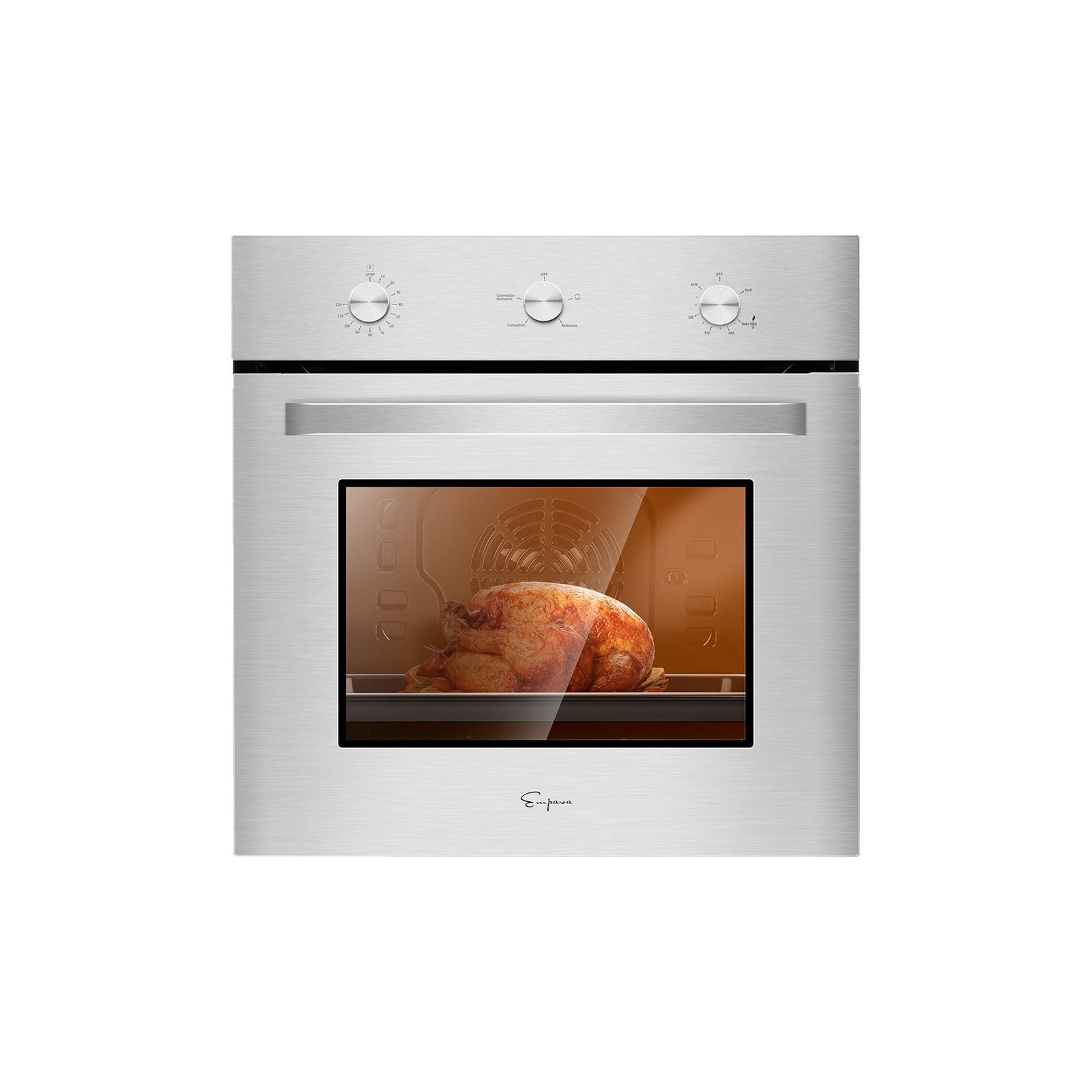
Keeping your oven running correctly requires consistent, light maintenance rather than occasional deep cleans. Wipe the interior with a damp cloth after every use once the unit has cooled down to prevent grease buildup. If you notice a burnt smell, check the bottom for spilled food that may have carbonized onto the base.
Check the door seal regularly by closing the door on a piece of paper; if you can pull the paper out with almost no resistance, the seal is likely failing and needs replacement. A loose seal allows heat to escape, which forces the oven to work harder and use more energy to reach your target temperature.
Many owners mistakenly wait for a complete failure before replacing these gaskets.
If the light inside burns out, consult your manual for the specific bulb type. Using a bulb with higher wattage than the socket rating can melt the protective housing or trigger a thermal fuse shutdown. Always ensure the unit is fully powered down before attempting this repair to avoid a short circuit.
When to Choose a Different Solution
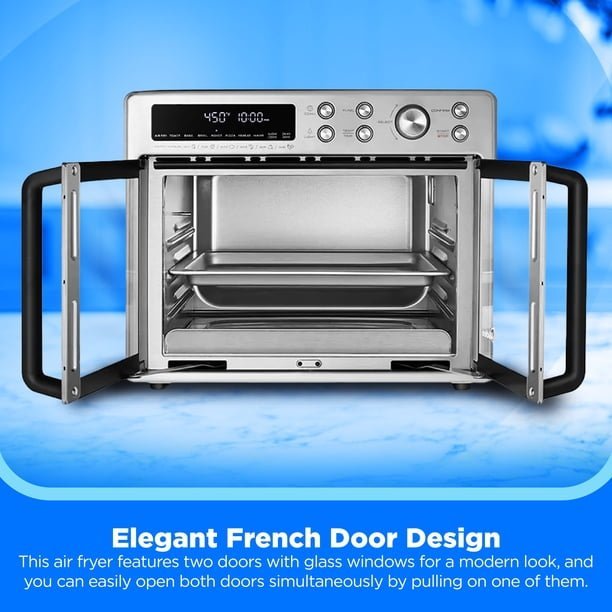
If you have a very small kitchen, a full-sized wall oven might be the wrong choice. In this case, a high-quality countertop convection oven can handle most roasting and baking tasks without the need for expensive structural changes to your cabinets.
Additionally, if you find that you only cook simple meals, a professional-grade range with six burners and a double oven is likely overkill. These units are heavy, expensive to install, and require significant ventilation upgrades. If you don’t have the space for proper ventilation, these units can cause indoor air quality issues. For these situations, a standard single-wall oven or a basic slide-in range is a more practical and safer investment.
Can I install a gas oven myself?
No, you shouldn’t install a gas oven yourself. Gas connections require precise sealing to prevent leaks, which can lead to fires or carbon monoxide poisoning. Always hire a licensed professional who is qualified to handle gas plumbing to ensure the installation meets all local building codes and safety regulations.
How long should an oven last?
Most residential ovens last for many years with regular use and maintenance. This lifespan assumes you keep the interior clean, avoid using harsh abrasive cleaners that damage the enamel, and address any small issues like worn door seals or burnt-out bulbs as soon as they appear.
Does the oven power source change my cooking?
Yes, gas ovens provide a moister heat that’s excellent for roasting meats, while electric ovens provide a drier heat that’s generally better for baking cookies and cakes. You can achieve good results in either, but you may need to adjust your cooking times or temperatures slightly based on your specific unit.
Is a self-cleaning feature worth it?
It depends on your preference for manual labor versus chemical use. A self-cleaning oven saves you from scrubbing, but the high heat can sometimes affect the electronic control boards over many years of use. If you prefer to avoid high-heat cleaning, look for a model with a steam-clean cycle or an easy-to-clean enamel finish.
What is the best oven rack material?
Standard chrome-plated steel racks are the most common and durable choice for daily cooking. If you do a lot of heavy roasting, look for racks with extra reinforcement bars, as these are less likely to sag under the weight of a large Dutch oven or a heavy roasting pan.
Does oven capacity matter for a small family?
Yes, it matters because larger ovens take longer to preheat and use more energy to maintain temperature. If you only cook for two or three people, a standard 30-inch oven is usually sufficient, and a massive professional-style unit might be less efficient for your daily needs.
Start by measuring your space and confirming your power connection to narrow down your choices to models that actually fit your home. Once you have a list of compatible units, compare their cleaning methods and rack configurations to find the one that best supports your cooking style. If you encounter any technical issues or concerns regarding the gas or electrical setup, contact a professional to avoid safety risks.
Related guides