
You can usually fix a washing machine agitator not working by checking for a broken drive coupler or a stripped agitator dog, both of which are common mechanical failures. If the motor runs but the center post doesn’t move, the issue is likely a mechanical disconnect between the motor and the agitator. You should first ensure the machine is unplugged before inspecting any part of the unit to prevent accidental activation.
Why your washing machine agitator stops working
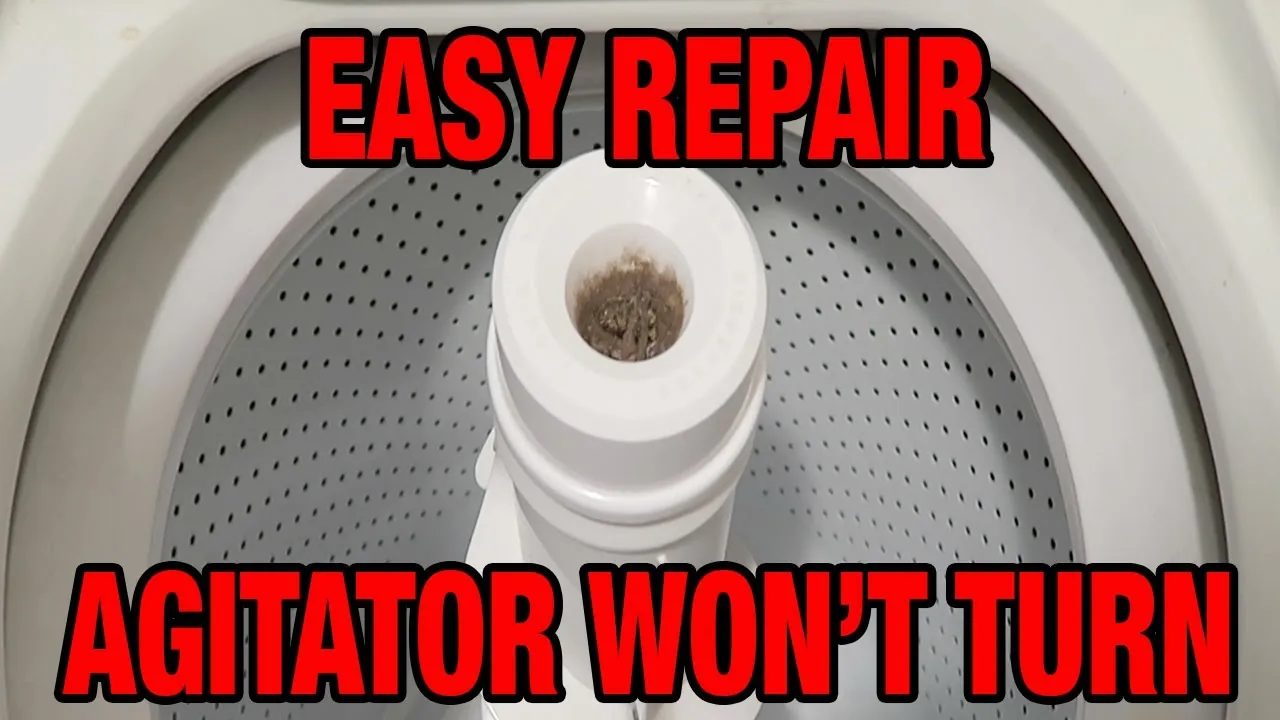
The most frequent cause for a silent or stationary agitator is a worn-out drive coupler. This part acts as a safety fuse between the motor and the transmission; if the washer is overloaded, the coupler breaks to prevent the motor from burning out. When this happens, you’ll hear the motor hum, but the transmission won’t receive the power needed to rotate the agitator.
Another common culprit involves the agitator dogs, which are small plastic teeth inside the top section of the agitator. These parts allow the top half of the agitator to grip the shaft during the wash cycle.
Over time, these plastic teeth wear down or snap off, causing the top portion to spin freely without actually moving the laundry. You can often tell if this is the problem by trying to turn the top of the agitator by hand; if it spins easily in both directions without resistance, the dogs are likely stripped.
Finally, check if the drive belt has slipped or snapped. The belt connects the motor to the transmission and can stretch over years of use. If the belt is loose, it can’t transfer the necessary torque to the agitator. You can find specific safety and maintenance guidelines on the Consumer Product Safety Commission website if you’re concerned about whether your specific model has a known mechanical recall or safety hazard.
Safety: Inside a mains-powered machine, the parts behind the outer cover can hold a dangerous electrical charge even after it has been unplugged — that’s why they sit behind a cover. Opening the housing, or testing or replacing anything behind it, is a job for a qualified technician, never a home repair.
Check the drive belt tension
If your machine hums but the agitator remains still, check the drive belt. This component transfers power from the motor to the transmission. When the belt loses tension, the motor spins freely while the agitator stays idle.
Look for rubber shavings on the floor or a distinct burnt-rubber odor near the base. These are definitive signs of slippage.
A common mistake is tightening a worn belt instead of replacing it. A stretched belt will fail again within weeks, potentially straining the motor bearings. If the belt shows cracks or fraying, discard it immediately.
If the belt is firm and intact, the issue likely resides in the transmission. If the transmission shaft doesn’t turn by hand while the belt is removed, the internal gears have likely stripped. This is a terminal failure for most modern units.
If you find the belt is in good shape, don’t attempt to disassemble the internal transmission. These housings are often sealed at the factory and require specialized hydraulic presses to open. Trying to force them apart usually ruins the mounting brackets, turning a manageable repair into a total loss.
If the belt is tight but the machine still fails to agitate, the cost of professional repair often exceeds the current market value of the machine. In that case, prioritize a replacement over a service call.
Inspect the agitator dogs
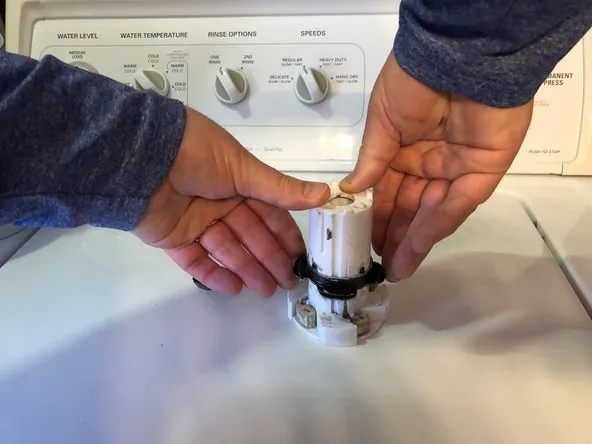
If the agitator moves slightly but seems to “slip” while washing, the agitator dogs are the most likely point of failure. These small plastic pieces are designed as a consumable part. They take the force of the wash cycle so that more expensive metal components don’t break. If they’re worn, the agitator won’t grip the drive shaft effectively.
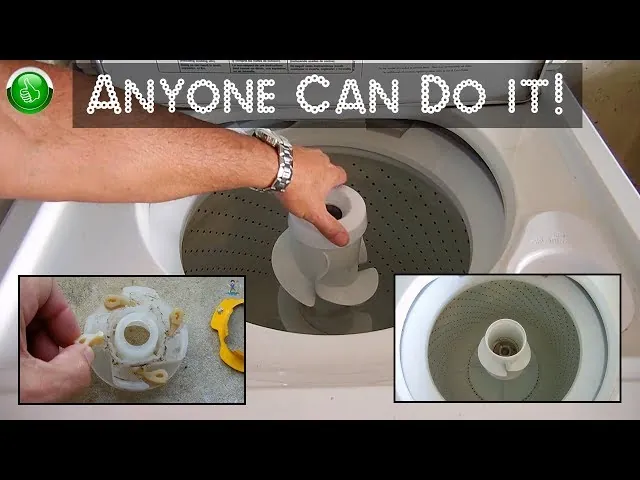
To check this, remove the fabric softener cap and the bolt at the top of the agitator. Once the cap is off, lift the upper agitator assembly to reveal the plastic dogs inside. If the teeth look rounded or broken, they must be replaced; replacing these inexpensive parts usually restores full agitation immediately.
If you find that the metal shaft itself is stripped or heavily rusted, however, you’ll need a professional to replace the transmission shaft or the entire agitator assembly. If the agitator clicks loudly but doesn’t rotate at all, the issue is likely the drive belt rather than the dogs. Use this rule: if the agitator spins freely by hand in one direction but refuses to engage under a load, the dogs are the culprit.
Replace the drive coupler
The drive coupler is a plastic and rubber piece that connects the motor to the transmission. If you have overloaded your machine frequently, the coupler will fail. It’s a protective measure; if the motor is forced to work too hard, the coupler breaks instead of the motor burning out. When this happens, the motor will run, but the agitator won’t turn at all.
You can verify the failure by checking for a burning rubber smell or small black plastic shards on the floor beneath the unit. If the motor hums but the drum remains stationary, the coupler is almost certainly sheared.
This fix is for those who are comfortable with basic mechanical repairs. You must access the motor assembly to reach the coupler. If you’re unsure about your ability to reach this part safely, stop immediately. A professional technician can replace the coupler in under an hour. If you do it yourself, ensure you purchase the exact part number for your specific washer model. Installing a generic coupler often leads to premature failure within weeks due to improper tolerances.
Common repair myths
Using extra detergent doesn’t fix a stationary agitator; it only creates excess suds that can damage the pressure switch or the pump. If you see suds lingering after a cycle, you have likely used twice the necessary amount.
Pushing or pulling the timer knob while the machine is running can break the switch mechanism. This mistake turns a simple mechanical hiccup into an expensive electrical replacement.
Never use a screwdriver to force the agitator off the shaft. This often cracks the plastic housing or bends the transmission drive shaft beyond repair. If the agitator is stuck, use a specialized agitator removal tool or a heavy-duty strap wrench to distribute pressure evenly.
If the machine trips the breaker, there’s a short or a seized motor. Resetting the breaker repeatedly creates a genuine fire hazard. If the breaker trips again within thirty seconds of a restart, stop immediately. You’re dealing with a motor failure, not a simple power surge, and further attempts will likely melt the internal wiring.
Prevent future agitator issues
You can keep your machine running longer by changing how you load your laundry. Overloading is the number one cause of agitator failure. If you’re doing this, stop and start using smaller, balanced loads to keep the transmission from straining.
Aim for a drum that’s only three-quarters full.
When washing heavy items like rugs or denim, run them as a single-item cycle. Mixing heavy fabrics with light shirts creates an uneven center of gravity during the spin cycle. This imbalance forces the agitator to compensate violently, leading to cracked plastic couplings.
If your machine shakes during the spin cycle, pause it immediately and redistribute the load. Ignoring the vibration will permanently warp the agitator shaft, turning a simple fix into a total machine failure.
Related guides
- Best Washing Machine Supply Line Kits: How to Choose and Install in 2026
- Best Toilet Flange Repair Kits: How to Fix Your Broken Seal in 2026
- Pipe Repair Clamp vs Tape vs Epoxy: Choosing the Right Fix in 2026
Frequently asked questions
Can I fix a washing machine agitator not working myself?
You can fix simple issues like agitator dogs or drive belts yourself using basic tools. These repairs are straightforward if you have a screwdriver and socket wrench. However, hire a professional for internal transmission or motor problems to avoid voiding your warranty.
How long does an agitator repair take?
Minor repairs like replacing agitator dogs or drive belts take 30 to 60 minutes with basic tools. Replacing a drive coupler may take longer as it requires accessing the motor assembly. Always unplug your machine before starting any work to ensure your safety.
Is it safe to use the washer if the agitator is broken?
It isn’t safe to use the machine if the agitator is broken because it can cause further damage to the motor or transmission. A broken agitator often indicates an underlying mechanical failure. Stop using the washer immediately if you hear grinding or smell burning.
Why does my agitator only turn in one direction?
If the agitator only moves in one direction, the agitator dogs are likely stripped. These teeth catch the shaft during the wash stroke and release it on the return stroke. Inspect the teeth under the agitator cover for signs of wear or missing pieces.
How do I know if the motor is the problem?
You can identify a motor problem if the machine remains silent or emits a burning smell when starting a cycle. A dead motor won’t hum or attempt to move the transmission. If the motor hums but nothing moves, the issue is likely the belt or coupler.
What happens if I ignore a broken agitator?
Ignoring a broken agitator will eventually cause a complete wash cycle failure and damage the motor. The transmission must work harder to force motion, creating excessive heat on internal components. It’s much cheaper to replace a small plastic part now than to replace the entire machine later.
Conclusion
If these simple checks don’t solve the problem, it’s time to consult your owner’s manual or a local appliance repair professional. They’ll have the right tools to diagnose more complex internal issues. Don’t hesitate to reach out for help if you’re unsure, as it’s better to be safe than sorry.
