
A standard walton dalton garage door is a type of sectional steel door widely used in residential properties across the United Kingdom. These doors are known for their vertical opening mechanism, which saves space compared to traditional swinging doors. You’ll find them installed in garages where the owner requires a durable, weather-resistant barrier that operates with minimal noise and effort.
Types of garage doors at a glance
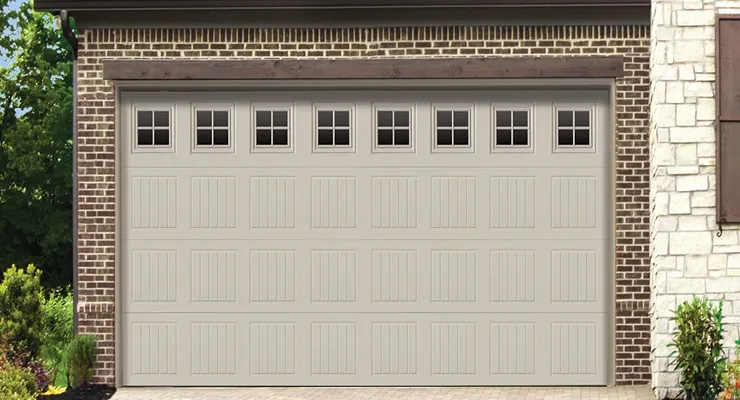
Most residential garages use one of the following door styles to manage security and access. The table below outlines the primary options available for homeowners looking to secure their vehicle storage space.
| Door Type | Best Used For | Concrete Example |
|---|---|---|
| Sectional Door | Tight driveways | Standard steel model |
| Up-and-Over | Standard garages | Canopy style steel door |
| Roller Shutter | Minimal headroom | Aluminium slat roller door |
| Side-Hinged | Frequent access | Traditional timber double door |
| Round-the-Corner | Wide openings | Sliding timber panel door |
Choose sectional doors if you have limited space in front of the garage, as they retract vertically to maximize clearance. Avoid roller shutters if you prioritize maximum security, as their thinner slats are easier to breach than the reinforced steel panels found on sectional models.
If you frequently access the garage on foot, side-hinged doors save you the wait of a motorized cycle. However, these require a clear swing radius of at least eight feet. If your garage floor is uneven, avoid roller shutters, as they rely on a perfectly level base to create a weather-tight seal.
Sectional steel garage doors
A sectional garage door consists of several horizontal panels that slide vertically into the ceiling space. This design is ideal for homeowners with short driveways because the door doesn’t swing outward. These doors offer excellent thermal insulation when foam cores are included, which helps keep the garage space warmer during winter months.
- Provides superior weather sealing against wind and rain entry.
- Allows full drive-through height since the panels store flat against the roof.
- Operates smoothly with rollers that run inside vertical and horizontal tracks.
- Features high security due to the multi-point locking systems often integrated.
If you have a garage with a low ceiling, you must check the required headroom, as these doors typically need at least 150mm of clearance. You can find the exact measurement requirements in the official product installation manual for sectional steel doors.
Up-and-over garage doors
An up-and-over door is a single-piece panel that swings outward and upward to rest parallel to the ceiling. This style is best for those who prefer a simple, reliable mechanism without the complexity of multiple panels. It remains a popular choice for older homes where the garage structure was built to standard dimensions in the mid-twentieth century.
- Offers quick and easy installation compared to multi-panel systems.
- Provides a simple manual opening motion that requires little maintenance.
- Includes a canopy or retractable gear system depending on the chosen track.
- Allows for easy replacement of existing doors with similar dimensions.
The main difference between this and a sectional door is the outward swing. You must ensure your vehicle is parked far enough back from the door to avoid a collision during the opening process. If you park within 1 meter of the door, an up-and-over model will likely hit your vehicle, making a sectional door a safer choice.
Roller shutter garage doors
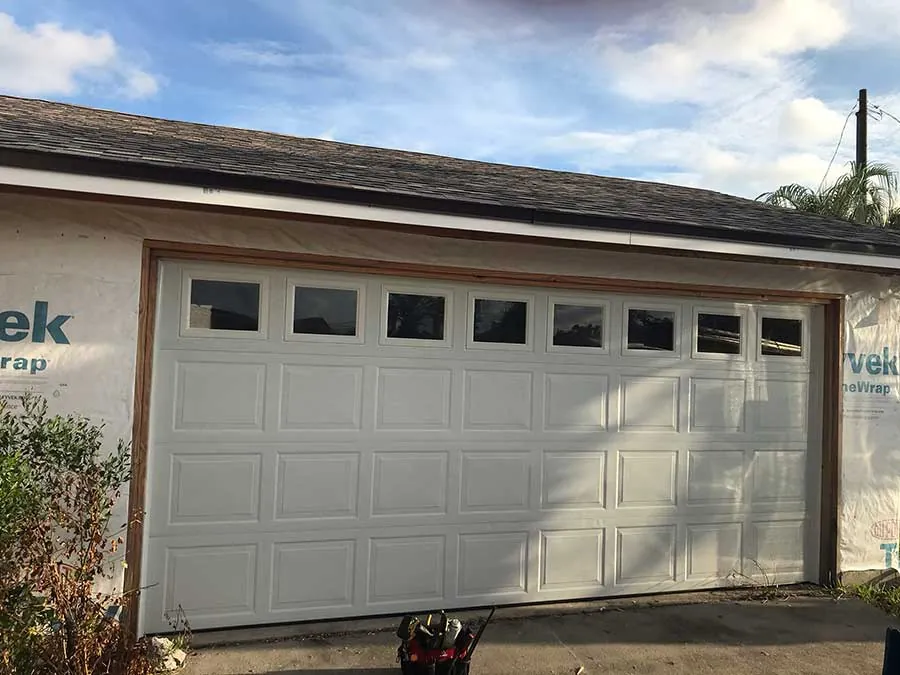
A roller shutter door consists of thin, individual slats that coil around a barrel mounted above the door opening. This model is perfect for garages with very limited internal ceiling space, as it requires no overhead tracks. It’s a common solution for homeowners who want to maximize storage space on the garage ceiling for items like ladders or bikes.
- Leaves the entire ceiling area free for overhead storage.
- Fits into almost any opening shape, including arched or non-standard frames.
- Includes an electric motor as standard for effortless remote operation.
- Offers high levels of security due to the compact, interlocking slat design.
This option has a distinct limitation regarding power, as most modern roller doors require a dedicated electrical outlet near the motor. If your garage lacks electricity, you must hire a qualified electrician to install a power supply before the door can be fitted. Attempting to wire a motorized door yourself can void the manufacturer’s warranty and poses a significant fire risk.
Side-hinged garage doors
Side-hinged doors function like a traditional house door, with two panels that open outward from the center. These are best for garages used as workshops or storage rooms where you need to enter frequently without opening the full width of the door. They provide a classic aesthetic that complements period properties and traditional home designs.
- Provides easy pedestrian access without operating the entire door system.
- Reduces mechanical wear as there are no overhead tracks or springs.
- Allows for custom widths and heights to fit unique garage openings.
- Offers a quiet operation since there are no rollers or motors.
When choosing this door, be aware that you need a clear space in front of the garage to allow the panels to swing open fully. If your driveway is on a slope, the panels may catch on the ground or require specific hinges to clear the incline. Always measure the distance from the door frame to the nearest obstacle on your driveway before finalizing your purchase.
Other common garage door styles
-
Round-the-corner doors: These slide along the side wall of the garage. They’re ideal for wide or irregular openings where other door types can’t fit, but they require a long, clear side wall for the panels to travel along. If your garage wall contains shelving, electrical panels, or plumbing pipes, this style will fail because the track requires a completely unobstructed path.
-
Insulated side-hinged doors: These combine the classic look of traditional doors with modern thermal materials. They’re perfect for garages being converted into home offices or hobby rooms where maintaining a stable internal temperature is the priority. When selecting these, ensure the frame includes a high-quality weather seal at the bottom threshold. Without this seal, air gaps will negate the benefit of the insulation.
-
Automated canopy doors: These are upgraded up-and-over doors that use a motor to handle the lifting. They’re suitable for those who want the convenience of a remote control but have limited space for complex tracking systems inside the garage. Note that these doors leave a portion of the panel protruding outside when open, which reduces the total clearance height for taller vehicles.
How to choose the right Walton Dalton garage door
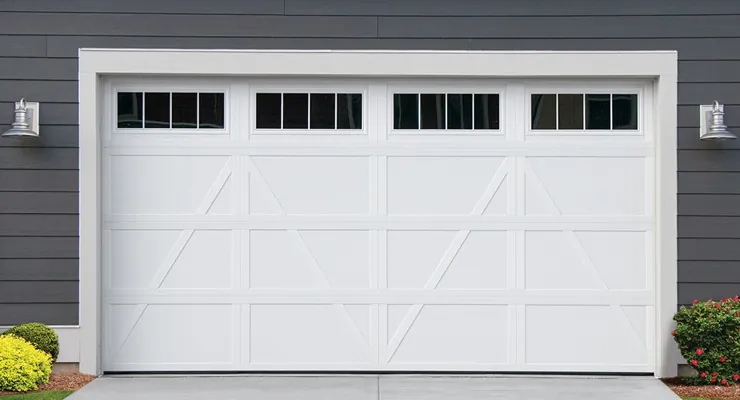
Choosing the right garage door depends on three main factors: your available ceiling space, your parking habits, and how you use the garage. First, measure the distance between the top of your door frame and the ceiling. If you have less than 100mm, a roller shutter is usually your only viable option. If you have more than 200mm, you can choose between a sectional or an up-and-over door.
Second, consider how close you park to the door. If you park your car right up against the garage entrance, you must avoid up-and-over or side-hinged doors, as these require clear space to swing open. A sectional door is the correct choice here because it moves straight up.
Finally, if you use the garage for frequent foot traffic, a side-hinged door saves you from operating a heavy door every time you walk in. These choices are generally exclusive; picking one style usually means you have to discard the others based on your specific garage dimensions.
Frequently asked questions
Can I install a garage door by myself?
Most garage doors require professional installation because they involve high-tension springs that can cause severe injury if handled incorrectly. If you aren’t a trained technician, you should hire a professional to ensure the door is balanced and the safety mechanisms function correctly. Improper installation often leads to a voided warranty and poses a risk to both your home and your personal safety.
How long does a steel garage door last?
A standard steel garage door typically lasts between 15 and 25 years when maintained regularly. The actual lifespan depends on your local weather conditions, such as salt air near the coast, and how often you lubricate the moving parts. You can check the expected lifespan in your specific manufacturer’s warranty documentation to see the exact coverage period for your model.
Is it safe to use a manual door?
Manual garage doors are safe if they’re correctly balanced and fitted with a high-quality locking system. You should be able to lift the door with one hand; if it feels heavy or falls back down, the springs are likely worn or incorrectly adjusted. A door that doesn’t stay open when pushed halfway up is a safety hazard and requires immediate professional adjustment.
What happens if the power fails on an electric door?
Most electric garage doors include a manual release cord that allows you to disengage the motor and open the door by hand. You should locate this red handle on the inner track system and understand its operation before an emergency occurs. If your door lacks a manual release, contact the manufacturer for the correct override procedure.
Does the door material matter for heat loss?
The material is a major factor, as steel doors without insulation allow significant heat transfer, whereas foam-insulated panels can reduce energy loss by up to 50% depending on the R-value of the insulation. If your garage is attached to your home, an insulated door is vital for keeping your living areas warm. You can read the R-value rating on the product label to compare different models.
How often should I lubricate the door tracks?
You should lubricate the moving parts of your garage door every 6 months to ensure smooth operation and prevent rust. Use a silicone-based spray on the rollers, hinges, and tracks, but avoid using grease, as it attracts dust and dirt that can damage the mechanism. If you notice grinding sounds or jerky movement, you should increase the frequency of your inspections.
Is a garage door with a remote control secure?
Modern garage doors with rolling-code technology are highly secure because the signal changes with every use. This prevents thieves from intercepting and recording your remote signal to gain unauthorized access. If you have an older system with a fixed code, consider upgrading to a modern receiver for better protection.
Conclusion
Keeping your door in great shape doesn’t have to be a chore. If you notice any unusual sounds or jerky movements, don’t wait for a total breakdown. It’s a good idea to reach out to a local technician for a quick inspection. They’ll ensure everything’s running smoothly so you don’t get stuck.
