
You can stop shoes from blistering by ensuring a proper fit and reducing friction with moisture-wicking socks or protective barriers. Addressing the specific cause, such as excessive movement inside the footwear or skin irritation from dampness, is the most effective way to prevent them.
Your results depend on the type of footwear, the shape of your feet, and the activity level you maintain.
Ways to stop shoes from blistering
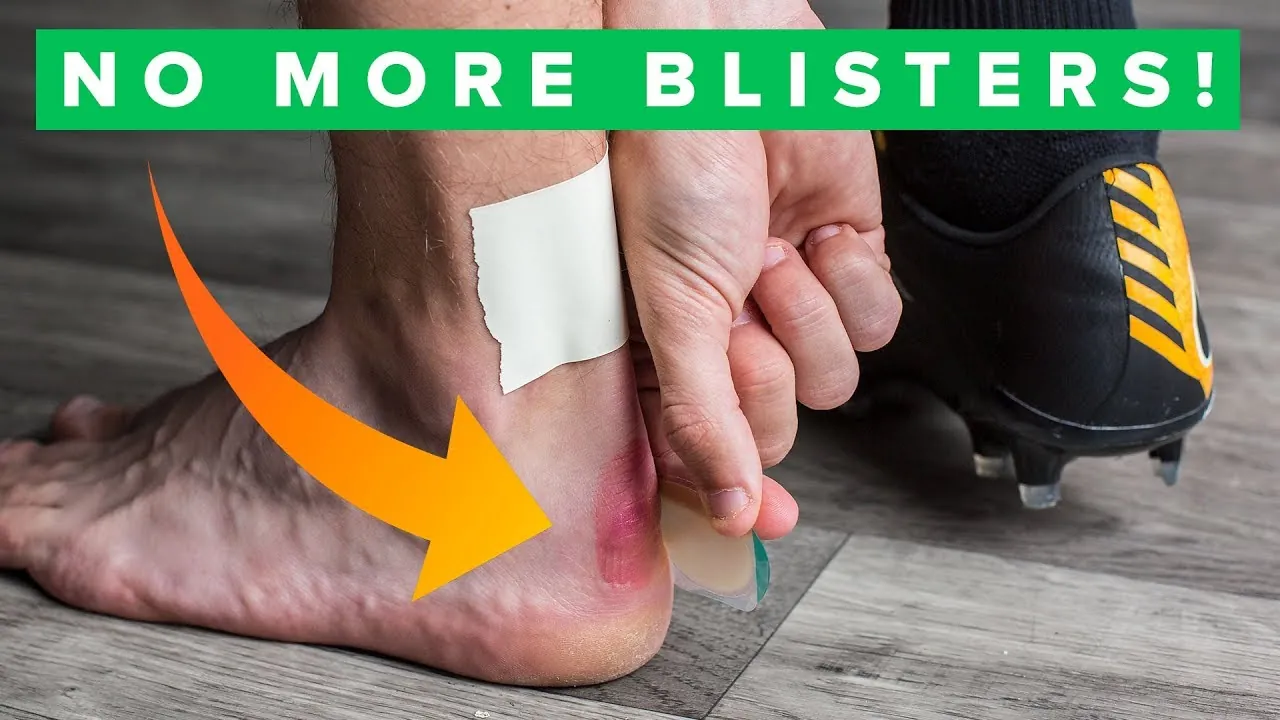
If you’re walking through the streets of New York City, you likely encounter a mix of paved sidewalks and subway stairs that test your footwear. You might start your day in a new pair of leather loafers that feel snug, only to notice a hot spot on your heel after three blocks. If you ignore this, the friction continues until the skin breaks, forming a painful blister.
To solve this, you should apply a lubricant or a protective pad at the first sign of heat. This creates a barrier between your skin and the shoe material. If you’re already wearing the shoes, look for a local pharmacy or convenience store to buy bandages. By acting before the skin turns red, you ensure that your commute remains comfortable. This approach assumes your shoes are the correct size and width for your foot shape.
Factors Influencing Skin Irritation
Several variables determine whether you develop blisters while walking. Friction is the primary driver, caused by the repetitive rubbing of your skin against the shoe lining. If the shoe is too loose, your foot slides, increasing this mechanical stress. If the shoe is too tight, it compresses the skin against bony prominences like the heel or toe joints.
Moisture is another major factor that softens the skin, making it more prone to damage. If your feet sweat, the damp environment increases the coefficient of friction. You can check your own moisture levels by feeling your socks after an hour of activity; if they’re damp, you need a material that pulls sweat away from the skin.
Most people make the mistake of wearing cotton socks, which trap moisture against the foot. This keeps the skin soft and vulnerable to peeling. Instead, opt for synthetic or wool blends that keep the foot dry. Finally, the structure of the shoe matters. Stiff materials like new leather or synthetic plastics have no “give,” requiring a break-in period to soften the edges that press against your skin.
Steps to Protect Your Feet
- Choose shoes that provide at least a half-inch of space between your longest toe and the front of the shoe.
- Wear socks made of moisture-wicking fabrics like merino wool or polyester, as these prevent the dampness that leads to skin breakdown.
- Apply a thin layer of anti-friction balm to common trouble spots, such as the back of the heel or the sides of your toes.
- Use moleskin or gel pads on the interior of the shoe where you feel consistent pressure during your first few wears.
- Tie your laces securely to lock your heel in place, which prevents the sliding movement that causes rubbing.
- Check the inside of your shoes for any rough seams or protruding stitching that might catch on your skin.
- If you feel a hot spot developing while walking, stop immediately to apply a bandage before the skin forms a bubble.
- Allow your shoes to dry out completely for 24 hours between long walks to ensure the materials don’t stay damp.
The single most important judgment call is knowing when to stop walking. If you feel a “hot spot,” it means the damage has already started, and continuing will lead to a blister. If you have a history of foot issues, consult a podiatrist to check for structural abnormalities that might require custom orthotics.
Common Blister Prevention Methods
| Situation | What to do | What it takes | What to watch for |
|---|---|---|---|
| Long walking days | Wear moisture-wicking socks | Low effort | Persistent hot spots |
| Stiff new leather | Use anti-friction balm | 2 minutes | Seam placement |
| Loose-fitting shoes | Add cushioned insoles | 5 minutes | Heel slippage |
| Damp, rainy weather | Change socks midday | 3 minutes | Wet, soft skin |
| High-intensity activity | Apply protective tape | 3 minutes | Skin redness |
Moisture-wicking socks work by pulling sweat away from your skin before it softens the outer layers. This keeps the friction coefficient low. If you feel a hot spot, stop immediately to check for bunching.
Anti-friction balms create a physical barrier against stiff leather edges. Apply this to the heel or pinky toe before you lace up. If you feel a seam digging in, the balm may need a second layer.
Cushioned insoles occupy the extra volume in loose shoes. This prevents your foot from sliding forward with every step. If you still feel your heel lifting, consider a thicker heel grip.
Wet skin is significantly more prone to tearing. Changing socks midday resets the environment, preventing maceration. If your feet feel heavy or squishy, moisture has already reached the skin.
Protective tape acts as a second skin during intense movement. Apply it smoothly to avoid wrinkles, which can cause more harm than good. If the tape peels, replace it to maintain protection.
Differences in Footwear Results
Material and Flexibility
Experienced walkers know that natural materials like leather eventually mold to the foot, while synthetic materials often remain rigid. If you’re wearing stiff synthetic shoes, you must rely on external barriers like gel pads or thicker socks. The American Academy of Dermatology Association recommends keeping feet dry and wearing well-fitting shoes to prevent the injury from occurring. Beginners often ignore the material stiffness, leading to avoidable irritation.
The Impact of Fit
Your foot shape changes slightly throughout the day due to swelling, especially after long periods of standing. Experienced people often shop for shoes in the afternoon when their feet are at their largest size. If you buy shoes in the morning, they may feel too tight by the evening, causing pressure points. Check your current shoe size periodically to ensure it still matches your foot, as weight changes or age can alter your size.
Identifying and Managing Irritation
| What you notice | What it usually means | What to do first | How to stop it |
|---|---|---|---|
| Hot, stinging skin | Friction occurring | Apply bandage | Use anti-friction balm |
| Red, swollen patch | Pressure point | Loosen laces | Add gel padding |
| Damp, soft skin | Excessive sweat | Change socks | Use moisture-wicking fabric |
| Sharp, localized pain | Rough seam | Cover with tape | File down or pad |
The sensation of a hot spot is your body’s early warning system. It signals that the skin’s outer layer is being sheared by repetitive motion. If you feel this heat, stop immediately. Ignoring the sting allows the skin to separate, forming a fluid-filled pocket that’s much harder to treat.
Redness indicates a localized pressure point where the shoe’s structure is too rigid or poorly aligned with your foot’s anatomy. Simply loosening your laces can redistribute this pressure across the bridge of your foot. If the irritation persists, a thin gel pad acts as a shock absorber.
Damp skin loses its natural resilience, becoming soft and prone to tearing. When moisture accumulates, your socks act like a sponge against the skin. Switching to synthetic or wool blends keeps the environment dry.
Sharp, localized pain often points to a specific mechanical flaw, like a protruding stitch or a stiff heel counter. Running your finger along the interior lining helps you locate the culprit. Once found, applying medical-grade tape creates a smooth barrier between your skin and the abrasive edge.
Rules for Foot Health
Before you start a long walk, confirm that your socks aren’t bunched up inside your shoes. A small fold in the fabric creates a concentrated pressure point that can cause a blister within minutes. If you’re using a new pair of shoes, test them during short, 20-minute sessions at home before committing to a full day of use.
Focus on how your heel sits inside the heel cup. If your foot slips even slightly, the friction will generate heat and eventually tear the skin. You should feel a secure, snug grip that prevents sliding without pinching your toes.
If you notice a persistent pain in the same spot regardless of the shoes you wear, you might have a bone spur or a structural issue. In these cases, the issue isn’t the shoe but your foot mechanics. See a podiatrist to discuss whether custom inserts are necessary for your specific gait. Addressing these underlying biomechanical imbalances often resolves chronic irritation that standard footwear adjustments simply can’t fix.
Managing Your Costs
You don’t need expensive gear to prevent blisters, but investing in high-quality socks is a cost-effective strategy. These performance socks are inexpensive compared to the cost of treating foot injuries. While this is more than standard cotton socks, they last longer and provide better protection against moisture.
High-quality synthetic or wool blends pull sweat away from the skin. This moisture management is the primary factor in reducing the friction that causes blisters during long walks.
Anti-friction sticks or balms are also inexpensive and can last for months if used sparingly. These products create a protective barrier on high-risk areas like heels or toes.
Compare these small costs against the price of medical supplies like bandages and antiseptic, which you’ll need if you fail to prevent the injury. The investment in prevention saves you both money and downtime, keeping you mobile without the recurring expense of treating avoidable wounds.
Maintaining Your Footwear
Keep your shoes clean and dry to ensure they remain comfortable over time. If your shoes get wet, stuff them with newspaper to absorb moisture and let them air dry away from direct heat sources like radiators. High heat can shrink or crack leather, making the shoe stiff and more likely to cause blisters in the future.
If you notice the inner lining of your shoe wearing thin, replace the insoles. Worn-out insoles lose their cushioning, which increases the impact and friction on your feet. When the heel counter—the back part of the shoe—starts to collapse, it’s time to retire the pair.
Beyond structural integrity, monitor the interior seams for fraying or rough patches. These small imperfections often go unnoticed until they create a localized friction point against your skin.
When to Seek Professional Help
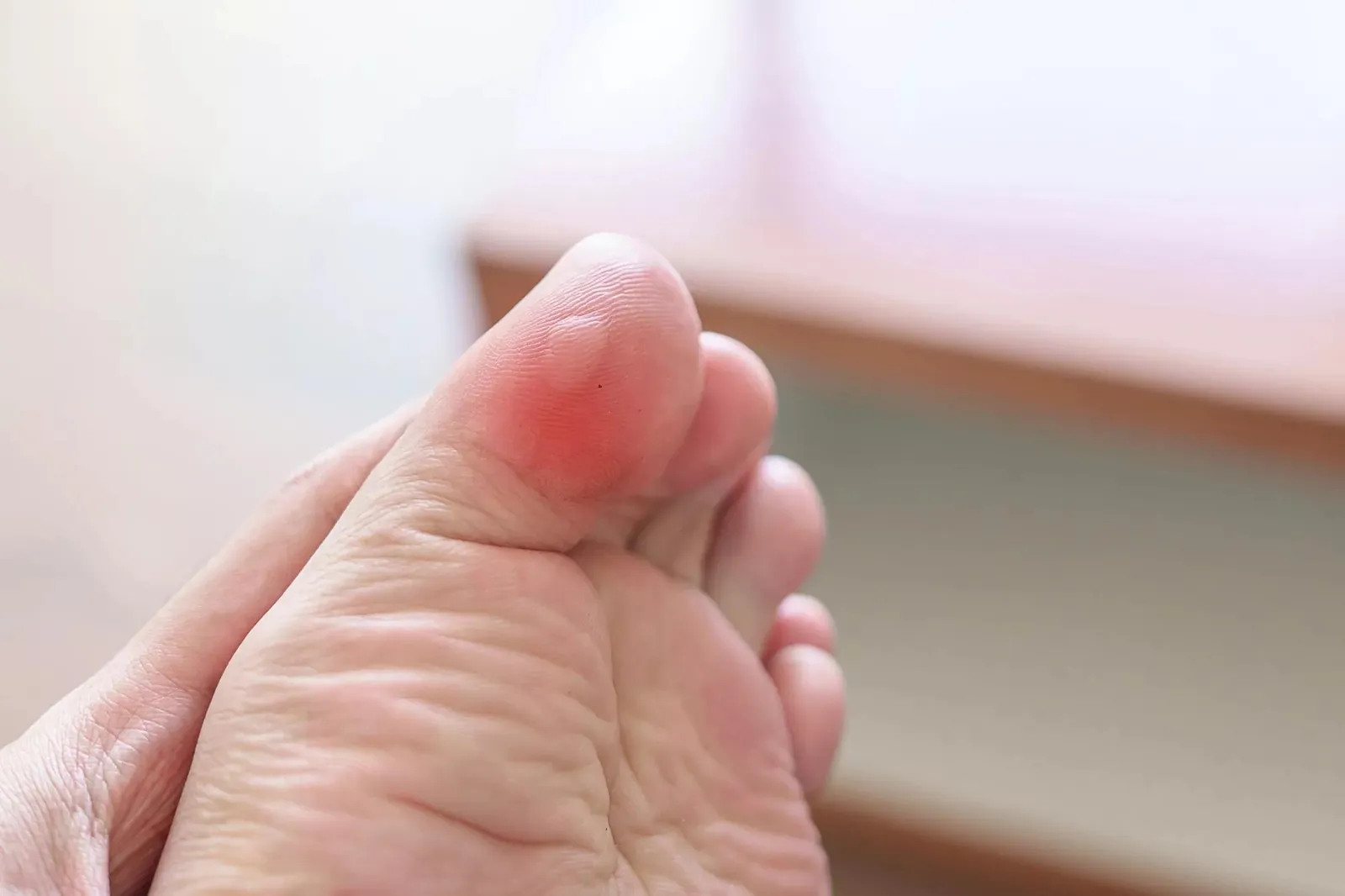
This guide is intended for general footwear issues and assumes you have healthy, intact skin. If you have diabetes or poor circulation, you shouldn’t attempt to treat foot irritation yourself. These conditions make it difficult for your body to heal, and even a small blister can lead to serious complications.
If you notice signs of infection, such as pus, spreading redness, or extreme heat, stop using the footwear and see a doctor immediately. Don’t attempt to pop a blister, as this breaks the protective seal over the sensitive skin underneath. If a blister pops on its own, clean the area with mild soap and water and keep it covered with a sterile bandage.
Related guides
Frequently asked questions
Can I use baby powder to prevent blisters?
Yes, you can use baby powder to reduce friction by keeping the foot dry. Apply a small amount inside your socks before you begin walking to absorb moisture, but be aware that it may clump if your feet sweat heavily, which can sometimes increase friction.
How long should I break in new shoes?
You should break in new shoes over a period of 1 to 2 weeks, depending on the material stiffness. Start by wearing them for 30 minutes at a time inside your home, gradually increasing the duration as you notice the material softening and the fit becoming more comfortable.
Is it safe to pop a blister?
No, it isn’t safe to pop a blister because the top layer of skin acts as a sterile barrier against bacteria. If you pop it, you increase the risk of infection; instead, cover it with a bandage and let it heal naturally on its own.
How do I stop shoes from blistering on the heel?
You can stop heel blistering by using adhesive moleskin or gel pads on the inside of the shoe. Ensure your shoes are tied snugly to prevent your heel from lifting and sliding against the back of the shoe with every step you take.
Does it matter if I wear two pairs of socks?
It can help reduce friction, but it often makes the shoe too tight, which creates more pressure. If you choose to do this, ensure your shoes have enough room to accommodate the extra volume without compressing your toes or cutting off your circulation.
What happens if I ignore a hot spot?
If you ignore a hot spot, the friction will eventually cause the skin layers to separate and fill with fluid, creating a painful blister. Addressing the heat immediately by applying a bandage or changing your socks stops the damage before the skin actually breaks.
Conclusion
Start by checking your current footwear for any signs of wear or improper fit. A simple adjustment to your lacing or a change in sock material often provides immediate relief. If you feel persistent pain despite these changes, stop using the current pair and consult a professional to avoid further injury.
